
Is It Bad to Not Have a Wedding Band? Understanding the Importance and Alternatives
Not wearing a wedding band can raise questions about love and commitment. Many people wonder if it’s bad to skip this traditional symbol of marriage. Ultimately, not having a wedding band is a personal choice and does not reflect your dedication to your partner.
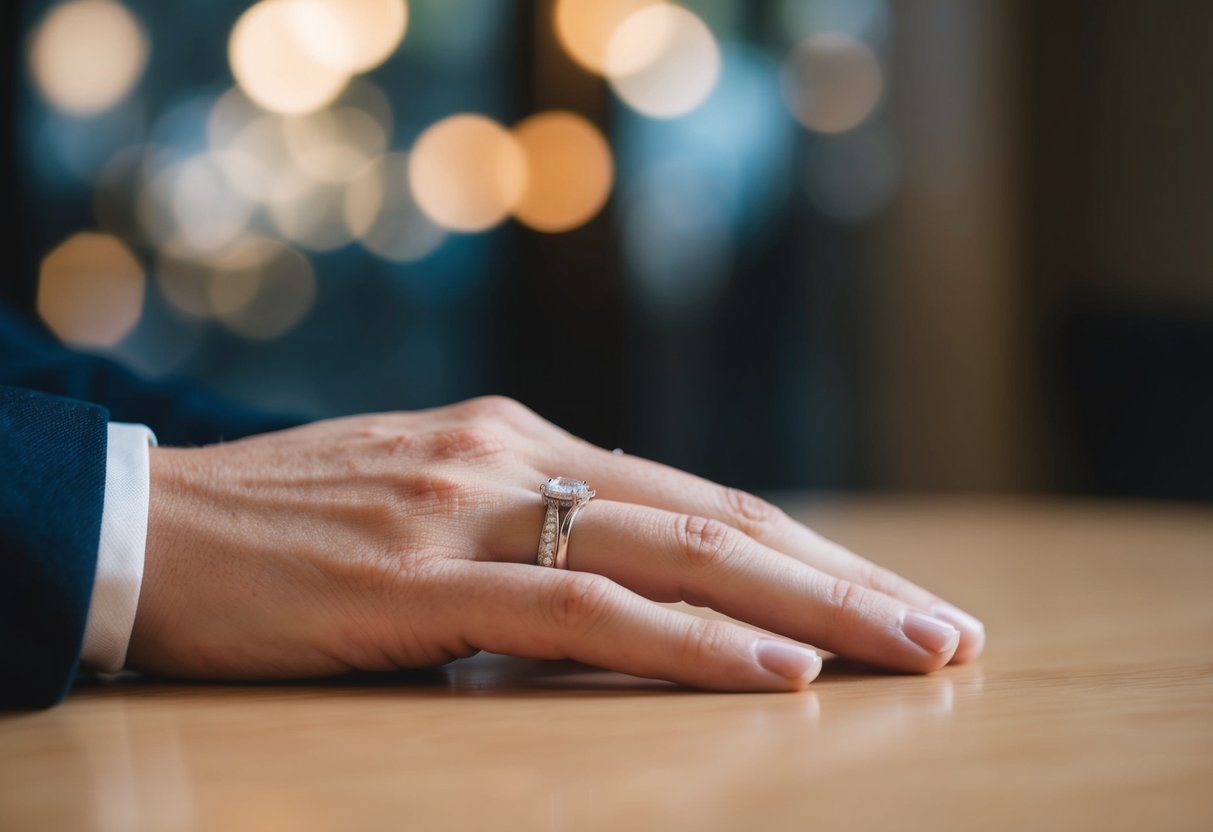
In today’s world, more couples are exploring what commitment means to them beyond just jewelry. Some may feel a wedding band doesn’t match their style, while others may find it uncomfortable or impractical.
The truth is, love transcends rings. What truly matters is how you express your feelings and commitment to your partner in daily life. Whether you wear a band or not, your relationship can still be strong and fulfilling.
The Significance of Wedding Bands
Wedding bands hold deep meaning beyond their beautiful designs. They represent history, love, and a person’s status in a relationship. Understanding these aspects can help you see why many people consider them essential.
Historical Traditions
Historically, wedding bands date back to ancient civilizations such as Egypt and Greece. They were often made from simple materials like reeds or leather. Over time, gold and silver became popular due to their durability and beauty.
The tradition of exchanging rings during the wedding ceremony symbolizes the union between partners. Many cultures have rituals involving this exchange.
In Western culture, the wedding band is typically worn on the fourth finger, known as the “ring finger.” This tradition is believed to stem from ancient beliefs about a vein that runs directly to the heart.
Symbolizing Love and Commitment
A wedding band is a constant reminder of your love and commitment to your partner. When you slide the ring onto your spouse’s finger, you create a symbol of your promises to one another.
Wearing a wedding band can deepen the bond between partners. It serves as a visual connection to your vows, reinforcing your dedication daily. Many view the act of wearing these rings as a way to celebrate and honor the love you share.
Marital Status Indicator
In many societies, your wedding band also signals your marital status. When you wear a wedding ring, it tells others that you are committed to a relationship. This can help avoid misunderstandings in social situations.
For some, this public symbol can be comforting. It shows allegiance to your partner and signals that you are not available for romantic advances. The wedding band becomes a straightforward way to express your commitment to your spouse and your shared life together.
Modern Perspectives on Wedding Bands
Many people today view wedding bands through a personal and modern lens. Choices vary based on beliefs, lifestyle preferences, and even environmental concerns. This changing perspective allows couples to express their love in ways that feel right to them.
Personal Beliefs and Choices
Your personal beliefs play a significant role in whether you choose to wear a wedding band. For some, it symbolizes commitment and love. For others, it may not hold the same meaning.
Today’s couples often prioritize their individuality over tradition. Many feel that the absence of a ring does not lessen their commitment. This belief reflects a broader shift towards personal choice, allowing individuals to decide what best represents their relationship.
Alternative Options
If a traditional wedding band isn’t for you, there are various alternatives. Silicone rings, for instance, are a popular choice. They are affordable and comfortable, making them perfect for active lifestyles.
They also come in various colors and designs, allowing for personal expression. Many couples opt for these rings during sports, travel, or work environments where metal rings may be impractical. This flexibility enables you to wear something that fits your daily life while still showing commitment.
Prominent Figures and Influence
Influence from public figures often shapes opinions on wedding bands. For example, Prince William chose not to wear a traditional wedding band. His decision shows that even royal figures can redefine expectations around rings.
This choice can encourage many to rethink what a wedding band means to them. Seeing others make different choices may inspire you to choose what feels right without societal pressure. Remember, it is about you and your partner, not just tradition.
Practical Considerations
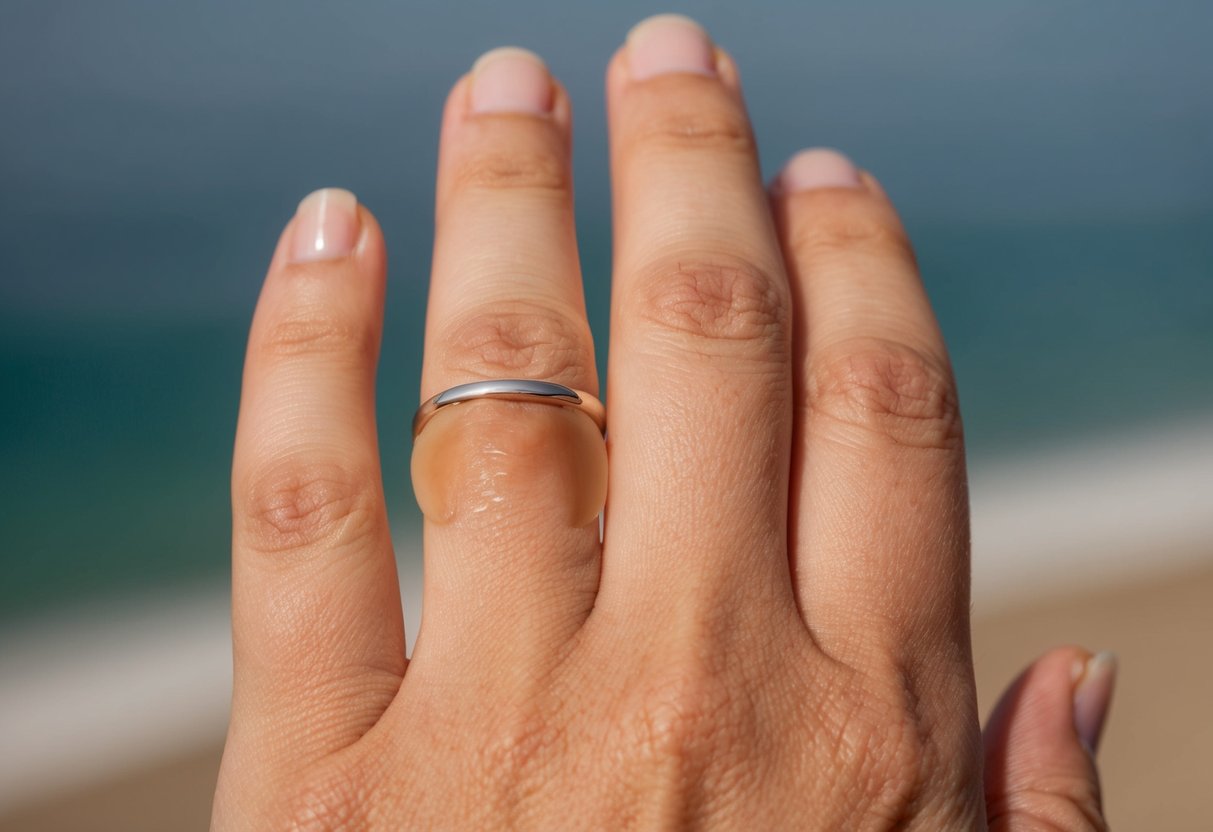
When deciding whether to wear a wedding band, it’s important to think about practical aspects that influence your comfort and lifestyle. Factors like allergies, personal choices, and your daily activities can guide your decision.
Allergies and Sensitivities
If you have skin allergies or sensitivities, wearing a traditional metal wedding band might cause irritation. Sensitivities to metals, like nickel, can lead to rashes and discomfort.
In such cases, consider alternatives. Silicone rings are a popular choice. They are lightweight and hypoallergenic. Many people find that these rings provide an excellent way to show commitment without irritation.
Also, be sure to check for materials labeled as “nickel-free” or “hypoallergenic.” This way, you can find something that feels good on your skin.
Occupational and Lifestyle Factors
Your job or lifestyle can also affect your decision about wearing a wedding band. Certain occupations may require you to remove rings for safety. For instance, manual labor or jobs involving machinery can pose risks if a ring gets caught.
When you’re active or involved in sports, wearing a metal band may not be practical. Many choose to wear a silicone ring during these activities because it’s flexible and won’t break easily.
Consider your daily routine and how a wedding band fits into it. The choice should reflect your needs and lifestyle while still representing your love.