
Is It Bad to RSVP to a Wedding and Not Go? Understanding the Etiquette and Implications
You’ve received an invitation to a wedding and promptly RSVP’d “yes,” but now, for whatever reason, you can’t attend. It’s a common situation, and many people wonder if it’s bad form to change your response after committing. It’s really not a big deal as long as you communicate with the couple in advance.
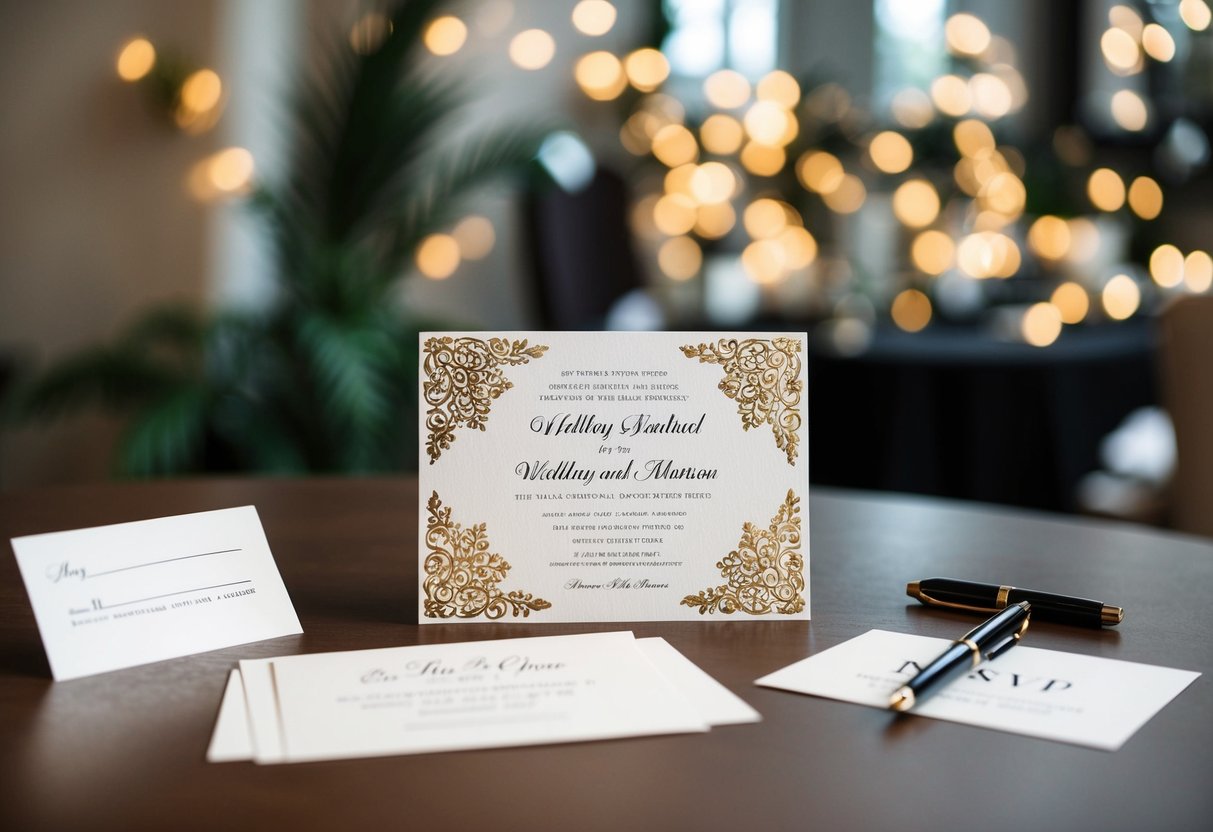
You might feel guilty about changing your mind, especially if you’ve been looking forward to celebrating with the couple. Remember, life happens, and sometimes plans change unexpectedly. Most couples understand that guests can’t always make it and would appreciate your honesty.
Just be sure to let them know as soon as possible. This gives them time to adjust their plans and minimize the costs of any last-minute arrangements. Being considerate about your RSVP can help maintain good relationships and keep the focus on the couple’s special day.
Understanding RSVP Etiquette
RSVPs are an important part of wedding planning. Proper etiquette helps ensure that both you and the couple have a smoother experience. Not responding or failing to attend can create confusion and stress.
The Importance of RSVPs
When you receive a wedding invitation, the RSVP is your chance to communicate your plans. It helps the couple finalize food, seating arrangements, and other details.
If you decide to decline, it’s best to reply as soon as possible. This allows the couple to adjust their plans without worry. Failing to respond can leave them uncertain about your intentions.
Remember, weddings are significant events. Your timely RSVP shows respect for the couple’s efforts. It also helps them manage their guest list.
Role of Etiquette Experts
Etiquette experts stress the importance of clear communication. They advise guests to follow the RSVP instructions provided. If you can’t attend after responding with a “yes,” it’s polite to inform the couple.
You might consider reaching out to a family member or the wedding planner to relay your message. This helps ensure the couple receives updates on attendance.
Etiquette experts also highlight that guests should avoid last-minute cancellations. These changes can cause unnecessary stress for the couple on their special day. Being considerate goes a long way in maintaining good relationships.
Reasons for Not Attending
There are many valid reasons for not attending a wedding after you have already RSVP’d. Life can throw unexpected challenges your way. Here are some common circumstances that might stop you from attending.
Handling Emergencies
Sometimes, emergencies happen that you cannot control. For instance, a death in the family is a serious situation that demands your attention. In such cases, it’s important to inform the couple as soon as possible.
If there’s a sudden illness or an unexpected event, like a child’s arrival, that can also disrupt your plans. Always communicate with the couple quickly to explain your situation.
Managing Prior Commitments
You may have prior commitments that conflict with the wedding date. This could include work obligations, family events, or travel plans. If you agreed to attend another event first, it’s respectful to honor that commitment.
When you realize you can’t attend the wedding, reach out and let the couple know. Apologizing sincerely goes a long way in maintaining your friendship.
Financial and Logistical Hindrances
Financial constraints can also be a reason for not attending a wedding. Weddings can be expensive, considering travel, gifts, and attire costs. If you simply can’t afford it, it’s okay to say no.
Other logistical issues like transportation or distance can also play a role. If getting to the venue seems impossible, it’s valid to express that concern. When you explain your reasons, the couple is likely to understand that sometimes life gets complicated.
Communicating Your Absence
When you realize you cannot attend a wedding after RSVPing, clear communication is key. It’s important to inform the couple respectfully and promptly. This helps maintain your relationship and shows that you value their special day.
Proper Ways to Inform the Couple
Start by reaching out promptly. Texts or emails are acceptable, but a phone call may feel more personal. Begin with a kind apology, acknowledging your RSVP. You might say something like, “I’m really sorry, but I can’t make it to your wedding.” Be honest about your reason, whether it’s a schedule conflict or a personal issue.
Consider sending a card or small gift later as a gesture of goodwill. This can help reinforce your friendship. If the couple has a wedding planner, they might appreciate being informed through that person. Always choose a method that fits your relationship with the couple.
When to Communicate Your Change of Plans
Timing is crucial when you change your RSVP. Ideally, inform the couple as soon as you know you cannot attend. This respects their planning efforts and allows them to adjust the guest list.
Make sure to contact them well before the RSVP deadline. This gives them time to fill your spot if necessary. If you’re close friends, reach out within a week of finding out you can’t attend. This keeps your friendship strong and shows that you care about their feelings.
Post-RSVP Etiquette
After you RSVP to a wedding but cannot attend, it’s important to handle the situation with care. You can still show your support for the couple and maintain your relationship with them. This means sending a thoughtful gift and being considerate about how you connect afterward.
Sending a Wedding Gift
If you RSVP’d yes but aren’t going to the wedding, sending a gift is a kind gesture. It shows that you care about the couple, even if you cannot celebrate in person.
Choose something meaningful from their registry or a personal item that reflects your friendship. Gifts can be sent to their home or given later in person.
Don’t forget to include a heartfelt note expressing your regret for missing the day. This small touch makes your gift more personal and reinforces your bond.
Maintaining Relationships After the Wedding
Keeping in touch after the wedding is essential. The couple might notice your absence, so make sure to reach out to them after the event.
Send a message or call them to congratulate them. This helps you stay connected and shows you value your friendship.
Consider planning a lunch or coffee date to celebrate with them separately. This way, you can share stories and keep your relationship strong.
Remember, friendships need nurturing, so take time to check in even after their special day.