
Is It Bad to Skip Wedding Reception? Understanding Your Options and Considerations
Attending a wedding is all about celebrating love, commitment, and unity between the couple. You might wonder if skipping the reception is acceptable, especially if you have other plans or don’t know the couple well. While it might seem harmless, skipping a wedding reception could reflect poorly on your relationship with the couple and the importance of their special day.
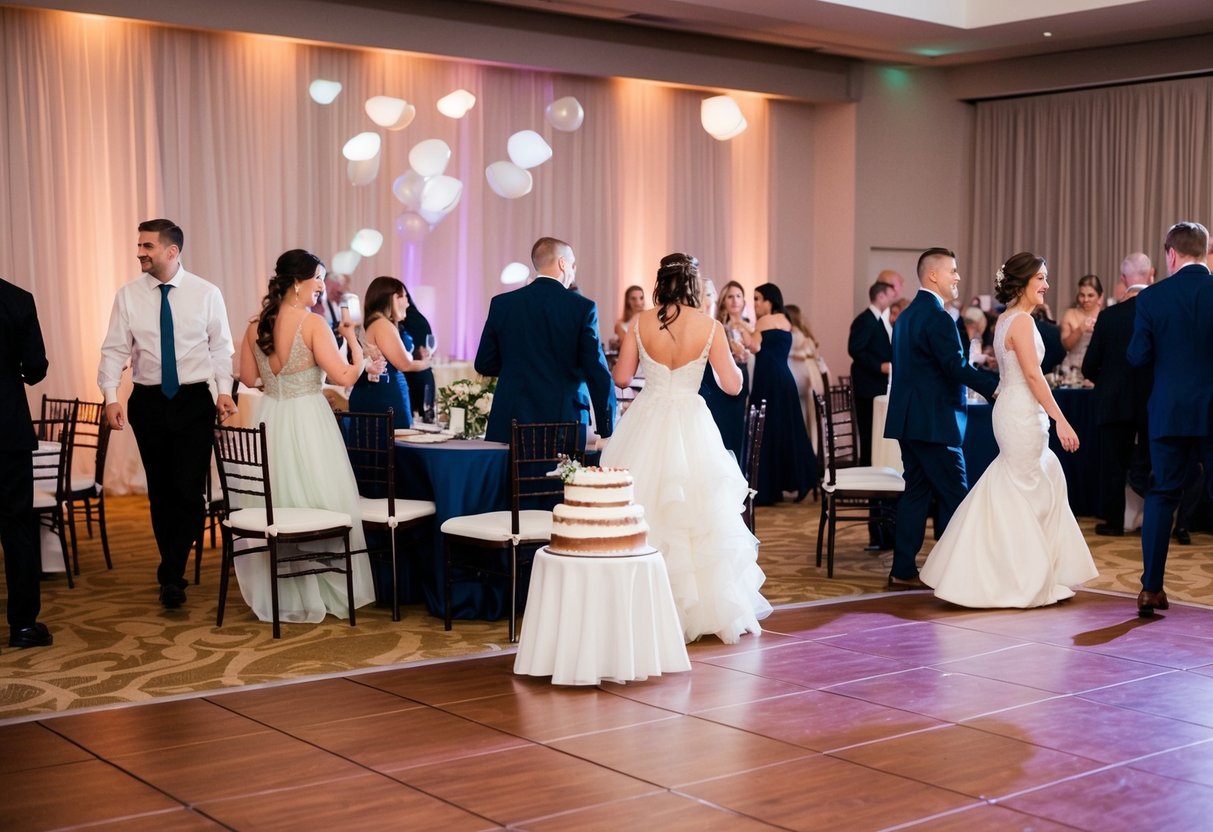
When a couple invites you to their wedding, they hope you will share in the joy of their commitment. The reception is a chance to celebrate this unity and enjoy time with family and friends.
If you feel you need to skip the reception, it’s essential to consider your relationship with the couple and how your absence might affect them.
Ultimately, your decision to attend or skip the reception should be based on your connection to the couple and the importance of that day. If you’re unsure, it’s usually best to discuss your plans with them to show your respect and appreciation for their celebration.
Understanding Wedding Etiquette
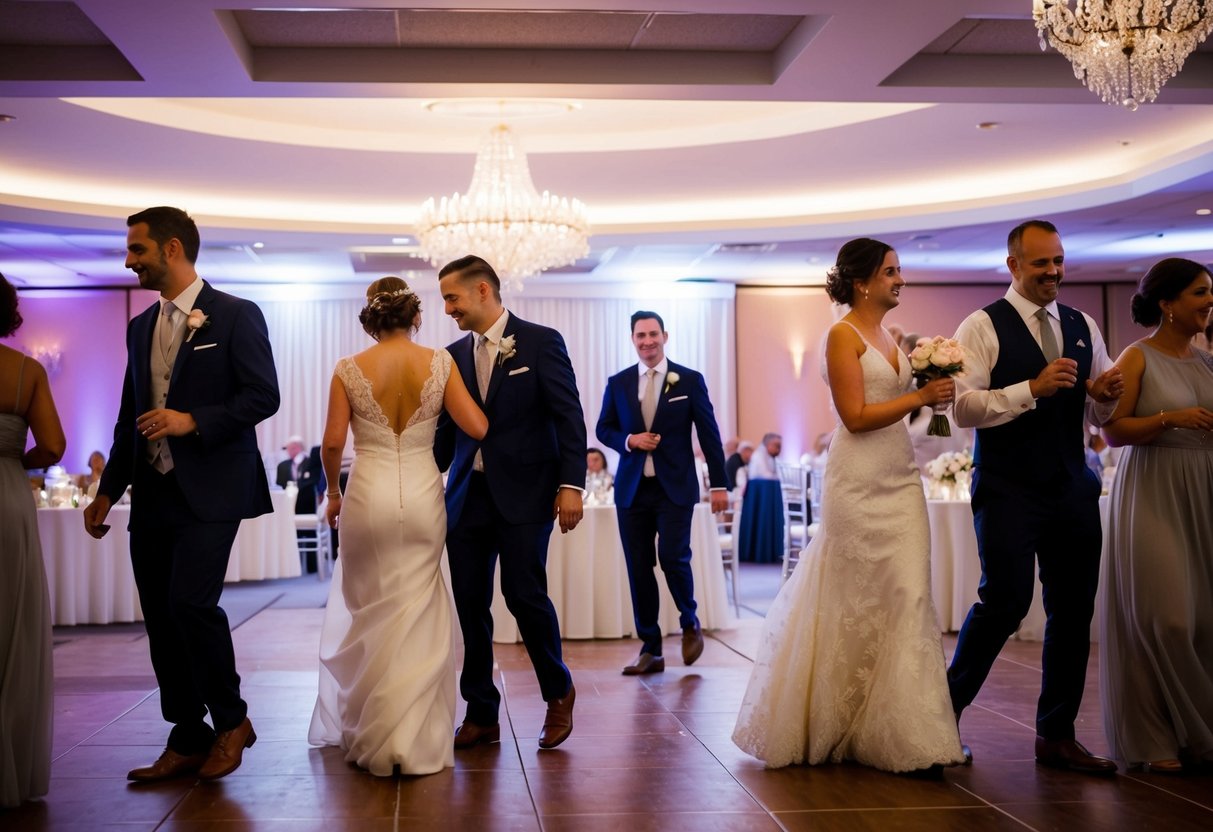
When attending a wedding, understanding the etiquette involved can help you navigate tricky situations. Important elements include how to respond to RSVPs and knowing what to wear.
The Significance of RSVPs
RSVPs are a crucial part of wedding etiquette. When you receive a wedding invitation, it often includes a request for you to respond. This response helps the couple plan for the ceremony and reception.
Failing to RSVP can create problems. It may lead to either over or underestimating the guests, which affects food, seating, and other arrangements.
If you cannot attend, let the couple know as soon as possible. This consideration reflects your respect for their special day. Be sure to communicate changes in your plans, especially close to the wedding date.
Navigating Dress Code Expectations
Dress codes are often outlined in wedding invitations. These codes guide your choice of outfit for the event.
Common dress codes include:
- Casual: A relaxed look, like nice jeans and a neat shirt.
- Semi-formal: Dressy attire, often a cocktail dress or dress pants with a button-up shirt.
- Formal: A more elegant choice, like a long gown or a suit and tie.
Make sure to follow the dress code. Dressing appropriately shows your respect for the couple’s wishes and enhances the overall spirit of the celebration. When in doubt, it’s always a good idea to reach out and ask the couple for their preferences.
Reasons for Skipping the Reception

Life can be unpredictable, and there are valid reasons for not attending a wedding reception. Whether it’s a personal situation, an unexpected illness, or scheduling conflicts, it’s important to understand these factors.
Managing Personal Circumstances
Sometimes, personal situations can make it hard for you to attend a wedding reception. This could be due to finances, family issues, or even emotional well-being.
For instance, if you’re going through a tough time, such as a recent loss or stress, attending a large gathering might not feel right.
If you’re facing financial struggles, spending money on travel or gifts can add to your stress. It’s okay to prioritize your well-being in these situations. Make sure to communicate your feelings with the couple, as they will likely appreciate your honesty.
Dealing with Sudden Illness
Being suddenly ill is another reason you might have to skip the reception. If you wake up feeling unwell or have a sudden health issue, it’s important to take care of yourself first.
Attending a large event when you’re not feeling well can affect both your experience and the well-being of others.
Notify the couple as soon as possible if you’re unable to attend. They will understand that health matters come first. If it’s a contagious illness, it’s especially crucial to stay home for everyone’s safety.
Conflicting Commitments and Destinations
Conflicting commitments can lead to tough choices. Maybe you have another event on the same day or a family obligation that cannot be changed.
This situation is common during busy wedding seasons when you might receive multiple invitations at once.
Destination weddings can also create conflicts. Travel costs and scheduling can make it complicated to attend both the ceremony and reception. If you find yourself in this situation, communicate clearly with the couple about your plans. Let them know your reasons so they can understand your absence.
It’s always best to prioritize what’s important while being considerate of the couple’s feelings.
Impact on Relationships and Commitment

Skipping a wedding reception can significantly affect your relationships with the couple and others involved. It’s essential to consider how your absence may be viewed and how to communicate your decisions respectfully.
Evaluating the Decision to Skip
Consider the reasons you might skip the reception. Whether it’s due to personal preference, financial constraints, or scheduling conflicts, understanding your motivation is key.
This choice can impact your relationship with the couple and the wedding party.
Think about how attending the reception shows your support for the couple‘s commitment and unity. Not being there might be interpreted as a lack of support, potentially causing feelings of hurt. Weigh the importance of being part of that special moment against your personal reasons for not attending.
Communicating Your Absence
If you decide to skip the reception, communication is vital. Make sure to reach out to the couple and express your feelings honestly. You can explain your reasons, whether they’re practical or personal.
Respect their special day by acknowledging their commitment. A sincere message can go a long way in maintaining your relationship.
Consider sending a thoughtful gift or a card to show your support. Doing this demonstrates that you still care about their unity, even if you’re not there physically.