
Is It Better to Size Up or Down in Shoes? Understanding the Perfect Fit for Comfort
Finding the right shoe size can make a big difference in your comfort and walking experience. Shoes can stretch over time, so it’s generally better to size down rather than size up. A snug fit helps prevent common issues like heel slippage and cramped toes, which can ruin your day.
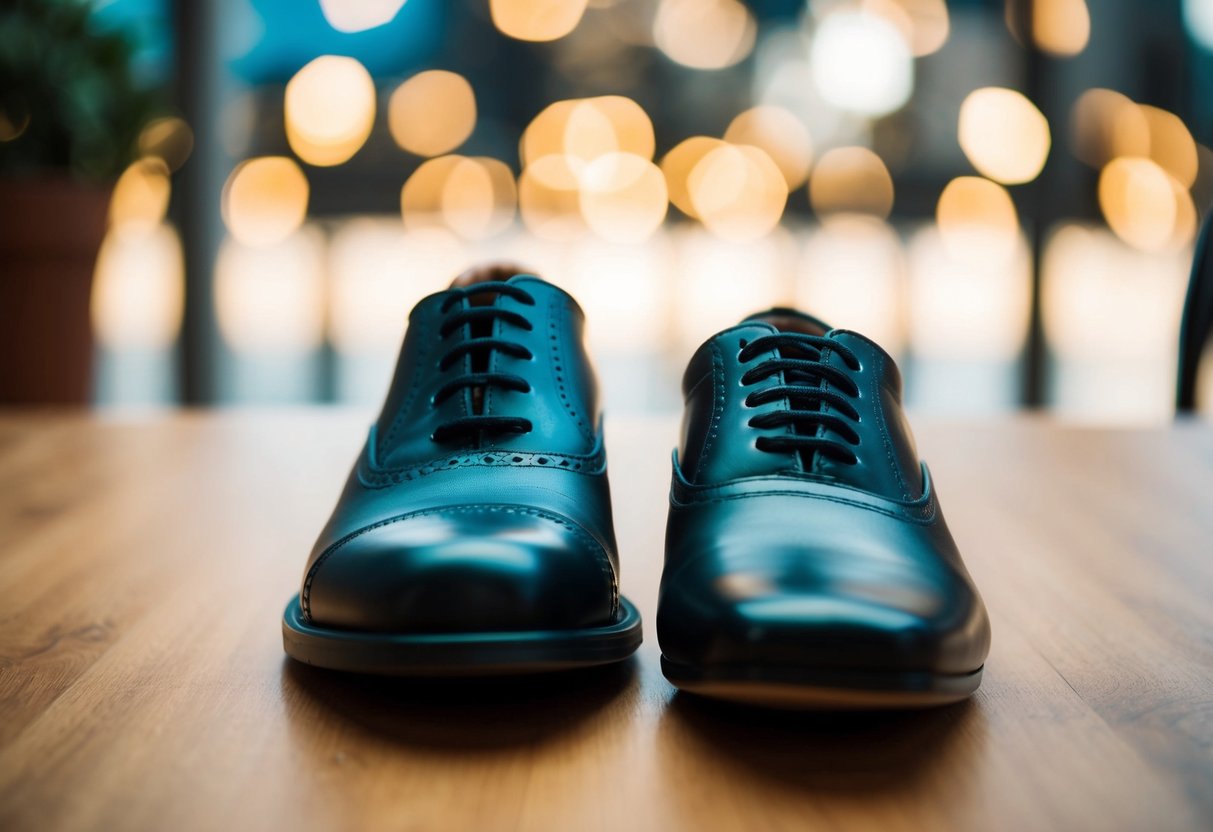
When it comes to shoe fitting, understanding your unique foot shape is important. Whether you have wide or narrow feet, getting the right fit in your shoes can enhance your comfort level. Many people overlook this, assuming that their regular size will work every time, but that’s not always the case.
If you’re unsure about which size to choose, remember that it’s essential to try on shoes in the environment you plan to wear them. Running shoes may fit differently than casual sneakers, and knowing this can help you make a better decision.
By paying close attention to how your shoes feel, you can ensure that you’re choosing the best size for your feet.
Understanding Shoe Sizing Fundamentals
Finding the right shoe size is essential for comfort and foot health. Understanding how to choose between sizing up or down can make a big difference. Here are the key factors to consider.
Importance of Correct Shoe Size
Wearing the correct shoe size is crucial for your foot health. Shoes that are too tight can cause blisters, calluses, and even discomfort in your feet. On the other hand, shoes that are too loose may lead to unstable footing and increased risk of injury.
Correct sizing ensures that your toes have enough room. This is especially important if you have wide or narrow feet. Your shoes should fit snugly but not tight, ideally keeping about a thumb’s width of space at the front.
Differences Between Sizing Up and Sizing Down
When thinking about sizing, you may wonder whether to size up or down. If you choose to size up, you might gain extra length but lose support if the shoe becomes too loose. Shoes that are too big can slide off and lead to foot fatigue.
Opting to size down can help you maintain support. However, sizing down too much can lead to pinching and pressure. Half sizes can be beneficial because they allow for slight adjustments in fit.
Always consider how the shoe feels when walking or standing before making a decision.
Knowing Your Foot Shape and Size
Your foot shape plays a big role in shoe sizing. Wide feet may require a wider shoe, while narrow feet may need a snugger fit. Knowing the width and length of your feet can help you find the best match.
You should measure your foot size regularly and consider any changes over time. Using a Brannock device can help accurately determine both length and width. This way, you can choose shoes that fit your specific foot shape, enhancing comfort and support.
Factors to Consider When Choosing Shoe Size
Finding the right shoe size is important for comfort and performance. Several factors can affect your choice, including how your feet change throughout the day, differences in sizes across brands, and specific foot conditions that you might have.
Foot Swelling Throughout the Day
Your feet can swell during the day, especially after long periods of standing or physical activity. This change can make your shoes feel tight if they fit perfectly in the morning but become uncomfortable later.
To choose the right size, try on shoes in the afternoon or evening when your feet are typically their largest. This way, you’ll have a better idea of what feels comfortable throughout the day.
If you’re between sizes, consider going up half a size to accommodate any swelling.
Variations in Manufacturer Sizing
Not all shoe brands use the same sizing standards. A size 9 in one brand may fit differently than a size 9 in another. This inconsistency can be especially true for running shoes, where performance and comfort are key.
Always check the size chart specific to each brand. If you find that you’re in between sizes, trying both sizes is a good idea. Choose the one that gives you the best comfort, making sure there’s enough room in the toe box.
Special Considerations for Different Foot Conditions
Certain foot conditions can impact the shoe size you need. For instance, if you have flat feet, you might need extra room for arch support. On the other hand, high arches may require different sizing for comfort.
If you struggle with bunions, look for shoes with a wider toe box. This added space can help reduce discomfort. For all these conditions, it’s important to prioritize comfort and fit over style. A well-fitted shoe can make a big difference in how you feel all day.
Practical Tips for Trying on Shoes
Finding the right fit when trying on shoes can make all the difference in comfort and support. Here are some practical tips to help you ensure your shoes fit properly and feel great.
The Role of Insoles and Inserts
Using insoles and inserts can be a game changer. They provide extra cushioning and support, especially if you have specific foot issues.
If you have wide feet or high arches, look for insoles designed to offer additional support. Before you buy shoes, insert your insoles to see how they fit. This helps ensure that the shoe fits snugly.
You can also try removable insoles that let you customize the fit. If you find a pair you like, but they lack support, consider adding an insole for improved comfort.
Optimizing Fit with Lacing Techniques
Lacing techniques can dramatically change how your shoes fit. If your shoes feel loose or too tight, adjusting the laces can help.
Start by loosening the laces all the way down. Slip your foot in and tighten the laces starting from the toe area and moving up. This helps create a snug fit around the foot.
For wide feet, try a skip-lacing technique. Leave every other hole empty to reduce pressure. For narrow feet, lace all holes for a tighter fit. Experiment with these techniques to find what feels best for you.
Ensuring Adequate Toe Room and Comfort
Adequate toe room is essential for comfort. When trying on shoes, stand up and walk around to check if your toes have enough space.
You should have about half an inch between your longest toe and the front of the shoe. Wiggle your toes to make sure they aren’t cramped. If they feel tight or squished, it’s time to try a larger size.
Also, make sure the shoe doesn’t pinch the sides of your foot. An uncomfortable fit can lead to blisters or other foot problems. If the shoe feels right everywhere else, but your toes are cramped, don’t hesitate to size up or try a different style.
Maximizing Comfort and Performance
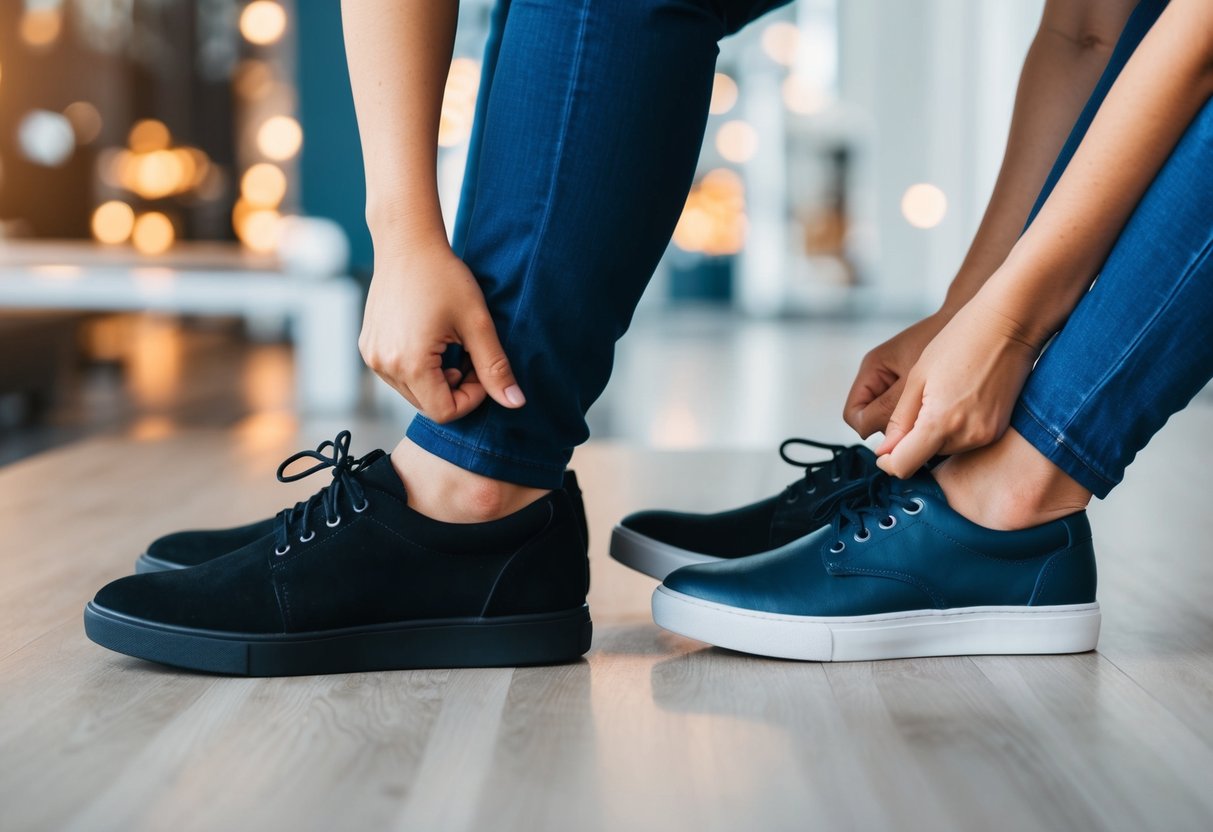
Finding the right size and fit is essential for your comfort and performance in any activity. A well-fitting shoe can prevent common foot problems while enhancing your experience, whether you’re running, walking, or just enjoying your day.
Selecting the Right Shoes for Your Activities
When shoe shopping, consider your specific activities. If you’re running, look for shoes that provide support and a comfortable fit. Pay attention to the toe box space. You should have enough room to wiggle your toes.
Sizing up can help if your feet swell during exercise. Check for heel slippage; you want your heel to stay in place during movement. A secure fit reduces the risk of injuries and increases your performance.
Also, consider trying different brands. Shoe sizes can vary widely. Always test the shoes by walking or jogging in them. Your best fit is one that feels supportive yet allows for good movement.
Preventing Common Foot Problems from Poor Fitting Shoes
Poorly fitting shoes can lead to various foot issues, such as black toenails and ingrown toenails. These conditions often arise from wearing shoes that are too tight or too small. When your shoes don’t fit properly, it can cause pressure on your toes.
To minimize these risks, ensure your shoes have a comfortable fit. Look for adequate toe room, and avoid shoes that pinch or rub against your skin. If you experience heel slippage, it may be a sign to adjust your size.
A small adjustment in size can make a big difference in comfort. Consider sizing up by half a size if you’re feeling cramped. Prioritizing fit can lead to happier, healthier feet, allowing you to focus on your performance.