
Is Church or Registry Office Cheaper? Wedding Costs
A courthouse or county clerk ceremony usually costs less than a church wedding in the United States because it often avoids church facility fees and paid ceremony extras. The phrase “registry office wedding” is more common in the UK; in the U.S., you’ll usually arrange a civil ceremony through a court, county clerk, or local government office.
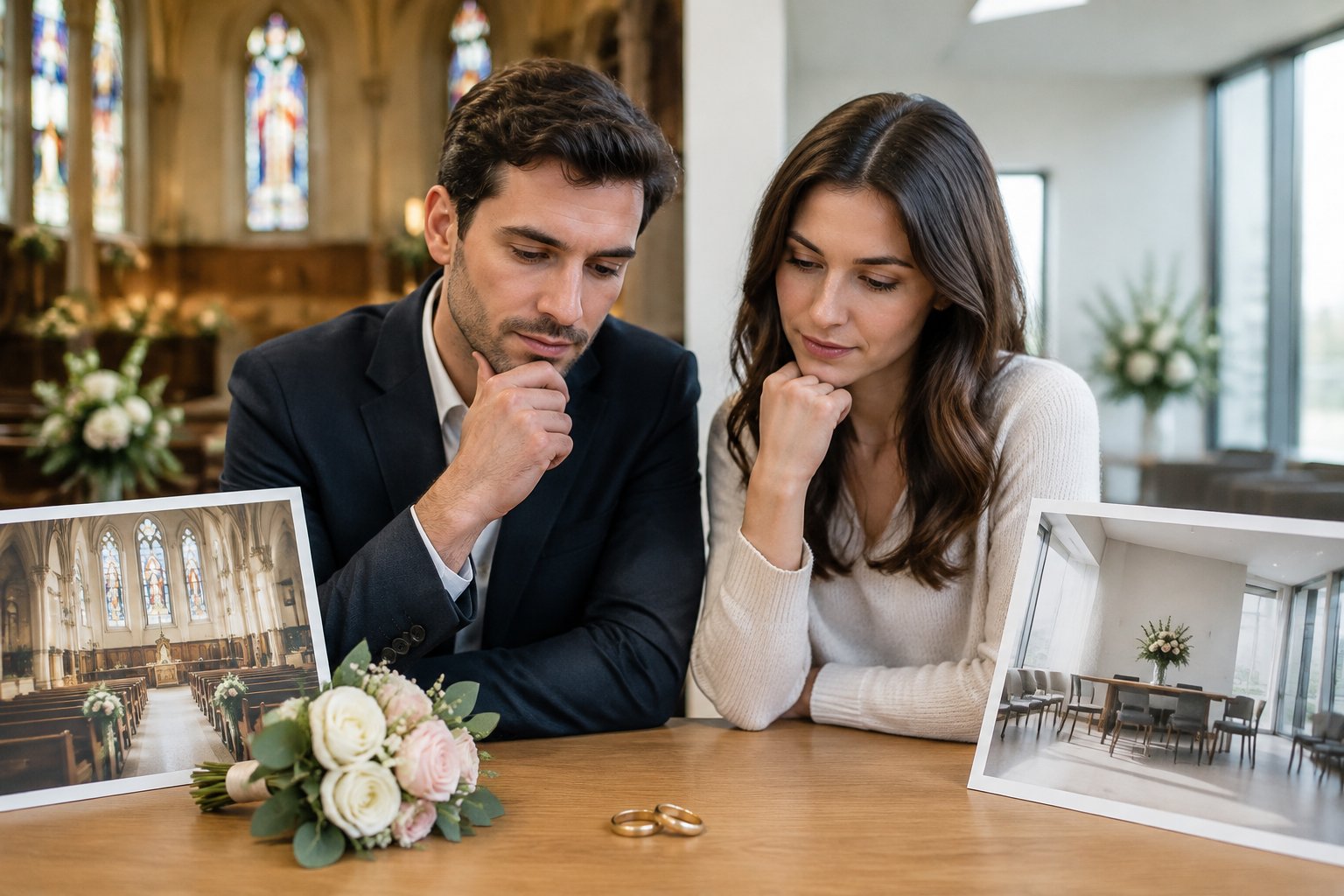
Your final cost depends on local fees, the church’s policies, and the celebration you plan afterward. Ask each venue for an itemized quote, including required fees and optional services, before you set your wedding budget.
Which Option Usually Costs Less?
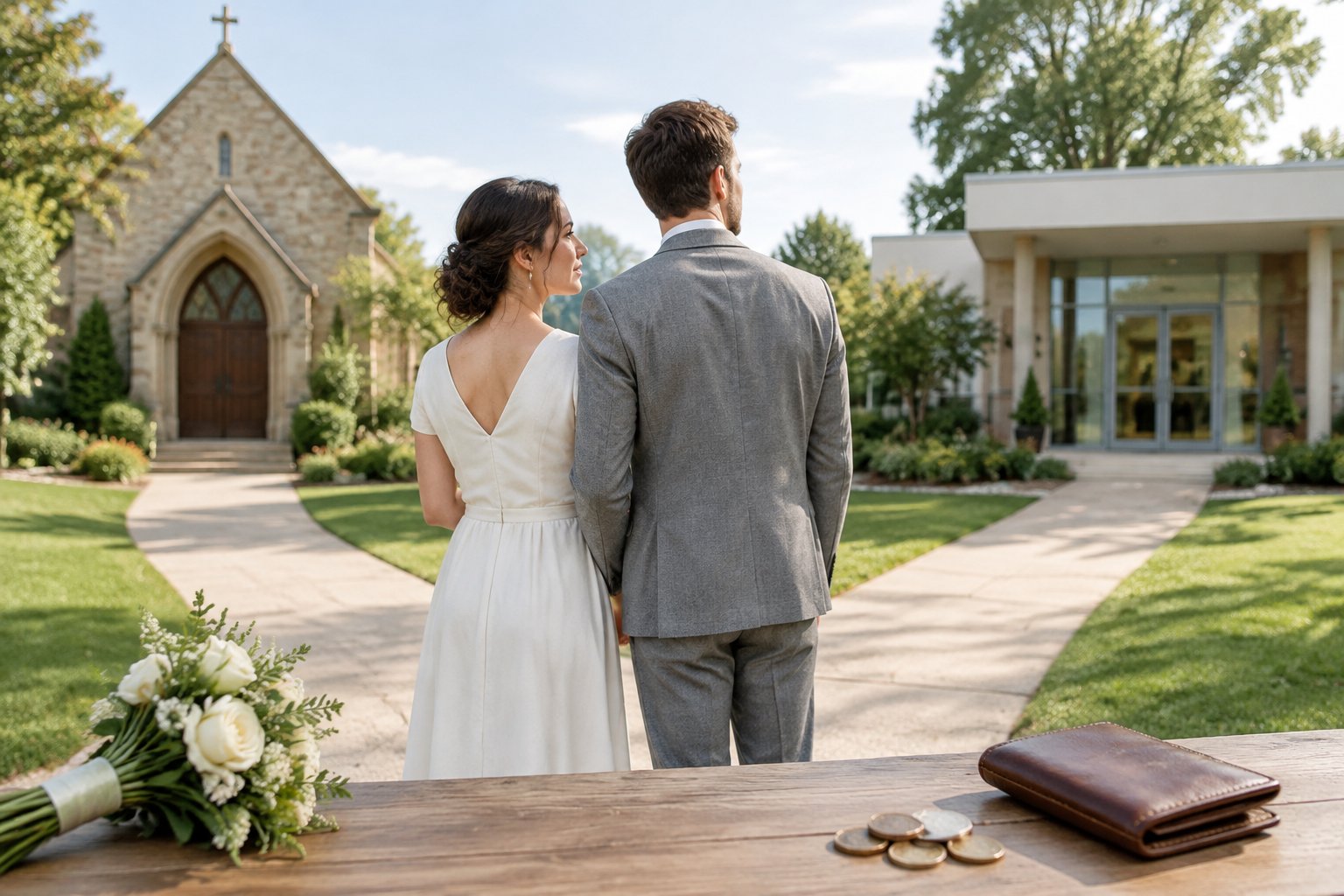
A courthouse or county clerk ceremony usually has the lower ceremony cost, while a church wedding can cost more once facility and service fees are included. In the U.S., local governments set civil ceremony and license fees, and churches set their own policies.
The estimates below are starting points, so check current prices in your area.
| Cost factor | Church wedding | Courthouse or clerk ceremony |
|---|---|---|
| Ceremony or space fee | $0 to $2,000 or more | Often $0 to $100 |
| Marriage license | State or county fee | State or county fee |
| Music or staff | May cost extra | Usually limited |
| Guest capacity | Depends on church | Often limited |
What Do You Pay for a Church Ceremony?
A church may ask you to pay a facility fee, make a suggested donation, or cover specific services. Costs range from no charge at some congregations to $2,000 or more at some churches, depending on location, membership, and what the fee includes.
Ask whether the quote covers the officiant, rehearsal time, cleaning, and basic setup. Music, a church musician, or extra staff might be billed separately.
Get the details in writing so you can compare the church wedding costs with a civil ceremony on equal terms.
What Are Typical Registry Office Wedding Costs?
In the U.S., a registry office wedding usually means a civil ceremony at a courthouse or government office. The ceremony fee is often modest, with estimates ranging from free to about $100, while your marriage license is a separate charge that varies by state and county.
Check whether you need an appointment and whether the fee changes for a larger room or a weekend date. A UK registry office follows a different system, so UK prices don’t apply to U.S. couples.
What Extra Costs Should You Include?

Your wedding costs include more than the ceremony fee: the guest list, venue plans, and add-on services can change the total quickly. List required expenses separately from optional choices, then leave room in your wedding budget for fees you confirm later.
Which Church Wedding Extras Can Raise the Price?
A church ceremony may come with added costs for music, flowers, setup, cleaning, or premarital preparation. Ask which services are required and which you can choose.
If you want a musician or decorations, find out whether the church has rules about providers, candles, or how the space can be arranged. You may also need a separate wedding venue for your reception.
A church ceremony fee might be lower than a hotel or event space rental, while a second venue adds another bill and travel time for guests.
What Might a Registry Office Celebration Add to the Bill?
A low-cost civil ceremony can still lead to a larger celebration bill. You might pay for a restaurant meal, outfits, flowers, photos, transportation, or a private room for guests.
Each item is optional, so choose the parts that suit your plans. If you want a small celebration, set a guest limit before you book a restaurant or other space.
A smaller group can make it easier to keep food and venue expenses within your budget. For planning a compact event, use ideas for a budget-friendly small wedding.
How Do the Legal Steps Differ?
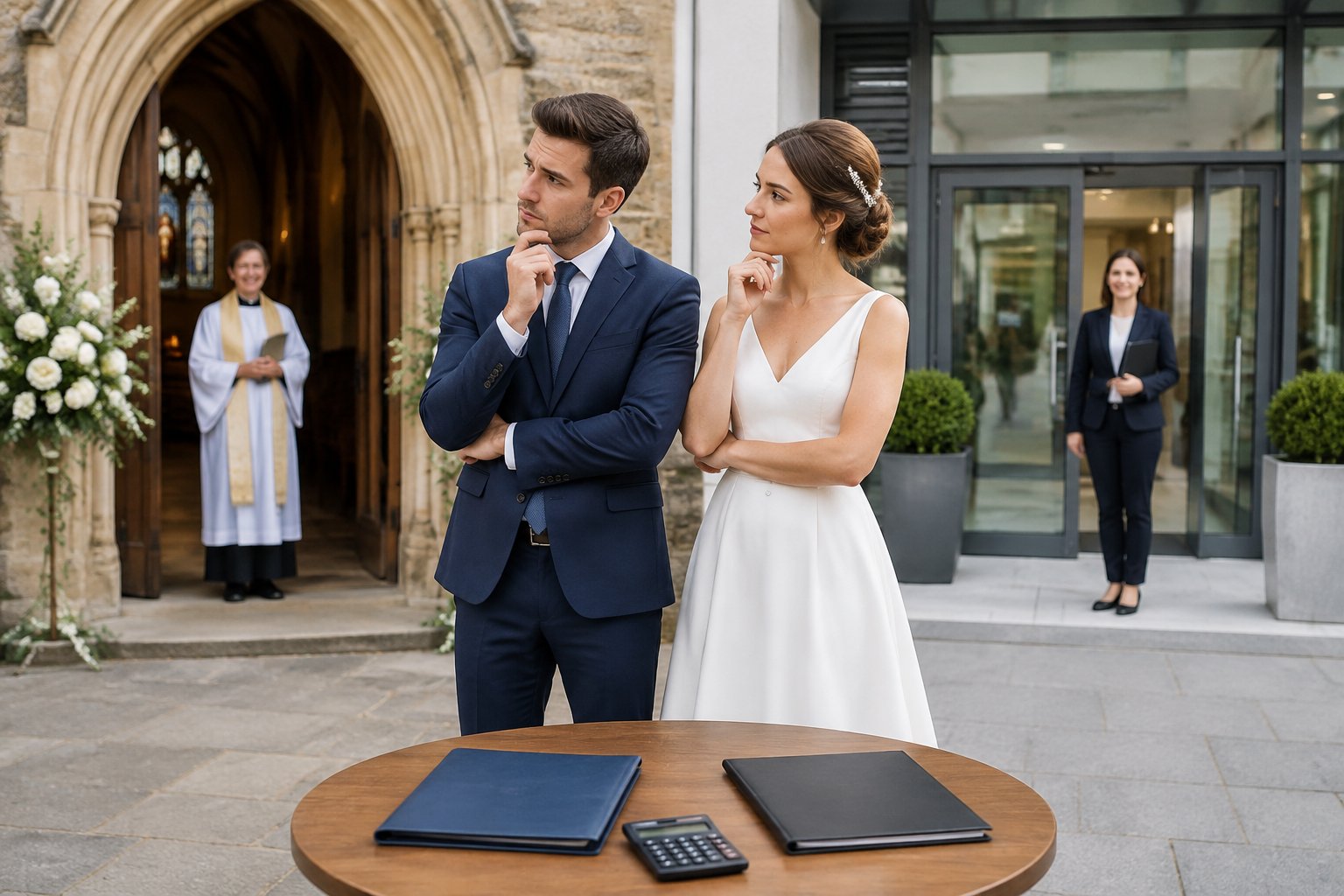
The legal process in the U.S. centers on a valid marriage license and an authorized officiant, whether you choose a church or civil ceremony. State and county rules set the application steps, waiting periods, witness requirements, and filing deadlines.
What Paperwork Do You Need for a Civil Ceremony?
You’ll apply for a marriage license through the office named by your state or county. You and your partner may need government-issued identification, and some locations ask for details about prior marriages.
Check the local rules for application fees, waiting periods, and how long the license remains valid. At the ceremony, an authorized officiant completes the required parts of the license, and witnesses sign if your state requires them.
A church officiant may also be authorized to perform a legally binding marriage. Review what the legal part of a wedding ceremony involves before you book.
When Do You Receive Your Marriage Certificate?
After the ceremony, the officiant or couple must return the completed license according to local rules. The county or state records the marriage, then makes certified copies available through its vital records office.
Processing times and copy fees vary by location. Ask the clerk when you can order a certified marriage certificate and how to request one.
You may need certified copies for tasks such as changing your name or updating records.
How Do Ceremony Style and Requirements Compare?
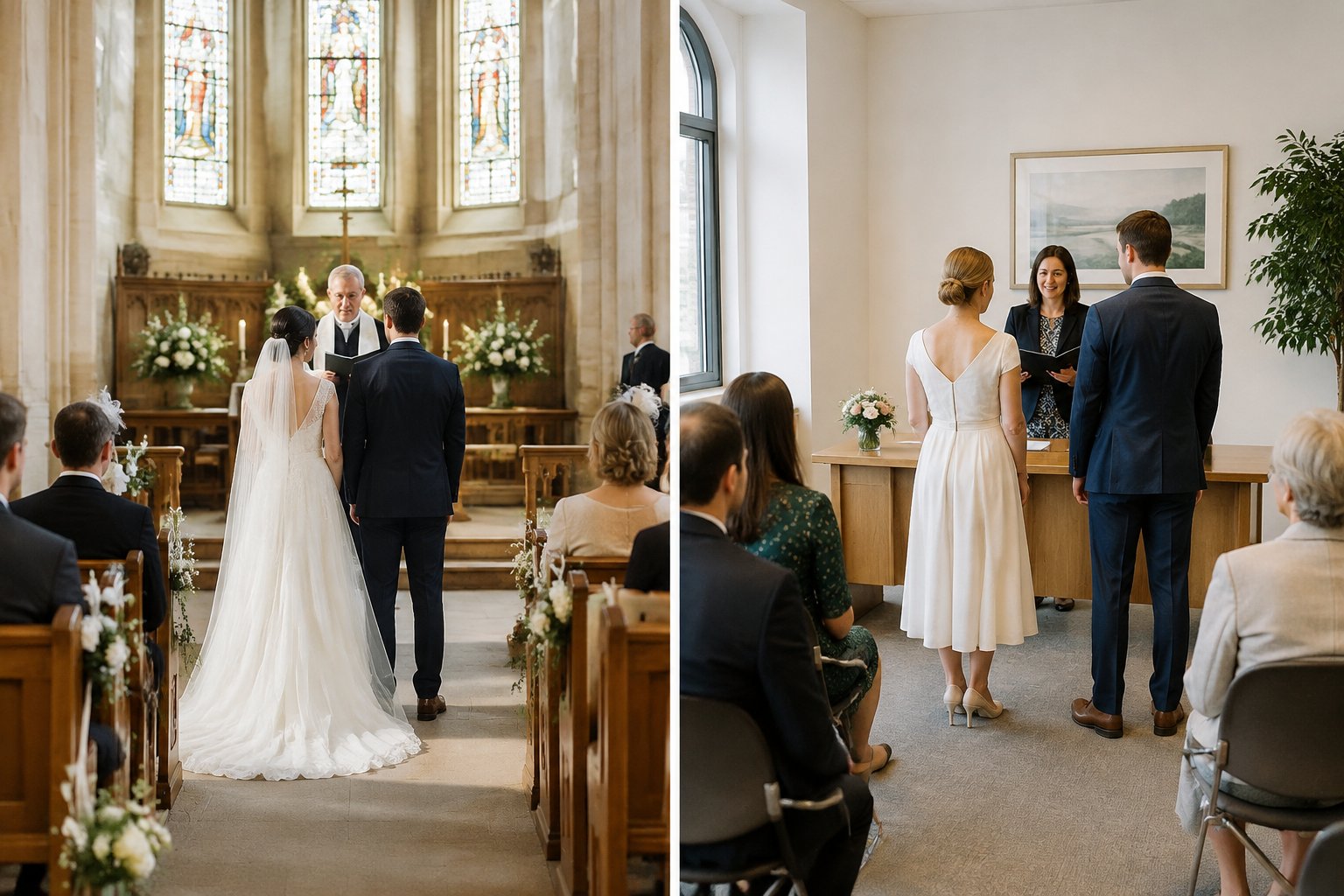
A church wedding ceremony follows the traditions and policies of a faith community, while a civil ceremony focuses on the legal marriage and local rules. Your preferred setting, ceremony format, and any religious requirements can shape how much preparation you need.
What Should You Know About a Church Wedding Ceremony?
A church wedding gives you a faith-based setting and a ceremony led by clergy. The church may set rules for readings, music, decorations, and who can officiate.
Ask about these details early, especially if you want a particular date or plan to invite an officiant from outside the congregation. A civil ceremony can be brief and formal, or personalized within the officiant’s rules.
You can ask about the available room, guest limit, and whether you can include readings or personal vows before you reserve a date.
What Extra Preparation Can a Catholic Church Wedding Require?
A Catholic church wedding may involve meetings with a priest, marriage preparation, and documents such as baptismal records. Requirements can vary by parish and diocese, so contact the parish office early and ask what applies to you.
If either of you has been married before, ask the parish how that affects your plans. Confirm the timeline and any fees before you book a reception venue or make nonrefundable arrangements.
How Can You Choose the Right Fit for Your Budget?
Your best choice is the ceremony that fits your spending limit and the kind of wedding you want to have. Compare the total cost of the ceremony and celebration, then decide which expenses you’re willing to prioritize.
How Can Wedding Planning Keep Costs Under Control?
Start with a budget based on the amount you can comfortably spend. Get written quotes for the ceremony, license, music, and any venue rental, then separate required costs from optional add-ons.
A realistic wedding budget helps you set limits before you commit to vendors. Ask about weekday appointments or less popular dates if your schedule allows.
A weekday wedding date may have lower fees at some venues, though you’ll need to confirm each provider’s rates. Keep a small reserve for certified copies, travel, or other local charges.
When Might a Separate Reception Venue Make Sense?
A separate reception venue makes sense when you want more space, a longer celebration, or a setting that suits your plans. A registry office wedding can keep the legal ceremony simple, while a restaurant or event space gives you room to host guests afterward.
Compare the cost of one venue that includes both ceremony and reception with the combined price of a church or courthouse ceremony and a separate celebration space. Include travel between locations and any rental or food minimums in your estimate before you make a decision.