
Is It Cheaper to Get Married in a Registry Office? Exploring the Costs and Benefits
Getting married is a special occasion that often comes with a hefty price tag, especially if you’re planning a traditional wedding. Many couples are now considering more budget-friendly options to tie the knot. Getting married in a registry office is usually much cheaper than having a traditional wedding ceremony.
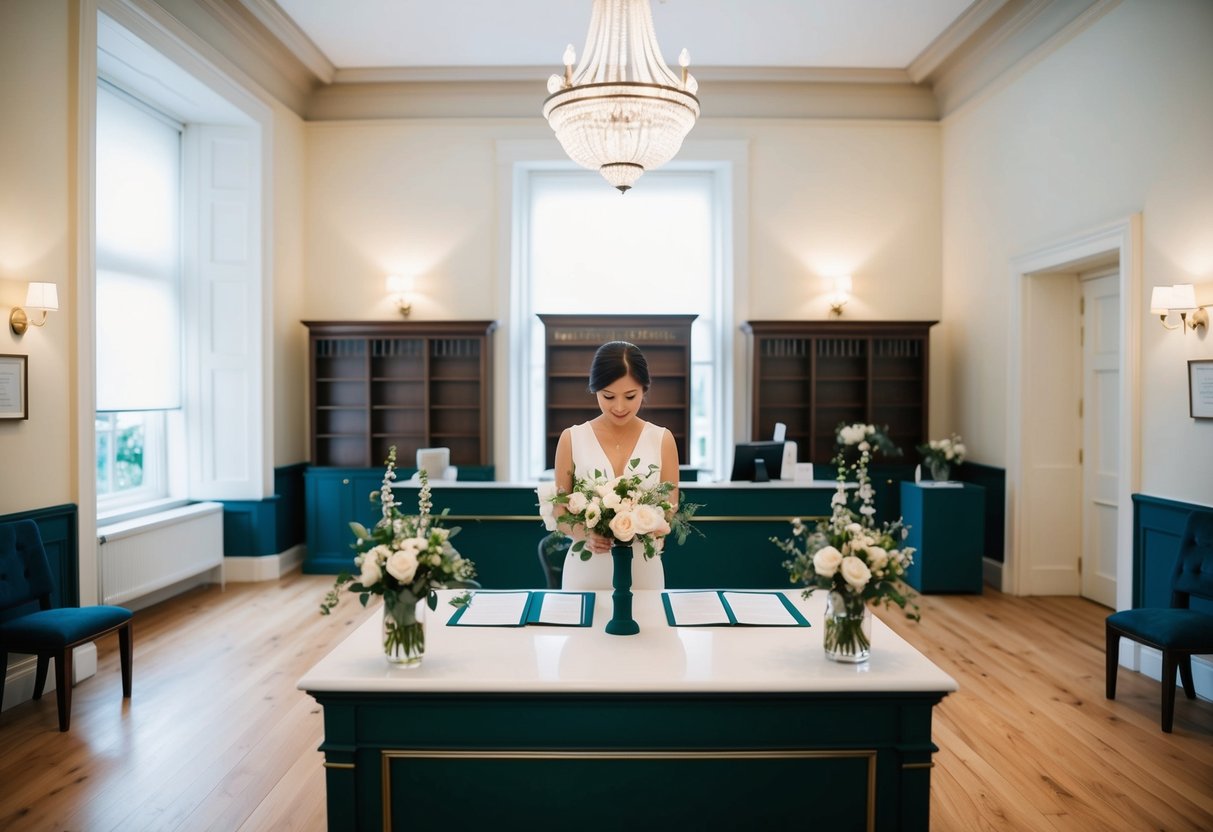
A registry office wedding allows you to say “I do” without the stress of high costs associated with venues and elaborate receptions. You can save money on both the ceremony and any extras, like additional guests or services.
This simpler option fits well into your wedding budget while still providing a beautiful experience to celebrate your love.
If you’re curious about cutting down wedding expenses, a registry office could be the perfect choice for you. Understanding the factors that affect the cost can help you decide if this is the way to go for your big day.
From location to additional fees, every detail matters in making your wedding both memorable and affordable.
Understanding Registry Office Weddings

Registry office weddings are often seen as a practical choice for couples who wish to avoid the high costs of traditional ceremonies. They provide a simple and straightforward way to get married, while still being meaningful.
What Is a Registry Office Ceremony?
A registry office ceremony is a civil wedding held in a designated location, often a government building. These ceremonies are usually shorter than traditional weddings and focus on the legal aspects of marriage.
The setting can vary from a simple room to a more elegant space, depending on the registry office you choose.
You can invite a few guests, such as close friends and family, to witness your vows. The ceremony is typically secular, which means it doesn’t include religious elements.
Comparing Registry Office to Traditional Venues
When comparing registry office weddings to traditional venues, cost is often a major factor. A registry office wedding can be significantly cheaper—sometimes up to 89% less expensive than venues like castles or hotels.
Additionally, registry office weddings are generally easier to organize. You won’t need to plan extensive decorations or catering.
This makes for a less stressful preparation process.
However, traditional venues can offer more personalization options, such as themed decorations and religious ceremonies. It’s important to consider what matters most to you on your special day.
Legal Requirements and Documentation
Getting married in a registry office still requires specific legal steps. You’ll need to provide documents such as your passports and proof of identity.
You also have to give notice of your marriage at your local registry office ahead of time. This usually involves filling out a form and paying a fee.
The documents ensure that you’re legally allowed to marry. After the ceremony, you will receive a marriage certificate, which is crucial for legal matters in the future. Make sure to keep it safe!
Understanding these requirements will help you prepare for a smooth and successful wedding day.
Planning Your Registry Office Wedding

Planning your registry office wedding involves several important steps, including giving notice, choosing the right venue, and adding your personal touch to the day. Each of these details will help ensure your ceremony reflects your style and preferences.
Notice Period and Giving Notice
Before you can tie the knot, you must give notice of your marriage at your local registry office. This step is essential and must be done at least 28 days before your ceremony.
You’ll need to bring identification, like a passport or a driver’s license, and proof of your address.
It’s wise to check your local registry office’s specific requirements, as they can vary. When you give notice, you will receive a certificate that is valid for 12 months, so make sure to plan accordingly. This is your opportunity to confirm the date and time of your ceremony, ensuring everything is in place for your special day.
Venue Choice and Decorations
Choosing your registry office is a key part of your planning. Popular options, like Chelsea Old Town Hall, offer beautiful ceremony rooms that can enhance your experience.
You might want to consider the overall atmosphere and aesthetics of the chosen venue.
After securing your venue, it’s time to think about decorations. Simple yet elegant flower decorations can brighten the space and add a personal touch.
Consider your favorite flowers and any specific colors that match your theme. You might also want to think about the music you’d like to play during the ceremony. Soft background music can create a warm atmosphere while you exchange vows.
Incorporating Personal Touches
Your registry office wedding can reflect who you are as a couple. Think about incorporating personal touches that mean a lot to you both.
You can include meaningful readings during the ceremony to express your feelings.
Additionally, consider writing your own vows to share with each other. This can make the ceremony more intimate and memorable. You may also want to include a special song that holds significance in your relationship. These thoughtful additions make your wedding feel unique and personal.
Financial Considerations

When planning your wedding, understanding the financial side is crucial. It helps you make informed choices and stick to a budget. Let’s break down the costs involved, budgeting tips, and other expenses you might encounter.
Understanding the Costs Involved
The average cost for a registry office wedding is much lower than a traditional ceremony. Prices usually start at around £200 for the venue rental. This is a significant saving compared to churches or hotels, which can be pricey.
You may also need to factor in additional costs like the marriage license, which can vary by location. It’s important to look into these fees ahead of time.
The overall savings could allow you to allocate funds for a nice dinner or photo session. This way, you can make your special day memorable without overspending.
Budgeting for Your Wedding Day
To keep your wedding day within budget, create a list of all potential expenses. This includes your registry office fees, photographer costs, wedding dress, and dinner arrangements. Be specific about your priorities.
Consider setting a budget for each category. For instance, you might allocate £500 for your dress and £400 for a photographer. Keep track of both fixed and variable expenses to avoid surprises later.
Also, think about your guest list. A smaller wedding means lower overall costs. Every guest adds to expenses like food and drinks, so trimming that list can help manage your budget better.
Additional Expenses to Consider
Beyond the main costs, there are extra expenses you should keep in mind. If you want a photographer, set aside at least £300 to £700 for quality service.
Don’t forget about attire, decorations, and any entertainment you might want. If you plan a reception, catering can significantly increase your costs.
Some couples also choose to invest in wedding favors or a cake, which can add to your total. Always review your list and prioritize what matters most to you. Planning for these expenses will help you stay financially healthy while celebrating your big day.
After the Wedding
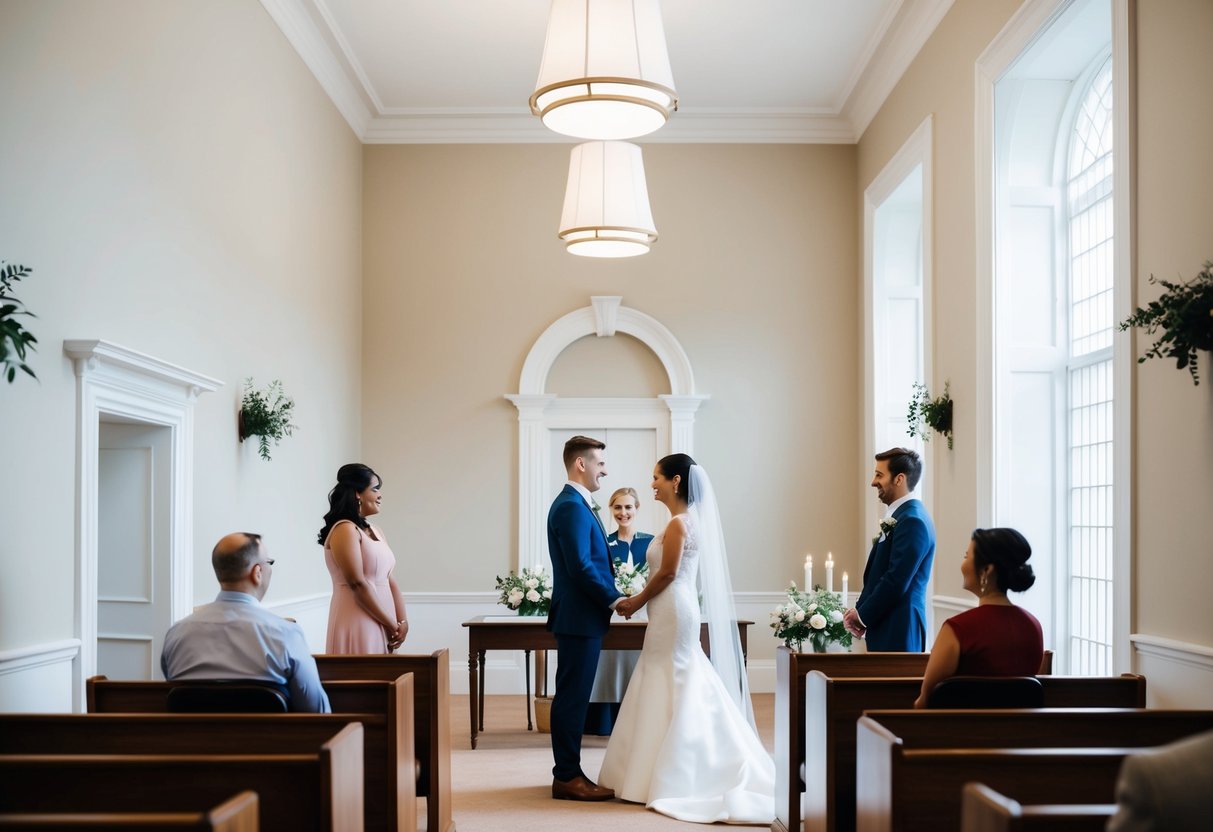
Once you’ve tied the knot at a registry office, there are important steps to take regarding your official marriage documents and updating your legal and personal records. Taking care of these details ensures everything is in order as you begin this new chapter.
Official Marriage Documents
After your registry office wedding, you will receive your marriage certificate. This important document proves your marital status and is usually available for collection a few weeks after your ceremony.
To obtain it, check with your local registry office. You may need to provide some identification and pay a small fee. Be sure to keep extra copies in a safe place, as you will need them when updating legal documents.
If you ever need to prove your marriage, whether for legal or personal reasons, your marriage certificate is essential. Keep in mind that in the UK, you can often request a copy of your marriage certificate through the UK government website.
Updating Legal and Personal Documents
Once you have your marriage certificate, you may want to consider any name changes. If you choose to change your last name, you will need to update various legal documents.
Start by informing your bank, employer, and government agencies about your new name.
You might also need to update your driving license, passport, and Social Security records. This process can help you avoid any confusion in the future.
Alongside your marriage certificate, you may need to provide additional documents, such as a death certificate if applicable.
For more information on how to update these documents, visit your local council or the UK government website. Keeping your records accurate is essential for smooth processing in legal matters and personal affairs.