
Is It Cheaper to Make Your Own Centerpieces? A Guide to Cost-Effective DIY Options
When planning your wedding, every detail counts, and centerpieces can make a big impact. Making your own centerpieces can be cheaper than buying them pre-made. By crafting your own designs, you have more control over the materials and can stick to your budget while still creating something beautiful and personal.
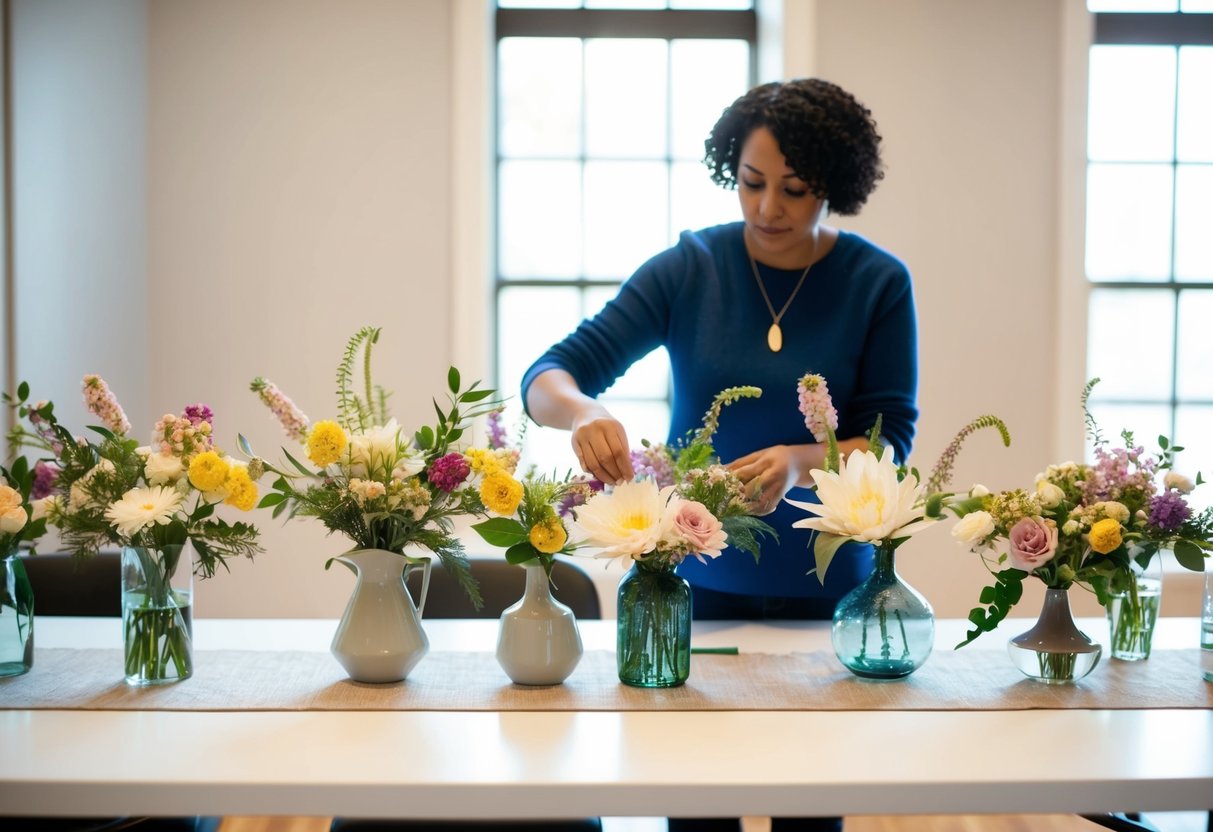
DIY wedding centerpieces not only save you money but also add a unique touch to your big day. It can be a fun project to take on with friends or family, allowing you to express your style. With a little creativity and planning, you can find various ideas that will fit your wedding theme and budget perfectly.
Exploring options for making your own centerpieces opens up a world of possibilities. Whether you prefer a rustic look or elegant florals, the choice is yours. In this article, we will guide you through the process, offering tips and inspiration to help you create stunning centerpieces that will impress your guests and keep costs down.
Assessing the Costs of DIY vs. Pre-Made Centerpieces
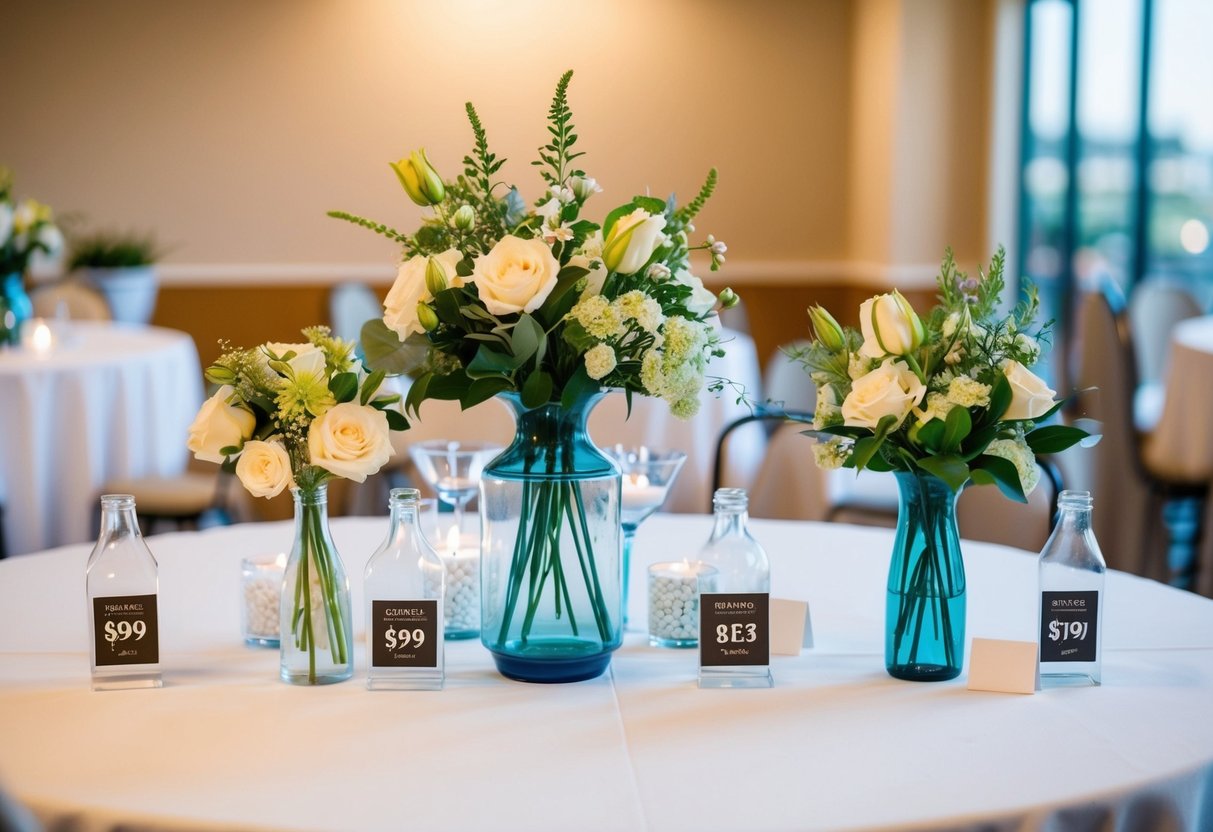
When planning your wedding, deciding between DIY and pre-made centerpieces is key. Both options come with their own costs and benefits. Understanding these can help you make the best choice for your budget and style.
Understanding the Basics of Wedding Centerpiece Costs
The cost of wedding centerpieces can vary widely, often ranging from $20 to $100 per piece. Factors that influence this price include the type of materials used, the design complexity, and the inclusion of floral elements. For example, an average cost of wedding flowers can be around $75 for a simple arrangement.
When you choose DIY centerpieces, you can often save money by using budget-friendly materials like candles, silk flowers, or items you already own. By creating your own arrangements, you have more control over expenses, allowing you to stay within your budget.
Materials and Supplies for DIY Centerpieces
If you opt for DIY centerpieces, it’s important to consider your materials and supplies. Common items include floral foam, vases, and decorative elements.
Floral foam can cost about $2 to $5 per block and helps keep flowers in place. Other materials can include cheap vases from thrift stores or repurposed household items. You might find that using candles or fairy lights can enhance your design at a low cost. The total cost will depend on your creativity and the number of centerpieces you plan to make.
The Price of Convenience: Pre-Made Centerpiece Options
Pre-made centerpieces offer the convenience of ready-made arrangements. However, they usually come with a higher price tag. Depending on the style, costs can average $50 to $150 per centerpiece.
When looking at pre-made options, consider the design and materials. Many stores offer a variety of styles, from floral arrangements to themed decorations. While this saves time, it’s important to factor these costs into your overall wedding budget.
By assessing these costs, you’ll find an option that suits your needs without overspending.
Designing Your Own Centerpieces: A Step-by-Step Guide
Creating your own centerpieces can be a delightful part of wedding planning. With careful design, you’ll enjoy unique table centerpieces that echo your wedding theme and fit your floral budget.
Choosing a Theme for Cohesion
Start by selecting a wedding theme that speaks to you. This could be rustic, elegant, beachy, or even whimsical. Your theme will guide decisions about colors, flowers, and decor.
For a rustic theme, consider using wildflowers and natural elements. An elegant affair might call for classic roses paired with lush greenery.
Choose 2-3 colors to keep everything looking coordinated. This will ensure your centerpieces complement the overall decor. You can create cohesion by using similar vases or decorative items across all tables.
Selecting Flowers and Greenery
Next, focus on choosing flowers and greenery. Think about seasonal blooms to stay within your floral budget. Seasonal flowers are often cheaper and fresher.
Popular wedding flowers include roses, peonies, and sunflowers. Pair them with greenery like eucalyptus or ferns for added texture.
Be mindful of how well your selected flowers match your chosen theme. For a tropical vibe, consider bold, colorful flowers like orchids and hibiscus. For a classic look, opt for white roses and greenery.
Don’t forget to think about the arrangement style. Tall arrangements create drama, while low ones encourage conversation.
Assembling and Arranging the Centerpieces
Now it’s time to assemble your centerpieces! Start by selecting a base for your arrangement, like a vase, wooden crate, or glass bowl.
Fill your chosen base with fresh flowers and greenery. Cut the stems at an angle to improve water absorption. Arrange the flowers in a circular pattern for a balanced look.
You can also add personal touches like candles, crystals, or decorative stones. These items can enhance your theme and make the arrangement feel special.
Finally, remember to take time to practice your arrangements ahead of the big day. This way, you’ll feel confident as you put everything together!
Balancing Elegance and Budget
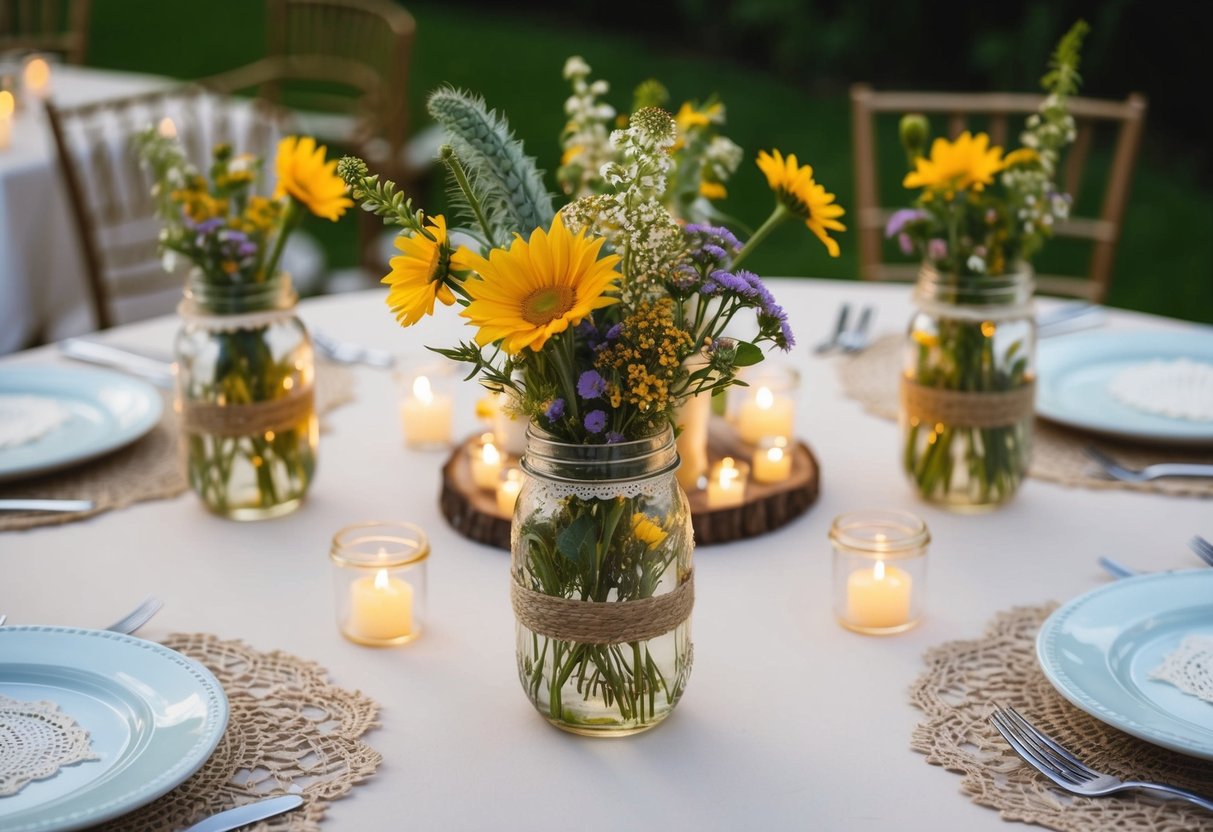
Creating stunning centerpieces for your wedding can be both elegant and budget-friendly. By mixing creativity with affordable materials, you can design pieces that look beautiful without breaking the bank.
High-Impact, Low-Cost Centerpiece Ideas
Think beyond traditional flowers for your centerpieces. Here are some ideas that offer great visual impact without high costs:
-
Candle Arrangements: Use a mix of tall and short candles. Group them in different heights for an eye-catching look. You can also add greenery or pebbles for a natural touch.
-
Upcycled Items: Old vases, jars, or wooden crates can be transformed into charming centerpieces. Paint or decorate them to match your wedding theme.
-
Seasonal Elements: Incorporate seasonal fruits or vegetables for a fresh touch. For example, use pinecones in the fall or citrus slices in the summer.
These choices can create an elegant atmosphere without the expense of floral arrangements.
Incorporating Affordable Alternatives to Flowers
While flowers add elegance, they can also add to your costs. Consider these alternatives to keep your centerpieces beautiful:
-
Branches and Leaves: Use decorative branches instead of bouquets. Arranging them in a vase can create a rustic yet chic vibe.
-
Paper Flowers: Craft paper flowers that match your wedding colors. They are cost-effective and can be made in advance.
-
Feathers and Fabrics: Incorporate elements like feathers or beautifully draped fabric to enhance your tablescapes. They add texture and can match your bridal and bridesmaid bouquets.
These ideas help you maintain an elegant feel while staying within your budget for the wedding decor.
The Role of Centerpieces in Overall Wedding Décor
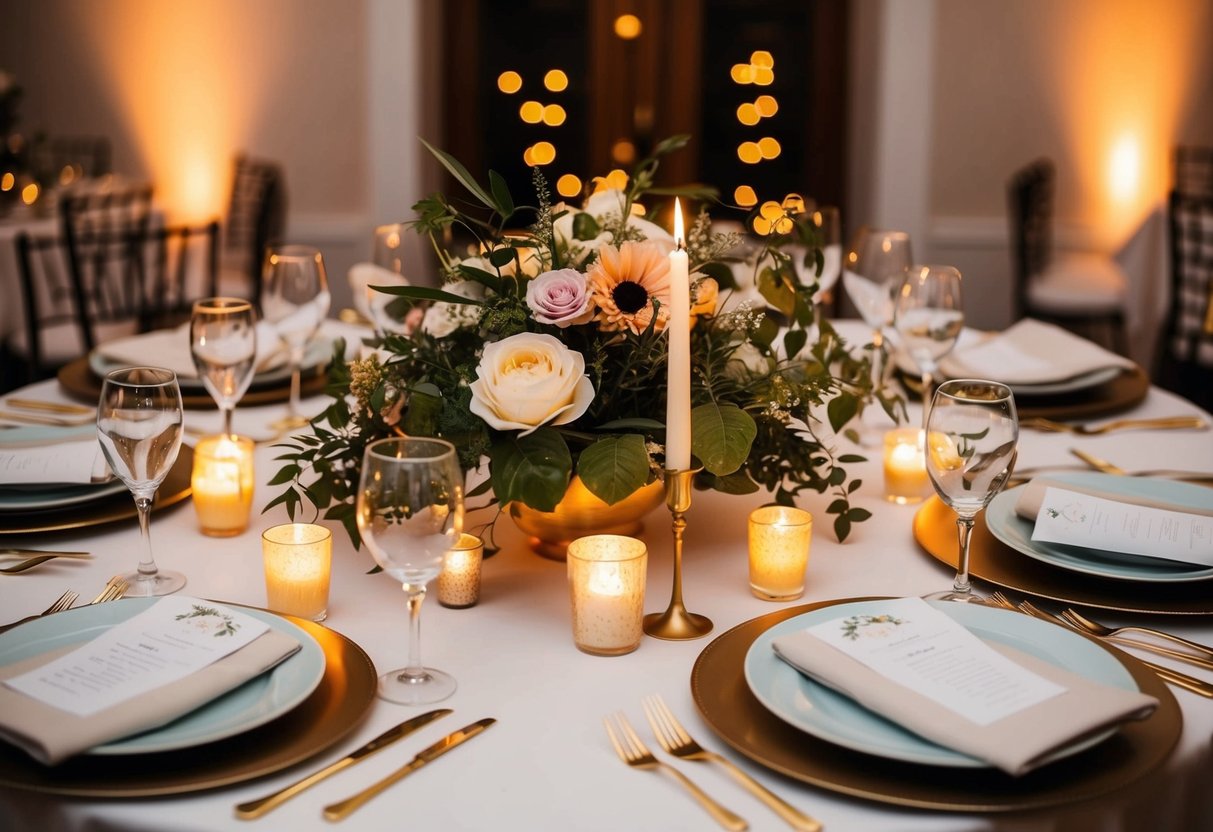
Centerpieces are a key part of your wedding décor. They not only draw attention to the tables but also help tie together the theme of your wedding. A well-chosen centerpiece enhances the setting and complements other decorations.
Centerpiece Integration with Wedding Venue and Table Decorations
When selecting centerpieces, consider your wedding venue. For example, a garden venue pairs beautifully with floral arrangements, while an industrial setting might benefit from tall centerpieces made of metals or glass.
Think about the colors and styles of your table decorations, too. Your centerpieces should reflect the overall theme. If your tables have crisp white linens, consider colorful flowers or bold metallics for contrast.
Additionally, height matters. Tall centerpieces can create an elegant look and draw the eye upwards, adding dimension to your space. Ensure your choices do not obstruct guest views; this keeps conversations flowing.
Calculating Decoration Quantities and Impact on Venue Aesthetics
Calculating how many centerpieces you need helps you budget effectively and ensures balance across your venue. The usual guideline is to have one centerpiece per table.
If you have round tables, use the same type for each table for a cohesive look. Consider mixing in different styles.
For instance, you might have half tall centerpieces and half shorter ones. This creates visual interest while playing with height.
Be mindful of the cost of wedding decorations, which can vary widely. Budget-friendly options include DIY projects or renting decorations.
Using various materials can cut costs without sacrificing style, so explore creative solutions. For example, use candles or seasonal flowers to complement your centerpieces.