
Is It Cheaper to Make Your Own Wedding Flowers? A Cost-Effective Guide for Brides
Making your own wedding flowers can be a fun and rewarding experience. In many cases, choosing the DIY route for your floral designs can save you a significant amount of money. With careful planning and a bit of creativity, your wedding day can feature beautiful arrangements without breaking the bank.
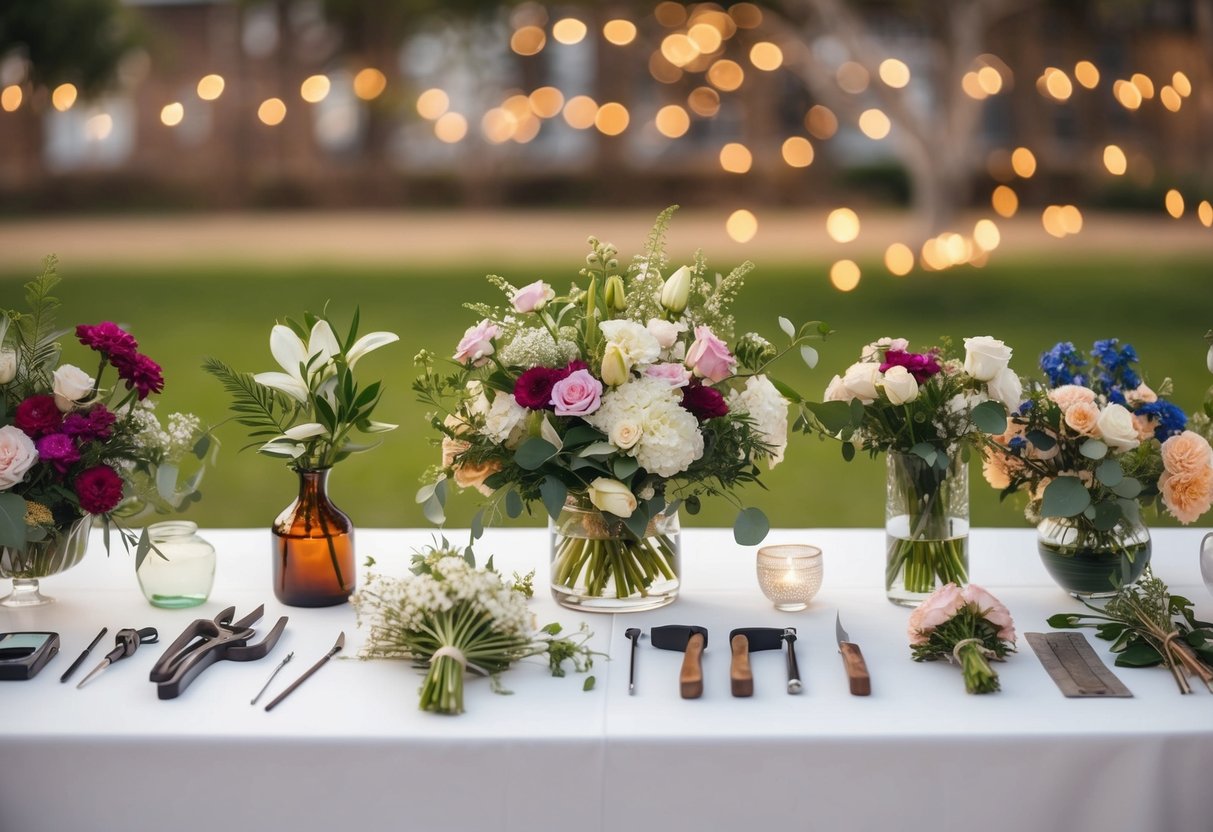
By opting for DIY wedding flowers, you have the freedom to choose the exact blooms you love. You can plan your flower choices according to your budget, which means you won’t have to pay the premium prices that typically come with hiring a florist. Plus, creating your own bouquets and centerpieces adds a personal touch that reflects your unique style.
As you weigh your options, consider factors like time, availability of flowers, and your comfort level with floral design. With some research and preparation, you can create stunning arrangements that will make your special day even more memorable.
Understanding the Basics of DIY Wedding Flowers
Creating your own wedding flowers can be a rewarding experience. It’s essential to grasp the costs involved, choose the right blooms, and gather the necessary supplies to make your floral vision come to life.
Assessing the True Cost of Flowers
When planning your DIY wedding flowers, the first step is to assess the true cost involved. Average costs of wedding flowers can vary significantly based on location and flower types. Prices can range from $1 to $10 per stem, depending on the flower market and seasonality.
In-season flowers tend to be more affordable than out-of-season options. For example, sunflowers are generally cheaper in summer, while peonies can be pricey outside of their short blooming season.
Budgeting is crucial. Keep a flower budget chart to track all expenses like flower purchases, delivery, and any extra supplies you might need. Be sure to include costs for things like floral tape, floral foam, and flower food to keep your arrangements looking fresh.
Choosing the Right Flowers
Choosing the right flowers can make a big difference in both your budget and your wedding’s overall look. Start by selecting seasonal flowers which are typically more affordable and easier to find. You might love roses or tulips, but if they are out of season, they can be very costly.
Consider mixing affordable blooms with a few statement flowers to create stunning arrangements without breaking the bank. For instance, fill your bouquets with fillers like daisies or wildflowers, then add a couple of peonies for that wow factor.
Don’t overlook local flower markets—they often offer great prices and help you support local growers. Make a list of your must-have flowers and a few substitutes in case some are unavailable or too expensive.
Floral Supplies You’ll Need
Gathering the right supplies is essential for making your DIY wedding flowers successful. Here’s a quick list of what you’ll need:
- Floral tape: Useful for securing stems and creating bouquets.
- Floral foam: Helps keep arrangements stable and hydrated.
- Flower food: Keeps blooms fresh longer.
- Scissors or a sharp knife: For cutting stems properly.
- Vases or containers: Select containers that match your theme and color scheme.
Before the big day, set aside time to prep your flowers, hydrate them, and create your arrangements. This will help ensure that everything looks beautiful and lasts through your celebration.
Creating Your Floral Arrangements
Creating your own floral arrangements can be a rewarding experience. You’ll be crafting everything from your bridal bouquet to centerpieces. Let’s explore the key steps to help you make beautiful arrangements that enhance your special day.
Designing Your Bridal Bouquet
Start by choosing flowers that match your wedding theme. Popular choices include roses, peonies, and lilies. These flowers can add elegance and color to your bouquet.
Consider the shape you want. A round bouquet is classic, while a cascading design adds drama. Use a mix of sizes for visual interest.
Don’t forget greenery! Eucalyptus and ferns can add texture. Wrap the stems with a ribbon that matches your dress for a polished finish. This can make your DIY bouquet feel special and cohesive.
Making Bridesmaid Bouquets
When crafting bridesmaid bouquets, keep their style in mind. You want their bouquets to complement yours without being identical.
Select smaller blooms or fewer flowers to keep costs down. For example, use a mix of gardenias and daisies. This allows for personalized touches while remaining budget-friendly.
Make sure the size is manageable for your bridesmaids. You want them to carry their bouquets comfortably.
Consider adding a special touch, like a note or a small charm, that reflects each bridesmaid’s personality.
Assembling Boutonnieres and Centerpieces
Boutonnieres are simple to make. Use a single flower, such as a rose or a small twig. Secure it with floral tape and finish with a ribbon.
For centerpieces, you can create a variety of styles. Consider using mason jars, vases, or even wooden boxes. Fill them with seasonal flowers and greenery for freshness.
Mix different heights and arrangements to create visual variety on your tables. Remember to account for your guests when arranging centerpieces; they should be low enough to facilitate conversation.
Conducting a Trial Run
A trial run is essential. Gather all your flowers and supplies a few weeks before the wedding. This gives you a chance to practice your arrangements.
Start with your bridal bouquet, then move to the bridesmaids’ bouquets, and finally, consider centerpieces.
Take notes during this process. If certain flowers don’t work well together, you can adjust your plan. Keep your designs and styles consistent as you go.
Doing a trial run helps you feel confident and organized. It ensures you’re ready for the big day!
Comparing Costs: DIY vs. Hiring a Florist
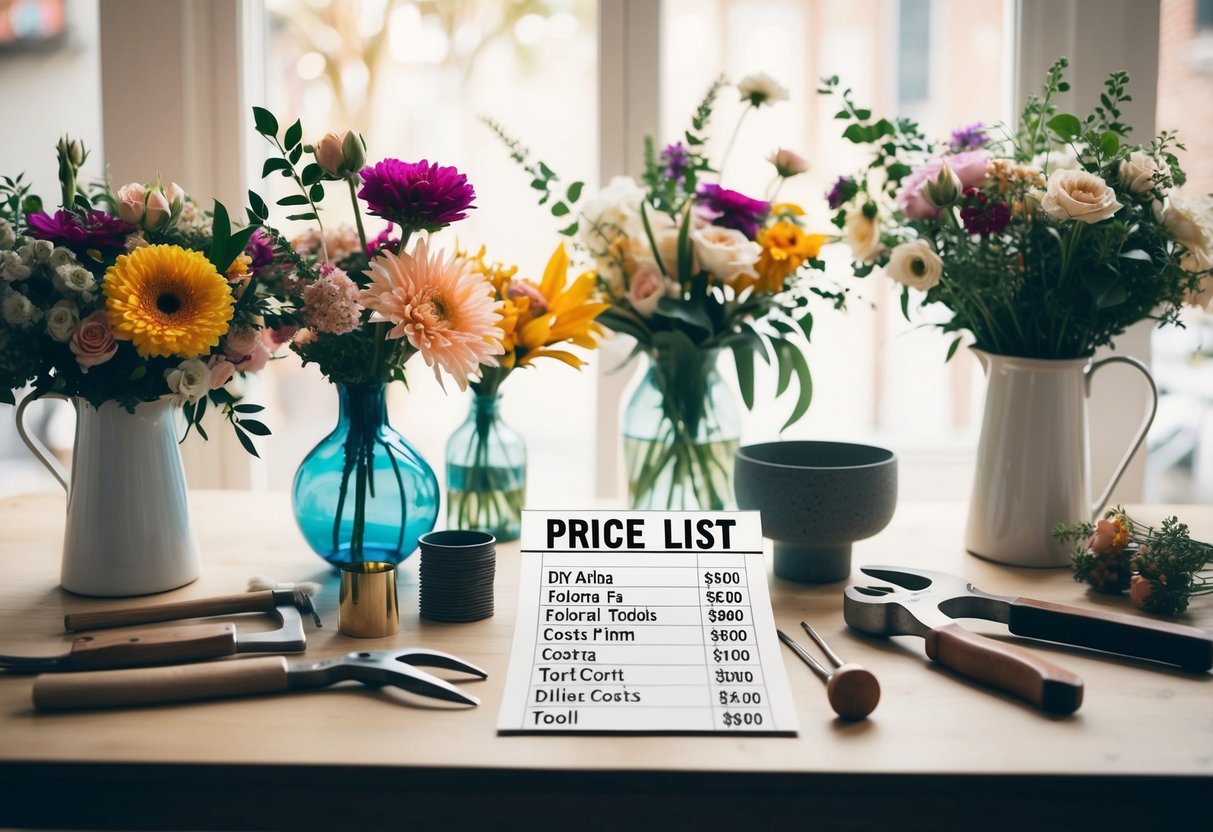
When planning your wedding, cost is often a big factor. You might wonder whether it’s cheaper to create your own wedding flowers or to hire a professional florist. Each choice has its own costs that you should carefully consider.
Calculating DIY Flower Expenses
Creating your own wedding flowers can seem like a great way to save money. Start by estimating the cost of flowers needed for your arrangements. Wholesale flowers can be a cost-effective option, often priced significantly lower than retail.
Here are some expenses to think about:
- Flowers: You’ll need to determine the types and quantities of flowers for bouquets and centerpieces.
- Supplies: Vases, floral foam, tape, and tools add to the cost.
- Labor: Consider the value of your time and any help from friends or family.
DIYing can potentially lower your flower budget, but be aware it can be time-consuming. A lack of experience might lead to increased stress on your big day.
Professional Florist Prices
Hiring a wedding florist can offer a more predictable pricing model. An established florist brings expertise, ensuring quality arrangements. Here’s what to expect:
- Package Deals: Many florists provide options that include bouquets, centerpieces, and other decor.
- Average Costs: Typical prices for wedding florists range from $1,500 to $3,500 for medium-sized weddings.
- Items Included: Besides flowers, you may also receive setup and delivery services.
While hiring a florist may seem pricier, it can definitely reduce your stress on the wedding day. Trusting a professional can result in stunning arrangements that enhance your celebrations.
Additional Considerations and Tips
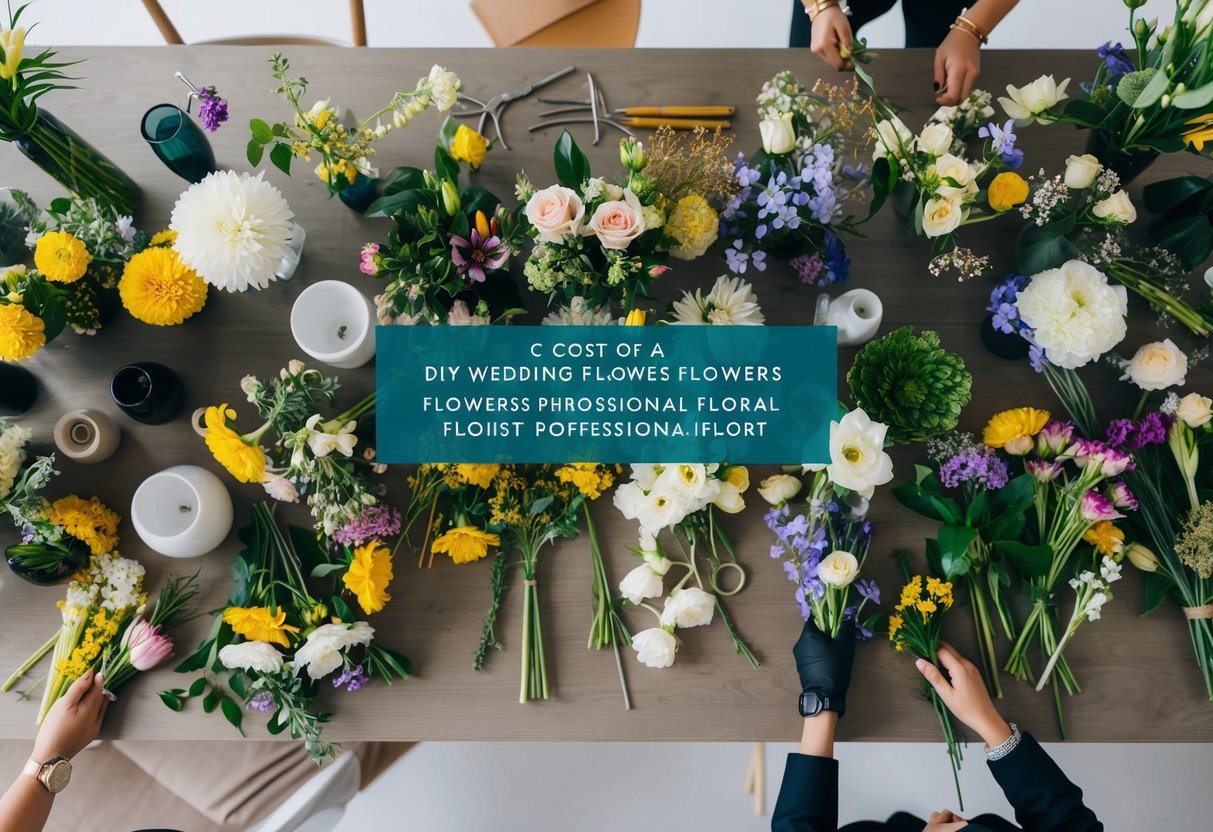
Creating your own wedding flowers can be an exciting adventure. There are several important factors to consider when making choices about flower types, themes, and resources available to you.
Opting for Fresh, Silk, or Artificial Flowers
When choosing flowers, you can select from fresh, silk, or artificial options.
Fresh flowers, like peonies and roses, add beauty and fragrance to your wedding day. However, they can be more expensive and require careful planning to ensure they last.
Silk flowers are lightweight and can be kept as mementos, but they may lack the natural look of fresh blooms.
Artificial flowers come in various styles and colors, ensuring that you can stick to your color palette. They’re also hassle-free and can be reused for events beyond the wedding day.
Choosing Flowers That Match Your Wedding Theme
Your choice of flowers should complement your wedding theme and overall color palette.
Consider how flowers interact with your decor, venue, and season. For instance, vibrant colors work well for a summer wedding while muted tones might be better for a fall or winter wedding.
Using flowers that align with your theme adds a personal touch. It’s helpful to create a mood board to visualize your ideas. Keep your guests in mind; think about what blooms they might be familiar with and appreciate.
Taking the FiftyFlowers Floral Quiz
If you feel lost in your flower choices, consider taking the FiftyFlowers Floral Quiz. This tool helps match your style and preferences to suitable blooms.
The quiz takes into account your wedding colors, theme, and the type of arrangements you envision. This can help narrow down your options, saving you time and reducing stress. It’s a fun way to explore your floral preferences while saving money on your DIY wedding flowers.