
Is It Cheaper to Make Your Own Wedding Invitations? A Fun Guide to Budget-Friendly Options
If you are planning a wedding, you might wonder about the costs involved, especially when it comes to wedding invitations. Making your own wedding invitations can save you money, but it depends on your resources and creativity. DIY wedding invitations can be a fun way to personalize your big day without breaking the bank.
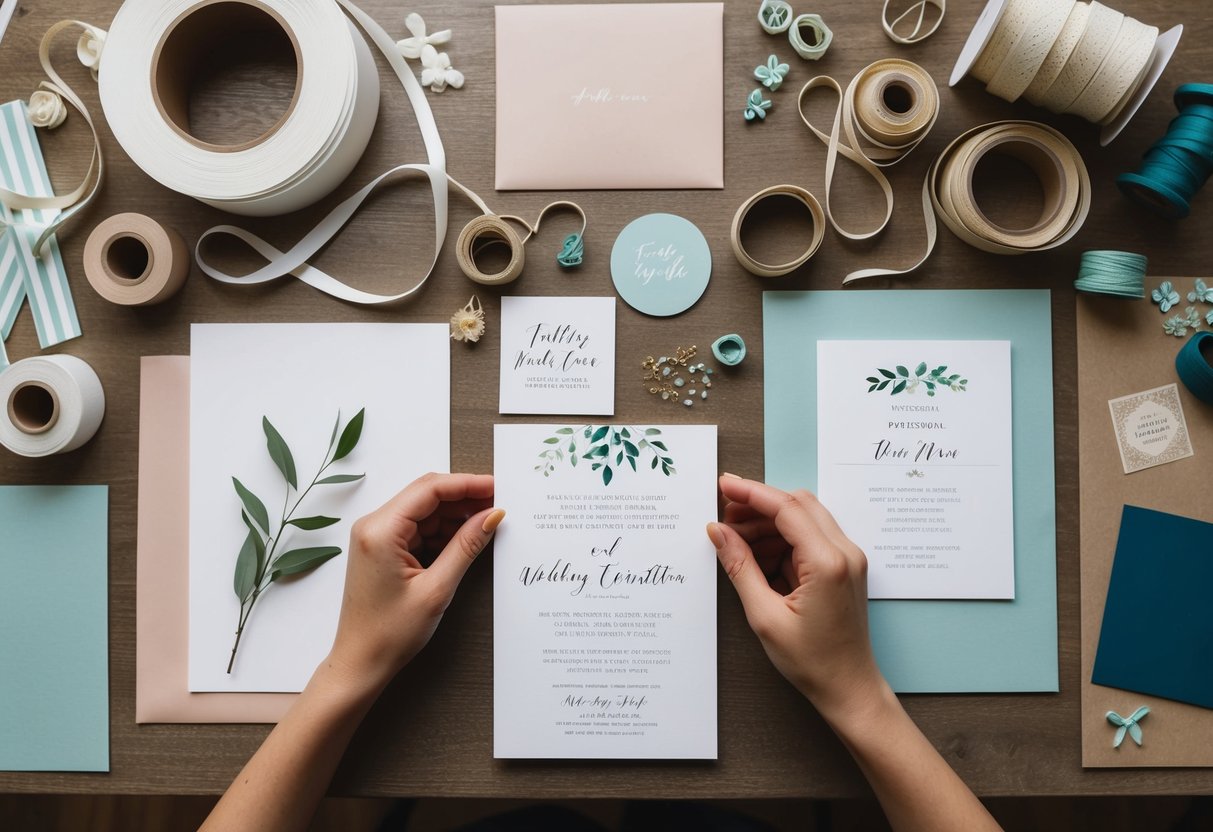
While professionally printed invitations often start at $3 each plus postage, creating your own can cut costs significantly. With some basic supplies and a bit of time, you can design invitations that reflect your style and save money at the same time.
Many couples today choose to go the DIY route for their wedding invitations as a way to express their personality and stay within budget. If you’re resourceful and ready to put in some effort, making your own wedding invitations can be a rewarding choice that enhances your special day.
Assessing the Costs of DIY Invitations

When considering DIY wedding invitations, it’s crucial to evaluate various costs involved. You’ll need to account for materials, design and personalization options, printing expenses, and even postage. Each factor plays a significant role in your overall budget and helps you determine if this approach is truly cost-effective.
Material Expenses
The first step is to look at material expenses. The average cost of wedding invitations can add up quickly if you choose high-quality items. Basic cardstock may be affordable, but if you opt for textured or specialty papers, prices can rise.
You’ll also need envelopes, which can vary widely in cost depending on size and color. To enhance your invitations, consider embellishments like ribbons, stickers, or decorative tape, which add charm but also extra cost.
Don’t forget about tools such as a paper cutter or scoring board. While these might seem like one-time purchases, they can be essential for clean cuts and professional folds. Investing in good materials can elevate your DIY projects without breaking the bank.
Design and Personalization
Next, let’s discuss design and personalization. Custom designs can make your invitations unique, but they may also increase costs. You can use design software to create your invitations. Many free or low-cost options are available that provide templates to customize easily.
Consider how much personalization you want. Adding details like guest names or special graphics can be done at home or through a professional designer. Remember that each added feature might slightly increase your costs, especially if you require specific designs and print methods like foil stamping or letterpress.
Balancing between personalized touches and budget is key. Think about which elements are most important to you.
Printing and Production
Printing and production are major factors in the total cost. You can print at home using your inkjet or laser printer, but keep in mind the costs for ink and printing supplies. If you have a large list of guests, this might lead to higher ink usage.
Another option is to visit a local print shop. They often offer various printing methods, from digital printing to specialty techniques like letterpress. Each method comes with different costs. Ask for quotes based on your invitation design and desired quantity.
Focus on the printing costs for your entire invitation suite, including RSVP cards and reception cards. This can help prevent unexpected expenses that might arise later in the process.
Postage and Handling
Lastly, consider postage and handling. While printing your own invitations can save money, don’t overlook mailing costs. Standard postage rates apply, and heavier materials or oversized envelopes may require additional postage.
Be sure to calculate the total postage costs by weighing your complete invitation suite. This includes all components—invitation, RSVP cards, and any additional cards. It’s smart to choose lightweight materials when possible.
Also, if you plan to use digital invitations, consider how that affects your costs. They generally reduce postage expenses but may lack the physical touch of traditional invites.
Comparison with Professionally Printed Invitations
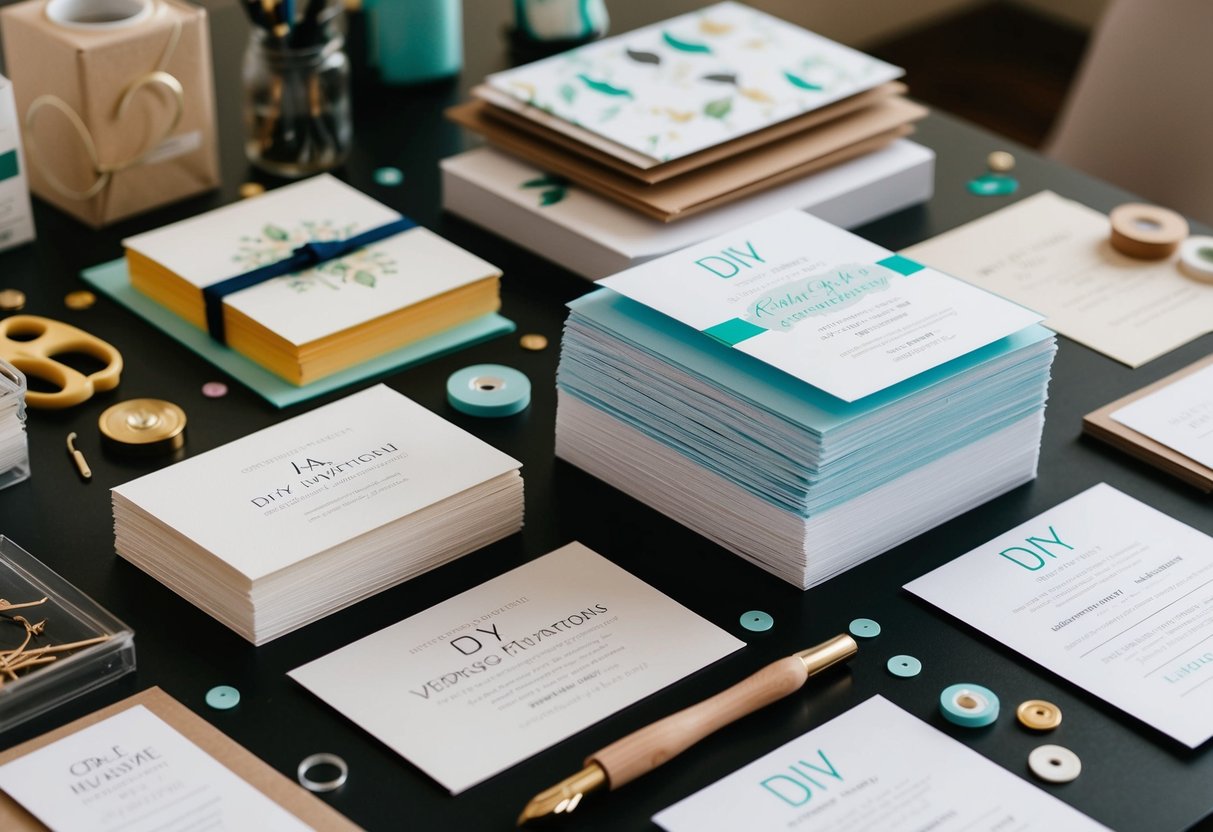
When deciding between DIY and professionally printed invitations, you’ll want to consider several important factors. These include quality, convenience, and the time you need to invest. Each option has its own benefits that can affect your wedding planning.
Quality and Expertise
Professionally printed invitations often showcase superior quality. These printers use high-quality materials and advanced techniques like embossing, ensuring your invitation suite looks polished and elegant. The designs are created by experts, which can elevate your wedding invitation design significantly.
On the other hand, DIY invitations can reflect your personal preferences and creativity. You can choose unique materials and styles that resonate with your vision. However, unless you have experience with printing and design, the finished product may not match the professional look.
Convenience versus Creativity
Choosing professionally printed invitations offers you convenience. Once you select your design, you can sit back and let the printing service handle the rest. This saves you time in the busy wedding planning process.
Conversely, making your own invitations requires effort and creativity. You gain the satisfaction of crafting something personal, but this can be time-consuming. You have to gather materials, design the layouts, and print everything yourself – which can add to your workload during the planning.
Time Investment
Time is a crucial factor in your decision. Ordering professionally printed invitations usually means a quicker turnaround. Once you approve the design, they’ll be ready for you in a matter of days or weeks.
Creating DIY wedding invitations involves a significant time commitment. You’ll need to account for designing, printing, and assembling the invitation suite. If you have a busy schedule or tight deadlines for sending out invitations, this might not be the best choice for you.
Budgeting for Your Wedding Invitations

Planning your wedding invitations requires careful budgeting to save money while achieving your vision. It’s crucial to allocate funds wisely and keep track of any additional costs that may arise.
Allocating Funds Wisely
Start by determining how much you can set aside from your overall wedding budget for your invitations. Consider the costs of affordable wedding invitations, save-the-dates, and any accessories like RSVP cards or envelopes.
Create a breakdown:
- Invitations: 60% of your budget
- Postage: 30%
- Accessories: 10%
You might also look for invitation templates that help reduce costs. Using a wedding website can also let guests know about your event, saving you from extra mailings.
Additional Costs to Consider
Beyond just the invitations, don’t forget about other expenses. Postage costs can add up quickly, especially for larger envelopes.
Consider whether you’ll want to send additional materials like RSVP cards or direction inserts.
Also, think about printing costs. If you print at home, factor in the prices of ink and paper.
If you use a service, research various options to find competitive prices.
Always keep a little extra in your budget for unexpected expenses. A small fund will help cover any last-minute needs or fun extras that make your invitations shine!