
Is It Cheaper to Make Your Own Wedding Invitations? A Cost Comparison Guide
When planning your wedding, every detail matters, including your invitations. You may wonder if making your own wedding invitations is cheaper than buying them. Creating DIY wedding invitations can save you money, especially if you have the right materials and tools on hand. By investing your time and creativity, you can design beautiful invitations that reflect your personal style without breaking the bank.
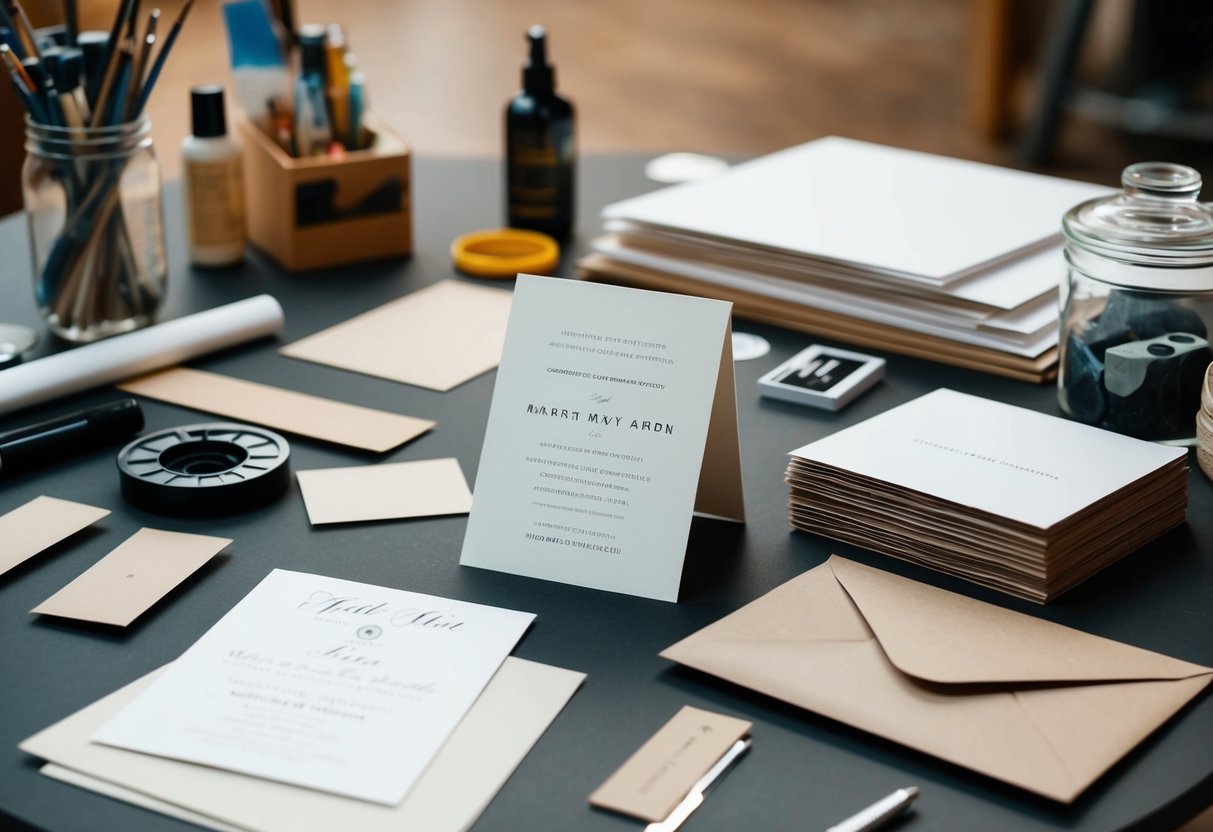
Your personal preferences play a big role in this decision. If you enjoy crafting and have a clear vision for your invitations, making them yourself can be a fulfilling experience. It’s a chance to add a special touch to your wedding planning and make your invites truly unique. On the other hand, if time is tight or crafting isn’t your strong suit, purchasing professionally made invitations might be more practical.
Ultimately, the choice between DIY and buying wedding invitations comes down to your budget and how much effort you want to invest in the process. Whichever path you choose, ensure that your invitations set the right tone for your special day.
Assessing the Basics of DIY Wedding Invitations
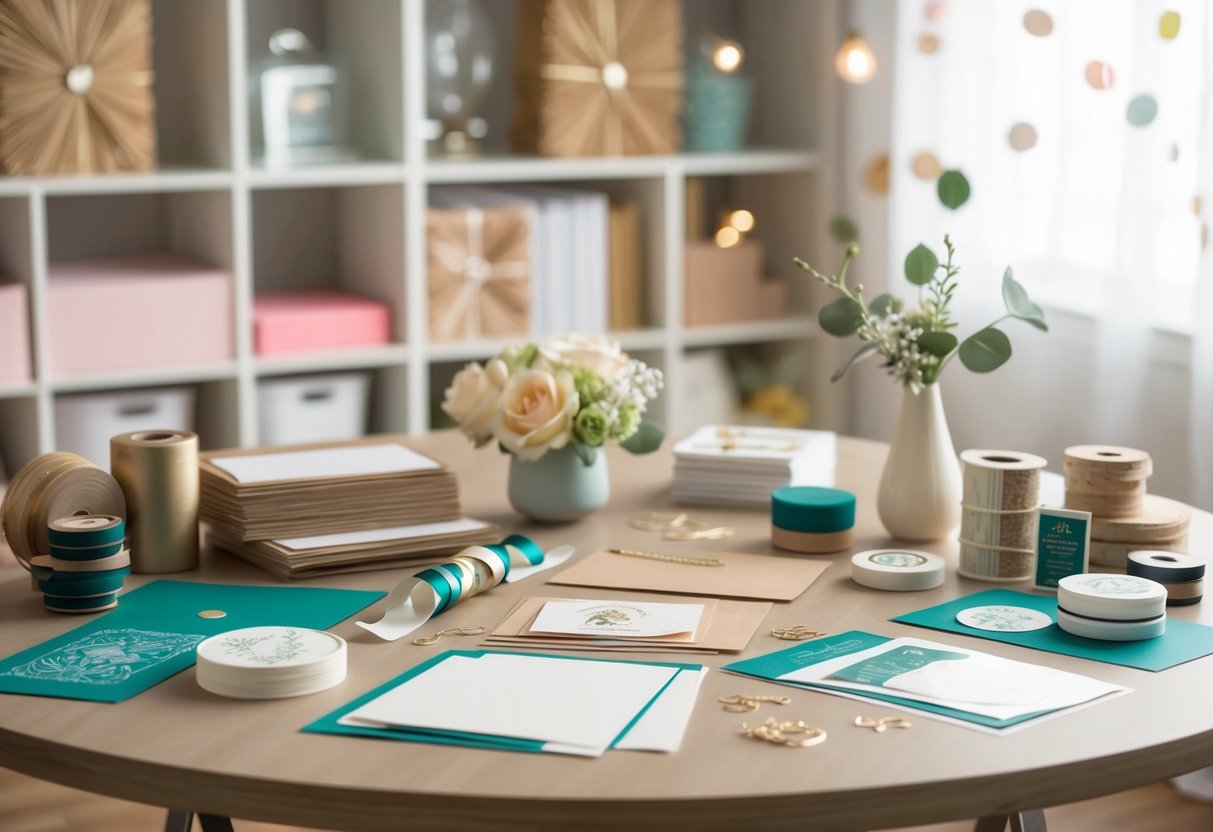
Creating your own wedding invitations can be a fun and rewarding experience. It lets you personalize your invites while possibly saving money. Focus on the key components, materials, and design options to make the process smoother.
Understanding Invitation Components
Every wedding invitation typically includes several key components. These are the main invite, RSVP card, and details card. Each part provides important information about your special day.
The main invite usually features your names, wedding date, and venue. An RSVP card helps you manage guest attendance easily. Lastly, a details card can include extra information like accommodation options and dress codes.
Be sure to decide how you want each component to look because this sets the tone for your wedding. Consider using a mix of cardstock for durability and visual appeal. This will enhance your invites and make them feel special.
Selecting the Right Materials
Choosing the right materials is essential for making great DIY wedding invitations. Start with quality cardstock that suits your style—colors, textures, and thickness can make a big difference.
Next, don’t forget about envelopes. They should match or complement your invitations for a cohesive look. Think about using unique envelope liners or stamps to add a personal touch.
You may also want to gather printing supplies early on. Depending on your design, you might need ink, a printer, or even access to design software. Choosing the right materials helps ensure your invitations not only look lovely but also feel high-quality.
Considering Design and Personalization
Designing your invitations should reflect your style as a couple. You can use an invitation template to get started or create a completely custom design. There are many design software options available that can help you achieve your vision.
Incorporate personalization through colors, fonts, or even custom illustrations. Adding personal elements will make your invites feel special. Consider using your engagement photos or artwork that represents your interests.
The goal is to create a design that speaks to you both. Look at various wedding stationery trends for inspiration. Remember, this invites your guests to celebrate your love, so make it truly yours!
Comparing Costs: DIY vs. Professional Printing
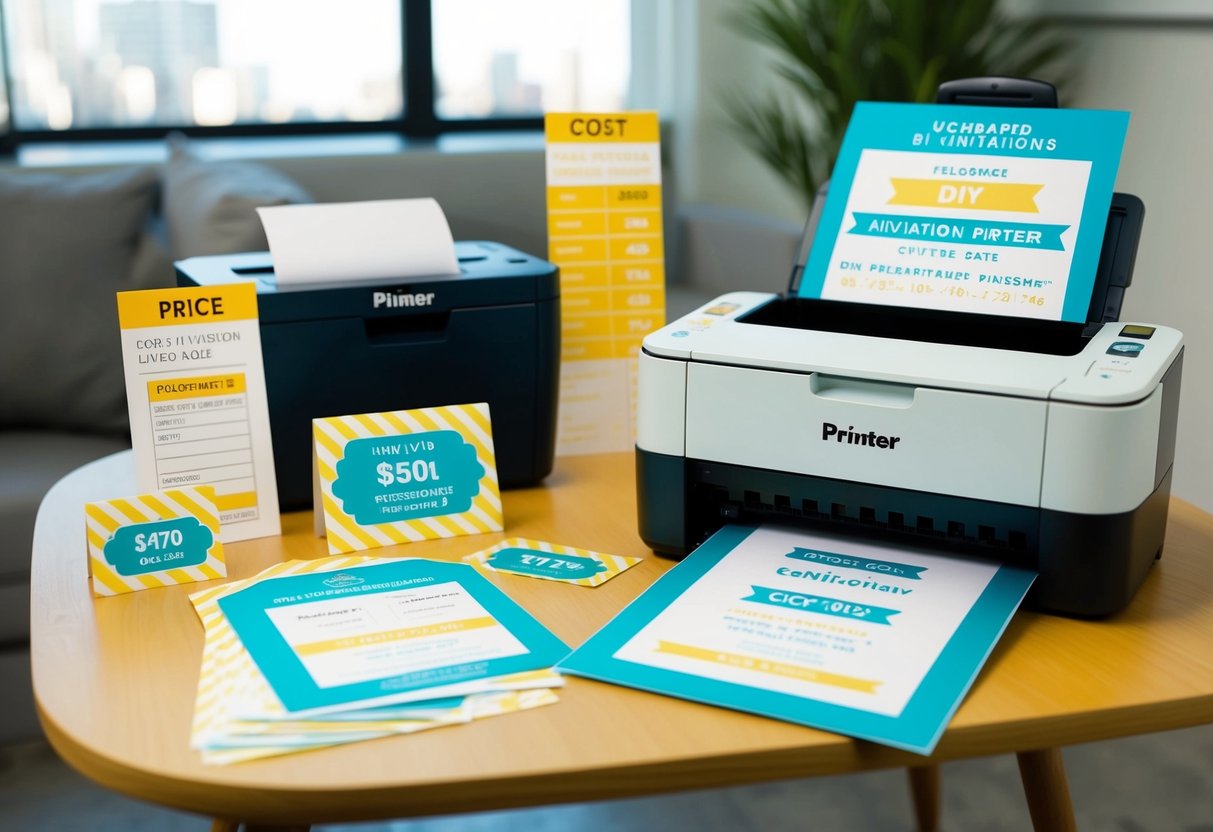
When you’re deciding between DIY invitations and professional printing, understanding the costs can help you make the best choice for your budget. You’ll want to think about the price of materials for DIY invitations, the costs of using a local print shop, and the expenses associated with postage and handling.
Price of DIY Materials
Creating your own invitations can be a fun and personalized way to go. However, you need to account for several materials.
Basic supplies include:
- Paper: Good quality cardstock can cost around $0.50 to $1.00 per sheet.
- Ink: Depending on the printer, ink costs can add up. Cartridges might run $15 to $50.
- Envelopes: Standard envelopes range from $0.10 to $0.50 each.
If you’re printing 100 invitations, the materials could range from $100 to $200, plus any extra decorations or embellishments. By handling this part yourself, you could potentially save money, especially since professionally printed invitations could cost at least $3 each, not including postage.
Professional Printing Services
Using a local print shop for your wedding invitations is usually straightforward but can get pricey. For professionally printed invitations, expect to pay an average of $3 to $7 each. This depends on the complexity of your design.
Here are common options you might find:
- Offset printing: Best for large quantities, it’s cheaper per invitation.
- Digital printing: Great for smaller runs, usually a bit pricier.
Make sure to ask for quotes from different shops. This will allow you to compare rates and find the best deal for high-quality invitations. Don’t forget about design fees, which can also add to the total cost.
Calculating Postage and Handling
Postage costs shouldn’t be overlooked when budgeting for your invitations. You’ll need to send out RSVP cards and possibly additional inserts.
Here’s what to consider:
- Standard postage: Currently, the cost to mail a standard letter is about $0.66.
- Additional weight: If your invitation package is heavier due to embellishments, postage may increase.
If you’re sending 100 invitations, your total postage cost could be around $66, assuming standard rates. Always check the weight and size, as these factors affect your overall spending. Being aware of postage costs can help you avoid last-minute surprises.
Execution: Crafting Your Invitations at Home
When you decide to craft your wedding invitations at home, you get a chance to express your creativity. You can choose the design, materials, and finishing touches that reflect your unique style.
The Printing Process
For this step, gather your materials. You’ll need high-quality paper for your invitations, RSVP cards, and reception cards. Consider the weight and texture of the paper to make sure it looks and feels great.
Use a good printer that can handle thicker paper. Test your designs by printing a few samples. Adjust the settings for the best quality. If you want a more professional touch, look into techniques like foil stamping or embossing.
Decide if you want to print everything at once or in batches. This will help manage your time and resources. A scoring board can help fold your cards neatly for a polished appearance.
Adding Finishing Touches
After printing, it’s time to personalize your invites. Think about adding ribbons, decorative embellishments, or other accessories that tie in with your wedding theme.
Consider using a paper cutter for clean edges. If you want to make your invitations unique, try adding some letterpress elements. These techniques can elevate your design without breaking the bank.
Don’t forget to include important details, like RSVP information. You can create separate RSVP cards that match the main invitation design.
Assembly and Quality Assurance
Once everything is printed and embellished, move on to assembly. Organize your materials so you can work efficiently. Start by matching each invitation with its RSVP card and reception card.
Make sure everything is legible and aligned. Check for any printing errors. It’s a good idea to have someone else review everything too.
As you assemble your invites, ensure that everything is secure. Use a glue stick or double-sided tape for a neat finish. Finally, package them carefully. Consider using clear envelopes to protect the beautiful work you’ve created.
Additional Tips and Considerations
Making your own wedding invitations can be fun and cost-effective, but there are important factors to keep in mind. Consider how digital elements can enhance your invitations, manage your time efficiently, and know when it might be best to seek professional help.
The Role of Digital Elements
Digital invitations can be a smart addition to your DIY plan. They often come at a lower cost and can be customized easily. You might choose to create a wedding website that showcases digital invitations or even save-the-dates to share with guests instantly.
Using online design tools or templates can save you time and ensure a polished look. Plus, digital options allow for easy updates if your guest list changes. Consider offering both digital and physical invitations to find a balance that fits your wedding budget.
Time Management for DIY Projects
Time is essential when planning your wedding. Setting clear deadlines helps keep your DIY invitation process on track. Start by creating a timeline for designing and assembling your invitation suite.
Break the project into smaller tasks, like selecting materials or printing designs. This makes the process feel less overwhelming. Make sure to allocate enough time for potential hiccups, like printer issues or cutting mistakes. You don’t want to rush at the last minute!
When to Consult a Professional
DIY can be rewarding, but there are times to consult a professional designer. If your budget allows, hiring someone for the design can save you time and stress.
Professionals can provide expertise that results in more polished and cohesive invitations. Consider getting a professional’s help for complex designs or if you’re unsure about your artistic skills.
This could be especially helpful with unique materials or printing techniques. Balancing DIY with professional support ultimately leads to an affordable yet beautiful invitation suite tailored to your wedding vision.