
Is It Common to Gain Weight After Wedding? Understanding the Post-Wedding Weight Shift
Many newlyweds find themselves wondering about changes in their bodies after tying the knot. Couples often gain weight after marriage due to lifestyle changes, emotional shifts, and the joys of shared meals. You might notice that your eating habits and daily routines shift once you settle into married life.

With busy schedules and new responsibilities, couples may prioritize convenience over healthy choices. The excitement of newlywed life can also lead to indulging in more celebrations and romantic dinners. All these factors play a role in why many people see an increase in their weight after saying “I do.”
Stay tuned as we explore the reasons behind this trend and share some practical tips to help you maintain a healthy weight while enjoying the joys of married life.
Understanding Post-Wedding Weight Gain

Many couples experience weight gain after their wedding. This can be due to a mix of hormonal changes, lifestyle shifts, and changes in body image. Let’s look into how these factors influence weight gain after marriage.
Hormonal Changes and Body Image
After the wedding, you might notice changes in your hormones that can affect your weight. Stress levels may decrease, leading to less cortisol, which can bring feelings of comfort. However, for some, this could also lead to a tendency to indulge in food.
Body image can play a role too. As you settle into married life, you might feel less pressure to maintain a pre-wedding appearance. This shift can lead to more relaxed eating habits and self-perception. Feeling comfortable can be great, but balancing this with healthy habits is key.
Shifts in Eating Habits and Lifestyle
Marriage often brings changes in your daily routine. You may start cooking more at home or enjoying meals together. This can lead to new eating habits that include more indulgent meals.
Social events and celebrations may also increase after the wedding. These gatherings often feature rich, high-calorie foods. Over time, these lifestyle changes can add up and contribute to weight gain.
Recognizing these shifts can help you maintain a healthy weight. Focus on balanced meals and physical activity to manage any changes resulting from your new lifestyle.
Strategies for Managing Weight Gain
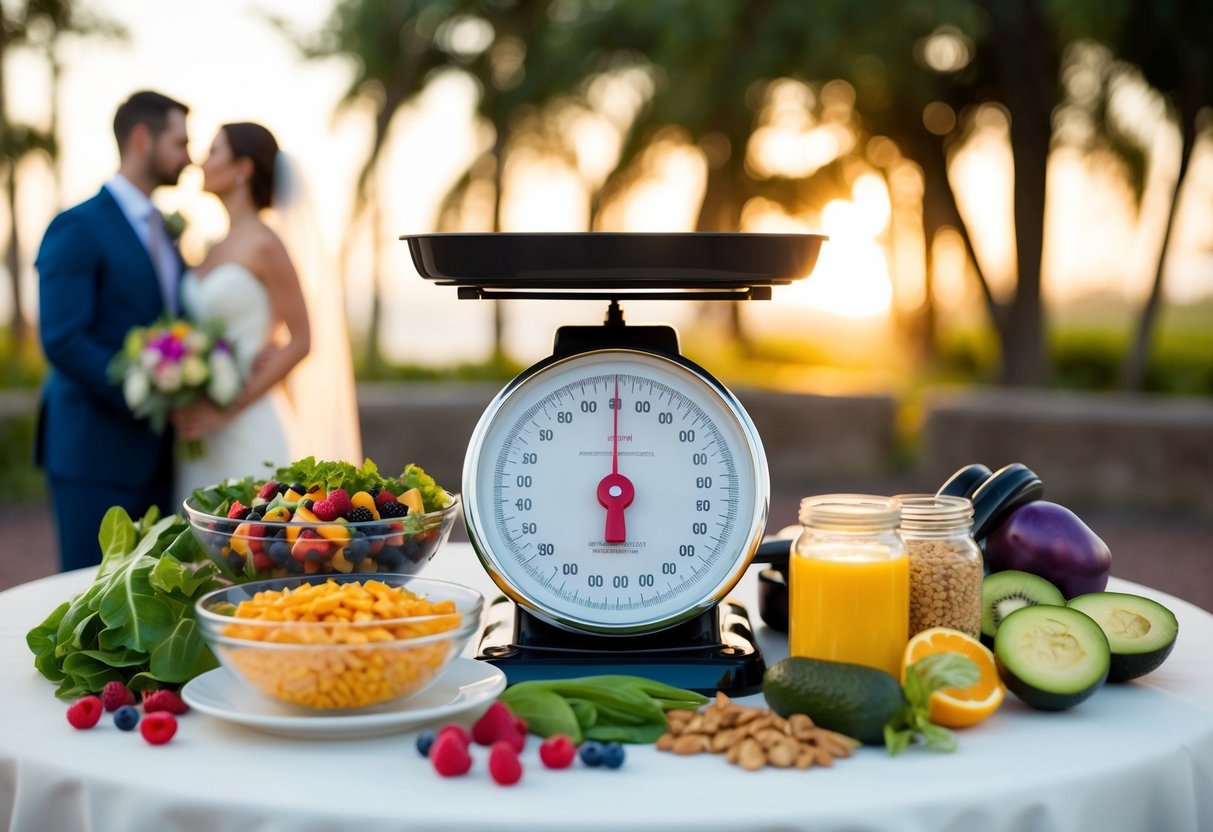
Managing weight after your wedding can feel challenging, but with some practical strategies, you can stay on track. Focusing on exercise, eating habits, and understanding emotional triggers can make a big difference in your weight management journey.
Incorporating Regular Exercise
Staying active is key to managing weight. Aim for at least 150 minutes of moderate aerobic exercise each week. This could include activities like brisk walking, cycling, or swimming.
You can also add strength training exercises twice a week. This helps build muscle and boosts your metabolism. Consider activities like weight lifting, yoga, or bodyweight exercises.
Finding an exercise routine you enjoy can keep you motivated. Whether it’s joining a class or going for a daily walk, staying consistent is essential. Make it social—invite your partner or friends to join you. This can make exercising more enjoyable and less of a chore.
Developing Healthy Eating Practices
Healthy eating can support your weight management goals. Start by incorporating more fruits, vegetables, and whole grains into your meals. These foods are nutritious and keep you full longer.
Portion control is important, too. Using smaller plates can help you eat smaller servings. Be mindful of your eating habits; try eating slowly and without distractions. This can help you recognize when you’re full.
Planning meals ahead of time can prevent you from making unhealthy choices. Consider preparing healthy snacks like nuts, yogurt, or veggies with hummus. This way, you’re less likely to reach for junk food when you get hungry.
Emotional Eating Awareness
Being aware of emotional eating is crucial for your weight management. Sometimes, you might eat not because you’re hungry, but because of stress or other emotions. Try to recognize these triggers.
Keep a food journal to track what you eat and how you feel. This can help you spot patterns. If you notice you eat more during stressful times, find alternative coping strategies like exercising, talking to a friend, or practicing relaxation techniques.
It’s okay to indulge occasionally. The goal is to create balance. Understanding your emotional relationship with food can help you make healthier choices in the long run.
Support Systems and Marriage Dynamics
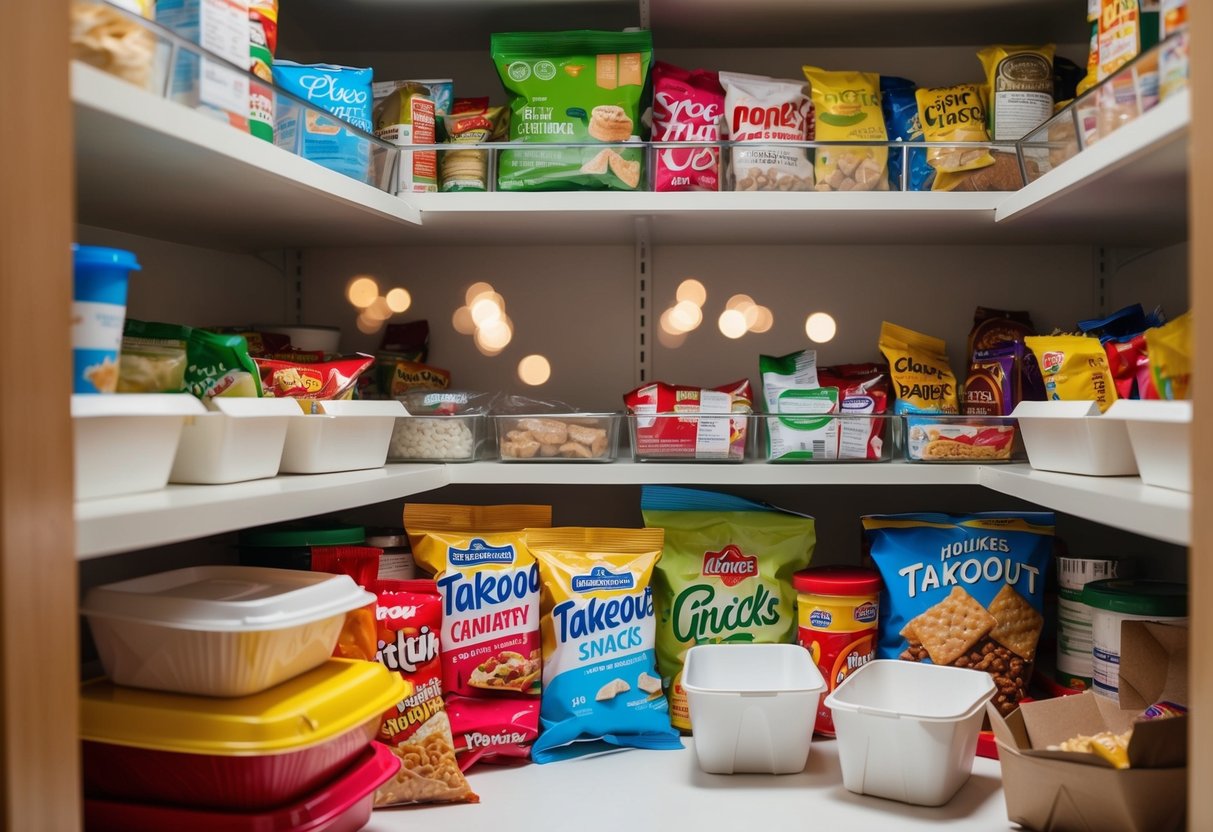
In a marriage, having strong support systems is essential for adapting to lifestyle changes. The way you communicate and understand each other can significantly impact your overall well-being and weight management. Let’s explore how you can support each other and maintain open dialogue.
Supporting Each Other in Lifestyle Changes
Supporting each other is key to making positive lifestyle changes. When one partner embarks on a health journey, the other can offer encouragement. This could be joined exercise sessions or cooking healthy meals together.
Tips for Support:
- Set Goals Together: Discuss personal goals and create joint plans. This can boost motivation.
- Celebrate Successes: Acknowledge each other’s achievements, no matter how small.
By working together, you create a positive environment. When both partners feel supported, it increases the chances of sticking to healthy habits.
Dialogue and Understanding in the Relationship
Open communication is vital in a relationship. You want to discuss feelings around health and weight without judgment. This creates a safe space for sharing concerns and struggles.
Key Points for Healthy Dialogue:
- Be Honest: Sharing how you feel about lifestyle changes fosters trust.
- Listen Actively: Show empathy towards your partner’s feelings and challenges.
When both partners engage in healthy dialogue, it builds understanding. This can lead to better support and stronger emotional ties, promoting both your health and happiness.