
Is It Correct to Say I’m Getting Married? Understanding the Right Phrases for Engagement
When it comes to expressing your exciting plans, you might wonder if it’s correct to say “I’m getting married.” Yes, this phrase is perfectly fine to use. It captures the joyful anticipation of the upcoming wedding and the commitment you are about to make.
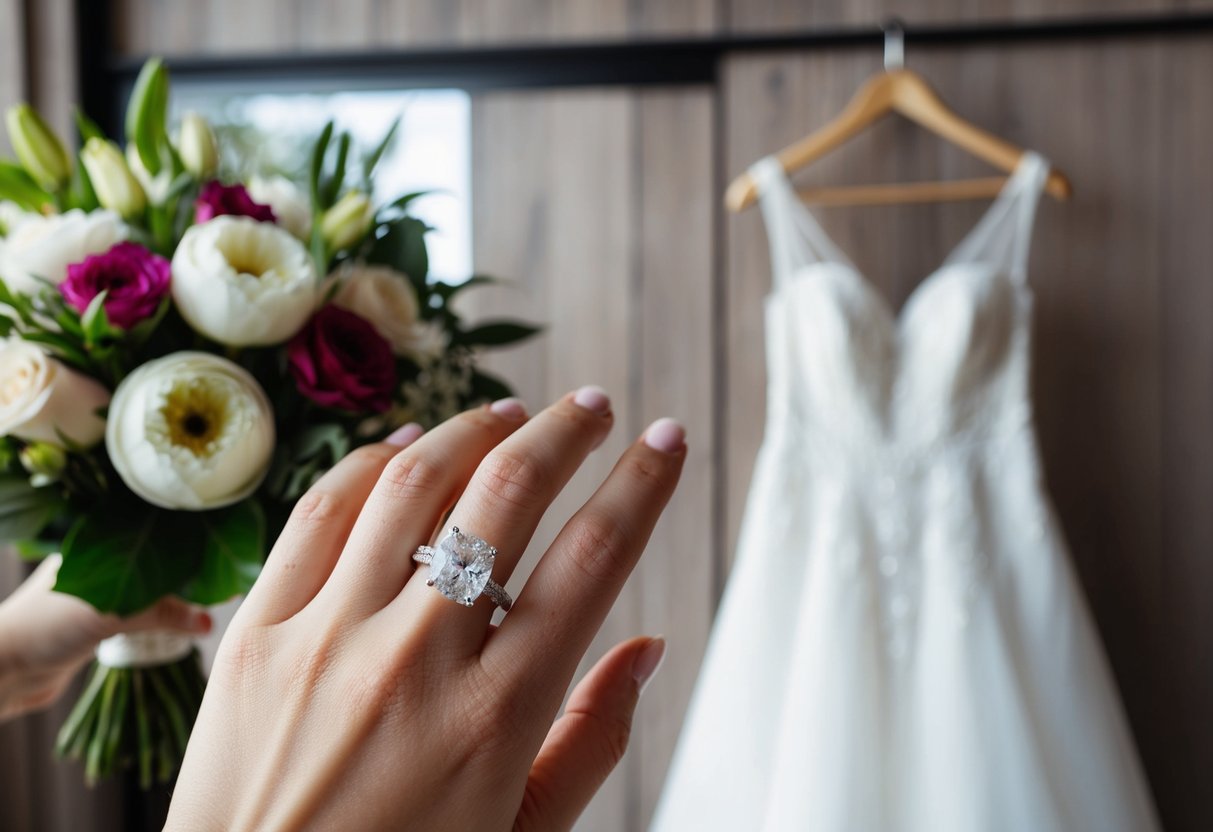
Talking about getting married is not just about the ceremony; it also reflects the beginning of a new chapter in your life. You’re not just stating a fact, but also sharing your happiness with others.
Using “I’m getting married” emphasizes the event itself and your role in it. Whether you are planning a grand celebration or a simple gathering, this phrase conveys your excitement and readiness for this important commitment. So, when you announce your plans, feel free to say, “I’m getting married!”
Understanding the Phrase ‘Getting Married’
When you say “I’m getting married,” you are using a specific phrase that conveys important meanings. This section will explore the phrase’s grammatical structure, its cultural significance, and the role of progressive tense in this context.
Grammatical Structure of the Phrase
The phrase “getting married” consists of a subject and a verb in progressive form. Here, “getting” is the present participle of the verb “get,” and it shows an ongoing action. You are not just stating a fact; you are describing an event that is actively happening.
Using passive voice doesn’t work here. You wouldn’t say, “I am getting married by someone.” Instead, you focus on your involvement in the action.
This structure highlights your intention and excitement about the wedding. You can use the phrase to convey the time frame as well. Saying “I got married” shows a completed action, while “I am getting married” emphasizes the current process leading up to the wedding day.
Cultural and Social Context
The phrase “getting married” holds significant weight in many cultures. It often signifies a union between two individuals, representing love, commitment, and sometimes family expectations.
When you say “I’m getting married,” it often invites congratulations and discussions about wedding plans. It can be a moment of joy, as people generally associate marriage with positive life changes.
In different societies, the customs surrounding getting married can vary widely. Some cultures may expect elaborate ceremonies, while others focus more on intimate gatherings. Understanding these differences can enrich your appreciation for the phrase and its meaning when discussing your own plans.
The Use of Progressive Tense
Using the progressive tense, as in “I am getting married,” emphasizes the ongoing nature of your plans. This indicates that you are actively preparing for the wedding day. It sets apart this phrase from a simple statement about being married, which is often conveyed by “I was married” or “I am married.”
The progressive form can also express an exciting anticipation of the event. You might share this with friends, highlighting not just the marriage itself, but all the preparations that come before. This adds a sense of involvement and immediacy to the experience.
The Journey from Engagement to Marriage
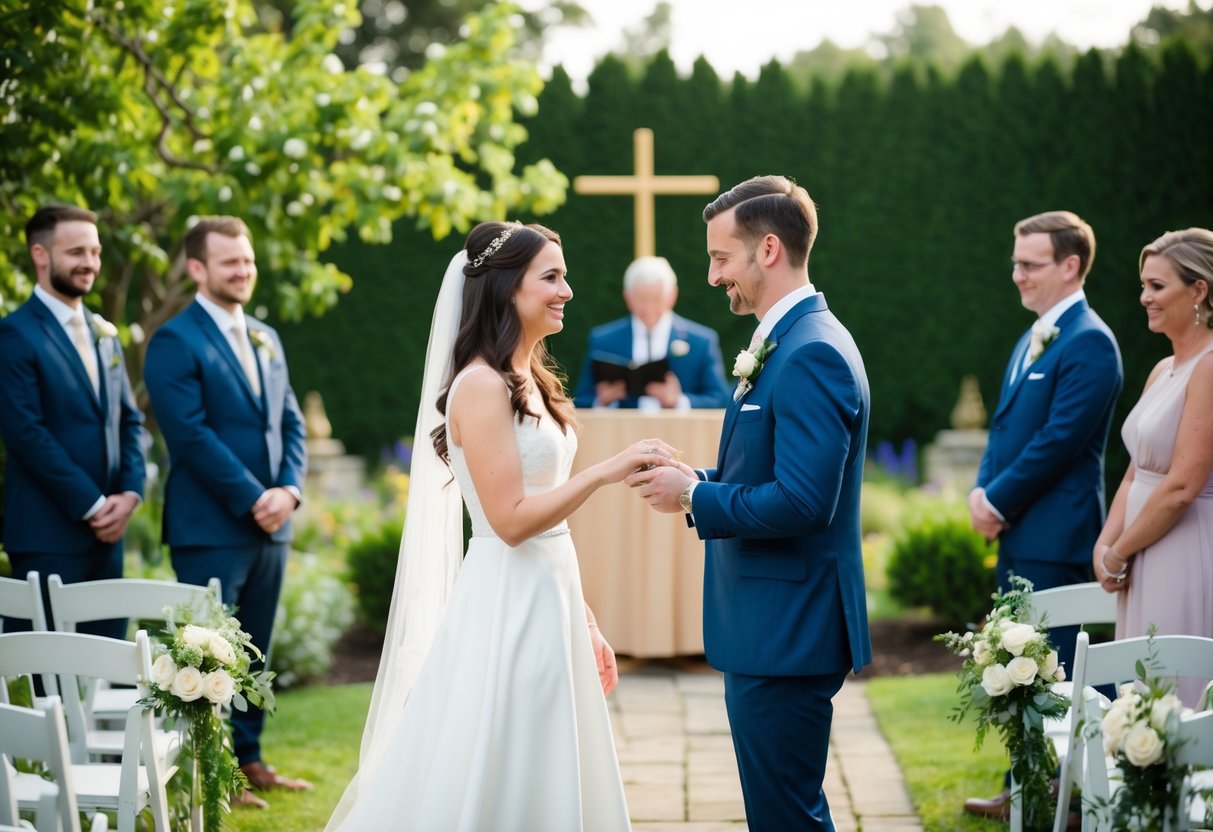
Engagement is a special time that marks the beginning of your journey toward marriage. It’s a time filled with excitement and dreams about the future. As you move from being engaged to planning your wedding, understanding the significance of this stage is essential.
Significance of Getting Engaged
Getting engaged is more than just a formal step in a relationship. It symbolizes a commitment to each other. When you say, “I got engaged,” you are declaring your intention to marry. This moment often includes sharing the news with family and friends, who will celebrate this important transition with you.
During engagement, you deepen your emotional connection. You start to discuss important topics such as finances, living arrangements, and family plans. This phase allows you to ensure that you and your partner are aligned in your goals for the future.
It’s a time to enjoy each other’s company while preparing for the big commitment ahead.
Planning for the Big Day
Planning your wedding can be both thrilling and overwhelming. You will need to decide on a date, venue, and guest list. Consider what type of wedding best fits your vision—whether it’s a grand celebration or an intimate gathering.
You can create a checklist to keep everything organized. Don’t forget to discuss your budget as it plays a crucial role in decision-making. Choose vendors who align with your style and values. Attend bridal shows or seek recommendations to make informed choices.
Involving your partner in planning will help you both feel excited about the steps leading up to your wedding day. Enjoy the process, as it’s not just about the event but about building a foundation for your future together.
Linguistic and Cultural Nuances in Marital Terms
When discussing marriage, the language you use can reflect deeper cultural meanings. Understanding variations in terms like “married to” or “getting married” helps clarify your intent. Different phrases carry unique connotations and influence how relationships are perceived in society.
Variations of the Verb ‘Marry’
The word “marry” has flexible uses. You might hear phrases like “getting married” or “married to someone.” Each has its own meaning in context.
- Getting married often refers to the process of entering into a legal or social union.
- Married to someone indicates a formal commitment.
In casual conversation, people might say, “I’m marrying John,” which shows personal excitement. The use of these terms can signal different stages in a relationship.
Marital Status Vocabulary
Your marital status communicates important information about your life. Words like “married,” “single,” “divorced,” and “widowed” clearly define your situation.
- Married signifies a committed relationship.
- Single means you are not currently in a romantic partnership.
In some cultures, saying “married with” might indicate having children. The specific language can influence how relationships are viewed within your community. Clarity in vocabulary helps others understand your personal life better.
Cultural Interpretations of Marriage
Marriage varies widely across cultures. Each culture holds unique beliefs about what marriage means.
In some societies, it might be a religious ceremony, while in others, it’s a civil event. The significance placed on marriage can shape family structures.
- For example, in Brazil and Italy, civil ceremonies are necessary for legal recognition of marriage.
Understanding these nuances helps you navigate conversations about marriage with respect and knowledge. This awareness is especially important as you discuss your own plans and intentions regarding marriage.
Looking Ahead: What It Means for the Future

When you say, “I’m getting married,” it signals a significant future event. This statement is not just about a wedding; it represents a promise and a shared journey with another person. Understanding what this means can help you prepare for the changes ahead.
Marriage as a Future Event
Getting married marks a new chapter in your life. This event transforms your relationship and sets the stage for a future built together.
You will become married to someone, which means committing to sharing your lives, responsibilities, and dreams. Think about the plans you need to make.
Your wedding event is just the beginning. It lays a foundation for partnership. This can involve discussions about finances, living arrangements, and personal goals.
Prepare for how your daily life may change. You might need to adopt a new routine or find compromises. Open communication will be key to navigating this future as a couple.
Expectations and Promises
Marriage comes with expectations and promises. You enter a partnership that needs trust, respect, and commitment.
Make sure you are clear about what it means to marry someone. Discuss your hopes and dreams openly. Outline what you both envision for your future together.
Remember, this is about building a life as a team. You’ll need to support one another through various life changes. Be ready to face challenges and celebrate successes together.
Setting expectations early can help you avoid misunderstandings. It’s essential for both partners to feel secure in the relationship moving forward. Your marriage is the promise of what you will achieve together.