
Is It Disrespectful to Not Wear Your Wedding Ring? Understanding the Meaning Behind the Symbol
Deciding whether to wear your wedding ring is a personal choice that can spark various feelings and opinions. Many people associate a wedding ring with love and commitment, viewing it as a symbol of marriage. Yet, not wearing it may not be as disrespectful as it seems at first glance. It often comes down to communication with your partner about your reasons and feelings related to the ring.
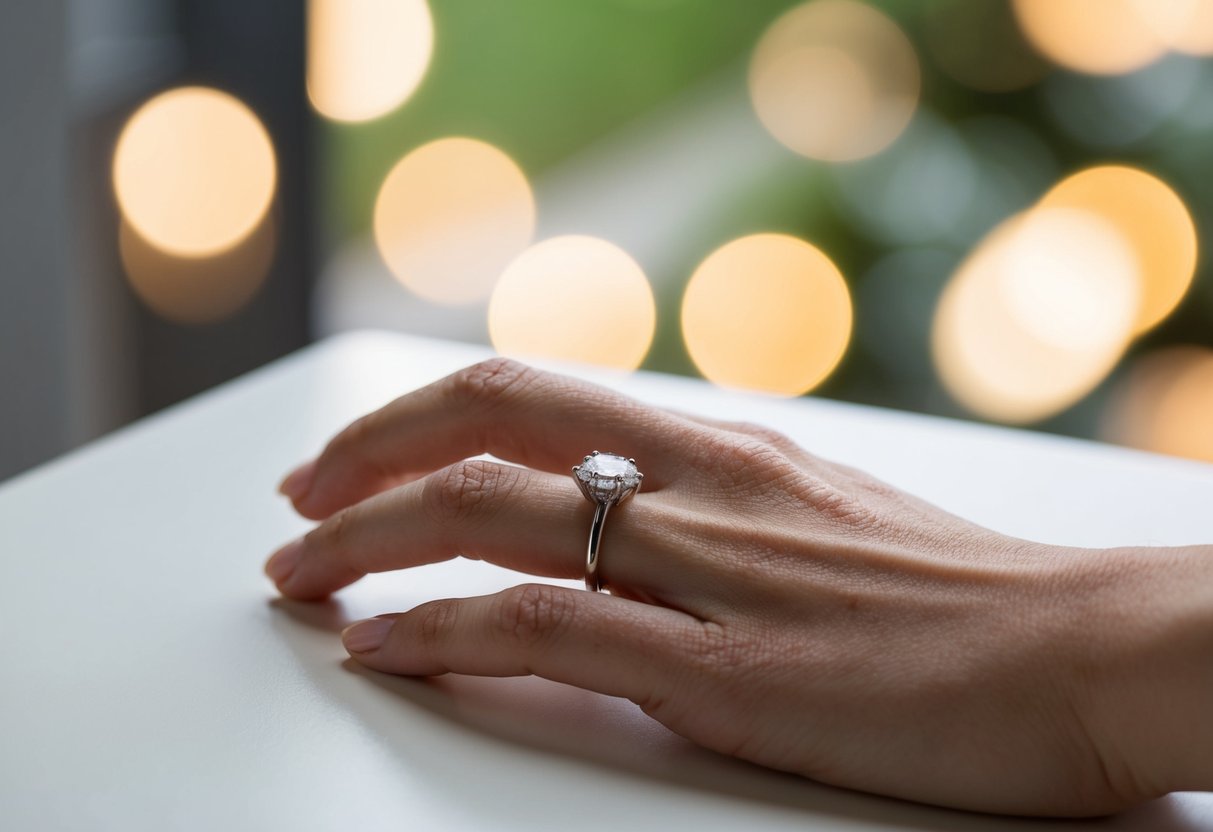
While some may feel hurt or confused by a missing ring, others recognize that circumstances vary. Variations can include lifestyle choices, job requirements, or personal comfort.
Discussing your choices openly can strengthen your bond and show that love and commitment extend beyond just a piece of jewelry.
Ultimately, it’s crucial to focus on what the ring represents in your marriage. By expressing your feelings and ensuring both partners are on the same page, you can navigate this issue with respect. Remember, the most important thing is the love and commitment you share.
Cultural and Personal Significance of Wedding Rings
Wedding rings hold deep meaning for many people. They symbolize love, unity, and a commitment between partners. The importance of these rings can vary based on cultural customs and personal beliefs.
Symbolic Representation of Unity and Love
A wedding ring is more than just a piece of jewelry. It is a powerful symbol of love and unity. When you exchange rings during the wedding ceremony, you make vows to each other that signify your commitment. This act cements your bond, reminding both partners of their promises.
Many see the circle of the ring as a sign of eternity. There is no beginning or end, just as love should be everlasting. Wearing your wedding ring continually reinforces this idea of commitment in daily life. Its presence can inspire you to honor your vows.
Varying Customs Across Different Cultures
Different cultures have unique traditions regarding wedding rings. In some societies, it is customary for both partners to wear matching rings, while in others, only one partner wears the ring.
For example, in many Western cultures, the bride typically receives an engagement ring followed by a wedding band. In contrast, some cultures have other symbols for marriage. In certain Indian traditions, couples may exchange mangalsutra or other ornaments that signify marital unity.
Understanding these cultural practices helps highlight the varying significance of wedding rings around the world. Your views on wearing a wedding ring may also be influenced by these customs, affecting how you express your commitment to your partner.
Practical Considerations and Concerns

There are practical reasons for not wearing your wedding ring that can greatly impact your daily life. Two main considerations are safety concerns related to your occupation and any discomfort or allergies you might experience from wearing jewelry.
Occupational Hazards and Safety Issues
Certain jobs pose safety risks when wearing rings. For example, if you work in construction, manufacturing, or certain medical fields, a ring can catch on equipment or machinery. This can lead to severe injury or accidents. In some cases, wearing a ring can also cause damage to the ring itself.
Additionally, some people avoid wearing rings to prevent complications during physical activities.
It’s wise to assess your work environment and choose the best option for safety. If you’re concerned about losing your ring, consider alternatives like a silicone ring, which is a safe and flexible option.
Discomfort and Allergies Related to Jewelry
Jewelry can cause discomfort, especially if you have sensitive skin. Many people experience irritation from metals like nickel or cobalt, which are common in many rings. This can lead to redness, itching, or swelling.
If you’re allergic to certain metals, it’s best to avoid wearing rings made from those materials. You might consider hypoallergenic options such as titanium or platinum.
Another alternative is a silicone ring, which is both comfortable and durable. These options can provide a solution without compromising your commitment symbol.
Interpersonal Dynamics and Communication

Effective communication is key to navigating the complexities of wearing a wedding ring. When both partners engage in open discussions, it fosters mutual understanding and prevents feelings of disrespect. The following points highlight important areas to focus on.
Avoiding Misunderstandings Through Open Discussion
Open communication can clear up many concerns about not wearing a wedding ring. You might have valid reasons for not wearing it, such as work commitments or personal comfort.
Discussing your choices with your partner is essential. Listening to each other’s perspectives helps avoid misunderstandings.
For example, if your partner feels insecure about your commitment, explaining your reasons can ease those worries. Remember, it’s about creating a space where both of you can speak freely about your feelings.
Utilize “I” statements to express how you feel. For instance, “I feel uncomfortable when…” can help communicate your thoughts without sounding accusatory. This lays the groundwork for a healthier relationship.
Handling Trust and Security in Relationships
Trust issues may arise when one partner chooses not to wear their wedding ring. It’s important to recognize these feelings and address them head-on.
Talk about what wearing the ring means to each of you. Make time for regular check-ins about your relationship status. This can help both partners feel secure and valued.
If your partner expresses concern, take those feelings seriously. Reassure them of your commitment through your actions, not just words. Taking part in shared activities or simply spending quality time together can strengthen trust. Always aim for a balance between personal choices and the feelings of your partner.
Alternatives and Adaptations to Wearing Wedding Rings

Many people choose not to wear wedding rings for various reasons, including personal preference and lifestyle. It’s essential to explore alternatives that maintain the emotional connection of your commitment while ensuring practicality. Here are some options tailored to your needs.
Finding Solutions for Physical and Lifestyle Restrictions
If you have physical restrictions or a lifestyle that makes wearing rings challenging, consider practical alternatives.
For example, silicone rings are a great option. They are lightweight, durable, and come in various colors and styles.
You could also wear your wedding band on a chain around your neck. This keeps it close while avoiding damage or loss.
If you’re active, consider using a jewelry box to safely store your ring during activities. Each option allows you to wear your commitment without worrying about wear and tear, keeping your wedding ring symbolic in a new way.
Keeping Sentimental Value Beyond the Ring
The sentiment behind your wedding ring can extend beyond the physical piece itself. You might choose to keep your engagement ring safe in a jewelry box, allowing it to hold its history while you wear an alternative.
Some couples share other symbols of their commitment, such as matching bracelets or personalized items. Another idea is to create a custom piece that represents your relationship in a way that fits your style.
These adaptations help maintain the emotional connection of your marriage. What matters is your commitment to each other, not just the jewelry you wear.