
Is It Easy to Do Your Own Wedding Flowers? A Simple Guide for DIY Brides
Planning your wedding can be both exciting and overwhelming. If you’re considering DIY wedding flowers, you might wonder how easy it actually is. Many find that with a bit of planning and creativity, doing your own wedding flowers is not only feasible but also a fun way to add a personal touch to your special day.
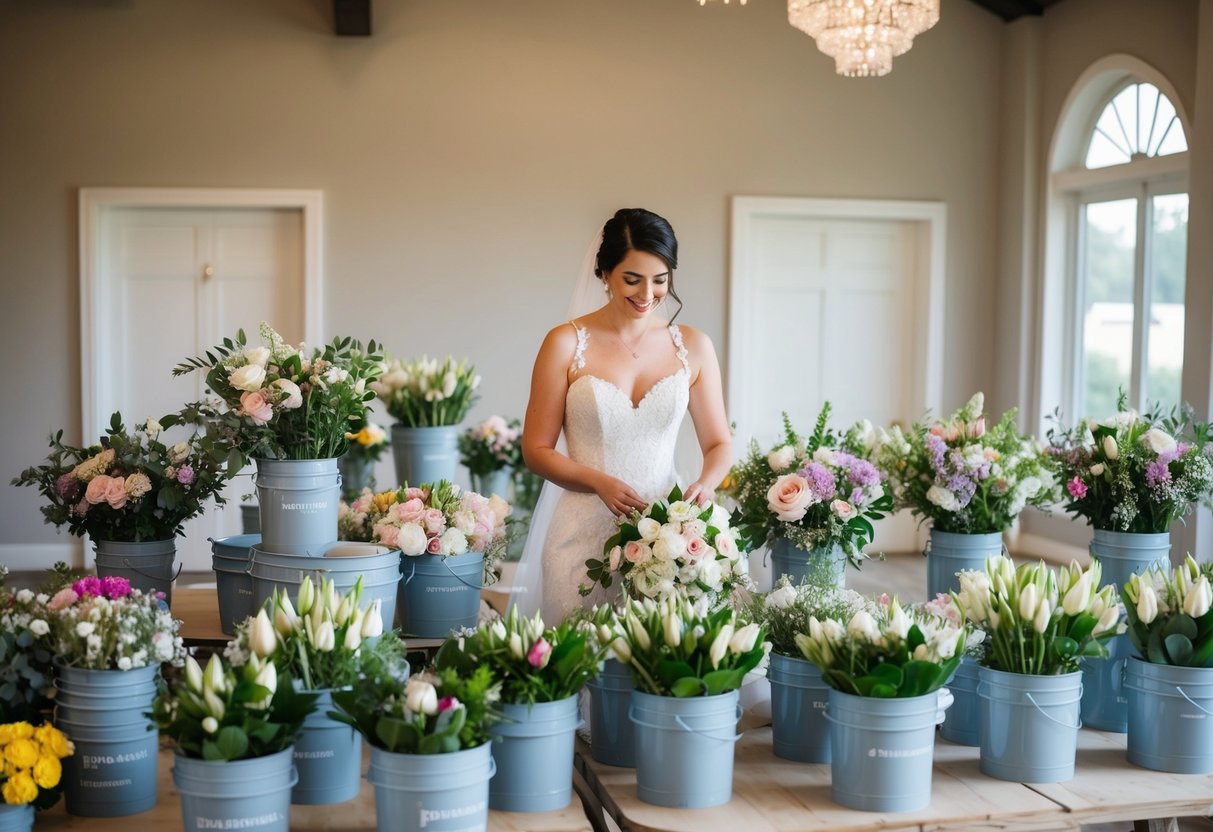
There are several factors to consider when taking on this project. For instance, you’ll want to research the types of flowers that match your theme and are manageable for your skill level.
Ordering ahead and preparing your materials can also help reduce stress on your big day. With the right tips and tricks, you can make beautiful bouquets and centerpieces without breaking the bank or losing your mind.
Getting involved in the floral arrangements can deepen your connection to your wedding, making the process even more special. Whether you’re a seasoned crafter or new to DIY wedding flowers, it’s definitely worth exploring this creative option to bring your vision to life.
Assessing Your Floral Skills and Budget
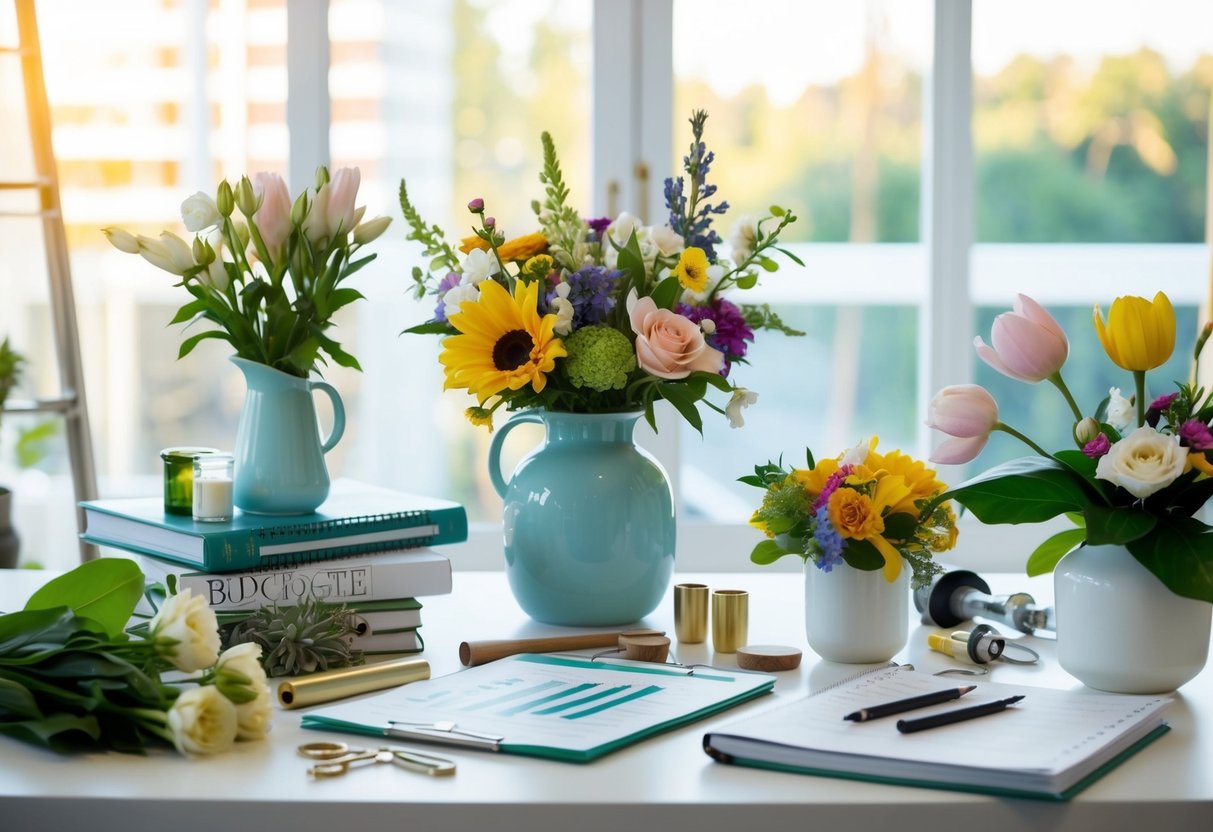
Before diving into DIY wedding flowers, it’s important to evaluate your floral skills and understand the costs involved. This will help you make informed decisions and set realistic expectations for your special day.
Understanding the Basics of Floral Design
Understanding floral design is key to creating beautiful arrangements. Start by learning about the types of flowers that suit your wedding theme and season. Websites and books can offer helpful tips.
Practice basic techniques such as cutting stems at an angle, using floral tape, and arranging blooms in a pleasing way.
Experiment with different styles, such as bouquets or centerpieces, to find what you like best.
Using materials like floral foam can stabilize your arrangements and keep them looking fresh longer. Don’t forget to factor in the tools you might need, like scissors, wire, and containers.
Calculating the Cost of Wedding Flowers
To create a budget, first list all the flowers you want. Consider popular blooms like roses, lilies, or hydrangeas. Their prices can vary, so it helps to compare local costs.
Estimate how many arrangements you’ll need, like bouquets, boutonnieres, and table settings. A rough average for DIY wedding flowers might range from $500 to $1,500, depending on your choices.
Look for deals on bulk flowers, as this can dramatically reduce the cost. Online flower retailers often offer competitive pricing and free shipping, which can help you save money.
Allocating Your Wedding Budget
Plan your wedding budget by first determining how much you want to spend on flowers. Then, decide how much of that amount should go towards DIY flowers versus hired services.
Be realistic about your skills and time commitment. If you choose DIY, ensure you have adequate time for preparation.
Allocate funds for essential supplies, including vases, floral tape, and foam. Consider hidden costs like delivery fees and potential mistakes. Budgeting for a few extra blooms helps you avoid stress if something doesn’t go as planned. Always aim to stay flexible with your budget to enjoy the process.
Choosing the Right Flowers

Selecting the right flowers is key to creating stunning DIY wedding arrangements. Focus on seasonal options, benefits of buying wholesale, and how your choices fit with your wedding’s theme and colors.
Selecting Seasonal Flowers
Choosing seasonal flowers is a great way to ensure your bouquets look their best while keeping costs down. Seasonal blooms are more readily available, which often means lower prices and fresher options.
For a beautiful bridal bouquet or bridesmaid bouquets, consider focal flowers, like roses or peonies, that make a statement. Use filler flowers, such as baby’s breath or daisies, to add texture and volume.
Check local flower markets or services like FiftyFlowers that offer a variety of seasonal blooms.
Benefits of Wholesale Flowers
Buying wholesale flowers can save you a lot of money when planning your wedding. This option allows you to purchase fresh blooms in bulk, which is great for creating multiple arrangements like centerpieces and bouquets.
Consider visiting local wholesalers or online retailers to compare prices. You could find that getting wholesale flowers is much cheaper than buying from a florist. Places like FiftyFlowers provide wholesale options that are suitable for DIY weddings.
Considering the Wedding Theme and Color Scheme
Your wedding theme and color scheme will guide your flower choices. Think about how the colors of the blooms will match your decor and outfits.
For a spring wedding, light pastels can create a soft, romantic feel, while bold, vibrant colors might suit a summer celebration. Pick flowers that not only match your colors but also complement each other.
Pay attention to the focal flowers you choose, as they should capture attention. Ensure your selections work well together, creating a harmonious look that reflects your unique style.
Creative DIY Flower Arrangements

Creating your own flower arrangements can be a fun and rewarding experience. With some creativity, you can personalize your wedding with unique designs that reflect your style. Here are several key tips for crafting your DIY floral pieces.
Crafting Your DIY Bridal Bouquet
When making your diy bridal bouquet, start by selecting a variety of blooms that complement each other in color and texture. You might choose a mix of roses, peonies, and greenery for a lush feel.
- Gather Supplies: You’ll need floral tape, scissors, and ribbon to wrap the stems.
- Prepare the Flowers: Trim the stems at an angle. Remove any leaves that may fall below your desired water line.
- Assemble the Bouquet: Begin with a focal flower in the center, then add others around it in a circular pattern. Secure with floral tape as you go.
- Finishing Touches: Wrap the stems with ribbon to give it a polished look.
Making Boutonnières and Corsages
Creating boutonnières and corsages adds a special touch to your wedding party’s attire. They work well with your wedding bouquet and can enhance the overall theme.
- Choosing Flowers: Opt for smaller blooms like spray roses or succulents. Keep colors in sync with your bridal flowers.
- Crafting the Boutonnière: Trim a single flower and add some greenery. Use floral wire to hold it together.
- Corsage Assembly: For a corsage, you can combine a few blooms. Secure them with ribbon or adhesive.
These pieces are not only beautiful but also add a personal touch for your loved ones.
Designing Table Centerpieces and Ceremony Flowers
Your centerpieces and ceremony flowers set the atmosphere for your wedding. Aim for arrangements that enhance your theme and colors.
- Choosing a Base: Use vases, jars, or even rustic wooden boxes for your arrangements.
- Selecting Flowers: Consider seasonal blooms for freshness. Mix heights and textures for an attractive display.
- Arrangement Tips: Start with filler greens and add focal flowers on top. Incorporate smaller blooms for fullness.
- Creating Flower Walls or Installations: If you’re up for a challenge, a flower wall can be striking. Use a frame and attach flowers for a stunning backdrop.
Final Touches for Longevity and Aesthetics
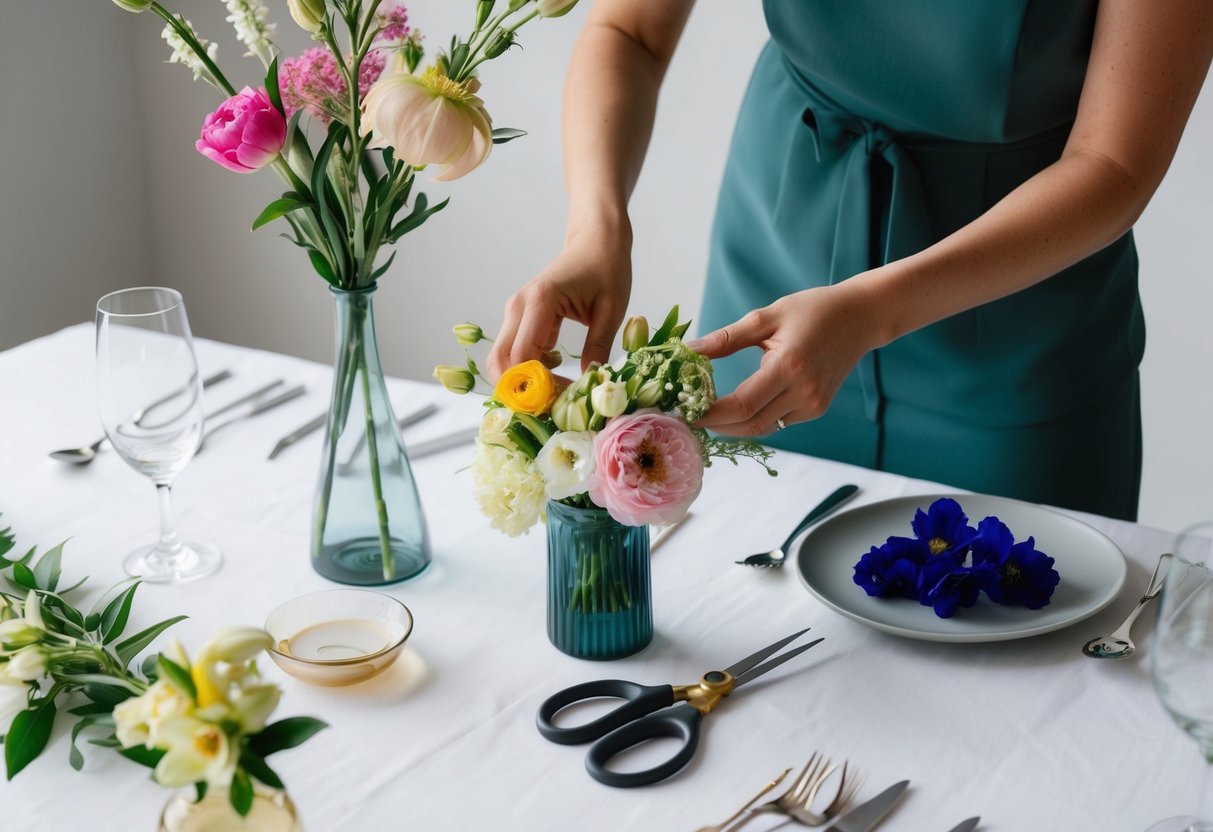
To keep your wedding flowers looking beautiful and fresh throughout your big day, it’s important to focus on two main areas: preparing your flowers properly and using floral supplies effectively. These steps will enhance both the lifespan and visual appeal of your arrangements.
Preparing Flowers for the Big Day
Start by ensuring your fresh flowers are in their best condition. Trim the stems at an angle to promote better water absorption. Remove any leaves that will sit below the water line to prevent bacterial growth.
Make a simple solution of flower food to keep your blooms fresh. You can easily mix it with water in your vases or bouquets.
Keep your arrangements hydrated before the ceremony. Store your DIY wedding bouquet in a cool place until it’s time to walk down the aisle.
Using Floral Supplies Effectively
Utilize floral supplies wisely to enhance your designs. White ribbon can add a touch of elegance when tied around bouquets or centerpieces. Make sure you secure your flowers tightly, so they stay in place throughout the event.
Choose sturdy vases or containers that match your wedding theme. This will not only add to the aesthetics but also support your arrangements effectively. Use floral foam to help stabilize your wedding centerpieces if necessary.
Don’t forget to check the water levels in your vases regularly. Maintaining hydration is key to keeping your blooms vibrant and beautiful all day long.