
Is It Free to Get Married in a Church UK? Understanding the Costs Involved
If you’re considering saying “I do” in a church in the UK, you might wonder about the costs involved. Many people share the dream of a beautiful church wedding but worry about the fees that could come with it.
While a basic privilege allows you to get married in a church for free, you will have to pay certain fees for the ceremony and other related services.
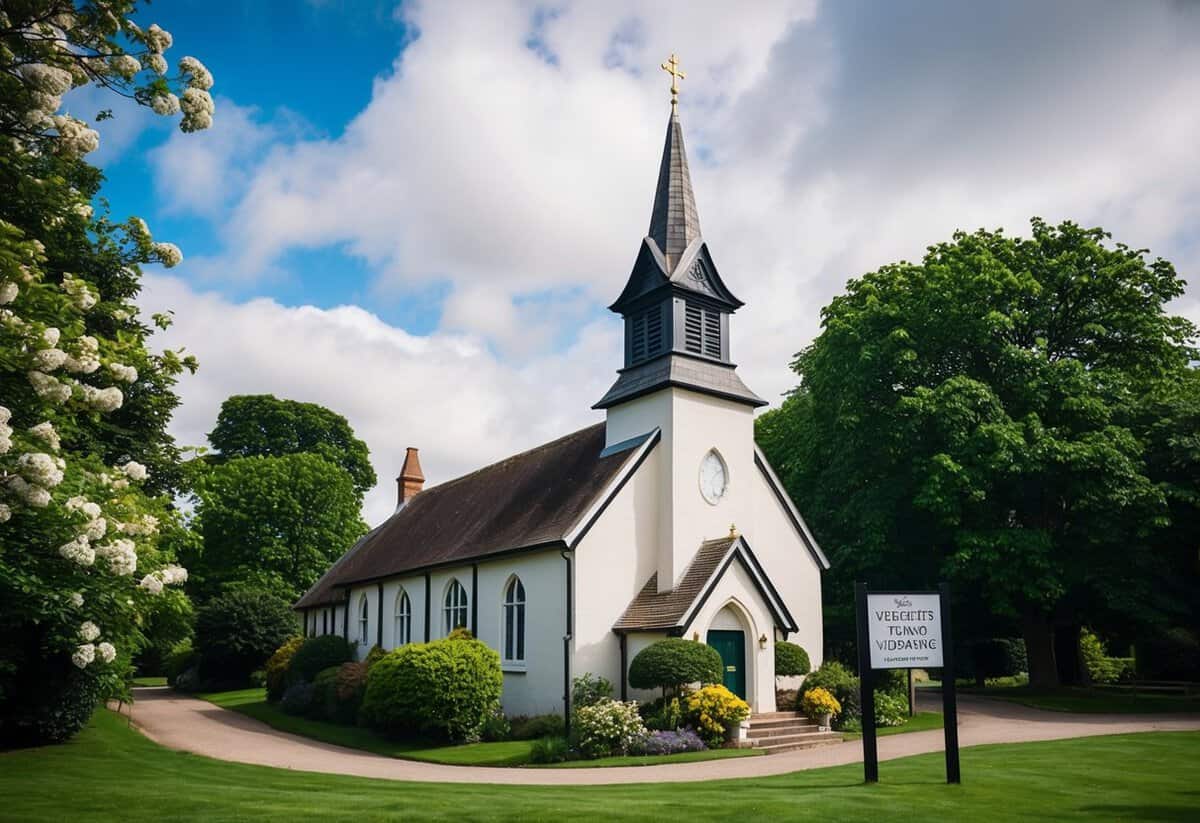
Getting married in a church is not just a legal formality; it also offers a unique and meaningful setting for your big day. You might be surprised to learn that each church has its own fees for services such as the marriage ceremony, music, and use of the church space.
Understanding these costs can help you budget better and plan a wedding that feels just right for you.
Stay with us to find out more about what you can expect to pay and how to navigate the process of a church wedding in the UK. Your dream wedding could be closer than you think!
Understanding Church Weddings in the UK
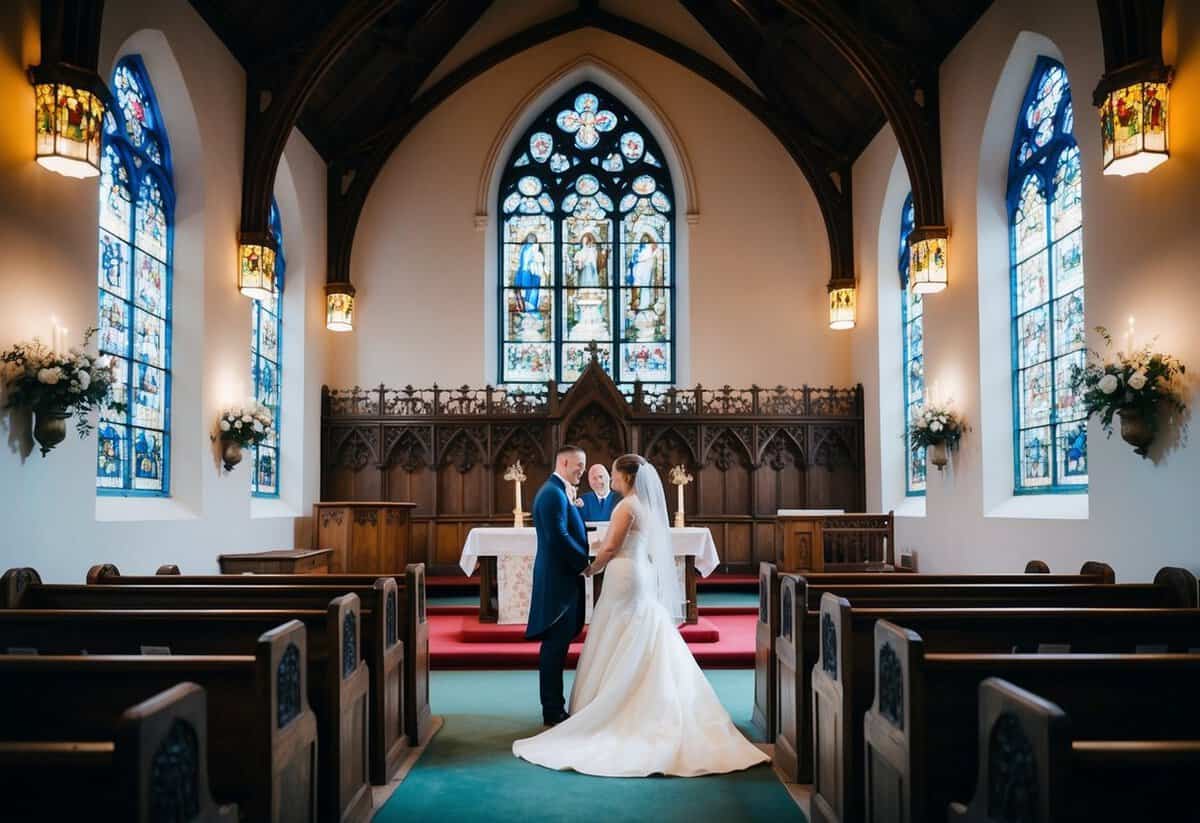
Getting married in a church involves specific guidelines and options. Knowing the role of the Church of England and Church in Wales, the legal requirements involved, and what options are available for same-sex couples can help you navigate your church wedding.
The Role of The Church of England and Church in Wales
The Church of England and the Church in Wales both offer the sacrament of marriage. Both churches allow couples to marry in their local parish church, which is usually where you live or have a strong connection. This can include places where you were christened or where your parents were married.
A vicar typically leads the wedding ceremony. Each church has its own customs, but the service generally includes readings, hymns, and vows. If you’re planning a church wedding, it’s essential to meet with the vicar. They can guide you through the process and discuss any specific needs or requests you have.
Legal Requirements and Ceremonial Steps
To marry in a church, there are several legal requirements you must meet. You need to obtain a marriage license, which includes giving notice of your intent to marry at your local registry office.
You will also need a superintendent registrar’s marriage schedule, which you must bring to your wedding. The ceremony must take place between 8 am and 6 pm.
During the wedding service, you will exchange vows and receive a marriage certificate, which proves your legal status as a married couple. This document is important for legal and personal reasons.
Options for Same-Sex Couples
Same-sex couples can also have a church wedding, but options vary by denomination. The Church of England does not allow same-sex marriages yet; however, some Anglican churches provide blessings for same-sex couples.
The Methodist Church and other denominations permit same-sex marriage ceremonies. If you are interested in a church wedding, check with your local parish about their specific policies.
It is essential to communicate openly with your chosen church and ensure that they respect your relationship. This will help you plan a ceremony that aligns with your values and beliefs.
Planning Your Church Wedding Ceremony
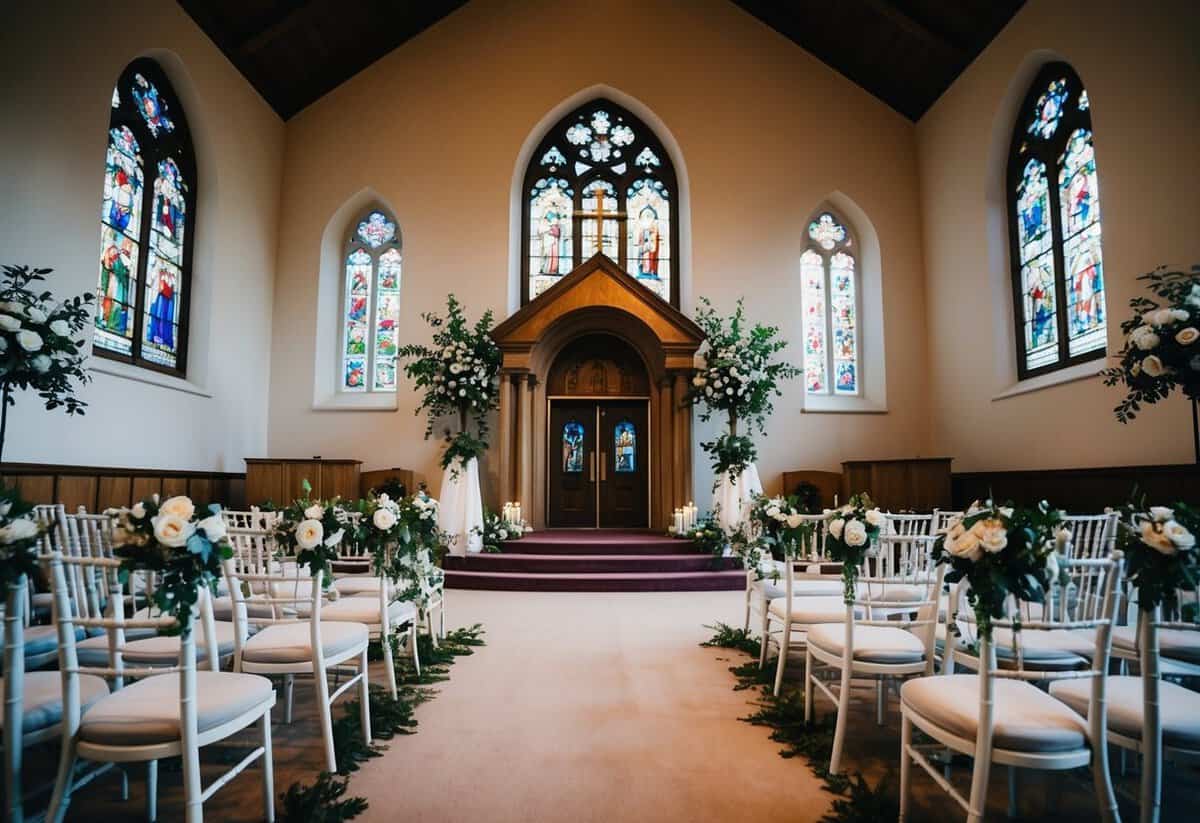
Planning your church wedding ceremony involves several important steps. You need to select a date and venue, understand the process of banns and marriage licenses, and find ways to personalize your wedding service. Let’s explore each of these steps in detail.
Selecting Your Wedding Date and Venue
Choosing the right date and venue is crucial for your church wedding. Many couples opt for Saturdays, but feel free to consider other days. You may even get married any day of the week, as long as you confirm availability with your church.
Check with your vicar early on. Some dates may fill up quickly, especially during peak wedding seasons. Think about your guests’ availability too; a holiday weekend might work best for everyone.
Additionally, consider logistics like travel time for your guests. Make sure the church has the capacity to accommodate all your loved ones. Planning ahead ensures you secure your desired date and venue for your special day.
The Process of Banns and Marriage Licences
Banns of marriage are an important part of planning your wedding. The church will read your banns three Sundays in a row before your wedding date. This lets the church community know about your upcoming marriage.
You also need a banns certificate. It’s proof that the banns were read, which you’ll need for your wedding. If either of you has been married before or lives outside the parish, you may need a marriage license instead.
If you need a dispensation, your vicar can help guide you through that process. Always confirm these requirements early to avoid any last-minute stress.
Personalizing Your Wedding Service
Making your wedding service uniquely yours adds a personal touch to your ceremony. Talk to your vicar about the different options available for readings, hymns, and music.
You can choose traditional elements or modernize your ceremony. Consider involving family members to read or play music. This can make the service feel more intimate.
Don’t forget about the vows! You may personalize them, but check with your church to ensure compliance. Many couples also choose to attend a marriage preparation course, which can provide helpful insights and strengthen your relationship before saying “I do.”
Cost Considerations for Church Weddings
When planning a church wedding, it’s important to understand the various costs involved. You’ll have compulsory expenses as well as optional extras that can enhance your day. Knowing these can help you budget effectively and avoid surprises.
Compulsory and Optional Expenses
Every church wedding comes with legal requirements that carry compulsory costs. You will need to pay legal fees, which usually range from £200 to £600, depending on the church. This fee is essential for the marriage to be legally recognized.
Optional costs can greatly affect your overall budget. You might choose to add flowers, music, or a professional photographer to make your ceremony special. For example, church flowers can range from £50 to £300 based on your preferences. While these additions enhance your experience, they aren’t necessary to complete the legal process.
Budgeting for Additional Elements
As you plan, think about additional elements that could enrich your ceremony. Setting aside funds for decorations, music, or a choir can help create a memorable atmosphere.
Consider creating a list of all the extras you are interested in. For example:
- Decorations: Approx. £100 – £500
- Music: Hiring a choir could cost anywhere from £200 – £600
- Pre-marital counseling: Some churches might require this within the cost.
While you can keep expenses low, having a clear plan helps ensure you stay on budget while enjoying a heartfelt celebration.