
Is It Illegal to Photograph the Signing of the Wedding Register? Understanding the Rules and Etiquette
When it comes to weddings, capturing the special moments is a top priority for many couples. You might wonder about the legality of photographing the signing of the wedding register, a key part of the ceremony. In many places, it is no longer illegal to take photos during this moment, but there are still some rules and guidelines to consider.
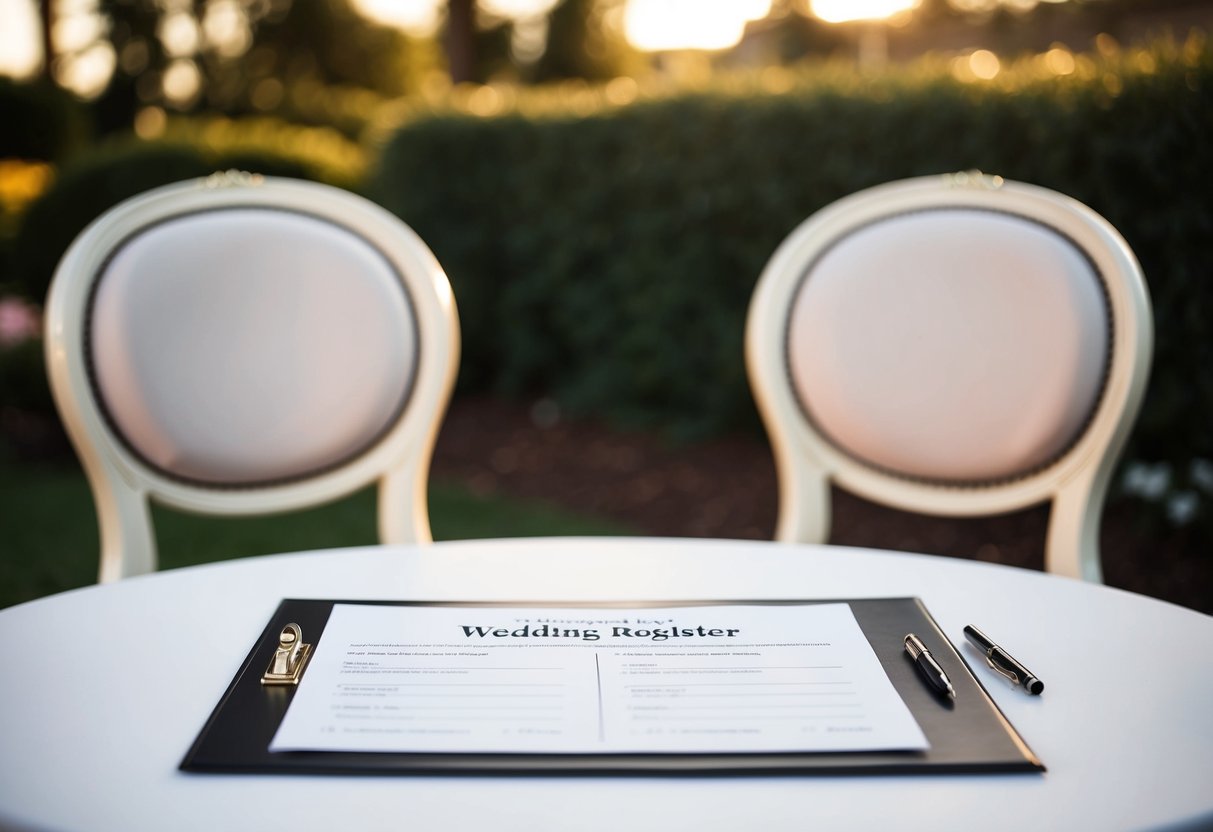
Wedding photographers often want to capture every detail, including this significant act of signing the register. In the past, restrictions around data protection made it difficult to photograph this moment in certain areas. However, recent changes have allowed for more flexibility, making it easier for you to have those memories documented.
Understanding the current rules about photographing the signing of the wedding register can help ensure you have the best photo collection possible. If you’re planning your wedding, knowing what your photographer can and cannot do is essential for capturing those special memories.
Legal Considerations for Photographing the Wedding Register

When considering photography at a wedding, especially during the signing of the register, there are several important legal aspects to keep in mind. These include data protection laws, the rights of the couple getting married, and specific regulations set forth by registry offices. Let’s explore each aspect to give you a clearer understanding.
Understanding the Data Protection Act
The Data Protection Act governs how personal data should be handled. When photographing the wedding register, you must be cautious as it contains personal information. This could include names, addresses, and other identifying data.
If you plan to share any images publicly, you should obtain consent from the couple. It is essential to respect their privacy. If you capture any sensitive information unintentionally, be mindful of Data Protection principles.
Rights of the Bride and Groom
As the bride and groom, you have rights regarding your image and personal information. You can decide whether to allow photographs during the signing of the register.
Many couples value their privacy and might not want this intimate moment photographed. It is always best to discuss it with them beforehand. Remember, your consent is crucial, as sharing images without permission can lead to legal issues.
Registry Office Regulations
Each registry office has its own set of rules for photography. Some may allow photos during the signing, while others strictly prohibit it.
It’s vital to check the policies of the specific registry office where the wedding will take place. Many offices have moved towards more flexible rules. Still, being aware of these regulations helps avoid any misunderstandings on the big day. Always communicate with registry staff to clarify what is permitted.
Best Practices for Wedding Photographers
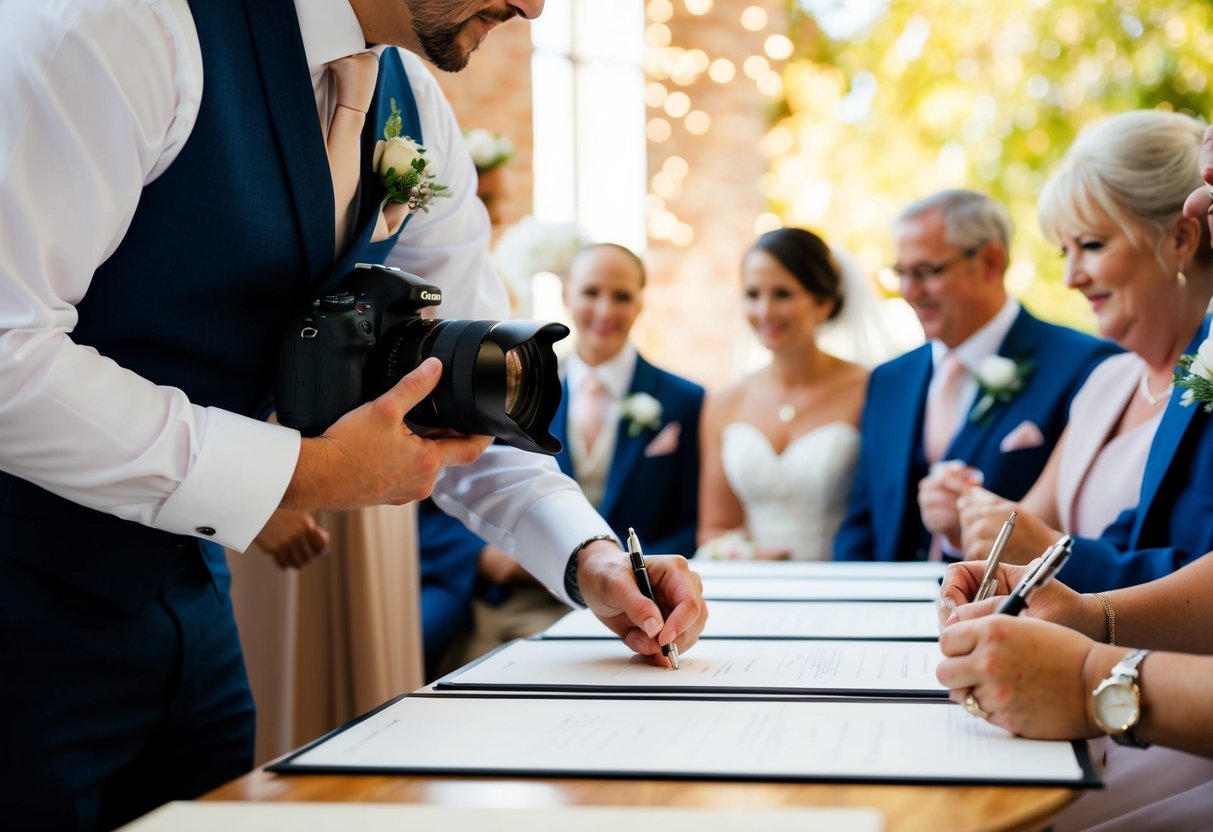
As a wedding photographer, it is important to follow guidelines to ensure a smooth experience for everyone involved. Keeping in mind the bride and groom’s wishes, respecting privacy laws, and exercising discretion can create a positive atmosphere during the big day.
Obtaining Consent
Before the wedding day, have a conversation with the bride and groom about their preferences for photography. Clarify what moments they want captured, especially regarding the signing of the register. It’s crucial to respect their wishes and any restrictions set by the venue.
Key steps to obtain consent:
- Discuss specific shots the couple desires.
- Explain any legal limitations regarding photography.
- Have them sign a photography contract outlining your role.
This process not only builds trust but also ensures you are on the same page.
Discretion During the Ceremony
During the ceremony, including the signing of the register, use your professional judgment. If the venue prohibits photography at certain moments, follow those rules. Your role is to capture the day without disrupting the event.
Helpful tips for discretion:
- Position yourself wisely to be unobtrusive.
- Use a zoom lens for candid shots from a distance.
- Capture emotions without being in the way of guests or officiants.
Being discreet helps maintain the ceremony’s atmosphere, allowing the bride and groom to enjoy their special moments.
Editing and Sharing Guidelines
After the wedding, your editing process should remain mindful of the couple’s privacy. Be sure to ask for their input on which images can be shared publicly.
Editing considerations include:
- Avoid heavy edits that alter the couple’s appearance.
- Respect their choice if they wish to keep some images private.
- Create a shared online gallery for easy access.
Making the editing and sharing process transparent builds rapport and ensures the couple feels comfortable with how their memories are presented.
Common Scenarios and Solutions

When it comes to photographing the signing of the wedding register, various situations can arise. Understanding these scenarios can help you navigate the rules and expectations. Here are some common challenges and ways to handle them.
Indoor vs Outdoor Venues
Indoor venues often have stricter rules for photography during the signing of the register. You might encounter restrictions from the officiant or venue, meaning you have to be discreet. Always check in advance to understand the specific policy of the venue.
In contrast, outdoor venues often provide more freedom. The relaxed atmosphere may allow you to capture candid moments without interruptions. Remember to communicate with your couple about what they want, as their comfort is key.
Make sure you scout both types of venues in advance. This helps you anticipate lighting needs and plan your shots for the best results.
Handling Objections
Sometimes, officiants may object to photography during the signing. If you face this situation, stay calm. Politely explain your intent is to capture a significant moment in their lives. Clear communication can often resolve misunderstandings.
If the officiant remains firm, you can suggest taking photos just before or after the actual signing. You might also consider using a second shooter to capture reactions from guests instead.
Tips for Unobtrusive Photography
To photograph the signing without being intrusive, use a longer lens. This allows you to maintain distance while still capturing fine details.
Consider different angles too. Position yourself in a way that you can get candid shots without stepping in the way.
Timing is important. Look for moments when the couple is signing, but the officiant is not directly in your line of sight. Be ready to capture expressions of joy and love.
Lastly, always check in with your couple. Ensure they feel comfortable with how you’re capturing their special moments. Communication can help you provide the best experience while respecting any rules in place.