
Is It Inappropriate to Wear a Floor-Length Dress to a Wedding? Understanding Dress Codes and Etiquette
When you’re preparing for a wedding, choosing the right outfit can feel overwhelming, especially when it comes to something as elegant as a floor-length dress. Many guests wonder if it’s appropriate to don this stunning attire at various wedding types. Wearing a floor-length dress is generally acceptable, especially for formal weddings, as it aligns well with the expected level of elegance.
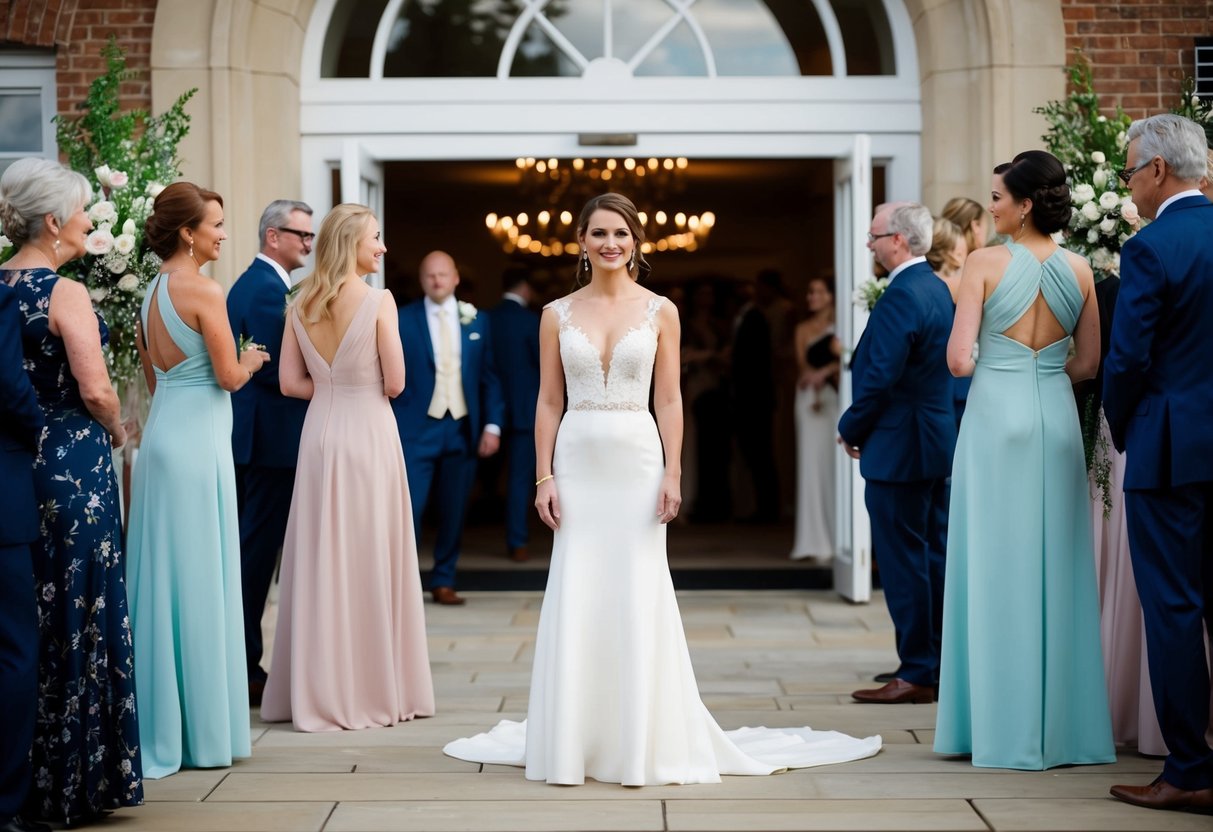
It’s important to consider the specific dress code outlined by the couple. For formal weddings, a floor-length gown is often seen as the standard choice for women, ensuring that you fit in with the overall theme and atmosphere. However, if the wedding has a more casual vibe, such as a beach or backyard event, you might want to adjust your attire to match the less formal setting.
Paying attention to the details provided by the couple can help you make the best choice. By doing so, you can feel confident and stylish while respecting their special day.
Understanding Wedding Dress Codes
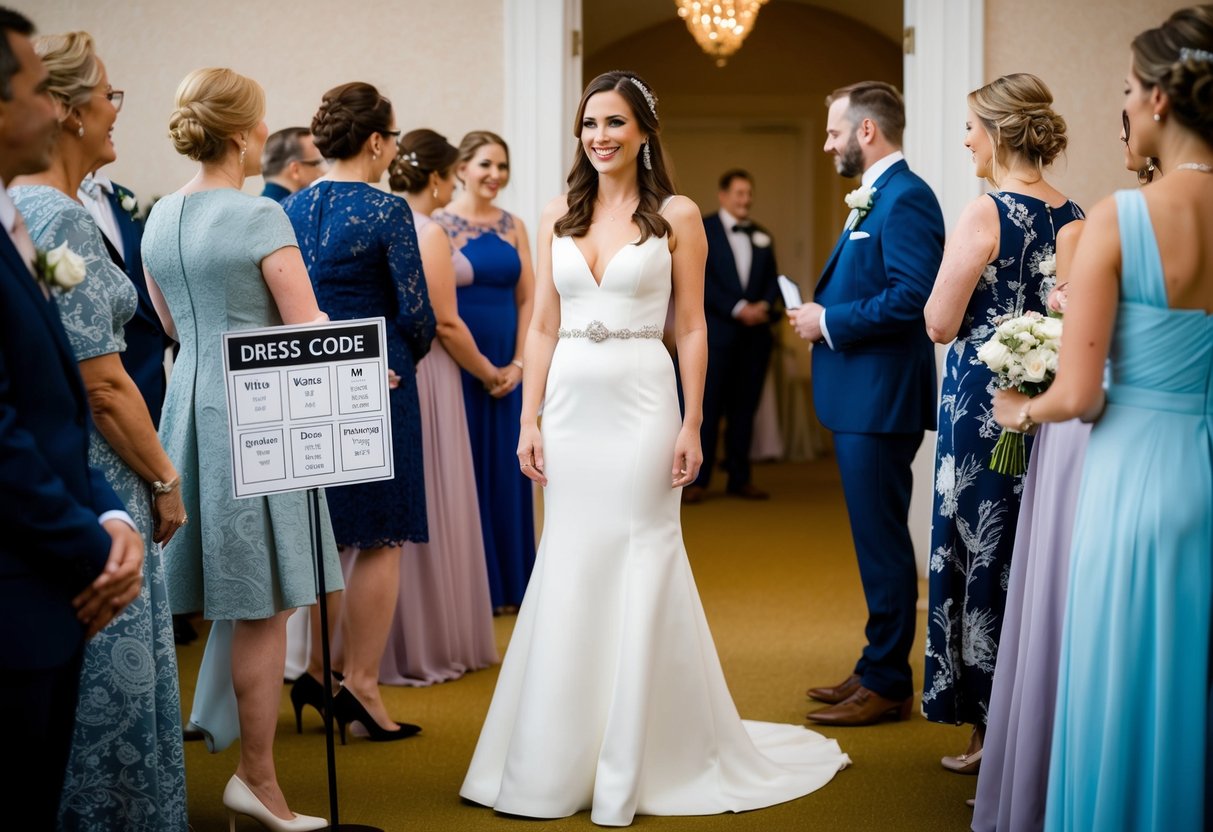
Wedding dress codes can vary widely, and knowing the differences is key to choosing the right outfit. From formal attire to casual options, understanding these codes helps you feel comfortable and appropriate at the celebration.
The Spectrum of Formality in Wedding Attire
Wedding dress codes fall on a spectrum from casual to very formal. Here’s a quick guide:
- Casual Wedding: This allows for relaxed attire. Think sundresses or nice slacks and a button-up shirt.
- Cocktail Attire: For this, women might wear a cocktail dress, while men can opt for dress pants and a blazer. It’s dressy but not too formal.
- Semi-Formal: Here you can wear a longer dress or dressy separates. Men can wear dark suits.
- Formal/Black-Tie Optional: Women dress in floor-length gowns, while men can wear a tuxedo or a dark suit.
- Black Tie: A classic tuxedo is required for men, and women typically wear formal gowns.
- White Tie: This is the most formal option. Women should wear floor-length dresses, while men need to wear a tailcoat.
Interpreting the Invitation’s Dress Code Clues
The invitation often gives clear clues about the expected attire. Read it carefully!
Look for specific terms like “cocktail” or “black tie” as these dictate how formal you should dress. Also, check for the following details:
- Time and Place: Daytime weddings are usually less formal than evening events. A beach wedding might call for lighter fabric and casual styles.
- Venue Type: An upscale ballroom suggests formal attire, while a backyard wedding could mean a more relaxed vibe.
Knowing how to interpret these clues will help you choose the most fitting outfit for the occasion. Remember, when in doubt, it’s best to dress slightly more formally than the invitation suggests.
Floor-Length Dresses at Weddings
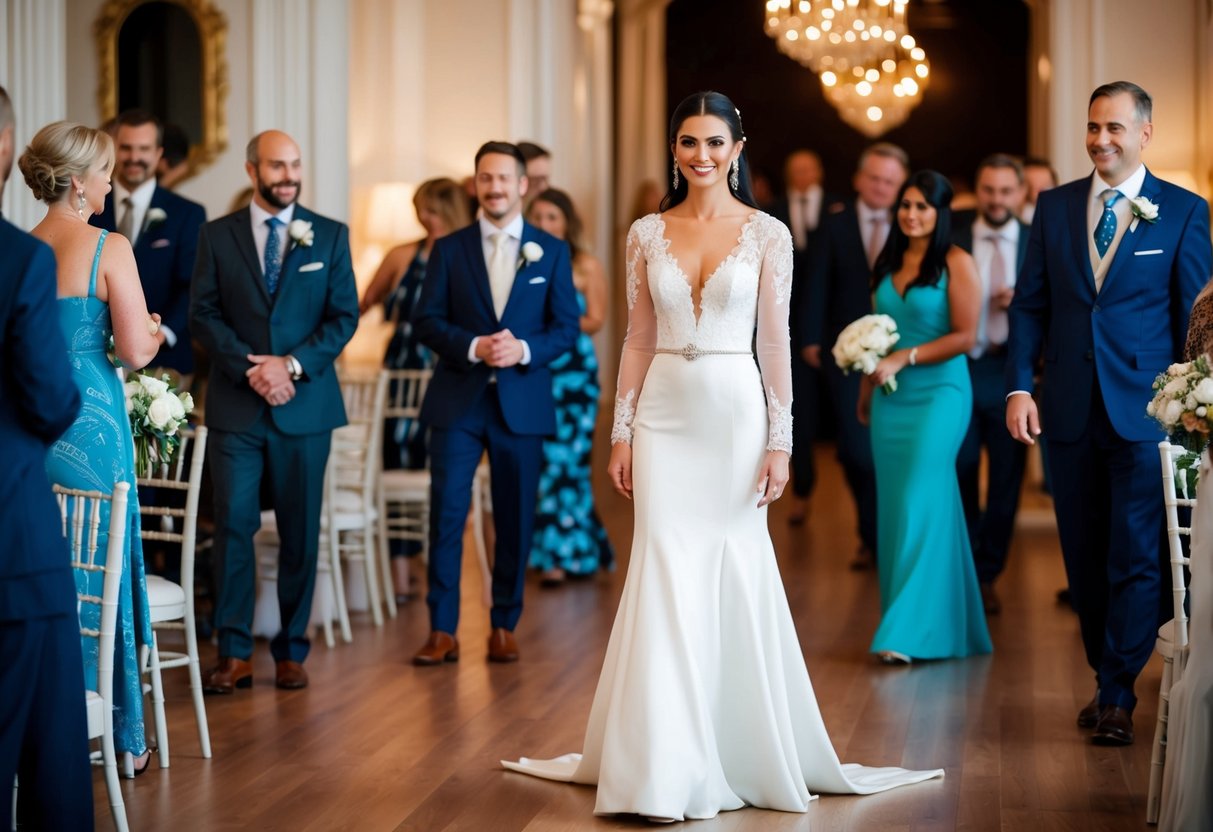
Wearing a floor-length dress to a wedding can be stylish and appropriate, depending on various factors. Knowing when and how to choose the right dress can enhance your look while respecting the wedding’s dress code.
When to Choose a Floor-Length Dress
Floor-length gowns are best suited for formal events. If the wedding is labeled as black tie, an elegant evening gown is a fantastic choice. These dresses typically denote sophistication and respect for the occasion.
Consider the time of day as well. Evening weddings often call for more formal attire, making a floor-length dress an excellent fit. For daytime weddings, lighter fabrics and styles may be more appropriate, but you can still opt for a floor-length dress if it has a less formal design.
Your choice should also be influenced by the wedding’s location. For example, a grand indoor venue might be perfect for a luxurious, beaded gown. Meanwhile, outdoor settings generally allow for softer fabrics and more relaxed styles.
Colors and Styles to Consider
When selecting colors and styles for your dress, keep the season in mind. Spring and summer weddings might feature lighter or brighter colors, such as pastels. For fall and winter, deeper hues like burgundy or navy can look stunning.
Styles vary too. You might choose a classic A-line silhouette for a timeless look or a form-fitting gown for a more modern appearance. Both can be appropriate, depending on your personal style and the wedding’s formality.
Remember to think about modesty too. Opting for long sleeves or higher necklines may be suitable for certain weddings, especially in religious settings. Ultimately, your floor-length dress should reflect your taste while honoring the occasion.
Alternative Wedding Guest Outfits
When choosing what to wear to a wedding, you might consider options other than a traditional floor-length dress. Different settings and dress codes open up creative possibilities for your attire while still respecting the occasion.
Dressing Appropriately for Different Wedding Settings
Weddings come with various dress codes, such as Cocktail Attire, Formal, or Dressy Casual. It’s essential to match your outfit to the event’s theme.
For a formal wedding, you might opt for a ball gown or an elegant maxi dress. These choices provide sophistication without losing comfort.
At a more relaxed outdoor wedding, a bright sundress lets you stay stylish while enjoying the fresh air. Pairing a dress shirt and slacks works well too, especially for men. Explore options like a dark suit for a polished look.
Making a Fashion Statement While Respecting Traditions
Feeling unique in your wedding outfit is important, but tradition also matters. If you want to stand out, consider an elegant pantsuit. This modern take on formalwear can be equally stunning as a dress.
Another choice is a trendy jumpsuit. They can be just as chic and offer comfort for dancing. You can elevate your look with accessories like statement jewelry.
Remember, you can respect the wedding guest dress code while showcasing your style. A well-chosen outfit reflects the couple’s wishes and your personality. Your attire can express individuality without overshadowing the ceremony.
Additional Considerations for Wedding Attire
When deciding on wedding attire, it’s important to think about colors and patterns, as well as how the weather and venue might affect your outfit. These factors not only influence your comfort but also show respect for the couple’s special day.
Choosing Colors and Patterns Wisely
Selecting the right colors and patterns can help you fit in with the wedding’s theme. Here are some key points to keep in mind:
- Avoid White: Unless the couple specifies it’s okay, steer clear of white as it’s traditionally reserved for the bride.
- Think About Black: While black can be elegant, some weddings see it as too formal or somber, especially during daytime events.
- Consider Wedding Party Colors: If you know the wedding party colors, it’s best to avoid wearing those shades. This helps you not to clash with the bridal party, which often wears coordinated outfits like bridesmaid dresses.
- Use Patterns with Care: Patterns can add personality, but they should complement the overall mood. For instance, floral patterns work well for casual weddings, while subtle prints suit formal events better.
Navigating Weather and Venue-Specific Challenges
The venue and weather play a significant role in what you should wear. Consider these points:
- Beach Weddings: If the wedding is at the beach, opt for light fabrics that flow. You might want to wear sandals instead of heels to make walking easier.
- Outdoor Events: Bring layers, such as a shawl or light jacket, in case it gets chilly later in the evening.
- Formal Venues: If the wedding is at a fancy venue, ensure your outfit matches the formality. A floor-length dress can be a great choice, but make sure it’s appropriate for the setting.
- Indoor Ceremonies: Comfort is key. Consider the temperature inside and how long you’ll be there. Choose breathable fabrics to stay comfortable throughout the event.