
Is It Mini Moon or Minimoon? Meaning and Spelling Guide
If you’re asking how to spell the term, use minimoon as your one-word default; mini-moon is also accepted, and mini moon appears in informal use. For a short post-wedding getaway, both “minimoon” and “mini-moon” are accepted spellings; in astronomy, a minimoon is a temporarily captured asteroid, while “micromoon” is clearer for a small-looking full moon near apogee.
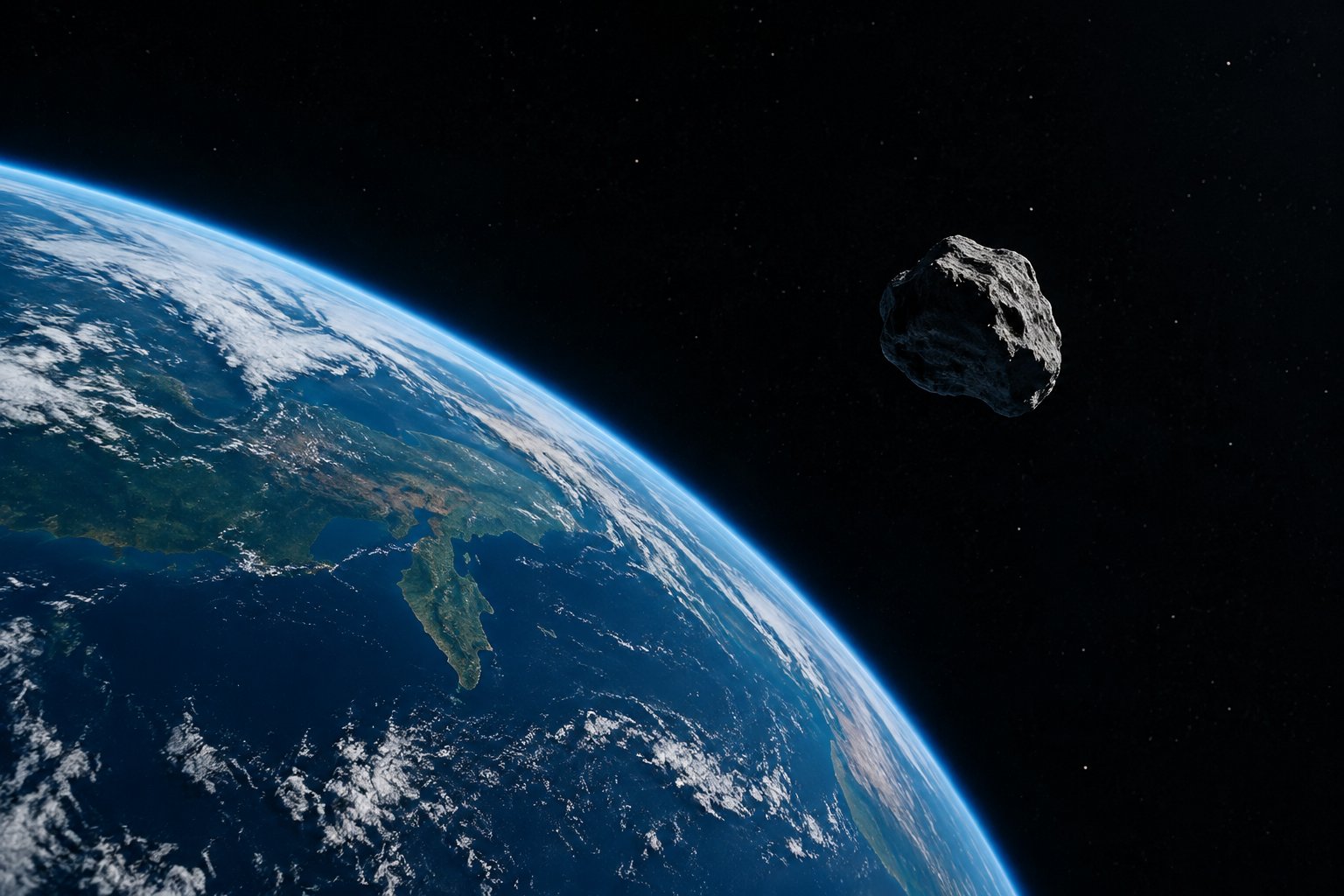
The meaning comes from context. You might see minimoon used for a newlywed couple’s quick trip, a small asteroid briefly held by Earth’s gravity, or, less commonly, a full moon that looks smaller than usual.
One Word, Three Common Meanings
A minimoon can describe a temporary asteroid companion to Earth, a short post-wedding trip, or a small-looking full moon near apogee. You can tell which meaning applies from the surrounding words.

A Temporary Asteroid Companion to Earth
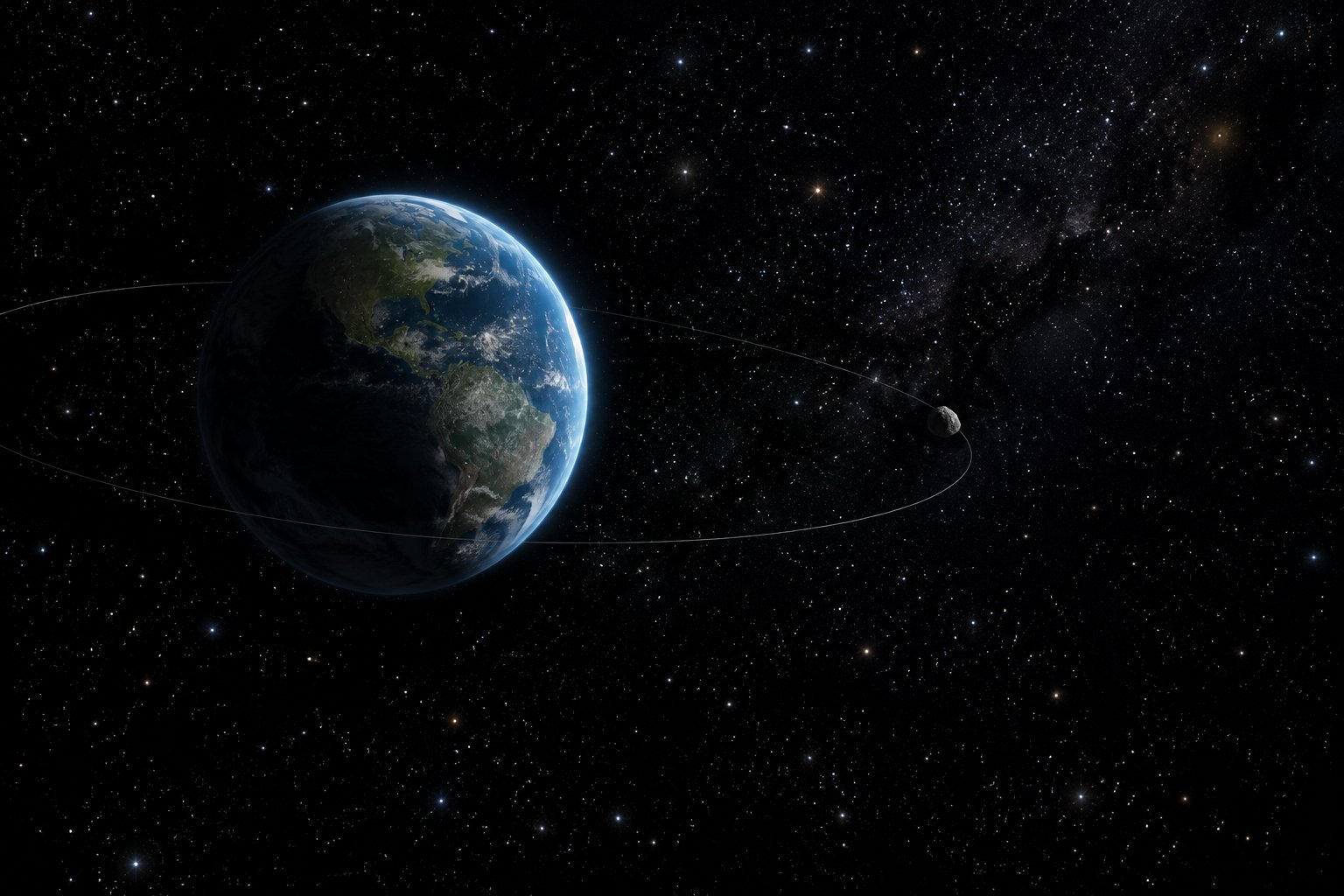
In astronomy, a minimoon is a small natural object, often an asteroid, that Earth’s gravity temporarily captures. The object spends some time traveling around Earth before returning to an orbit around the Sun.
A Short Post-Wedding Getaway
For a couple, a minimoon is a brief trip taken after the wedding. You might choose a nearby destination for a weekend or a few days, then take a longer honeymoon later, or make the short trip your main celebration.
A Small Full Moon Near Apogee
In a less common use, minimoon describes a full moon that looks small because it occurs near apogee, the Moon’s farthest point from Earth. Micromoon is the clearer term for this event. A full moon near perigee, the closest point, looks larger by comparison.
How Temporary Moons Differ From Quasi-Satellites
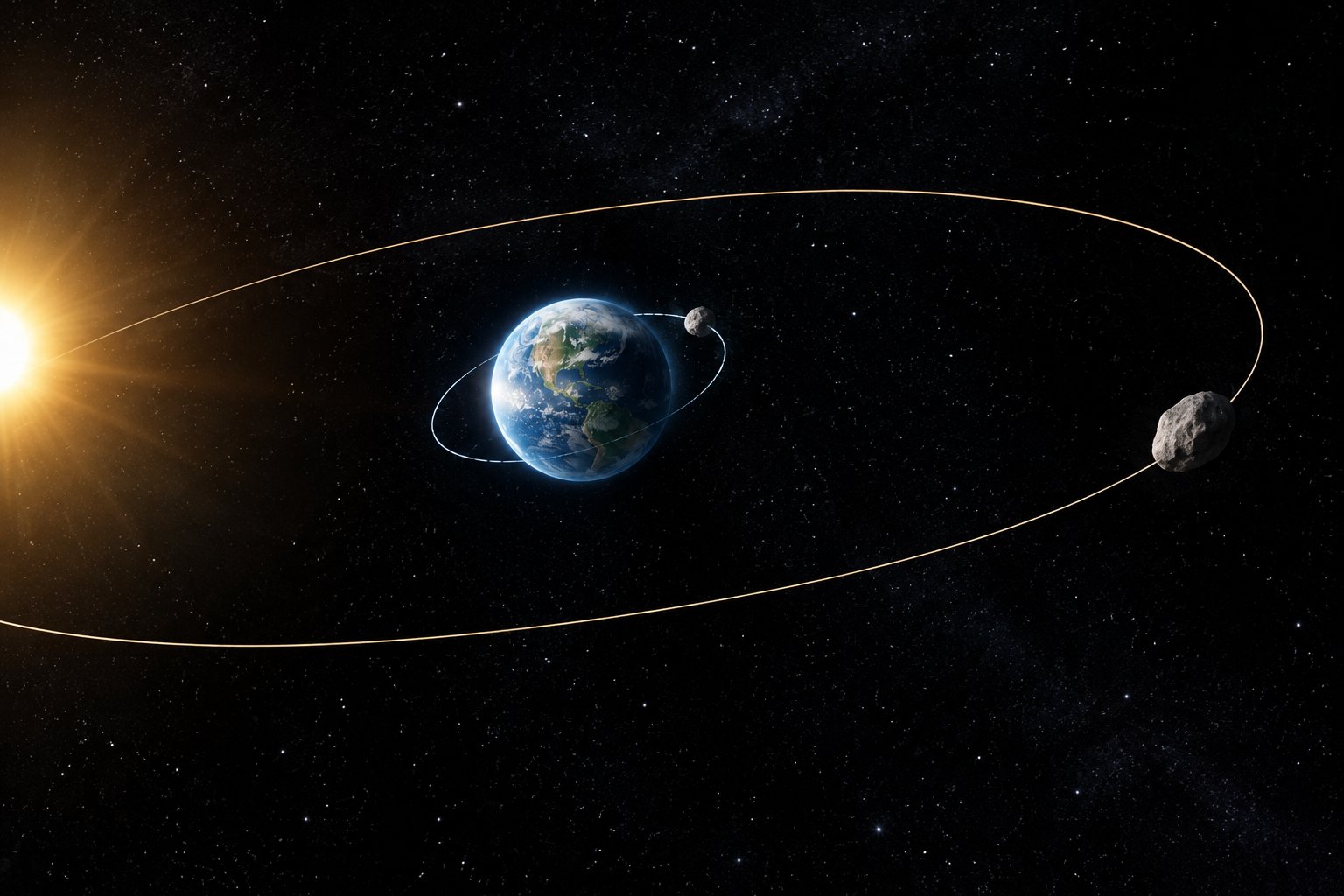
A temporary moon becomes gravitationally captured by Earth, while a quasi-satellite travels around the Sun in a path that keeps it near Earth. Their motion determines whether an object completes a moon orbit around our planet.
Temporarily Captured Orbiters and Flybys
A temporarily captured orbiter is an object whose motion becomes bound to Earth for a time and completes at least one full orbit around the planet. Some captured objects pass through Earth’s gravitational influence without completing a full circuit; astronomers call these temporarily captured flybys.
Both kinds of objects come from the population of near-Earth objects, or NEOs, which orbit the Sun and pass relatively close to our planet. Their paths can shift under the pull of Earth, the Moon, and the Sun.
Solar radiation also affects small asteroids: pressure from sunlight can nudge an object, while the Yarkovsky effect slowly changes its path as it releases heat.
Objects That Share Earth’s Orbit Without Orbiting Earth
A quasi-satellite is a near-Earth object that travels around the Sun along a path that stays close to Earth’s. From our planet, it can look like a companion, though it does not make a moon orbit around Earth.
You can distinguish the two by tracking the object’s path. A captured minimoon circles Earth for a limited time; a quasi-satellite remains in a solar orbit that broadly follows Earth.
Which Earth Minimoons Have Astronomers Confirmed?
Astronomers have confirmed several temporary captures, including the orbiting asteroids 2006 RH120 and 2020 CD3. The early object 1991 VG is a notable candidate, while later discoveries include brief captures from the Arjuna asteroid group.
The Early Visitor 1991 VG
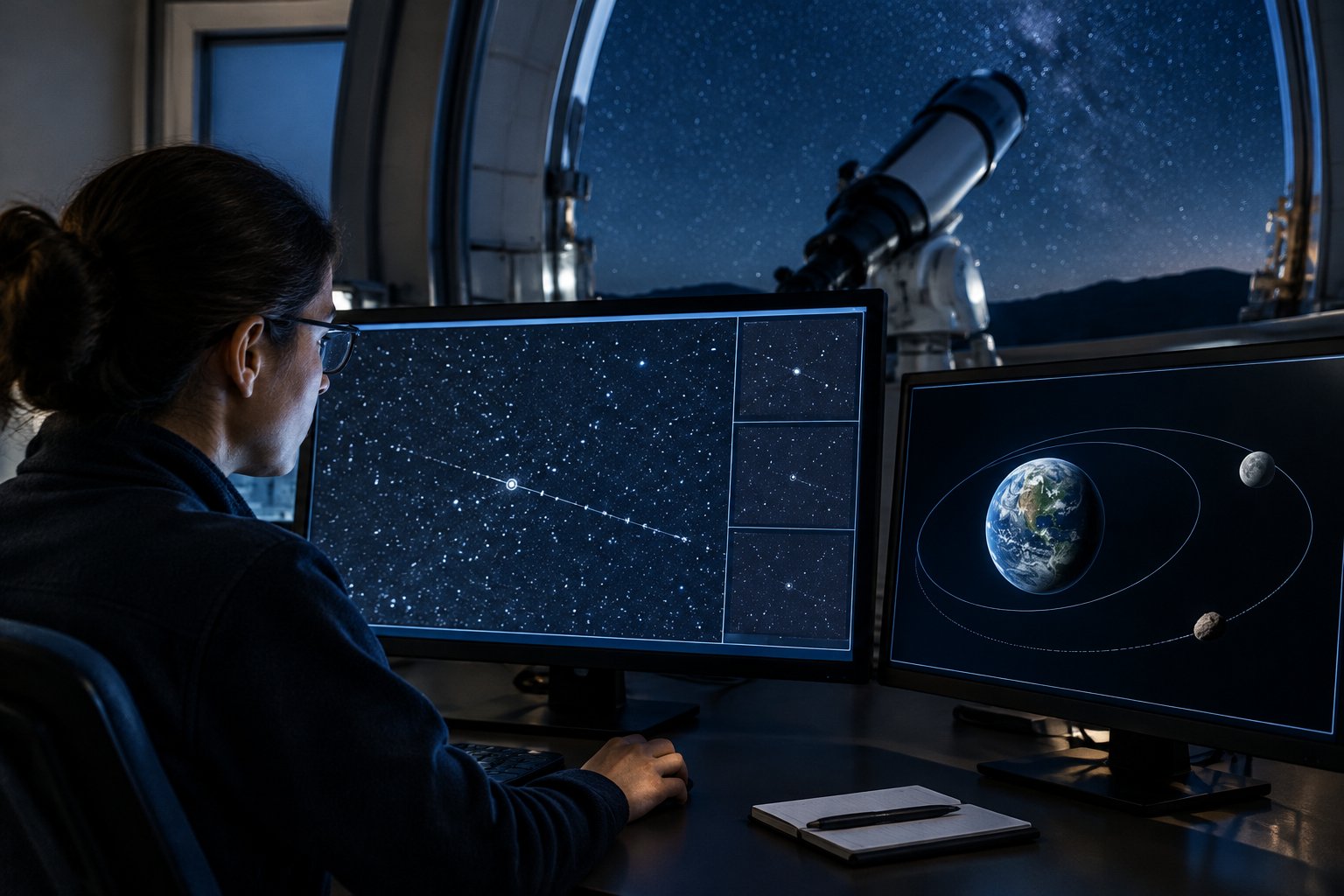
The asteroid 1991 VG was discovered in 1991 and observed near Earth for a short period. Its unusual motion drew attention as a possible temporary companion, making it an early minimoon candidate. Its status is less secure than that of later confirmed captures.
The Long-Captured Asteroid 2020 CD3
The asteroid 2020 CD3 was captured by Earth’s gravity for more than two years before it left in 2020. At roughly one to two meters across, it was too small and faint for casual viewing. Astronomers identified its path from repeated observations.
Later Discoveries and Brief Captures
The confirmed minimoon 2006 RH120 remained in Earth’s gravitational grasp for about a year. Later examples include 2022 NX1 and 2024 PT5, which made brief passages through Earth’s gravitational neighborhood. Both are linked to the Arjuna asteroid group, whose objects travel in orbits similar to Earth’s.
NASA and astronomers use observations to distinguish natural asteroids from human-made objects. That check is important because space debris can follow paths that resemble a temporary capture.
Why Are Minimoons Difficult to Find?
Minimoons are hard to detect because they are small, faint, and moving quickly across the sky. Sky surveys must spot them and collect enough observations to confirm their changing paths.
Small Size and Faint Light
Many minimoons measure only a few meters across, so they reflect little sunlight. Their close distance can make them move rapidly across telescope images, leaving observers a short window to record them. A small object can also be mistaken for a piece of space hardware until astronomers study its motion and brightness.
Sky Surveys and Official Confirmations
The Catalina Sky Survey (CSS) searches for asteroids near Earth and has discovered temporary companions, including 2006 RH120 and 2020 CD3. Surveys compare repeated images to find moving objects, then track them to build a reliable orbit.
The Minor Planet Center collects observations and helps organize records of small bodies. A discovery becomes more convincing as observations from multiple nights establish whether the object circles Earth temporarily or continues along a solar orbit.
How Should You Write the Term?
Use minimoon as your default spelling for a short post-wedding trip or a temporary asteroid companion to Earth. You can use mini-moon as a clear alternative, while micromoon helps identify the full-moon meaning.
When to Use Minimoon or Mini-Moon
Both minimoon and mini-moon appear in English usage. Many dictionaries list minimoon as one word, making it a tidy choice for general writing. The hyphenated spelling also reads clearly, especially when you want the word’s parts to stand out.
| Spelling | Common use | Clarity |
|---|---|---|
| minimoon | Wedding trip or temporary asteroid | One-word default |
| mini-moon | Wedding trip or temporary asteroid | Clear alternative |
| mini moon | Informal writing | Meaning relies on context |
How to Avoid Confusion With Micromoon
Use micromoon when you mean a full moon near apogee. The Moon’s orbit is elliptical, so its apparent size changes over the month; a full moon near apogee appears smaller than one near perigee.
Use minimoon for a brief honeymoon or a temporarily captured asteroid. If you use mini-moon for the small-looking full moon, add a few words about apogee to make your meaning clear.