
Is It Necessary to Have a Planner? Exploring the Benefits and Purpose
Have you ever felt overwhelmed by your daily tasks and appointments? Many people wonder if having a planner is truly necessary. The truth is that a planner can help you stay organized, reduce stress, and keep your goals on track.
Using a planner allows you to manage your time better and ensures you don’t forget important commitments. Whether you’re juggling work, school, or personal obligations, a planner can be your trusty companion in making sense of it all.
If you’re curious about how a planner could benefit your daily life, you’re not alone. Exploring the advantages of using a planner might just inspire you to give it a try.
The Role of a Planner in Personal Organization
Having a planner can greatly enhance your personal organization. It helps you manage your time, keep track of tasks, and achieve your goals. Let’s explore how planners can assist in effective organization.
Fostering Time Management and Productivity
Using a planner allows you to map out your day, week, or month. You can create a daily routine that suits your life and work. By scheduling your tasks and appointments, you ensure that important activities aren’t forgotten.
Planners help you prioritize tasks, making it clear what needs immediate attention. This prioritization can lead to increased productivity. When you have a structured layout, you are less likely to feel overwhelmed.
Consider keeping a to-do list within your planner. This list can keep you accountable and drive you to complete tasks efficiently. Knowing what needs to be done next keeps distractions at bay, helping you stay focused on your goals.
Scheduling and Meeting Deadlines
Planners are essential for effective scheduling. You can see all your deadlines at a glance, which helps you allocate your time wisely.
By breaking down larger projects into smaller tasks, you can set realistic deadlines and manage your workload.
In a planner, you can mark due dates and plan your work around them. This way, you reduce the chance of last-minute rushes. It creates a clear roadmap for what lies ahead, allowing you to approach tasks with confidence.
To further aid in meeting deadlines, you might use color codes or symbols. These visual cues can make your planner easier to read and help you spot critical tasks quickly.
Tracking Progress and Setting Goals
A planner is also an excellent tool for goal setting. You can outline your long-term goals and break them into actionable steps.
By tracking your progress, you’ll see how far you’ve come, which can be motivating.
Keeping a record in your planner of what you’ve completed aids accountability. It encourages you to stay committed to your goals. Regularly reviewing your tasks also helps in adjusting your plans if necessary.
Tracking progress allows you to celebrate small wins. This adds a positive boost to your daily routine, motivating you to keep moving forward. With your planner in hand, achieving your goals becomes a manageable challenge.
Psychological Benefits of Using a Planner
Using a planner can significantly enhance your mental well-being. It not only helps with organization but also offers various psychological advantages that can improve your daily life. These benefits include reducing stress, boosting motivation, and clearing mental clutter.
Enhancing Mental Health and Reducing Stress
When you have a planner, you gain a sense of control over your life. This organization can lead to reduced stress levels. When tasks are written down, you no longer have to worry about forgetting them, which helps to ease anxiety.
By planning your day, you can prioritize self-care activities. This incorporates time for relaxation and hobbies, which are essential for a balanced life. In turn, this can lead to improved mental health and vitality.
Studies show that using a planner can lead to better emotional regulation. You may find that addressing tasks ahead of time can make you feel more prepared. Feeling prepared often results in feeling confident.
Boosting Motivation and Focus
A planner serves as a tool to keep you motivated. When you jot down your goals, you can break them into smaller, actionable steps. This makes it easier to stay on track and celebrate small wins, which boosts your motivation.
Using a planner also helps to reduce procrastination. By seeing your tasks laid out in front of you, it’s easier to focus. You can allocate specific times for each task, giving you clear boundaries and a roadmap to follow.
Creating to-do lists within your planner can enhance focus. You can check off completed tasks, which provides a sense of accomplishment. This visual progress can further motivate you to keep going.
From Mental Clutter to Mental Clarity
Many people face mental clutter from overwhelming thoughts and tasks. A planner can help you organize these thoughts. Writing them down allows you to release them from your mind, providing more space for clarity.
Journaling your thoughts and feelings can also be a part of your planning routine. This can act as a supportive tool for self-reflection. Regularly assessing your feelings can lead to better emotional health.
By systematically managing your tasks with a planner, you can reduce feelings of being overwhelmed. This change can lead to a more peaceful state of mind. You will find it easier to focus on what truly matters to you.
Planners in the Digital Age
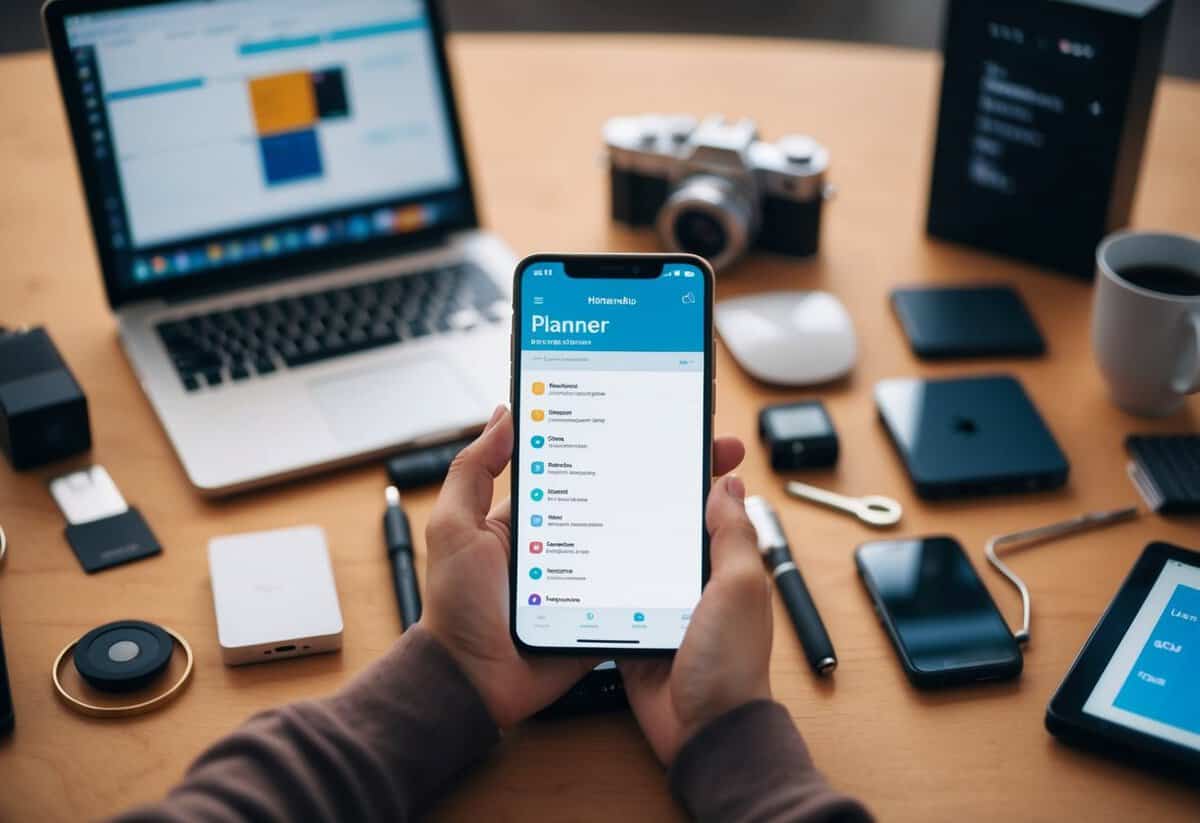
The rise of technology has changed how you approach planning. Digital tools offer unique features, while traditional planners maintain their charm. Understanding both options can help you choose what fits your lifestyle best.
Comparing Digital and Physical Planners
Digital planners have gained popularity because they offer easy access across multiple devices. You can check your schedule on your smartphone, tablet, or computer anytime. Many apps are available, with some costing less than $10 or even free.
In contrast, physical planners provide a tactile experience. Writing things down can enhance memory and creativity. Many people enjoy personalizing their planners with stickers and drawings, giving it an aesthetic appeal.
Both types have their benefits. It’s essential to consider your preferences and how you like to organize your life.
Integrating Planners with Digital Tools
Digital planners can seamlessly integrate with tools you already use. You can set reminders that sync with your calendar apps, ensuring important events don’t slip your mind.
Apps often come with features like task lists and note-taking, making it easy to organize multiple aspects of your life.
Some planners even allow cloud syncing, which means you can access your information from different devices. This flexibility can help you stay organized no matter where you are.
Bullet Journaling Goes Digital
Bullet journaling has become a popular way to plan creatively. Many people find it an excellent way to express themselves while organizing their tasks.
The digital age has brought new possibilities to bullet journaling. Apps designed for bullet journaling allow for customization while retaining a clean look.
These digital bullet journals let you add images, links, and even animated elements for a unique experience. Many platforms also provide templates that can help you get started. This makes it easier to turn your ideas into reality.
Going digital with your bullet journal preserves its creative aspect while enhancing its functionality in today’s fast-paced world.