
Is It Necessary to Kiss the Bride? Exploring Wedding Traditions and Personal Choices
When planning your wedding, you might wonder if kissing the bride is really necessary. Kissing at a wedding is not a legal requirement, but many ceremonies deeply root this tradition. This moment often symbolizes the couple’s commitment to each other. The officiant typically invites you to share your first kiss as a married couple.
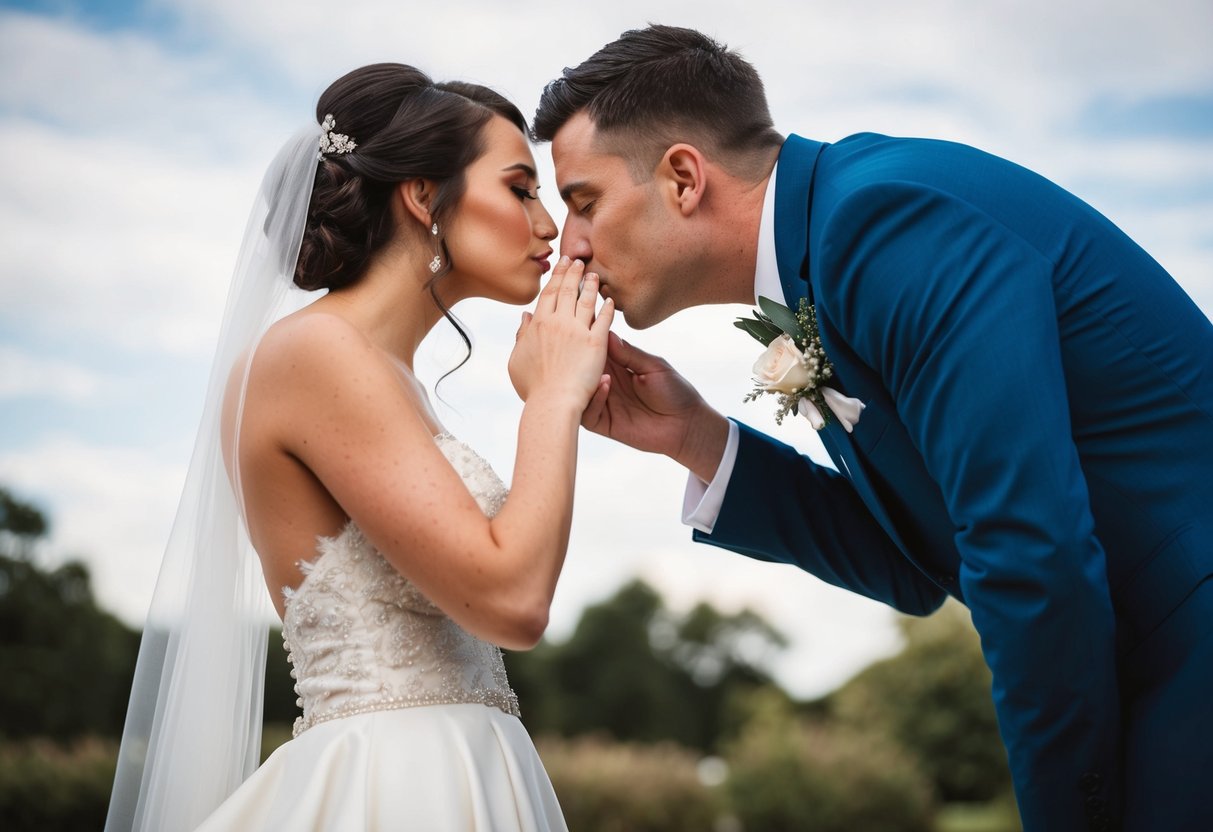
Many couples choose to embrace this tradition. However, it’s perfectly okay to tailor your ceremony to fit your comfort level. You might prefer to save the kiss for a private moment after the ceremony. Or perhaps you want to keep it short and sweet. The key is to make the choice that feels right for you and your partner.
As you think about your wedding ceremony, remember that it’s all about celebrating your love in a way that feels authentic. Whether you choose to kiss or not, what matters most is the bond you share.
Historical Origins of the Wedding Kiss
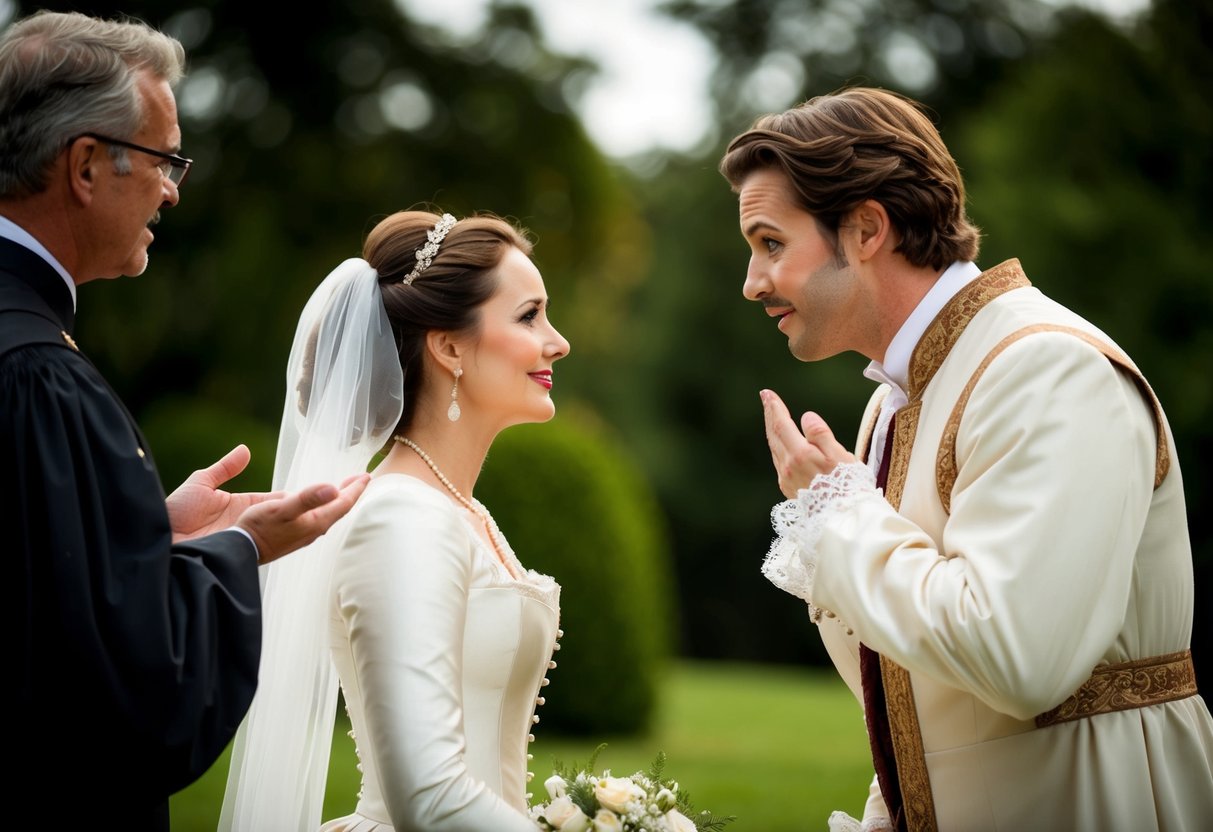
The wedding kiss has deep roots in history, connecting love, legal contracts, and cultural practices. This tradition has evolved from ancient rituals to a cherished moment in modern ceremonies.
From Ancient Rituals to Modern Practices
The practice of the wedding kiss can be traced back to Ancient Rome. During this time, marriage was seen as a legal contract. A kiss was not just a symbol of love but also a way to seal the agreement.
Ancient Romans believed that a kiss represented a bond between the couple. This idea of kissing as a legal formality laid the groundwork for wedding traditions that we recognize today. In many royal weddings, the kiss signified the union of two families.
As time passed, the ceremony embraced emotional significance. The kiss became an expression of love and devotion, marking the moment when two people became one. This transition highlights how this tradition has grown from practical beginnings to an intimate ritual.
The Role of Kissing in Different Cultures
In various cultures, the wedding kiss takes on unique meanings. For example, in Christian weddings, the “kiss of peace” was once performed by the priest and then shared between the couple. This act emphasized unity and goodwill.
In some traditions, the kiss symbolizes the commitment to support and love one another. It can also be a way to express joy and celebration.
These cultural variations reflect the shared values of love while showing how customs adapt over time. As you participate in or witness a wedding, remember that this simple act carries rich history and significance.
Ceremonial Significance

The kiss shared during a wedding ceremony plays an important role in symbolizing the union between husband and wife. It serves as both a public expression of love and a meaningful ritual steeped in tradition.
Symbolism in the Wedding Kiss
The phrase, “You may now kiss the bride,” is often spoken by the officiant at the end of the ceremony. This moment marks the official start of your journey as a married couple.
The kiss symbolizes a commitment, much like signing a contract. In ancient Rome, a kiss was a legal bond, sealing marriage vows in front of witnesses.
In your ceremony, this act expresses love and unity. It transforms your vows into a physical promise, enriching the meaning of your partnership.
Cultural Variations in Wedding Ceremonies
Different cultures have unique traditions surrounding the wedding kiss. In many Western ceremonies, it’s a common practice, expected by guests.
Some cultures, like Jewish weddings, may include a ceremonial breaking of the glass before the couple kisses. This act has its own significance, adding depth to the celebration.
In various Eastern customs, the kiss might not be as public. Instead, it may take place in a more private setting, focusing on the couple.
Regardless of the tradition, the kiss remains a cherished moment for all, connecting you with those who witness your vows.
Contemporary Kissing Practices

Kissing the bride has evolved over the years in modern weddings. Many couples now explore different ways to express their love during the ceremony. This shift reflects personal choices and diverse backgrounds in today’s interfaith ceremonies.
Modern Interpretations of the Tradition
In today’s weddings, couples often personalize the moment of their first kiss. Some choose to wait until after the ceremony for a more intimate moment, away from the crowd. This allows the newlyweds to share a private moment that feels special to them.
Additionally, creative alternatives are becoming popular. For example, some couples might opt for a playful gesture, like a dip or a high five, which can reflect their personalities. In interfaith ceremonies, traditions may blend, offering unique ways for the bride and groom to seal their vows.
Ultimately, the focus is on what feels right for you as a couple. Whether it’s a traditional kiss or a modern twist, it’s about celebrating your love in a way that’s meaningful to you both.
Legal and Religious Considerations

When it comes to the wedding kiss, both legal and religious aspects play a role in determining its significance. Understanding these considerations can help you navigate the traditions surrounding this moment in your ceremony.
Kissing as a Legal Formality
In some cultures, the kiss at a wedding serves as a legal formality. Historically, this was especially true in ancient Rome, where the kiss symbolized a legal bond between the couple. While modern weddings often don’t require a kiss for legal validation, some officiants still view it as a way to seal the exchange of vows.
In practicing this tradition, it typically happens after the wedding pronouncement. The officiant will invite you to seal your marriage with a kiss, serving as a public acknowledgment of your commitment. While it may not be legally binding in all places today, it holds symbolic value.
Religious Variations in the Wedding Kiss
The wedding kiss has unique interpretations in different religions. In a Catholic wedding ceremony, the kiss represents the “kiss of peace.” The couple usually receives a blessing from the priest before this moment. It is a chaste kiss that symbolizes unity and divine love.
In contrast, Muslim weddings usually do not include a kiss as a public display of affection. Many Muslim couples wait until after the ceremony to express their love privately. The customs surrounding the kiss can vary widely, making it essential to understand your specific religious context and preferences.