
Is It Normal for Bride to Pay for Bridesmaid Hair and Makeup? Insights for Wedding Planning
Planning a wedding can be exciting, but it comes with many questions, especially when it comes to costs. Many brides pay for their bridesmaids’ hair and makeup, especially when they want everyone to look their best on the big day. This tradition often helps create a cohesive look for the bridal party and ensures that all your friends feel pampered as they support you.
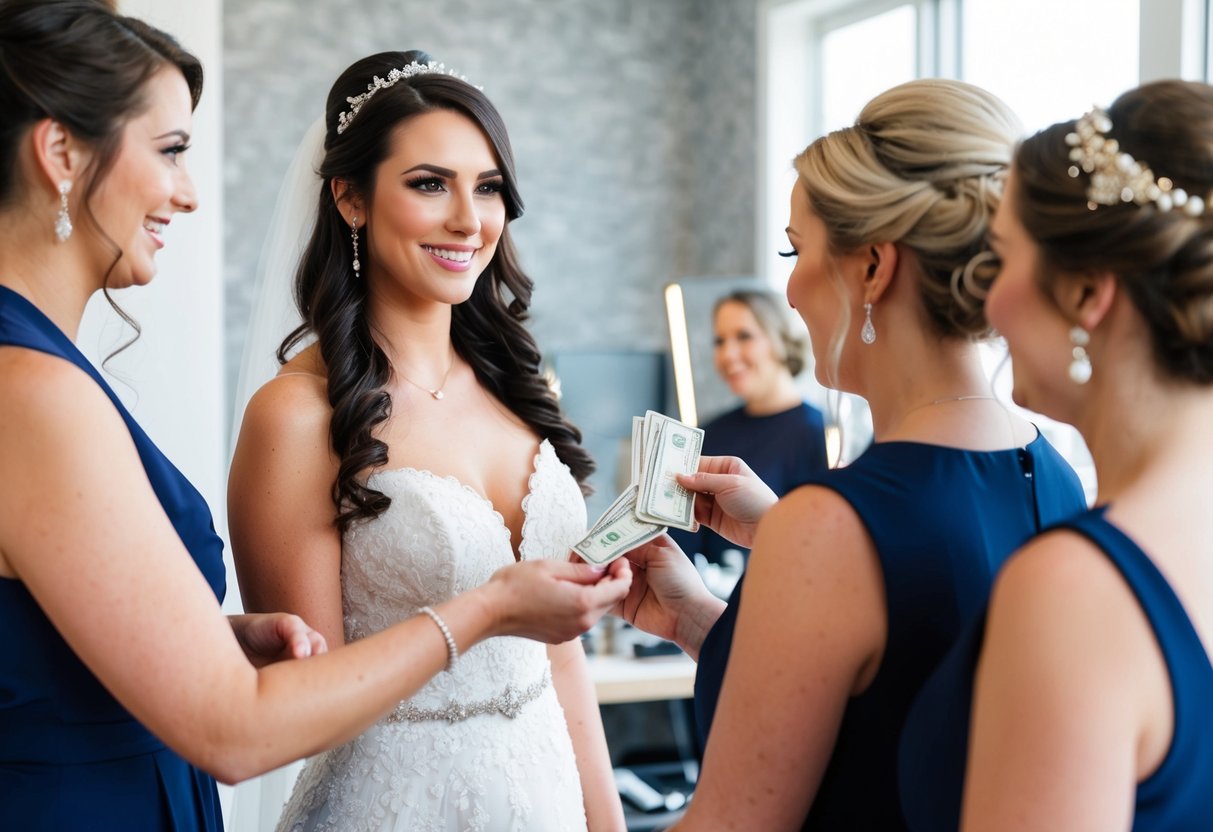
However, not every wedding follows this norm. Bridesmaids may take on their own expenses, particularly in larger bridal parties where costs can add up quickly. Ultimately, the decision depends on your budget and preferences, so it’s essential to communicate with your bridesmaids about their expectations and what you are comfortable with.
Getting clarity on who pays for what can ease stress and help you enjoy the planning process even more. After all, your wedding day is about celebrating love and friendship with those closest to you!
Understanding Wedding Etiquette
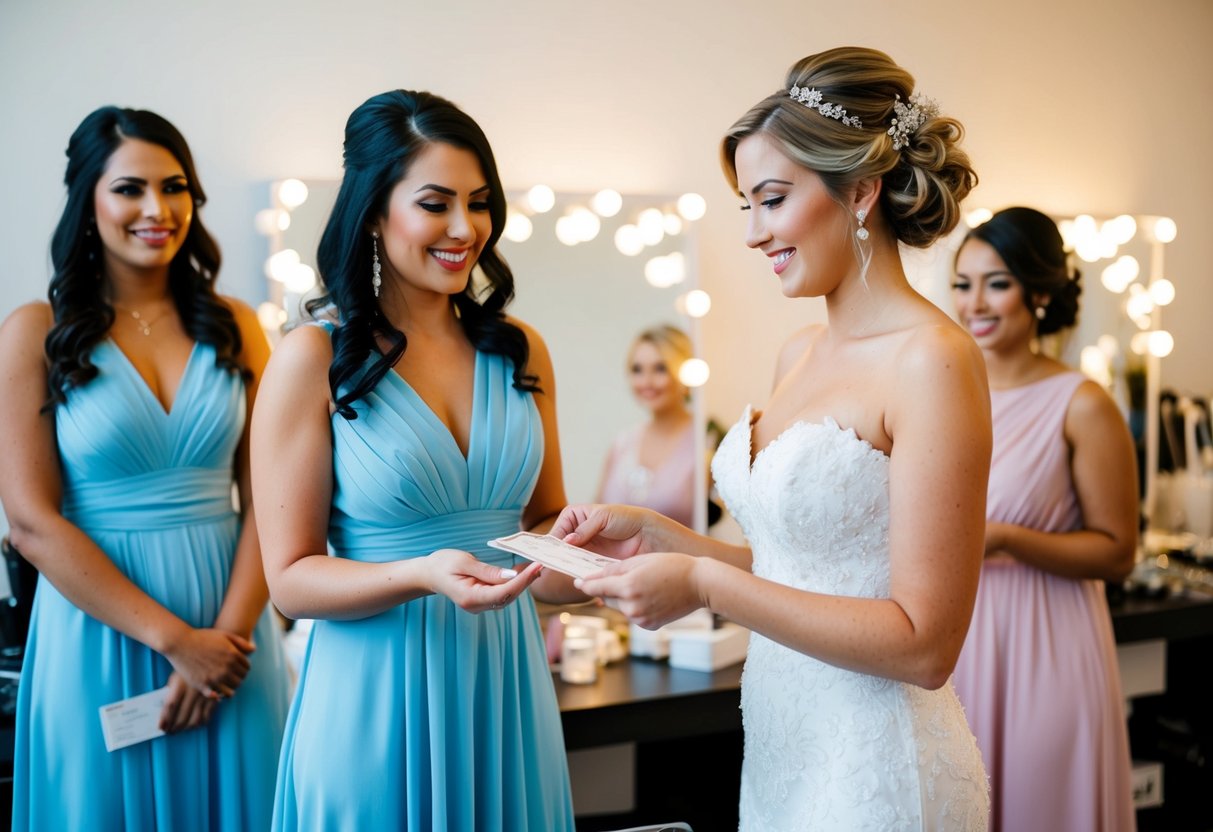
Wedding etiquette can help clarify who should pay for various expenses, including hair and makeup for bridesmaids. Knowing the traditional and modern practices can guide you in making fair decisions that suit everyone involved.
Traditional Responsibilities
Traditionally, brides paid for bridesmaids’ hair and makeup. This practice showed appreciation for their support and participation in the day. The bride, wanting her friends to look their best, often covered these costs.
Costs can include services like hair styling and makeup, which vary widely. On average, bridesmaids can expect to spend anywhere from $100 to $200 for both services combined. It’s seen as a mutual effort, emphasizing unity and celebration. If the bride requests specific styles or looks, it’s polite for her to handle the costs.
Modern Wedding Practices
Modern weddings often shift from strict traditions to more flexible arrangements. Many brides choose to ask their bridesmaids to pay for their own hair and makeup. This decision can depend on the financial situations of both the bride and her friends.
Some brides might compromise by covering makeup while asking bridesmaids to handle hair expenses. Clear communication about costs is essential. Discussing budget expectations early can help prevent misunderstandings and ensure everyone feels comfortable.
Budgeting for Beauty
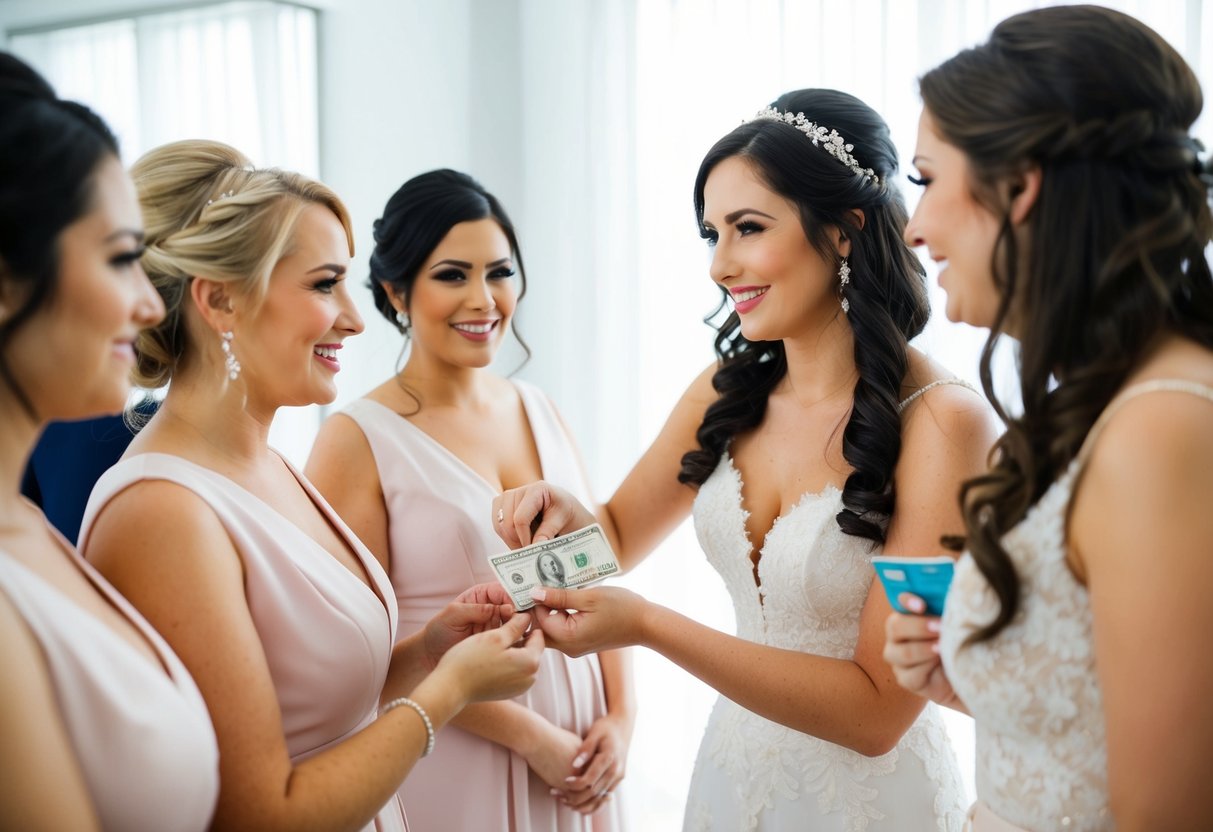
When planning for a wedding, budgeting for hair and makeup is essential. Knowing what to expect in terms of costs and who pays can help you avoid unexpected surprises.
Calculating the Cost
The average cost for bridesmaid hair and makeup ranges between $150 and $600. This price can vary based on several factors. For example, complicated hairstyles or special makeup techniques will typically cost more.
Here’s a simple breakdown for budgeting:
- Hair Services: Around $95
- Makeup Services: About $90
Combining these numbers helps you plan a realistic wedding budget. It’s wise to reach out to local salons or artists to get quotes. This gives you a clearer idea of what you might be spending.
Who Covers Hair and Makeup Expenses?
Deciding who pays for hair and makeup can be tricky and often depends on tradition and personal preference. Traditionally, the bride might cover these costs. This allows her to have more control over the styles and looks.
Yet, many weddings see a different approach. Some bridesmaids pay for their own hair and makeup. In this case, clear communication is important. If bridesmaids cover their own expenses, let them know what the bride has in mind regarding styles.
Sometimes, a compromise is reached. For instance, the bride may pay for one service, while bridesmaids pay for another. This arrangement keeps the expenses manageable for everyone.
The Role of the Bridal Party
Being part of the bridal party comes with certain expectations and responsibilities. You’re there to support the bride, but it’s also important to understand how costs like hair and makeup fit into this role.
Expectations for Bridesmaids
As a bridesmaid, your primary job is to support the bride during the wedding planning process. This includes helping with tasks like shopping for your bridesmaid dress, attending fittings, and planning pre-wedding events such as bridal showers.
You’re also expected to participate in celebrations leading up to the big day. That can involve travel and accommodations, which may add to your expenses. It’s essential to communicate with the bride about what you can commit to, both emotionally and financially.
Common responsibilities include:
- Attending fittings and selecting dresses
- Helping with pre-wedding events
- Being available for the wedding day
Splitting the Cost Fairly
Cost-sharing for things like hair and makeup can be a delicate topic. Some brides may pay for these services, while others expect bridesmaids to cover their own expenses.
If costs are burdensome, discuss splitting the cost among the bridal party. For instance, if a group collectively hires a stylist, you might save money compared to each person paying separately. Consider these tips:
- Communicate openly about budgeting expectations.
- Discuss travel expenses if the wedding is out of town.
- Prioritize what’s most important to you in terms of look and feel.
These discussions help set clear expectations and avoid surprises as the wedding approaches.
Making Decisions as a Group

When planning for wedding hair and makeup, it’s important to involve your bridesmaids in the decision-making process. This helps everyone feel included and ensures that expectations are clear from the start.
Discussion and Agreement
Start a conversation with your bridesmaids about hair and makeup costs. Discuss who will cover these expenses and ensure everyone is on the same page.
You might find that some bridesmaids prefer to pay for their own makeup artist or hairstylist. It’s helpful to list out the available options and their costs. For example, you could create a simple chart that shows:
- Makeup Artist: $X per person
- Hairstylist: $Y per person
- Total per Bridesmaid: $Z
This gives a clear view of the financial commitment. Encourage open communication, and make sure everyone has a chance to express their thoughts. Agreeing on a plan that suits everyone will smoothen the wedding planning process.
Alternative Solutions
If the costs of hair and makeup are a concern, consider alternative solutions. For instance, you could split the costs of hiring a professional and make arrangements for everyone to chip in.
Another option is to have a DIY approach. You might host a fun day where bridesmaids use their own skills or help each other with hair and makeup. This could also create great memories!
You can always decide to cover hair and makeup for your bridal party, depending on your budget. Just ensure this is communicated clearly to avoid surprises later on.