
Is It Normal for the Groom to Take the Bride’s Last Name? Understanding Modern Traditions
As you explore the possibilities of marriage, you might wonder about the tradition of names and how they impact your identity. It’s common for brides to take the groom’s last name, but you may be surprised to learn that more grooms are choosing to adopt their bride’s last name. This shift reflects changing views on commitment and identity within relationships.
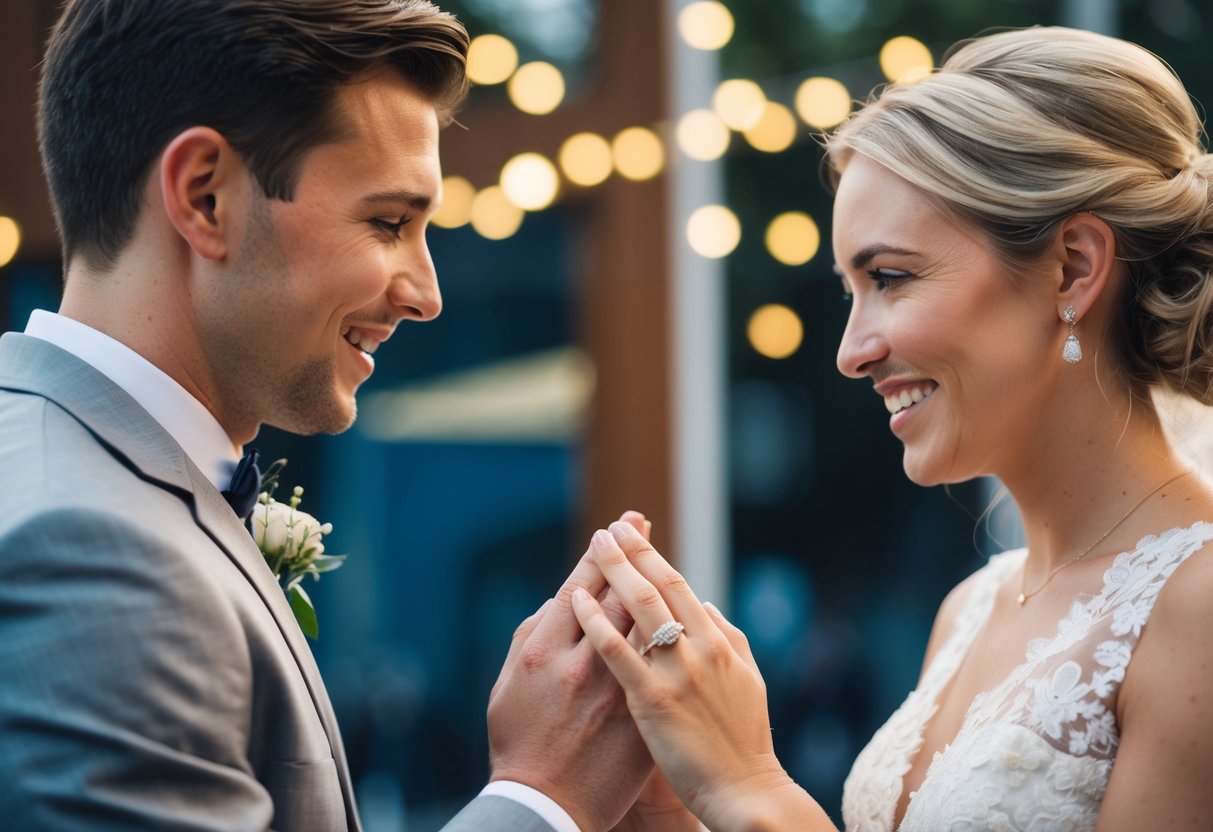
Breaking away from tradition is becoming increasingly accepted. Many couples now view their last names as a shared identity rather than a strict rule to follow.
You might find it empowering to consider how your names, whether traditionally held or newly combined, can represent your unique bond as partners.
It’s essential to recognize that the choice of last name is an important one. It’s perfectly normal for grooms to take the bride’s last name. This decision can symbolize equality and mutual respect in your marriage. Your choices about names can set the tone for your commitment and create a lasting legacy together.
Understanding Marital Name Change Traditions
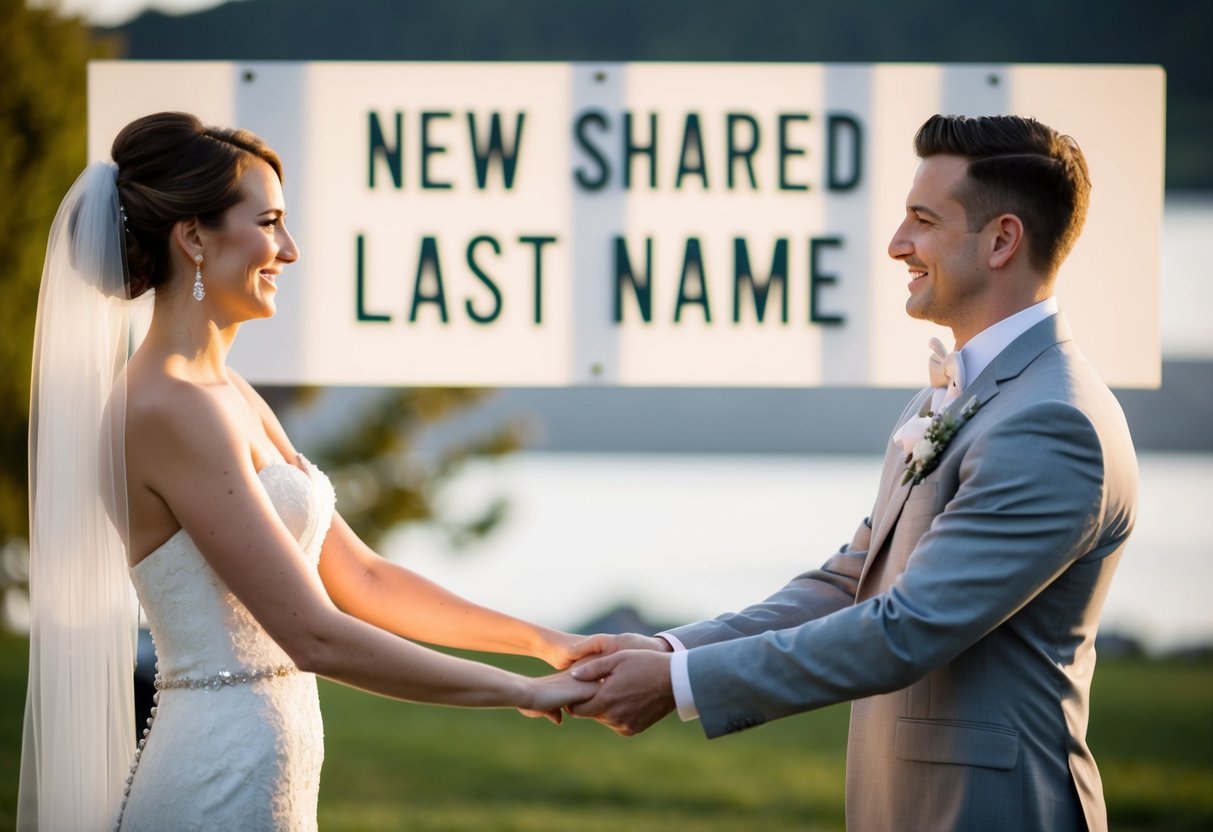
Marital name change traditions involve various customs and beliefs about surnames after marriage. These traditions can differ widely based on historical, cultural, and legal influences. Understanding these factors can help you navigate the choices surrounding names in your marriage.
Historical Perspective on Surnames
Historically, surnames served as markers of identity and lineage. In many cultures, a woman would adopt her husband’s surname to signal her new status as a wife. This practice often reinforced gender roles, where men were seen as heads of households.
In some societies, women did not have the freedom to keep their family name. This often reflected the legal practice of coverture, where a woman’s legal identity was tied to her husband.
While some couples today continue this tradition, others choose to break from it, emphasizing personal choice in identity.
Cultural Variations in Marital Names
Cultural practices regarding last names can vary significantly. For instance, in some Latin American countries, both parents’ surnames are combined. You might see a child with both their mother and father’s last names, showcasing family heritage from both sides.
In contrast, in parts of Scandinavia, it is common for children to inherit a surname reflecting the father’s first name, modified to show lineage. This highlights a diverse approach to marital names globally, suggesting that there isn’t a single right way to handle name changes in marriage.
The Influence of Coverture
Coverture was a legal doctrine in many Western countries that restricted women’s legal rights after marriage. It meant that a woman’s property and legal identity became part of her husband’s.
This practice deeply influenced the tradition of name changes. It reinforced the idea that women should take on their husband’s surname as a symbol of their new identity.
Although coverture has been abolished, its effects still linger in societal expectations regarding name changes after marriage. Today, many couples are reevaluating these traditions, considering what names truly represent in their identities and relationships.
Modern Approaches to Name Changing
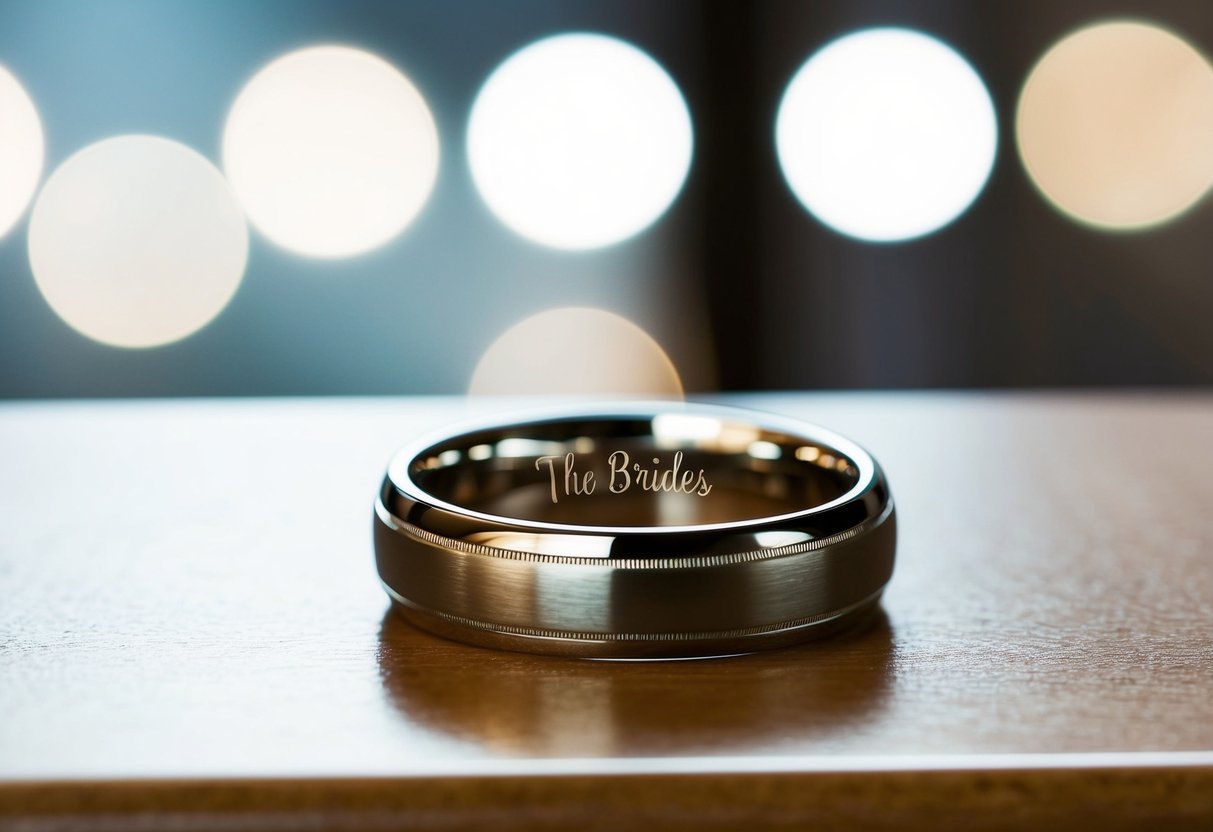
When it comes to last names after marriage, couples now explore various options that reflect their unique identities. Many grooms are considering taking their bride’s last name, while others create a combined surname. Same-sex couples also navigate name-changing choices, often blending traditions and personal preferences.
Groom Taking Bride’s Last Name
It’s becoming increasingly common for grooms to take their bride’s last name. This change can symbolize equality in a relationship and challenge traditional gender roles.
If you are considering this option, check the state laws, as some areas might require a court order.
Some men may experience societal pressure or questions about their choice. It helps to communicate openly with family and friends about your decision. Having a supportive partner makes the transition smoother and more meaningful.
Creating a Combined Surname
Another popular approach is creating a combined surname. This option allows both partners to keep their identities and work together to form something new.
For instance, you might blend your last name with your partner’s, such as Smith-Jones or Taylor-Smith. Consider using a hyphen between the two names or even merging them into a unique new surname.
This method emphasizes partnership and reflects both individuals. Many couples enjoy the creativity and personal significance this choice brings.
Same-Sex Couples and Last Names
Same-sex couples face unique challenges and opportunities when choosing last names. Like all couples, they can decide to keep their original names, adopt one partner’s name, or create a combined surname.
This flexibility allows you to craft an identity that fits your relationship.
For example, some couples might opt for both partners to share a last name that reflects a shared experience. Others may feel more comfortable using middle names in addition to or instead of changing last names altogether. No matter your choice, focusing on what feels right for both of you is essential.
Wedding Etiquette and Name Usage

When planning your wedding, understanding name usage is key. This can affect invitations, design elements, and details after the ceremony. Proper etiquette ensures that you and your partner can celebrate your union in a way that honors both families.
Invitations and Formalities
When creating your wedding invitations, keep traditional etiquette in mind. Typically, the bride’s name comes first on formal invitations. This reflects the tradition where the bride’s family traditionally hosted the wedding.
If the groom takes the bride’s last name, you might consider how this influences the invitation wording.
For example, if you are using both last names, list them in alphabetical order to keep it fair. Make sure to use formal titles, like “Mr.” and “Mrs.”
This can help maintain traditional formality. Address labels should also reflect this etiquette. Following these guidelines ensures your invites look polished and respectful.
Monograms and Design Elements
Monograms can add a personal touch to your wedding. If the groom takes the bride’s last name, you can create a monogram featuring both initials.
This often takes the form of the couple’s last name in the center with the first initials on either side. You can use this monogram across various design elements.
Consider using it on cocktail napkins, thank-you cards, or hotel welcome bags. This not only gives a unique look but also symbolizes your new family unit.
When creating these designs, choose fonts and colors that match your wedding theme. Be careful to ensure that the monogram respects traditions while still representing your choices.
After-Wedding Details
Post-wedding items can also reflect your name choices. Thank-you cards should maintain the same tone as your invitations. In traditional wording, the bride’s name usually leads.
If you decide to send out save-the-date cards, use the same format. This consistency reinforces your decision on name usage.
If you’re planning gifts or items with your new last name, use your combined names on labels. This includes things like hotel welcome bags or favors. This small touch can create a lovely connection to your wedding day, reminding guests of your special union.