
Is It Normal to Cry a Lot Before Your Wedding? Understanding Pre-Wedding Emotions
Planning a wedding can be both exciting and overwhelming. As the big day approaches, brides often feel a mix of excitement and anxiety. Crying a lot before your wedding is completely normal and happens to many brides. The emotions you experience during this time can stem from the pressure of planning, the weight of expectations, and the significance of the occasion.
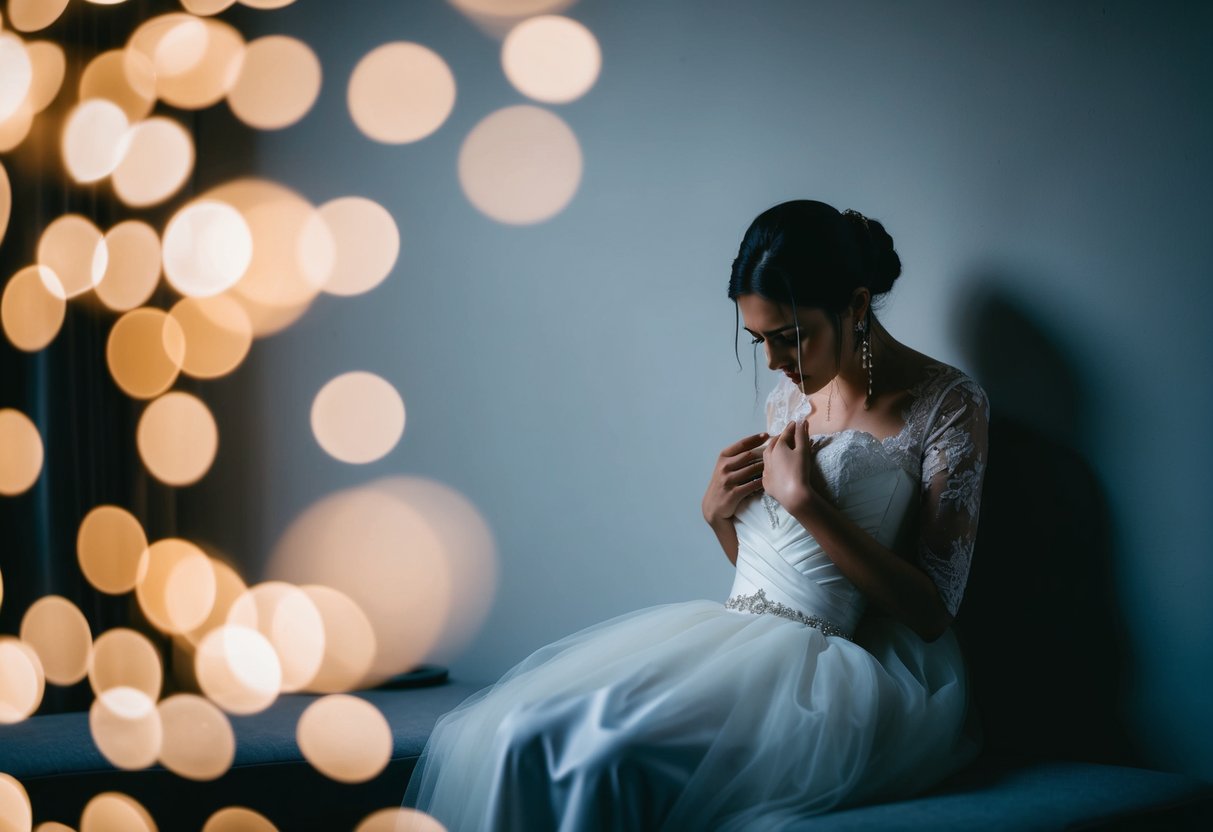
On your wedding day, you will likely feel a range of feelings during ceremonies and special moments. It’s perfectly okay to shed tears, whether from joy, stress, or relief. Those tears can be part of your unique experience as you celebrate your love and commitment. Remember, you’re not alone, and many brides have walked this emotional path before you.
Understanding Pre-Wedding Emotions
Before your wedding, it’s common to experience a mix of emotions. Recognizing what triggers these feelings can help you navigate them better. Understanding the difference between happy tears and anxiety is key to managing your emotions during this important time.
Identifying Emotional Triggers
Many factors can trigger emotions before your wedding. The pressure of planning, expectations from family and friends, and the significance of the day can all contribute to your feelings. You might feel excitement, fear, or even sadness as the big day approaches.
Creating a list of your emotions can help. Ask yourself:
- What makes you feel anxious?
- Are there specific moments that bring tears of joy or worry?
- How do you feel about the commitment you’re making?
Identifying these triggers can give you clarity and help you find comfort in your feelings.
Differentiating Happy Tears from Anxiety
Understanding the difference between happy tears and anxiety can change how you experience your wedding day. Tears of joy often come from overwhelming happiness and love. You might find yourself crying during vows or special moments because you feel deeply connected to your partner.
On the other hand, anxiety often feels heavier. It can cause physical symptoms like a racing heart or a tight stomach. Recognizing when you are feeling anxious can help you take steps to reduce stress. Techniques like deep breathing or talking to a friend can be beneficial.
Being aware of these emotions allows you to embrace the joy of your wedding while managing any jitters you might feel.
Pre-Wedding Coping Strategies
As you prepare for your wedding, it’s common to feel overwhelmed. Finding effective ways to cope with your emotions can help you enjoy this special time. Here are some strategies that might help you manage pre-wedding anxiety.
Communicating Feelings and Expectations
Talking it out is essential. Share your feelings with your partner, family, or close friends. Being open about your worries can lighten your emotional load. When you express your anxieties about the wedding, it allows others to support you better.
Setting clear expectations is also important. Discuss what you both envision for the day. This helps minimize surprises and control stress. Knowing that you are on the same page with your partner helps create a solid foundation. Both of you can tackle pre-wedding jitters together, making it a team effort.
Breathing Techniques for Anxiety Relief
When anxiety strikes, take deep breaths. This simple technique can ground you in the moment. Try inhaling slowly through your nose for a count of four, holding for four, and exhaling for a count of four. Repeat several times to calm your mind.
You might also try visualization. Picture a serene place where you feel safe and relaxed. This mental escape can reduce feelings of stress. Incorporating these techniques into your daily routine can help manage anxiety better as the wedding day approaches.
Support Systems and Professional Help
Having a reliable support system is crucial. Friends and family can provide encouragement and reassurance. Don’t hesitate to lean on them during tough times. Sometimes, just having someone listen can make a big difference.
If your feelings become overwhelming, consider seeking professional help. Therapists specialize in managing anxiety and can offer personalized coping strategies. They can guide you through your worries and provide tools to face your emotions confidently.
The Wedding Day Itinerary
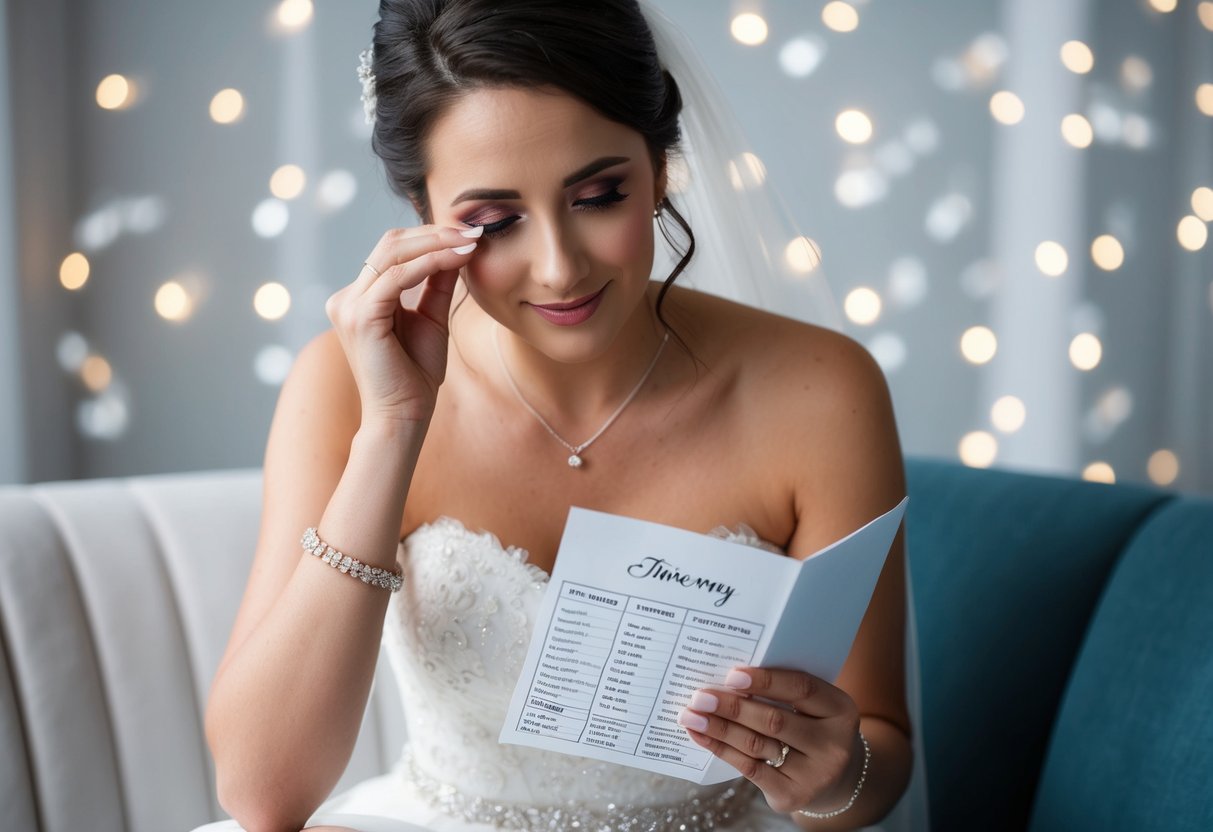
Creating a well-planned wedding day itinerary can help reduce stress and manage emotions. A calm morning, thoughtful moments during your first look and vows, and a lively reception will set a positive tone for your special day.
Setting a Calm Morning Routine
Start your wedding day with a soothing morning routine. The early hours can set the mood for the rest of your day.
Begin with some deep breaths to clear your mind and relax your body. Consider incorporating light stretching or yoga to ease any tension.
Eat a healthy breakfast to keep your energy up. Gather your loved ones for support. Their presence will help you feel more at ease.
As you get ready, take your time with your makeup. This is your moment to shine, and enjoying the process can keep nerves at bay.
Managing Tears During the First Look and Vows
Emotions can run high during the first look and when exchanging vows. It’s important to embrace these feelings while finding ways to manage them.
Before the first look, remind yourself to take deep breaths. Focus on your partner and the joy of the moment.
Have a few tissues handy for those unexpected tears. Practice your vows together beforehand to help reduce anxiety.
You can also reflect on positive memories to combat nostalgia that might make you emotional. Remember, it’s okay to cry; it shows the depth of your feelings.
Selecting Upbeat Music for the Reception
Choosing the right music for your reception can uplift everyone’s spirits.
Start with a lively playlist during dinner to create an inviting atmosphere.
Mix in some nostalgic songs that hold special meaning for you and your partner. This can spark joyous memories for you and your guests.
To keep the energy high, include popular dance tracks that encourage everyone to join in and celebrate.
Music can create a smooth transition from heartfelt moments to lively dancing, ensuring your celebration feels cohesive.