
Is It Normal to Feel Sad After Wedding Day? Understanding Post-Wedding Emotions
Feeling a mix of emotions after your wedding day is completely normal. Many newlyweds experience what is known as the post-wedding blues. This can include feelings of sadness or nostalgia after the excitement of the big day has passed. This emotional response can catch you off guard, especially after months of planning and anticipation.
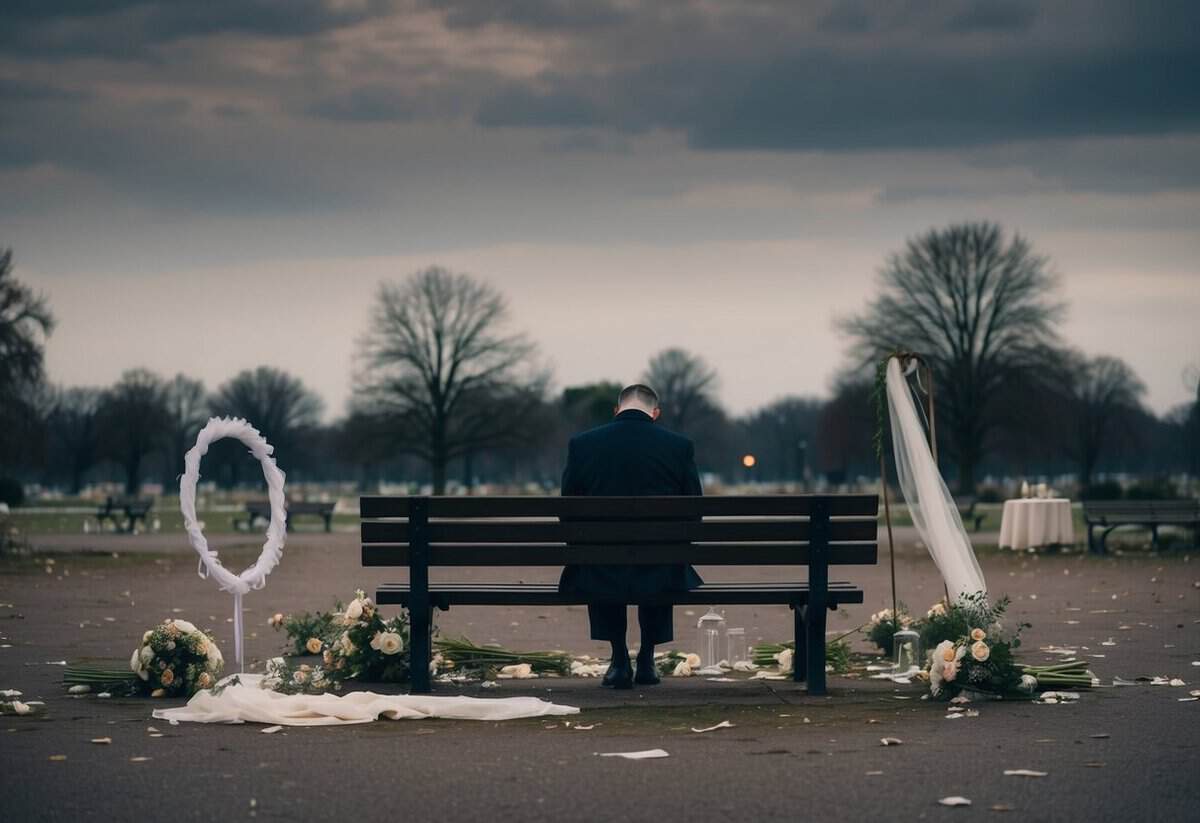
Your wedding day is a monumental event, filled with joy and celebration. Once it’s over, some people find themselves feeling a bit lost or even anxious as they adjust to everyday life.
These feelings can be tied to the reality of routine returning and the end of a significant milestone in your life.
It’s important to remember that these feelings are a normal part of your mental health journey. Understanding that you’re not alone in experiencing this emotional shift may provide comfort. Many newlyweds report feeling similar emotions, so acknowledging this can help you process your feelings and find ways to cope.
Understanding Post-Wedding Emotions
Feeling sad after your wedding is more common than you might think. Many newlyweds experience a range of emotions that can be difficult to navigate. Recognizing and understanding these feelings can help you cope.
Defining Post-Wedding Blues and Depression
Post-wedding blues refers to the emotional drop that often occurs after your wedding day. This phase can be filled with sadness, disappointment, or even grief. You may feel a sense of emptiness once the excitement of planning and celebrating is over.
Post-wedding depression is a deeper sense of sadness that can last longer. It can affect your daily life, making it hard to enjoy activities you once loved.
Experts say that it’s normal for couples to experience these feelings, with about a third of newlyweds reporting such emotions lasting at least a month.
Common Symptoms and Causes
Common symptoms of post-wedding emotions include:
- Sadness or tearfulness: You might find yourself feeling blue for no clear reason.
- Lack of pleasure in life: Activities that once made you happy may not seem enjoyable anymore.
- Anxiety and mood swings: You might feel anxious or experience sudden changes in emotion.
These feelings often stem from the emotional high of the wedding day followed by a sudden letdown. The end of planning and the realization that a significant life event has passed can trigger grief. Remember, it’s okay to seek help if these feelings become overwhelming.
Navigating the Transition to Newlywed Life
Adjusting to newlywed life can feel overwhelming. You may experience a mix of excitement and emotions as you settle into this new phase.
Open communication is crucial in navigating these changes with your partner.
Adjusting to Life After the Wedding
After the wedding, daily routines change. You may find yourself facing new responsibilities and shared decisions.
Embrace teamwork by discussing household tasks, finances, and future plans.
It’s essential to acknowledge the feelings you might have, including sadness or confusion. Many newlyweds go through this emotional transition. Sharing these feelings with your spouse can strengthen your bond.
Create a list of daily chores and discuss who will take on various roles. This can reduce stress and keep things fair. Remember to celebrate small victories, like cooking dinner together or completing tasks as a team.
The Importance of Open Communication
Open communication is the key to a healthy relationship. Make it a habit to express your thoughts and feelings. This helps avoid misunderstandings and builds trust.
Set aside time to talk about your experiences and emotions. Whether happy or challenging, your feelings matter.
Use “I” statements to express how you feel. For example, “I feel overwhelmed by the changes” encourages understanding.
Regular check-ins can help both of you adjust smoothly. Consider scheduling weekly chats to discuss how you’re doing as a couple. Keep the dialogue friendly and supportive to enhance your connection.
Strategies for Coping with Post-Wedding Blues
Feeling sad after your wedding day can be surprising and confusing. Finding ways to cope is important to help you rediscover joy and a sense of purpose in this new chapter of your life. Here are some effective strategies to help you navigate these emotions.
Rediscovering Joy and Purpose
After the excitement of the wedding fades, you might feel a void. To fill that space, focus on activities that bring you happiness.
-
Reconnect with Hobbies: Return to the things you love, whether it’s painting, hiking, or reading. These activities can ground you.
-
Set New Goals: Create personal or couple goals, like traveling or learning something new together. Goals can reignite motivation.
-
Plan Regular Date Nights: Spend quality time with your partner. Go out for dinner, or stay in for a movie night. This strengthens your bond.
-
Volunteer Together: Helping others can create a sense of fulfillment. Look for local charities or community events.
Also, talking about your feelings with friends or loved ones can remind you that you’re not alone.
When to Seek Professional Help
Sometimes, overwhelming feelings of sadness can occur. Recognizing when you might need extra support is important.
If feelings last for weeks or interfere with daily life, you should consider seeing a therapist. A relationship therapist can help you navigate these emotions and improve communication with your partner.
Look for signs such as:
-
Persistent Sadness: If you find it hard to feel joy in activities you once loved.
-
Difficulty Functioning: If daily tasks seem too overwhelming.
-
Increased Anxiety: If you feel heightened stress or worry that seems unmanageable.
Reaching out for help is a strong step towards healing. Don’t hesitate to communicate your feelings; support is available.