
Is It Normal to Not Have a Wedding Party? Understanding Your Unique Celebration Choices
Choosing whether or not to have a wedding party is a personal decision for many couples. Many couples are now skipping the wedding party altogether, with many couples embracing simplicity on their special day. This change allows you to focus more on what truly matters—celebrating your love with friends and family without the added stress of managing a bridal party.
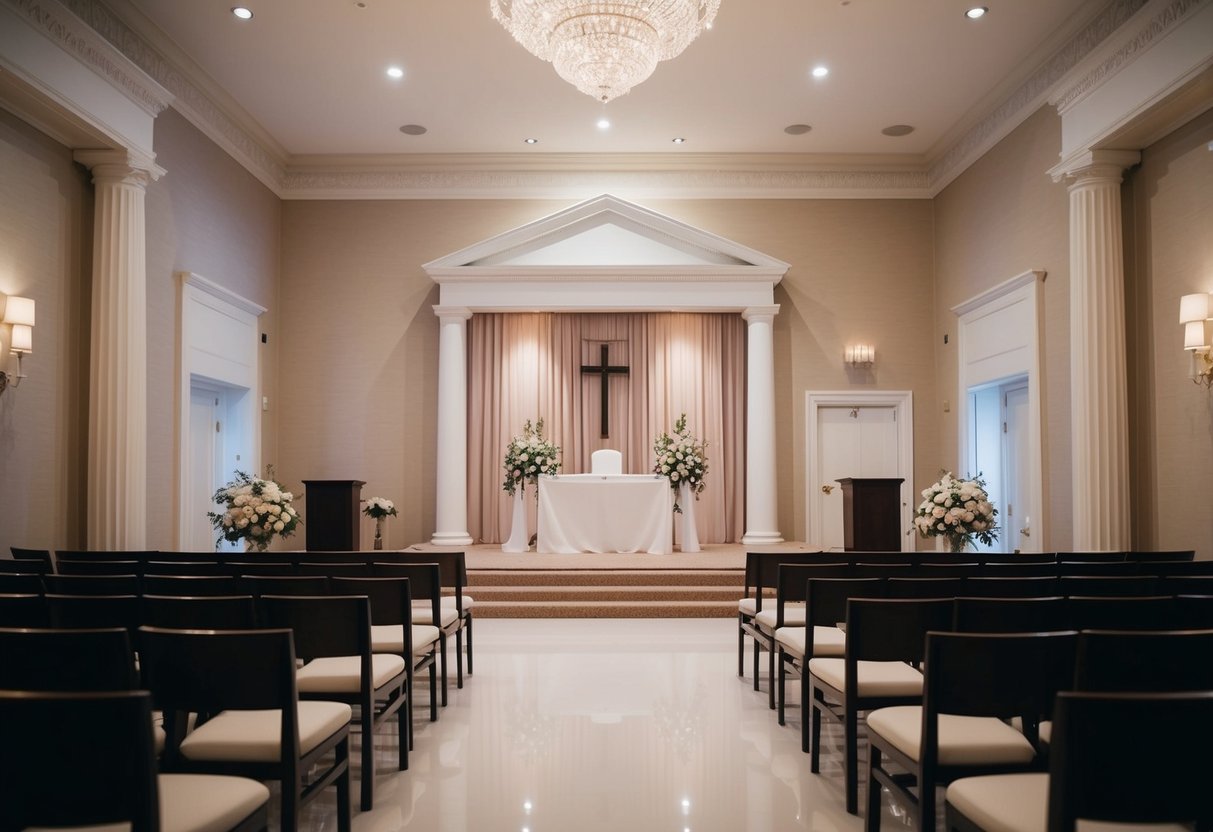
If you wonder how this choice could affect your wedding day, you’re not alone. Many couples find that not having a wedding party can make the event feel more laid-back and intimate. You get to decide how to celebrate without traditional expectations, allowing for a unique experience that reflects your style and preferences.
As you explore your wedding plans, consider the benefits of a wedding without extra responsibilities. The day is about you and your partner, and there are countless ways to make it memorable, even without the usual wedding party setup.
Redefining Wedding Traditions
Many couples today are choosing to create their own unique wedding experiences. By redefining traditions, you can enjoy a celebration that fits your style and values without feeling pressured to stick to conventional norms. This shift is influenced by personal preferences and cultural changes.
The Shift from Conventional to Personal
You might notice that more couples are opting out of having a traditional wedding party. Instead of following the usual route, they prefer a simpler, more personal approach.
This change allows you to focus on what truly matters: celebrating your love. Without the pressure of a bridal party, you can save money, reduce stress, and keep things intimate.
Decisions like choosing your wedding attire or selecting the guest list can now reflect your personality. You can even plan other fun elements, such as a unique ceremony, that showcase your relationship.
Influence of Culture and Individual Preferences
Cultural influences are reshaping how weddings are celebrated. Many people are embracing diverse traditions, blending their backgrounds and values into their ceremonies.
You might find that some couples prefer smaller weddings without a party because of cultural norms. In some cultures, eloping or having very few guests is common and celebrated.
Personal preferences also play a big role. If you value simplicity, a wedding without a party might feel right for you. Your friends and family may support your choice, leading to a more meaningful and relaxed experience.
By stepping away from tradition, you can create a memorable day that truly represents you and your partner.
Planning Without a Wedding Party
Choosing to plan your wedding without a formal wedding party can lead to a more relaxed experience. It allows you to simplify your planning process and focus on the elements that matter most to you.
Advantages of a Streamlined Bridal Experience
One of the biggest benefits of not having a wedding party is the reduction in stress. You won’t have to coordinate outfits, schedule rehearsals, or manage different personalities. Instead, you can put your energy into creating a day that reflects your vision.
This approach also allows you to save money. Without a wedding party, you can cut costs on attire, gifts, and additional expenses. For instance, you can allocate that budget to enhance the experience for your wedding guests.
Additionally, you can prioritize emotional support differently. When there are no designated roles, you can lean on friends and family for help as needed. This can create a more inclusive atmosphere, allowing everyone to participate in ways that feel comfortable.
Organizing the Big Day with Fewer Participants
Planning a wedding without a traditional party makes the organization process smoother. Fewer participants mean less complexity in logistics. You won’t have to worry about fitting everyone’s schedules and ensuring everyone knows their responsibilities.
Instead, you can focus on your priorities for the wedding day. Think about the specific moments you want to cherish. You can create a timeline that highlights your ceremony and reception without the added detail of managing a bridal party.
You can involve your guests more actively in meaningful ways. Consider asking close friends or family members to speak or perform during the ceremony. This fosters a sense of togetherness and community, making your wedding day even more special.
Personal Touches to Your Celebration
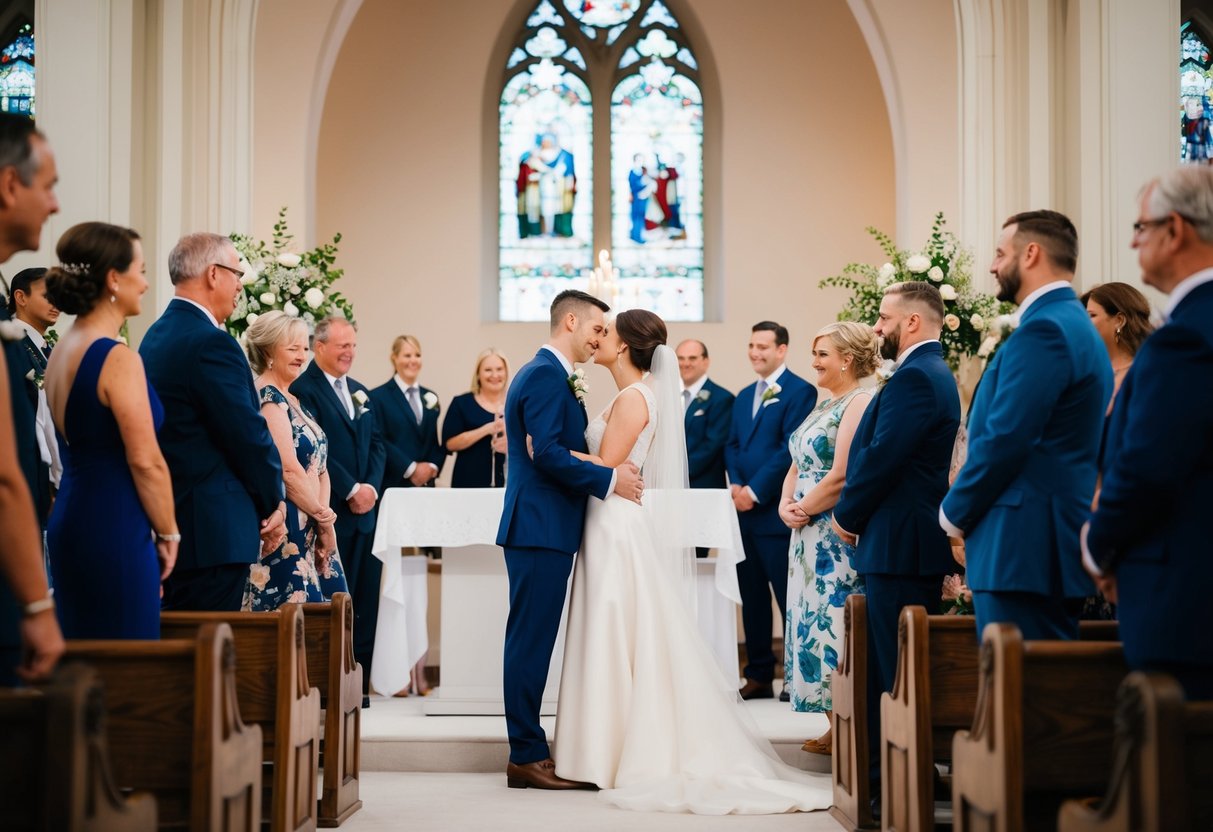
Choosing not to have a wedding party allows you to create a more personalized experience. You can involve friends and family in meaningful ways and make special memories that reflect your unique relationship.
Creative Roles for Loved Ones
Instead of traditional roles, think about other ways your friends and family can contribute. You could ask a close friend to handle the music selection, ensuring the playlist feels personal. Another might be in charge of taking candid photos, capturing moments that represent your day.
Consider involving family members in the ceremony itself. You could have a sibling read a meaningful passage or a parent give a warm toast. These roles add sentimental value and allow your loved ones to support you emotionally on your big day.
Intimate Moments with Close Companions
Without a wedding party, you can create moments that celebrate your closeness with friends and family.
Schedule small gatherings leading up to the big day, like a brunch or game night. These gatherings can lighten the stress and bring loved ones together.
During the ceremony or reception, set aside time for individual acknowledgments. You can share special memories or offer heartfelt thanks to those who mean the most to you.
These intimate moments will strengthen your bond and provide emotional support as you celebrate this important milestone.