
Is It Ok for a Mother to Walk Her Daughter Down the Aisle? Understanding Modern Traditions and Choices
Walking down the aisle is one of the most memorable moments of a wedding day. If you desire, a mother can absolutely walk her daughter down the aisle. This choice can make the moment even more special, especially if you share a close bond with your mom or if your relationship with your father isn’t as strong.
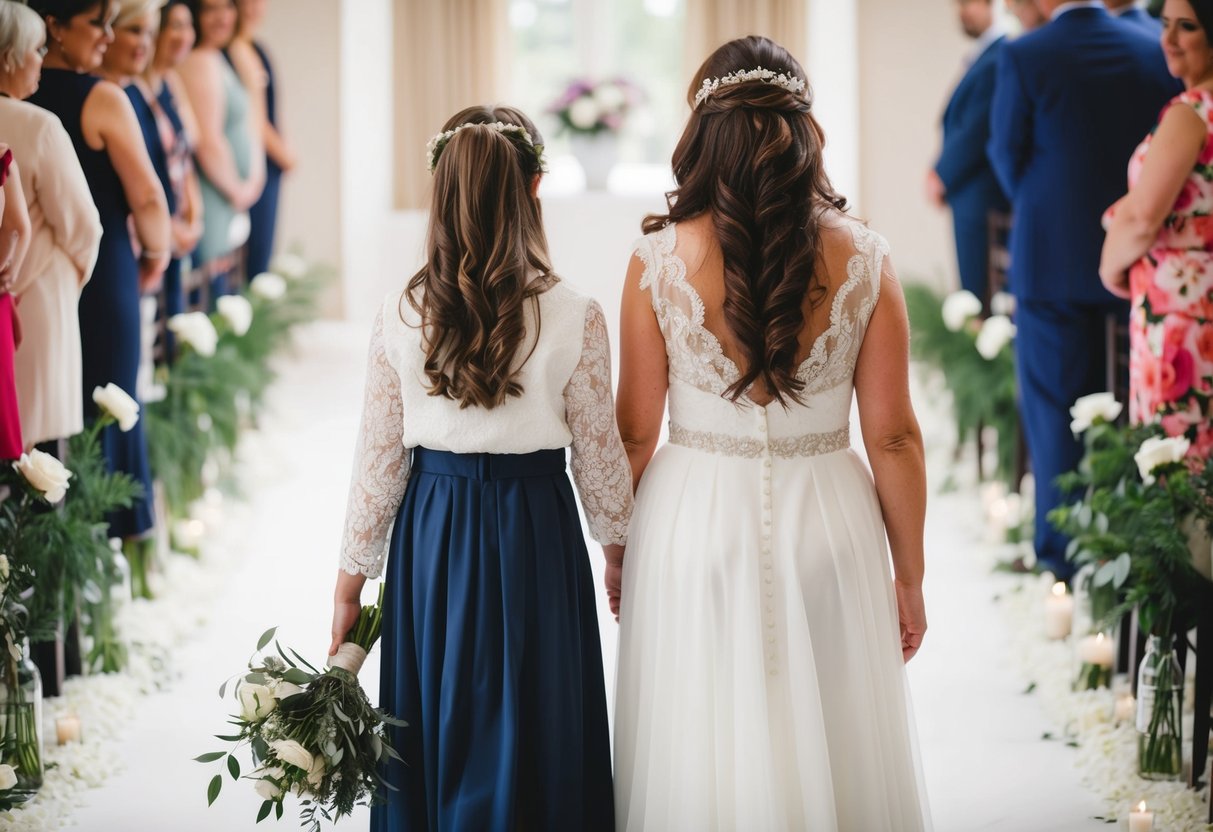
Many brides choose to have their mothers play this significant role for various reasons. It can symbolize support and love, showing how important your mom is in your life. Plus, it adds a personal touch, making the ceremony feel uniquely yours.
Whether tradition calls for the father or both parents, remember that your wedding day is about celebrating your love and choices. So, if having your mother walk you down the aisle feels right to you, go for it!
History and Significance of Aisle Traditions
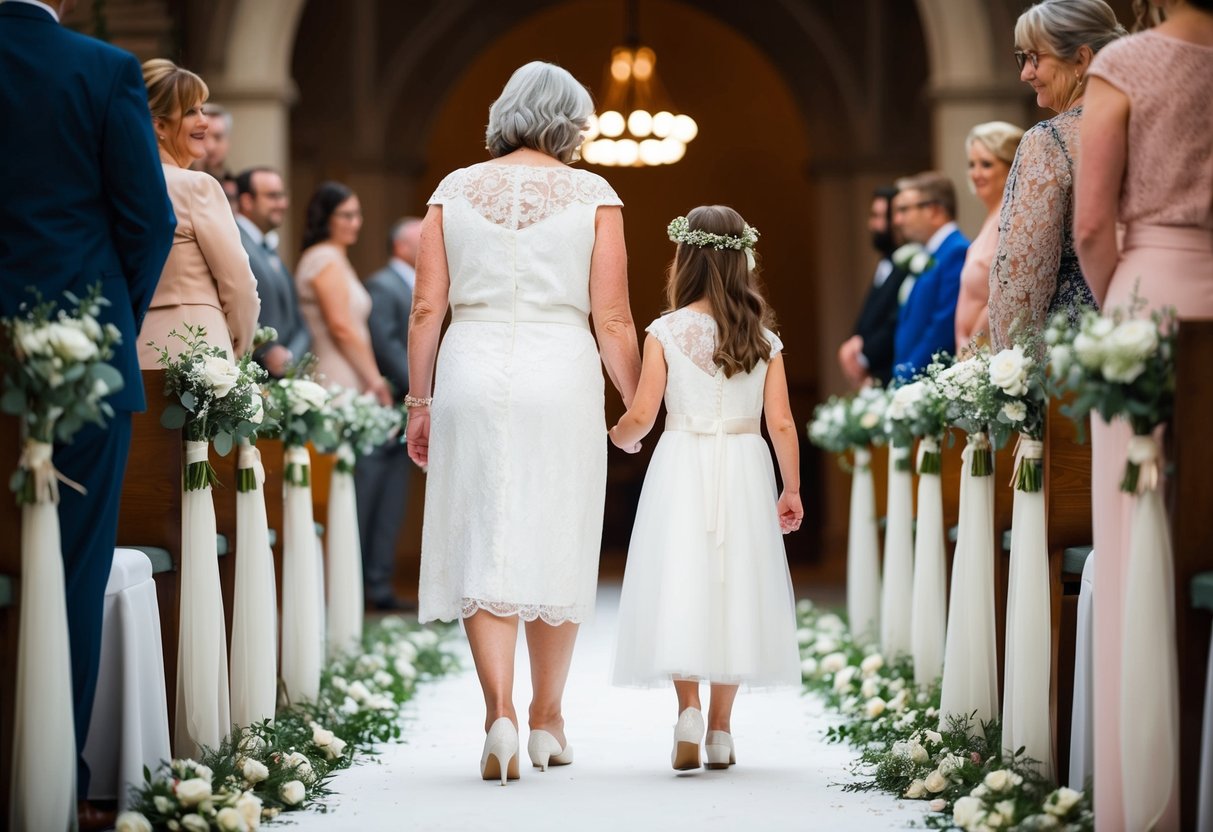
Aisle traditions carry deep meaning and have evolved over time. Understanding these customs can help you appreciate the significance of who walks you down the aisle during your wedding ceremony.
Evolution of Wedding Processional
Walking down the aisle has roots in ancient customs. Traditionally, the father of the bride would escort his daughter, symbolizing a transfer of responsibility. This suited historical views where daughters were seen as a father’s property.
As times changed, so did this tradition. Many modern brides now choose alternative options. Some opt to walk alone, representing independence and self-assurance. Others may wish to include their mothers, acknowledging their important role in life.
These evolving practices reflect personal choices. They highlight the importance of family support in their journey toward marriage.
Roles of the Mother and Father of the Bride
Traditionally, the father of the bride has held the main role in this processional. His presence signified protection and the giving away of his daughter. This practice carries a sentimental weight and is still honored by many today.
However, the role of the mother has become increasingly significant. It is now widely accepted that mothers can walk their daughters down the aisle if desired. This shift emphasizes the importance of maternal bonds and support during the wedding ceremony.
Some couples choose to have both parents accompany the bride, symbolizing unity from both sides of the family. This modern approach reflects changing family dynamics and the importance of shared love and support.
Modern Interpretations of Wedding Roles
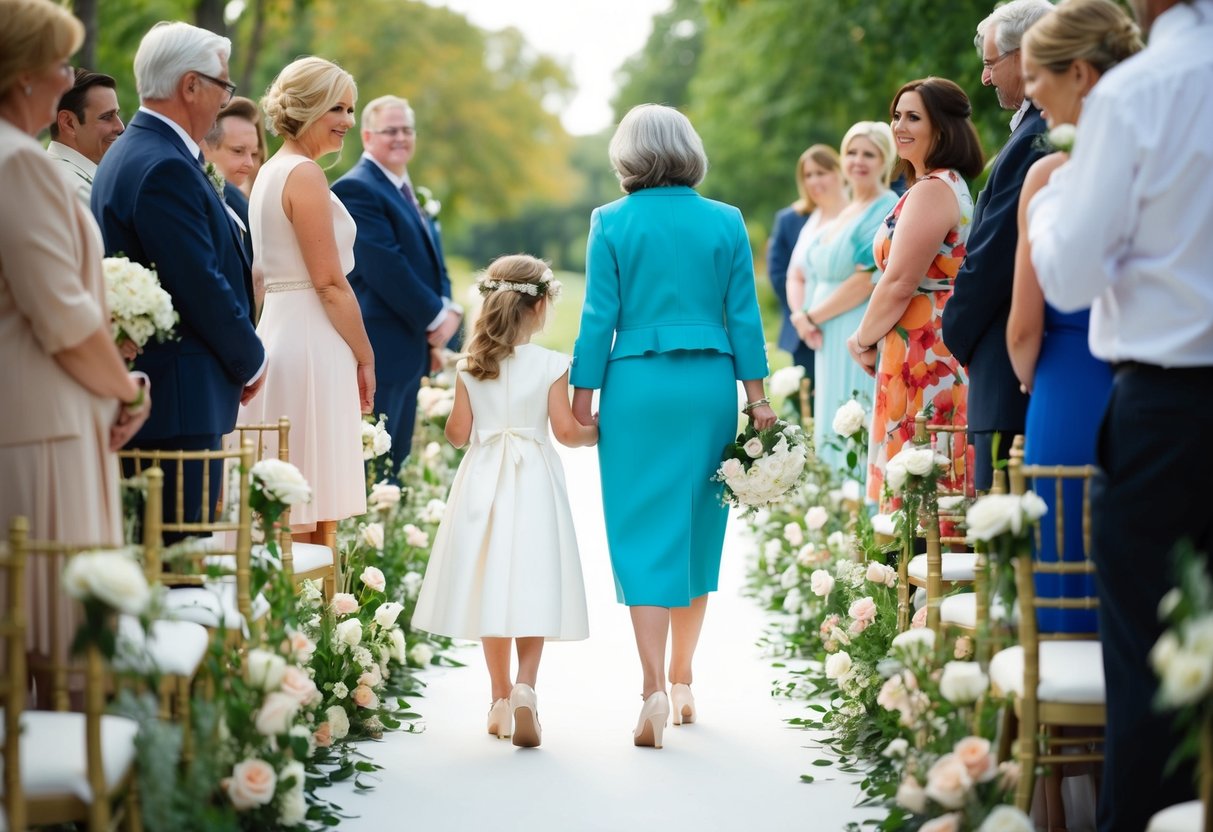
Weddings today reflect a shift in tradition, allowing for personal choices that honor unique relationships. This section explores the significance of the mother-daughter bond and how family dynamics play a role in these modern ceremonies.
Celebrating the Mother-Daughter Bond
Walking down the aisle with your mother can be a deeply moving experience. This act symbolizes your unique relationship and the support she has provided throughout your life. Many brides choose to honor this bond, especially if they share a close connection.
This choice can also celebrate the sacrifices and love a mother has given. It lets you express appreciation in a beautiful and meaningful way. Whether your mom has always been by your side or has been your guiding light, this moment marks a special occasion in both your lives.
Inclusivity and Family Dynamics
Modern weddings embrace inclusivity, reflecting diverse family structures. If you have a strong bond with your mom and less so with your father, it’s perfectly acceptable to have her walk you down the aisle. This choice allows you to celebrate what feels right for you.
You may also consider involving both parents or other family members, depending on your situation. This approach can foster a sense of unity and show that love comes in many forms. It’s about creating a ceremony that represents your family dynamics and honors your personal connections.
Organizing the Wedding Processional
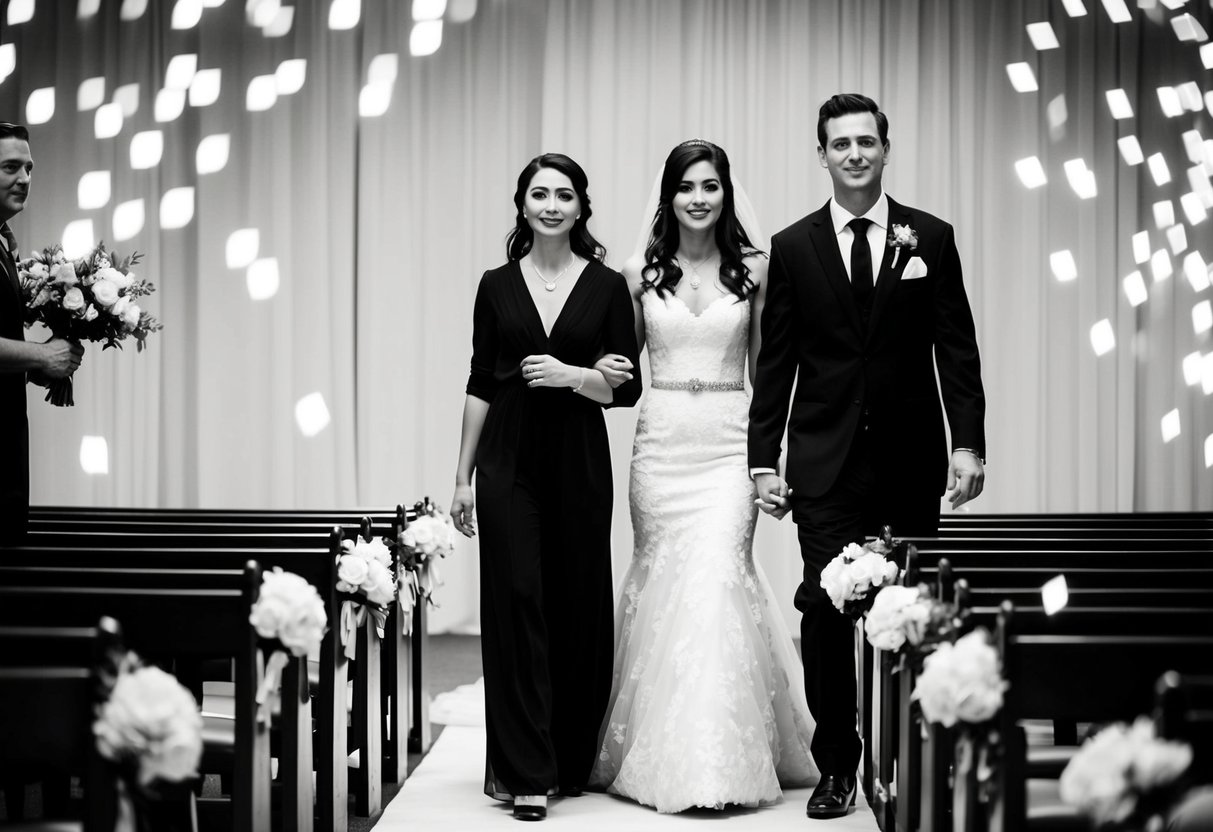
Planning your wedding processional is an important step that sets the tone for your ceremony. This involves deciding who walks down the aisle and in what order.
Choosing Your Escort
Your choice of escort is a personal decision. Many brides choose their father, but it’s perfectly fine for a mother to walk her daughter down the aisle if that feels right for you.
You might also consider having a different family member or a close friend escort you. This can provide a special touch and show the significance of your relationship.
Think about what feels most comfortable for you. Discuss your choice with your family to ensure everyone is on the same page. This will help avoid any misunderstandings on the big day.
Role of Bridesmaids and Ushers
Your bridesmaids and ushers play an essential role during the wedding processional. Bridesmaids usually walk down the aisle in pairs or one by one, showcasing their beautiful dresses. They can also help create a joyful atmosphere.
Ushers have a different responsibility. They greet guests at the entrance and guide them to their seats. Some ushers may escort the mothers down the aisle before the wedding party enters.
This arrangement not only adds elegance but also helps maintain organization. Make sure to communicate clearly with your bridesmaids and ushers about their roles, so everyone knows what to expect.