
Is It Ok for the Bride to Stand on the Right? Exploring Wedding Traditions and Choices
When planning your wedding, you might start to wonder about the traditional roles and where everyone should stand. Depending on personal preference and cultural customs, the bride can stand on the right side instead of the left. This question can come up in various wedding settings, and it’s interesting to explore the different traditions that influence this choice.
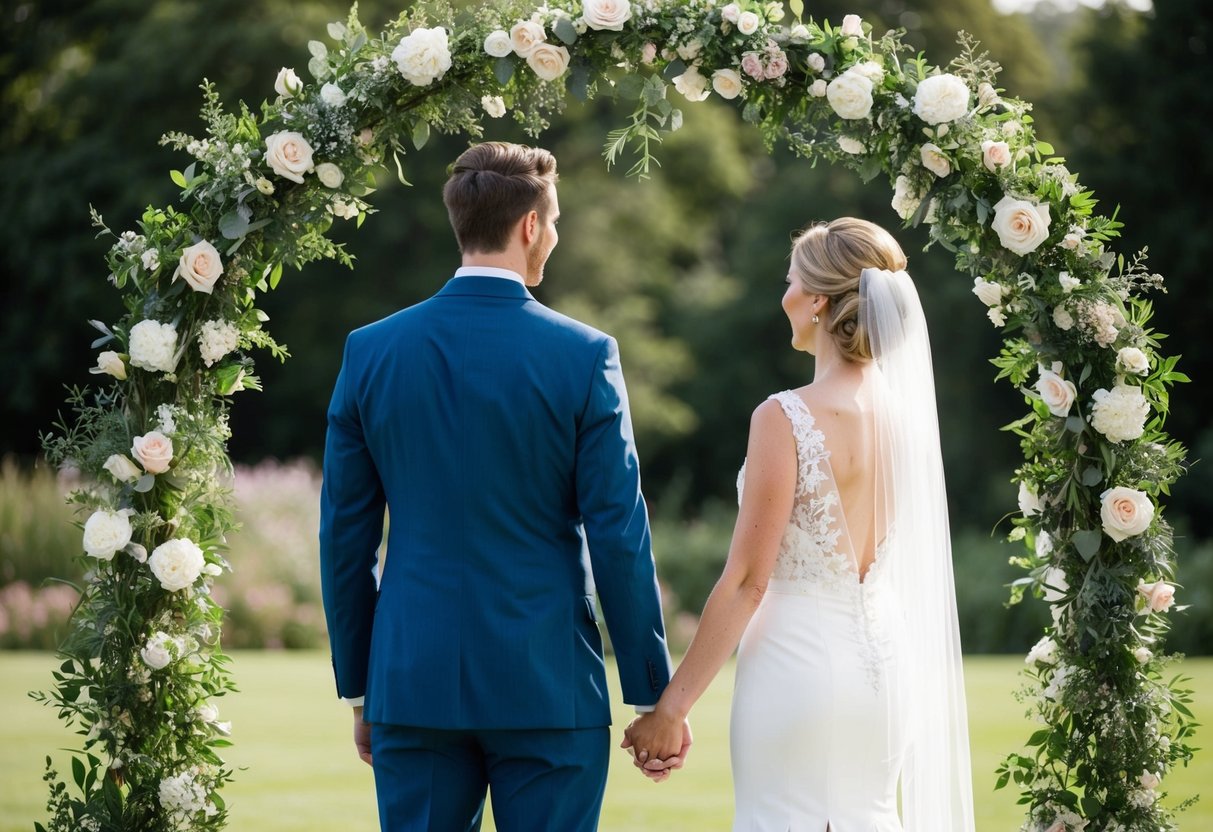
In many Christian ceremonies, the bride typically stands on the left. However, in some cultures, like Jewish weddings, she stands on the right. Understanding these traditions can help you make a choice that feels right for you on your special day.
So whether you choose to follow the norm or mix things up, it’s all about what you and your partner feel comfortable with. Let’s dive deeper into the reasons behind these practices and see how they can fit into your wedding plans.
Wedding Traditions and Historical Origins
Understanding the traditions surrounding the placement of the bride and groom can add meaningful context to your wedding. These practices have deep historical roots and different cultural interpretations that reflect your unique preferences and values.
Symbolism and Significance
Traditionally, the bride stands on the left side of the altar, while the groom stands on the right. This arrangement dates back to ancient times when the groom may have needed his right hand free to defend against rivals or to show strength. The left side, known as the “vena amoris,” is said to symbolize love and commitment, potentially dating back to ancient Roman beliefs.
Some folks believe this setup also connects to the ancient codes of chivalry. In such times, a bride’s position could signify her purity and the groom’s role as her protector. Even today, many couples embrace these traditions for the sentimental value they hold.
Cultural Variations
Across various cultures, the placement of the bride might differ. In Jewish weddings, for example, the bride traditionally stands on the right. This stands in contrast to Christian traditions where she typically takes the left side. Military and police weddings may also choose different positioning, reflecting the couple’s background and values.
Some modern couples even choose to mix these traditions. Placing the bride on the left, right, or even in the center can symbolize equality in their partnership. This choice reinterprets age-old customs, allowing couples to reflect their beliefs and priorities in their wedding ceremony.
Modern Ceremony Practices
In modern weddings, you have the freedom to customize every detail, including where the bride stands during the ceremony. Different influences may shape your choices, making it essential to consider personal preference and traditions from various cultures.
Customizing Your Ceremony
You can tailor your wedding ceremony to reflect your values and interests. For instance, while Christian ceremonies typically see the bride on the left, many couples choose to switch it up based on personal preference.
If you feel strongly about standing on the right or have cultural influences, do not hesitate to make that choice. Jewish weddings often have the bride on the right, and this practice can add personal meaning to your ceremony.
Discuss your vision with your wedding officiant. Their guidance can help mix traditional aspects with your unique wishes.
Significant Roles and Positions
The arrangement of roles in your wedding party is also important. This includes deciding where the bride and groom will stand, as well as where family and friends are seated.
In many ceremonies, the bride traditionally stands on the left side, which aligns with certain customs, but that is not a hard rule. Police weddings often have their own traditions, adapting to a different setup for ceremonial practices.
You might consider a sweetheart table or head table for your reception, further emphasizing the importance of positioning in your celebration. Coordinate seating arrangements to make your day enjoyable and inclusive for everyone involved.
The Role of the Wedding Party
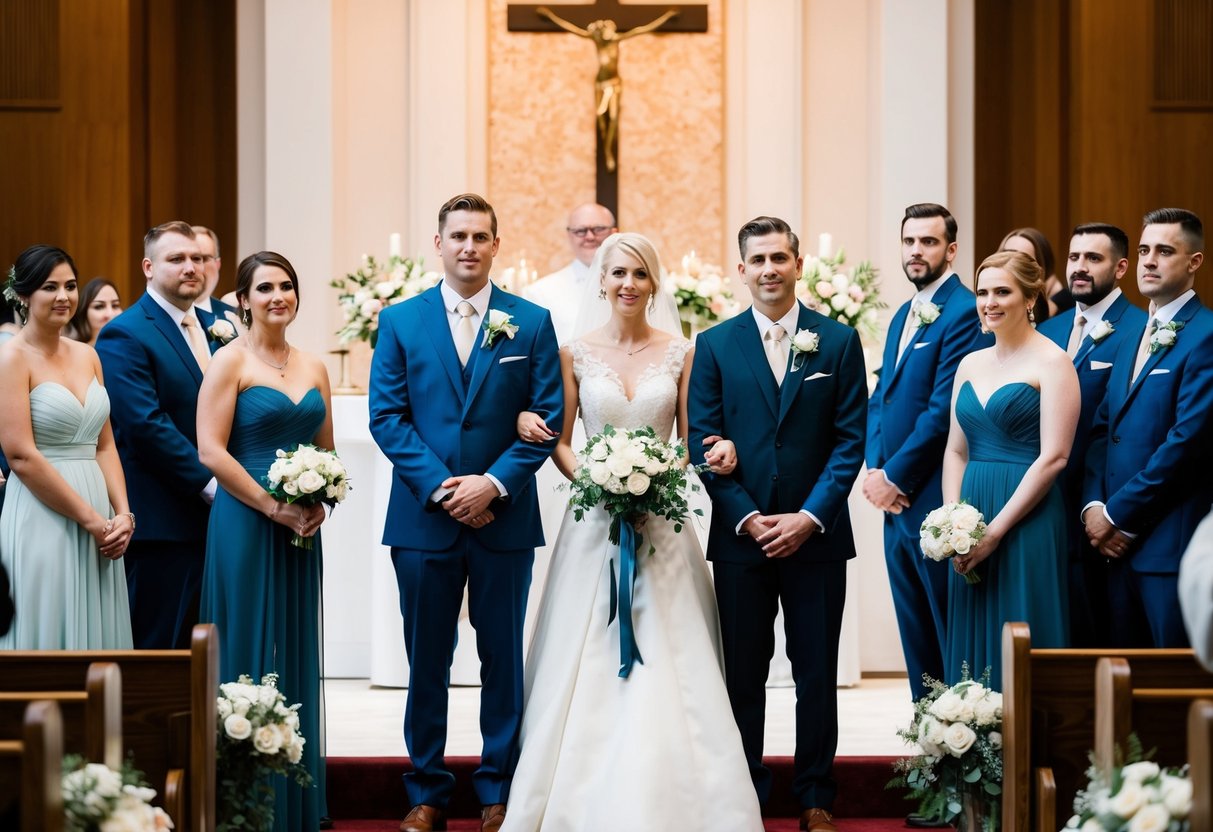
The wedding party is vital in ensuring everything runs smoothly on your special day. From the bridal party configuration to their specific duties, each role adds to the overall experience of the celebration.
Bridal Party Configuration
In a typical wedding setup, you will have the bride and groom at the center. Your bridesmaids usually stand beside you, with the maid of honor taking a prominent position. Groomsmen stand alongside the groom, with the best man right by his side.
It’s common for the bridesmaids to wear matching dresses that you select to create a cohesive look. Meanwhile, the groomsmen often coordinate with the groom in color and style. If you choose to have a ring bearer, he will typically walk down the aisle before you, carrying the rings in a special pouch.
A thoughtful configuration ensures everyone feels included and highlights each person’s role. It brings charm to the ceremony as everyone stands proudly with their respective roles.
Duties and Responsibilities
Every member of the wedding party has specific duties that contribute to a successful event. The maid of honor assists you with tasks like dress adjustments and keeping you calm. Throughout the planning stages, she is often your right-hand woman.
Your bridesmaids support you emotionally and help with details like your bridal hairstyle or bustling your dress for the reception.
Groomsmen, led by the best man, aid the groom with everything from planning the bachelor party to holding the rings during the ceremony.
Having a day-of planner can be a game-changer. They help keep everything on track so that you can fully enjoy your celebration while your wedding party takes care of the behind-the-scenes work.