
Is It Ok to Buy Shoes a Half Size Bigger? Understanding Fit and Comfort
Finding the right fit for your shoes can be tricky. Many people wonder if buying them a half size bigger is a good idea. Experts usually recommend buying shoes a half size larger. This allows for natural foot swelling during the day and enhances comfort while walking or running. This small change can make a big difference in how your shoes feel, especially during extended use.
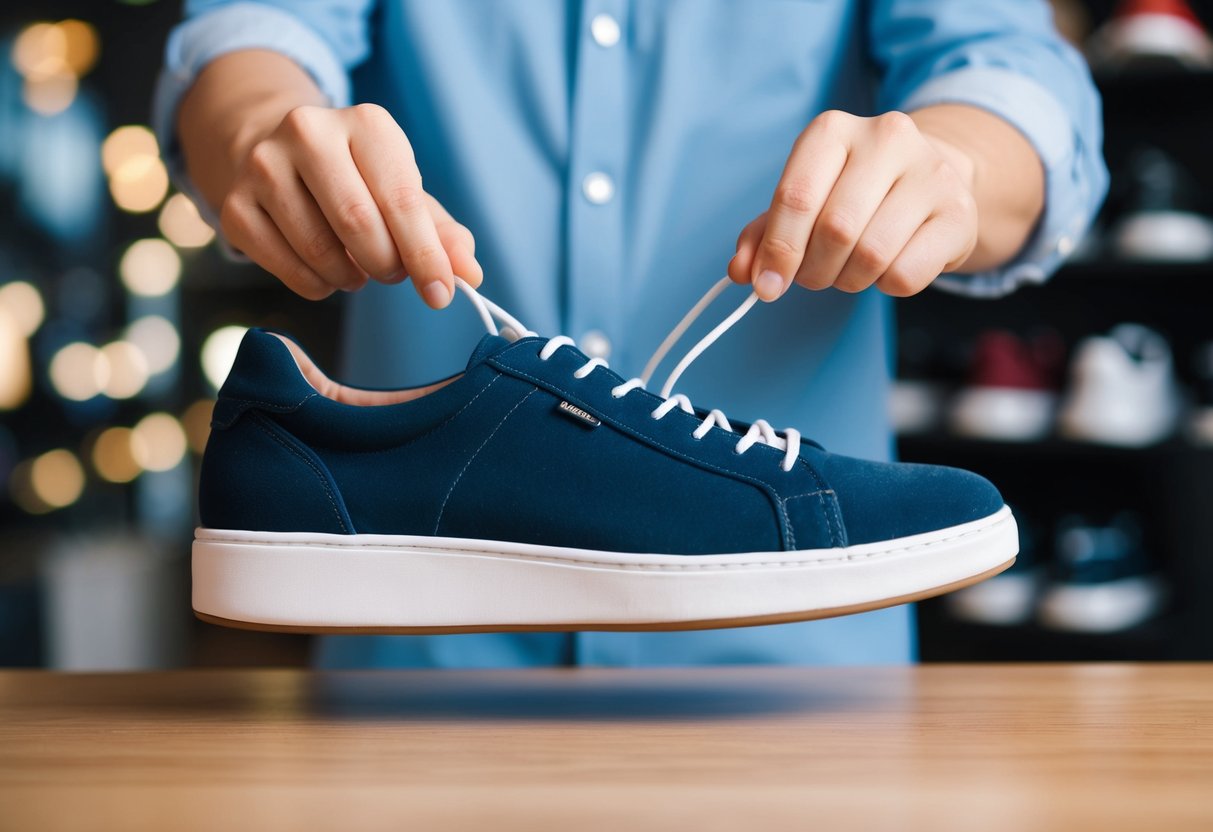
When you wear shoes that are too tight, you may experience discomfort, blisters, or numbness. Going up a half size can provide that extra room to keep your feet happy without compromising support. Knowing the benefits of sizing up can help you make better choices when shopping for shoes.
As you explore your options, consider different brands as they can fit uniquely. It’s also helpful to get your feet measured regularly to find the best fit. By choosing a half size larger, you can enjoy better comfort and support in your daily activities.
Understanding Shoe Sizing
Finding the right shoe size is essential for comfort and foot health. Understanding how shoe sizing works and how to measure your feet correctly will help you make informed choices when buying new shoes.
Importance of the Right Fit
Wearing the right shoe size ensures your feet are supported throughout the day. A poor fit can lead to blisters, calluses, and other foot problems.
It’s common to hear about shoes being too tight or too loose. When shoes are too tight, they compress your feet. This can lead to pain and discomfort. On the other hand, shoes that are too loose may cause your feet to slide around, increasing the risk of injury.
To ensure a proper fit, always measure your feet, as sizes can change over time. Remember to try shoes on in the afternoon when your feet are slightly swollen, which gives a better idea of how they will feel during the day.
US Sizing System Explained
The US shoe sizing system is unique and can be tricky to navigate. Sizes are usually measured in whole and half sizes. A half size difference means about ⅙ of an inch in length. This might seem small, but it can make a big difference in comfort.
To find your correct size, use a shoe sizing chart. Measure your foot length in inches or centimeters, then compare it to the chart to find your shoe size.
Keep in mind that different brands might fit differently, so always try shoes on if possible. This way, you can be sure that you are getting the perfect fit for your foot size.
Pros and Cons of Bigger Shoes

When considering bigger shoes, especially half a size up, it’s essential to weigh the benefits and risks. While added space can improve comfort during your daily activities, it may also lead to certain foot issues.
Benefits of Half Size Bigger
Choosing shoes that are half a size bigger can provide extra room for your feet, which is especially helpful as your feet may swell during the day or while you run. This added space can lead to improved comfort, allowing for a better stride and reducing strain on your feet.
You may also find that larger shoes help to prevent blisters and calluses. A proper fit can reduce friction, which is key if you have bunions or other foot issues. Enjoying your activities without discomfort can make a significant difference in your day.
Risks of Oversized Shoes
While bigger shoes can offer comfort, they come with potential downsides. Shoes that are too large may cause instability while walking or running. This can lead to an awkward gait, increasing the risk of trips or falls.
Additionally, oversized shoes may not provide adequate support. If your foot slides around inside the shoe, you could develop blisters from the added movement. This can be especially problematic if you’re active or have sensitive feet. It’s essential to find a balance between comfort and proper fit to avoid these issues.
Choosing the Right Shoes for Different Activities

Finding the right shoes can greatly improve your comfort and performance, especially when you consider the activity you will be doing. From running to dressing up, choosing the proper fit and style matters.
Running Shoes vs. Dress Shoes
When selecting shoes for running, consider that they should offer support and cushioning. Running shoes are designed to handle impact and provide stability. You might even think about buying shoes that are half a size bigger to give your feet a bit of extra room, especially during longer runs.
On the other hand, dress shoes focus more on style than comfort. They often have a tighter fit, and you should aim for your true size, or consider going a half size larger if you’ll be standing for long periods. Remember, a good fit in dress shoes ensures confidence and comfort.
Athletic Shoes Advantages
Athletic shoes, like sneakers, offer several benefits. They provide excellent support, which is essential for various sports and exercises. The right athletic shoes can help prevent injuries, especially during high-impact activities.
Additionally, choosing athletic shoes a half size larger can be beneficial. This extra space helps your feet swell during activity. Proper fit will give you better performance and comfort, whether you are running, jumping, or exercising.
Practical Tips for Buying Shoes

Finding the right fit for your shoes is essential for comfort and performance. Whether you’re shopping for everyday sneakers or stylish dress shoes, use these practical tips to ensure you choose the best size.
How to Measure for the Perfect Fit
To get the best fit, it’s important to measure your feet correctly. Start by tracing your foot on a piece of paper while standing. Measure the longest length and the widest part of your foot. This gives you a more accurate size than just using your shoe size.
When trying on shoes, wear the type of socks you plan to use. Walk around a bit to check for comfort. There should be about a thumbs width of space between your longest toe and the front of the shoe. If your foot moves or slides, it might be time to try a half-size bigger.
When to Consider Half-Size Bigger Shoes
Those who experience foot swelling during the day should consider getting half-size bigger shoes. The extra room can help prevent discomfort during long hours of wear.
If your current shoes feel snug but your toes don’t touch the front, consider going up half a size. Many athletic shoes are designed to accommodate a little extra space for better performance and comfort. Keep in mind that smaller shoes may lead to blisters or other foot issues, so always prioritize fit.
When in doubt, trying on different sizes is key. Every brand fits differently, so don’t hesitate to grab a half-size larger and see how it feels!