
Is It OK to Get Married Without Telling Anyone? Navigating the Secrets of Your Special Day
Thinking about tying the knot without telling anyone? This idea might sound appealing if you want to avoid stress or drama, but it raises some important questions. Getting married without informing anyone can lead to feelings of isolation and regret, especially if relationships with family and friends are affected.
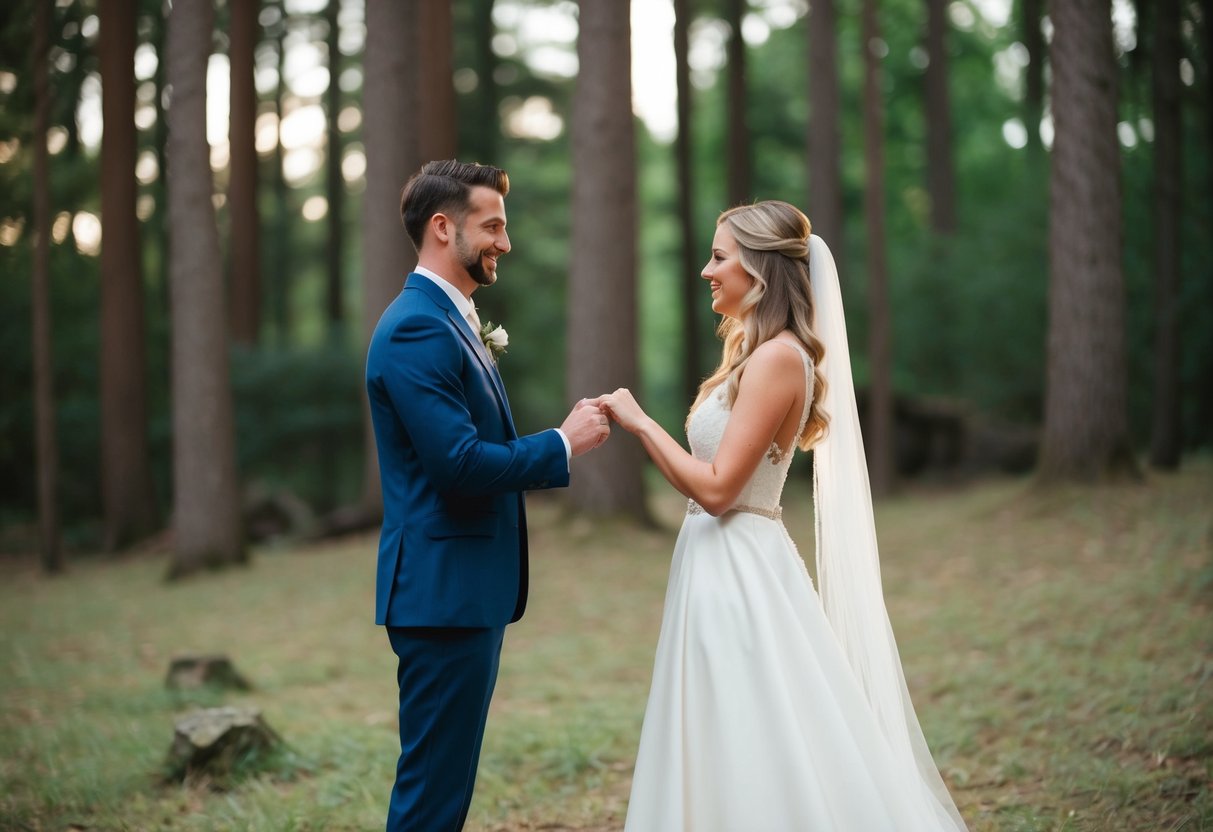
Imagine saying “I do” and keeping it a secret. While it may seem easier at first, there are often emotional consequences you might not anticipate. Engaging in discussions about your plans could provide valuable support and insights.
In this article, we’ll explore the reasons behind choosing secrecy in marriage, the cultural and legal factors to consider, and the potential impacts on your relationships. Understanding these elements can help you decide if this path is right for you.
Understanding Secret Marriages
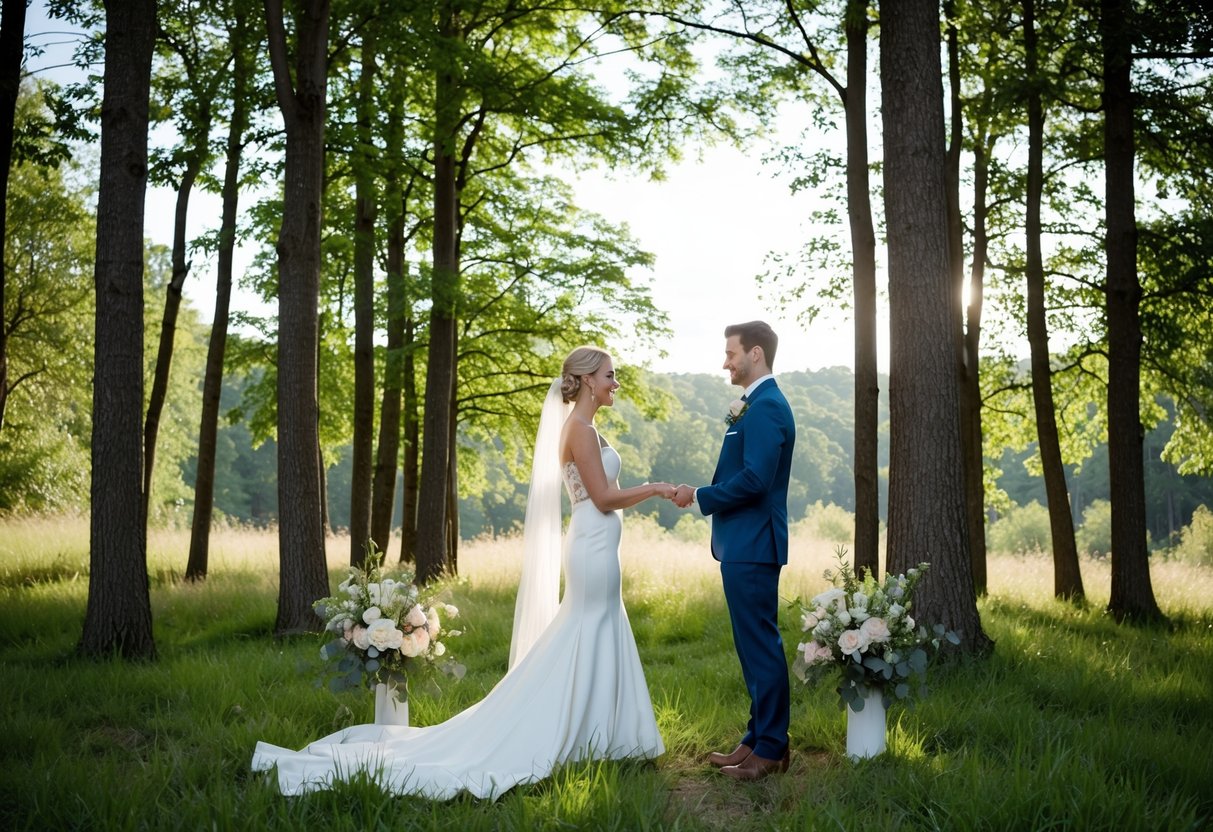
Secret marriages can take many forms and often arise from different motivations. Understanding the reasons behind elopements or secret weddings helps clarify this personal choice. Additionally, cultural and social views on this type of marriage provide insight into how society perceives such decisions.
Reasons for Elopement or Secret Weddings
You might choose to elope or marry in secret for various reasons. Some couples seek to avoid the stress and expense of traditional weddings. A simple and intimate ceremony can sometimes feel more meaningful.
Other reasons include family pressures or conflicts. Some may wish to avoid complications, especially if their families disapprove of their relationship. Additionally, some couples prefer to cherish their love privately, focusing solely on one another rather than public displays.
Elopement can also offer a sense of adventure. The thrill of a spontaneous wedding can make the experience feel unique and special. Plus, it allows you to create your own rules about marital commitment.
Cultural and Social Perspectives
Cultural views on secret marriages vary widely. In some cultures, elopement is accepted and even celebrated. It can represent love overcoming obstacles or social norms.
However, in other cultures, secret marriages may face stigma. Some people feel it goes against traditional practices, leading to misunderstandings or backlash from families. These feelings vary depending on community values and beliefs around relationships.
Understanding these perspectives helps you navigate your own feelings about getting married without telling anyone. Choices like elopement can reflect personal values and desires that may differ from societal expectations.
Legal Aspects of Marrying in Secret
When considering marrying in secret, it’s essential to understand the legal requirements that come into play. This involves obtaining a marriage certificate, securing a marriage license, and fulfilling requirements regarding witnesses.
Marriage Certificate and Legal Validity
A marriage certificate is an important legal document that proves your marriage. Without it, your marriage may not be recognized by the law.
To get this certificate, you need to first obtain a marriage license. This license serves as permission to marry and is usually issued by a governmental authority. In many places, a marriage certificate can be obtained once you complete the marriage ceremony.
Make sure to check specific state or country laws, as they vary. Some places allow self-uniting marriages where you might not need an officiant.
Witnesses and Marriage License Requirements
Most jurisdictions require at least one or two witnesses to sign your marriage license during the ceremony. These witnesses confirm that the marriage took place and can be friends or family.
You should also be aware of the age and identification requirements for becoming married. Generally, the bride must be at least 18 years old, and the groom may need to be 21.
While some locations let couples marry without an officiant, you must still meet the legal requirements to ensure the marriage is valid. Depending on where you live, not having witnesses could complicate the legal recognition of your marriage.
Considerations for a Private Wedding
When you decide to have a private wedding, there are essential factors to consider. You’ll need to plan your ceremony carefully and think about how to communicate the decision to others. Both aspects can significantly affect your special day.
Planning Your Private Ceremony
First, you’ll want to find a suitable venue for your private wedding. Look for a location that has personal significance or simply offers a beautiful setting. You might choose a quiet park, a cozy restaurant, or even your home.
Next, you must hire a competent officiant. Make sure they are licensed to perform your ceremony legally. If you’re considering a nikah, the officiant should understand Islamic marriage procedures.
Then, plan the details. This includes your vows, any readings, and music if desired. Keep it simple, focusing on what makes the day meaningful for you. Set a timeline, so everything flows smoothly on the day.
Communicating Your Decision
Deciding whether to keep your wedding a secret can be tricky. You may want to inform close family or friends afterward. Be honest with them when the time feels right.
If you choose to keep it completely private, prepare for questions. People might wonder why they weren’t included. It’s helpful to say you wanted to create an intimate experience.
Sharing photos afterward can also help ease any hurt feelings. It shows you value the support of loved ones, even if they weren’t present.
Ultimately, how you communicate is up to you, but clarity is essential in maintaining relationships.