
Is It Ok to Go Up Half a Size Bigger Shoe? Understanding Comfort and Fit
Choosing the right shoe size can greatly affect your comfort while walking or running. Many people wonder if it’s okay to go up half a size. The answer is yes; going up half a size is often recommended to ensure better comfort and reduce the risk of soreness.

Your feet can swell during the day, especially during physical activities. A half-size bigger shoe allows for that natural swelling, providing you with some extra space. This added length helps prevent your toes from feeling cramped, which can lead to blisters or discomfort.
It’s important to remember that shoe sizes can vary between brands and styles. While going up half a size works for many, it’s essential to try on different options to find what feels best for you. A comfortable fit will make a significant difference in how you feel during your day or your workout.
Understanding Shoe Sizing
When choosing the right shoe size, it’s important to understand how shoe sizes work, the tools available to measure them, and the variations among different brands. This knowledge can help ensure a better fit and overall comfort for your feet.
Shoe Size Measurements and Tools
Shoe sizes are determined using various systems around the world. In the United States, the most common method is the Brannock device, which measures the length and width of your foot. This tool provides a precise size that takes into account not only length but also width.
When using the Brannock device, you should stand up. Your weight will flatten your foot slightly, providing a more accurate measurement. Remember to measure both feet, as one may be larger than the other. Always go with the larger size for the best fit.
Differences Among Shoe Manufacturers
Not all shoe manufacturers size their shoes the same way. Some brands may run smaller or larger due to their unique sizing systems.
For example, a size 10 in one brand might feel snug while the same size in another brand offers extra room. Always try shoes on before buying, if possible. If you’re shopping online, look for customer reviews or guides that detail how a specific brand fits, such as whether they tend to run large or small.
Importance of Proper Fit
Getting the right shoe size is crucial for comfort and foot health. Shoes that are too small can cause blisters and discomfort, while those that are too large can lead to instability.
When trying on shoes, pay attention to how they feel during movement. Your toes should have enough space to wiggle, but the shoe should not slip off your heel. Ideal fit will lead to better posture and can even reduce the risk of foot-related problems.
Benefits and Downsides of Sizing Up
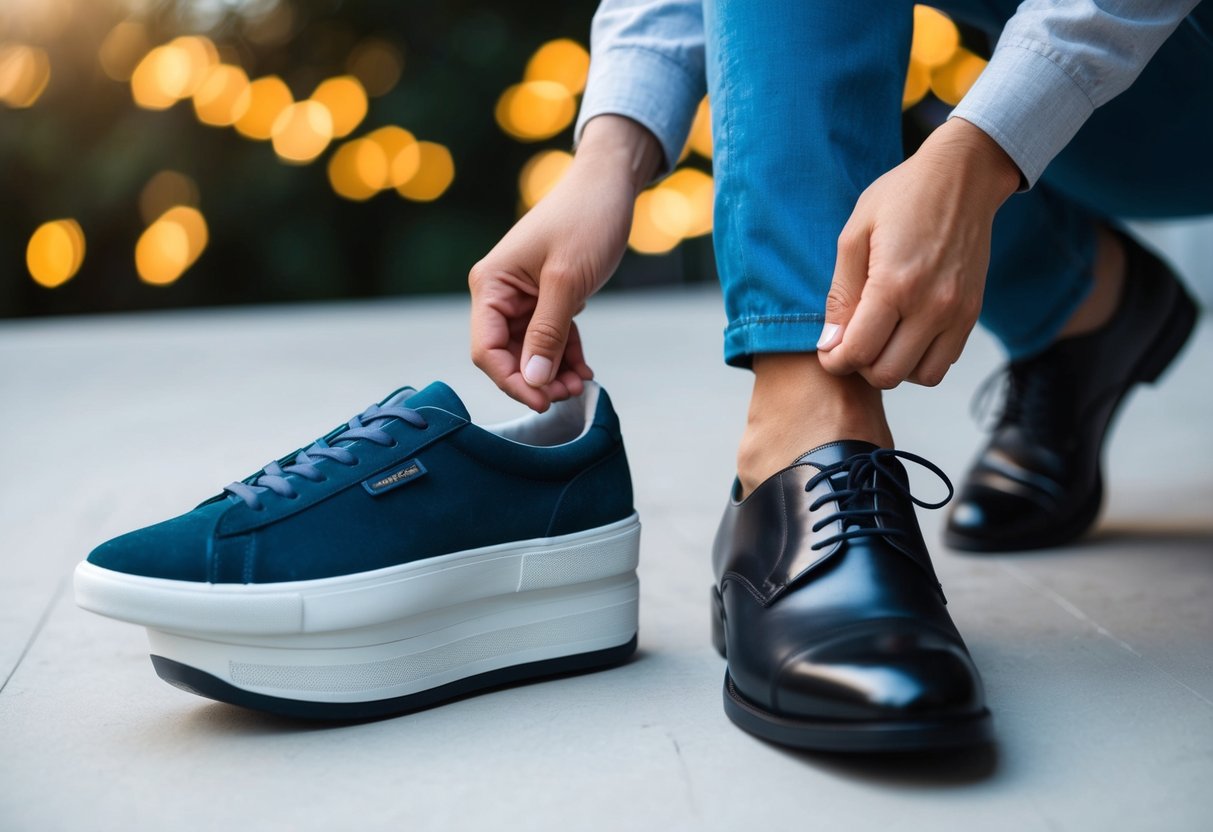
Choosing to size up by half a size can offer both benefits and drawbacks. Understanding these can help you make the best choice for your foot health and comfort.
Advantages of a Larger Shoe
When you size up, there can be a noticeable increase in comfort. A larger shoe provides extra space for your toes, which can help alleviate discomfort from conditions like bunions and calluses.
You may also reduce the risk of blisters. Tight shoes often cause friction, leading to painful blisters, while a looser fit allows for some movement.
Additionally, a half size larger can accommodate foot swelling, especially during exercise. This can improve your overall experience when walking or running. For instance, runners often find that a little extra room helps prevent black toenails caused by constant impact.
Potential Issues with Larger Shoes
Sizing up isn’t without its issues. A shoe that is too big can lead to heel slippage, affecting your stability. This can result in a lack of support during activities, increasing your risk of injury.
You might also experience increased friction in certain areas. If the shoe is too loose, you could still get blisters or calluses.
Finding the right balance is key. Make sure to try the shoes on while doing some movements. This helps ensure that a larger size doesn’t negatively impact your foot’s alignment or overall comfort during use.
Special Considerations
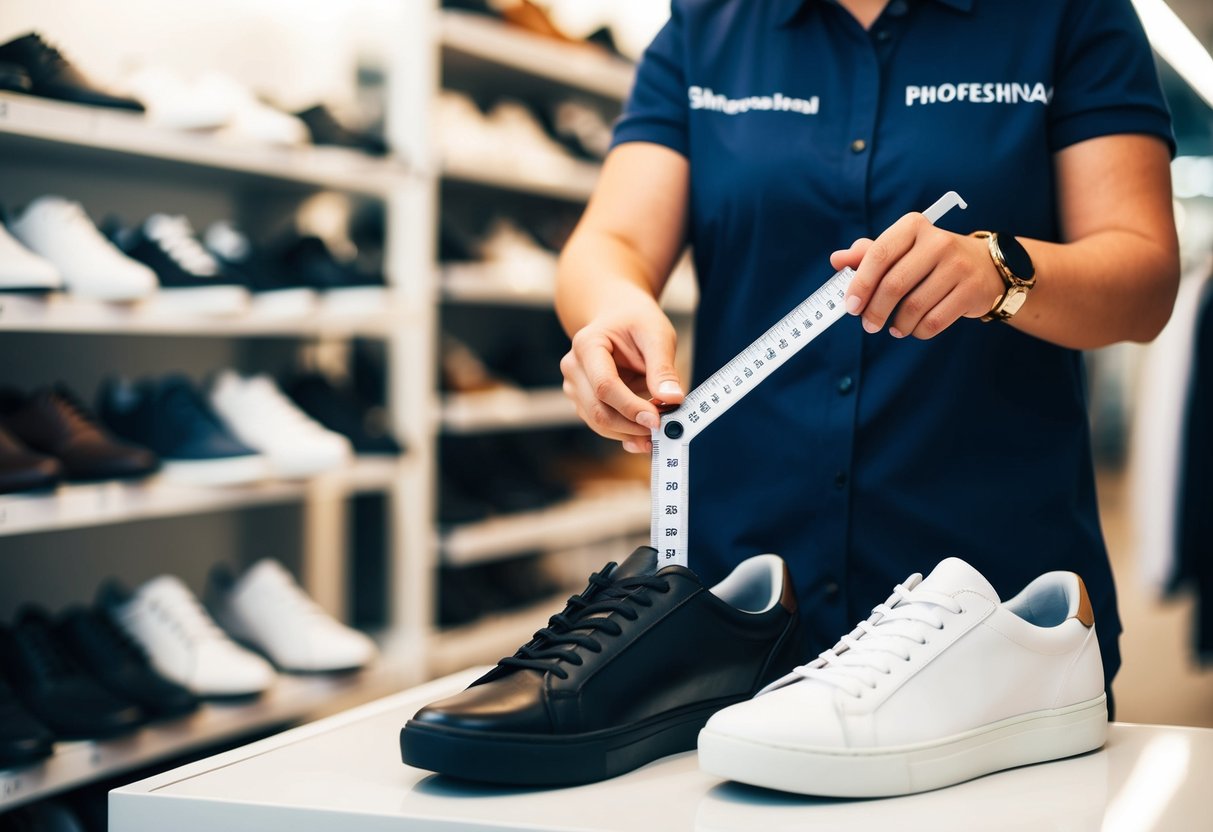
Choosing the right shoe size involves thinking about various factors that can affect comfort and fit. You may need to consider your foot shape, specific foot conditions, and the types of activities you’ll be doing. Here’s what to keep in mind.
When to Choose Half a Size Bigger
You might want to go up half a size if your shoes feel tight, especially in the toe box. A snug fit can lead to discomfort during activities like running or walking. Tight shoes can cause blisters and pinching.
If you have wide feet, sizing up can help. This extra space allows for better circulation and comfort. If you’re measuring your feet, remember to do so at the end of the day when your feet are slightly swollen.
Foot Conditions and Shoe Sizing
Certain foot conditions, like flat feet or Achilles tendonitis, may require you to size up. When your arch is low, you might need more room for support. A larger shoe can help prevent strain on your feet.
If you experience pain in the toe area or if the shoe feels cramped, a half size up could make a difference. Additionally, if you plan to wear thicker socks, consider sizing up to accommodate that extra thickness.
Shoes for Different Activities
The activity you engage in also affects shoe size decisions. For running shoes, a half size up can provide needed space for your feet to expand during runs. A well-fitted running shoe can enhance performance and reduce injury risk.
For casual shoes, the fit can be more flexible. If you’re using shoes for walking or daily wear, comfort is key—ensure there is enough room without being too loose. Always test shoes with the intended activity in mind to find the best fit.
Choosing the Right Size for You
Finding the right shoe size is essential for comfort and performance. Trying on shoes and understanding size charts will help ensure you make a well-informed choice that suits your needs.
Trying On Shoes and Test Runs
When you try on shoes, make sure to bring the socks you plan to wear with them. This will give you a better idea of how they will fit during use.
Walk around the store to see how the shoes feel. Pay attention to tight spots or areas that may pinch.
If you’re buying running shoes, consider doing a quick test run in the store if possible. This can help you feel how the shoes perform under a bit of pressure. Remember, your feet can swell throughout the day, so it’s best to shop in the afternoon.
If a half size up feels more comfortable, it’s generally better to go with that option. A snug fit can lead to blisters and discomfort during long wear.
Navigating Size Charts and Conversion
Understanding shoe size charts can be tricky, especially with different systems like US shoe sizes and UK sizes.
To make it easier, find a reputable size chart for the brand you’re interested in. Most charts will list numerical sizes alongside approximate foot lengths in inches or centimeters.
If you’re converting sizes, remember that a size 12 US is often equivalent to a size 11 UK. Be mindful that sizes may vary by brand. Some shoes run true to size, while others might run larger or smaller.
Don’t hesitate to check for reviews about the specific model you’re considering. This can give you insights about whether it’s best to stick with your usual size or go up half a size.