
Is It Ok to Just Have a Wedding Reception? Exploring Your Celebration Options
You might be wondering if you can have just a wedding reception without a ceremony. The good news is you can absolutely choose to host a reception-only wedding! This trend is becoming more popular, allowing couples to celebrate their love in a way that suits them best.
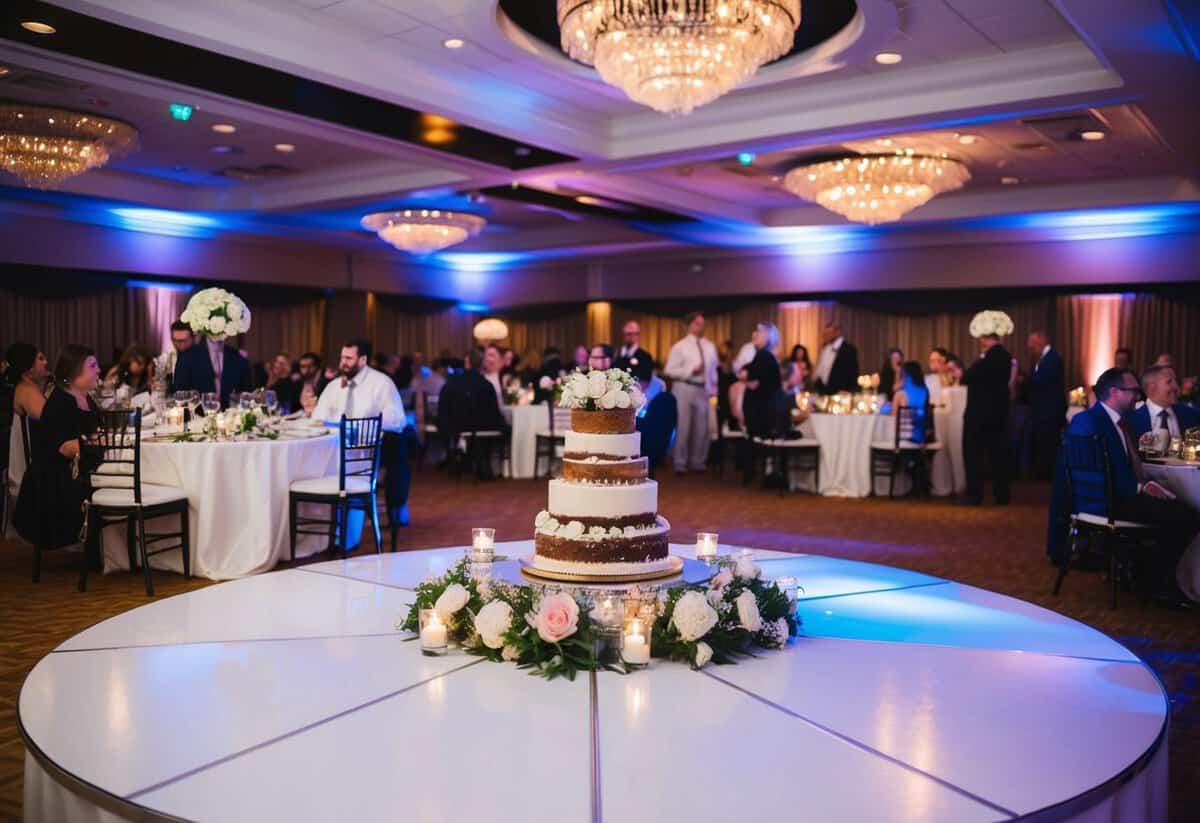
If you’re considering skipping the ceremony, there are some things to keep in mind. While some guests may expect a traditional ceremony, many understand that weddings can be tailored to fit your style and needs. A reception can be a fantastic way to gather friends and family for a joyful celebration, even if it means waving goodbye to the formalities of a ceremony.
As you plan your special day, think about how a reception can reflect your personality and preferences. With creativity and thoughtful planning, you can create a memorable experience for everyone involved, all without the traditional ceremony.
Understanding Reception-Only Weddings
A wedding reception without a ceremony is becoming more popular. Some couples choose this option for various personal and practical reasons. Let’s explore what you need to know about reception-only events.
Reasons for Skipping the Ceremony
There are many reasons you might prefer a reception-only wedding. For some, elopement offers a unique and intimate option. You can tie the knot privately and then celebrate with loved ones afterwards. This suits couples who want to avoid the stress of a big wedding.
Another reason could be budget constraints. A small ceremony can save money, allowing you to allocate more for a fantastic reception. Also, some couples may want a more casual celebration, focusing on fun and connection rather than traditional formalities.
Planning a Reception-Only Event
When planning a reception-only event, focus on creating a joyful atmosphere. You can choose a location that fits your style, from a cozy restaurant to a spacious venue.
Prepare an invitation that clearly states it’s a reception only. Let guests know about your private ceremony if you have one before. You can select a theme that reflects your personalities. Think about food, drinks, and music to make it memorable.
Remember to keep the guest list intentional. A smaller group allows for meaningful interactions. You get to enjoy the day without feeling overwhelmed by a big crowd.
Social Implications and Etiquette
Attending a wedding reception without the ceremony can raise questions about etiquette. It’s generally acceptable if you communicate your plans respectfully. Always express gratitude for the invitation.
Consider how your choice may affect family dynamics. Some family members might expect to see the ceremony. Open discussions can help manage expectations and maintain harmony.
You can also reassure your guests about your celebration plans. Sharing your reasons for a reception-only approach shows thoughtfulness. This helps everyone understand your vision and enjoy the day together.
Crafting Your Guest List and Invitations
Creating a guest list and preparing invitations for a reception-only wedding requires careful thought. You want to ensure that everyone feels included while respecting your plans for the event. Here are some key points to consider.
Deciding Whom to Invite
Start by making a list of guests who are important to you and your partner. Think about close family, friends, and anyone who has had a significant role in your lives. It may help to categorize them into three groups: must-invite, would-like-to-invite, and optional invites.
As you decide, keep your venue’s capacity and your budget in mind. A larger list can increase costs, so make sure your guest count aligns with both. It’s important to stick to your plan, even if some people are disappointed.
Designing Reception-Only Invitations
When creating your invitations, clearly state that it is a reception-only event. This helps manage expectations. You can use simple, elegant designs that reflect the theme of your celebration.
Include essential details such as the date, time, and location. Also, provide RSVP options so you can finalize your headcount. Consider adding a note explaining your wedding format, which might ease any confusion about the absence of a ceremony. Use warm language to ensure guests feel valued.
Communicating Your Decision to Guests
Communication is key to avoiding misunderstandings. Share your reasons for having a reception-only event with close family and friends first. This will help them understand and support your decision.
When inviting guests, express your excitement about celebrating together. Provide multiple ways for them to RSVP, like via a website or phone number. Be open to questions, as some may need clarification about the event’s format. Keeping everyone informed fosters a positive atmosphere and enhances your special day.
Organizing the Big Day
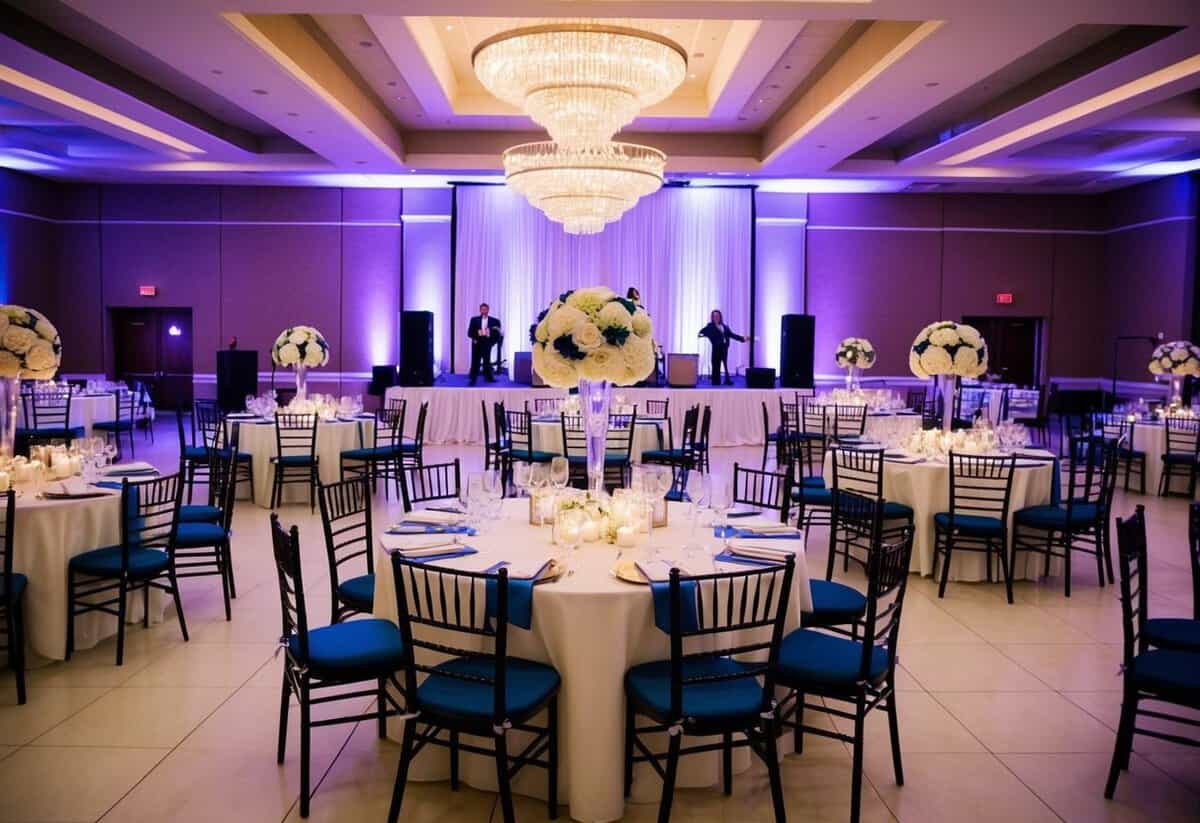
Planning a reception-only wedding can be exciting and straightforward. You’ll need to focus on selecting the right venue, planning engaging entertainment and activities, and deciding on an appropriate dress code.
Selecting a Venue
Choosing the right venue is key to setting the tone for your reception. Consider how many guests you plan to invite. A larger venue might be necessary if you have a big guest list, while a smaller, cozy space works for an intimate gathering.
Make sure the venue allows for dancing if that’s part of your plans. Look for places that can accommodate features like a dance floor, catering options, and enough seating. Do check for outdoor spaces, as they can make for a lovely, relaxed atmosphere.
Entertainment and Activities
Engaging your guests is essential at a reception-only event. Consider hiring a DJ or a live band to keep the energy high and encourage dancing. Think about including fun activities like photo booths, games, or even a dance-off to get everyone involved.
Make a playlist or ask the DJ to include some of your favorite songs. You can even plan a few special moments, like speeches from the wedding party or toasts, to make the event feel special without the traditional ceremony.
Dress Code for a Reception-Only Event
Deciding on a dress code helps set expectations for your guests. Whether you want elegant evening attire or a more casual look, be clear in your invitations.
If you’re going for a formal vibe, mention cocktail dresses and suits. If it’s more casual, you can suggest summer dresses and dress shirts. Remember, your outfit can also be less traditional since there’s no ceremony involved, allowing you to choose something that truly reflects your style.
Post-Reception Considerations
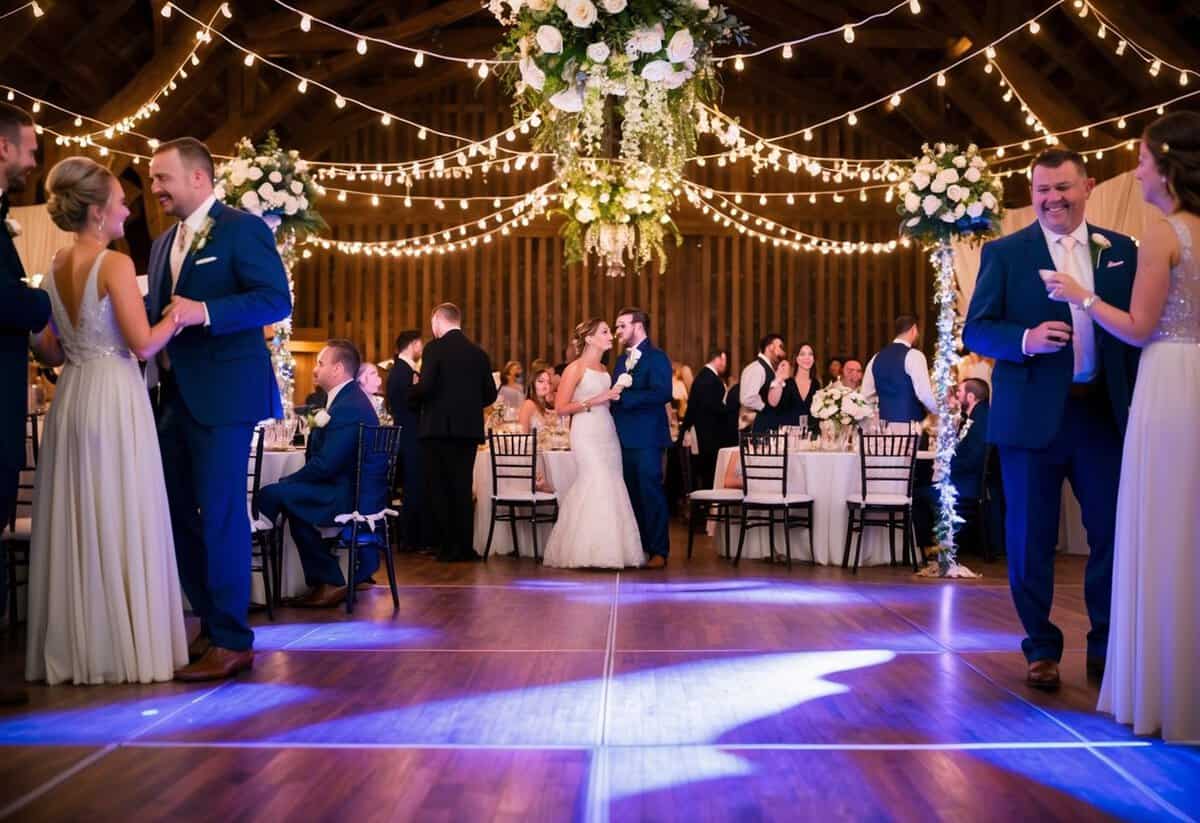
Planning a wedding reception means addressing details that come after the main celebration. You want to ensure your guests feel appreciated and consider any additional gatherings you may host.
Gracious Ways to Handle Wedding Gifts
After your wedding reception, it’s important to express gratitude for any gifts you receive. Creating a thank-you note list can help you stay organized.
-
Keep Records: As gifts arrive, jot down who sent what. This makes sending thank-you notes easier later.
-
Timely Acknowledgment: Aim to send your thank-you notes within three months. A heartfelt message goes a long way in showing your appreciation.
-
Personal Touch: Mention the specific gift in your note. Personalizing your messages makes them feel sincere and thoughtful.
Planning a reception may mean some guests can’t attend the ceremony, so acknowledging their gifts shows you value their support and care.
Hosting an After-Party
An after-party can be a fun way to keep the celebration going, especially if your reception ends early. Here are some key points to consider:
-
Timing and Venue: Schedule the after-party soon after the reception. Choose a convenient location, like your hotel or a nearby bar, to make it easy for guests to join.
-
Invite the Right People: You can keep it small or invite everyone. Make sure your guests know it’s happening, either through informal chats or a quick message.
-
Fun Activities: Plan easy activities, like games or dancing, to keep the vibe lively. You can also include snacks and drinks to keep energy up.