
Is It Ok to Miss Wedding Rehearsal? Understanding the Importance of Attendance
Missing a wedding rehearsal can feel overwhelming, but it’s more common than you might think. If you cannot attend, it’s usually fine to skip the rehearsal, as long as you communicate with your wedding party and planner.
Many couples juggle busy schedules, and a rehearsal is meant to help everyone feel prepared, not stressed.
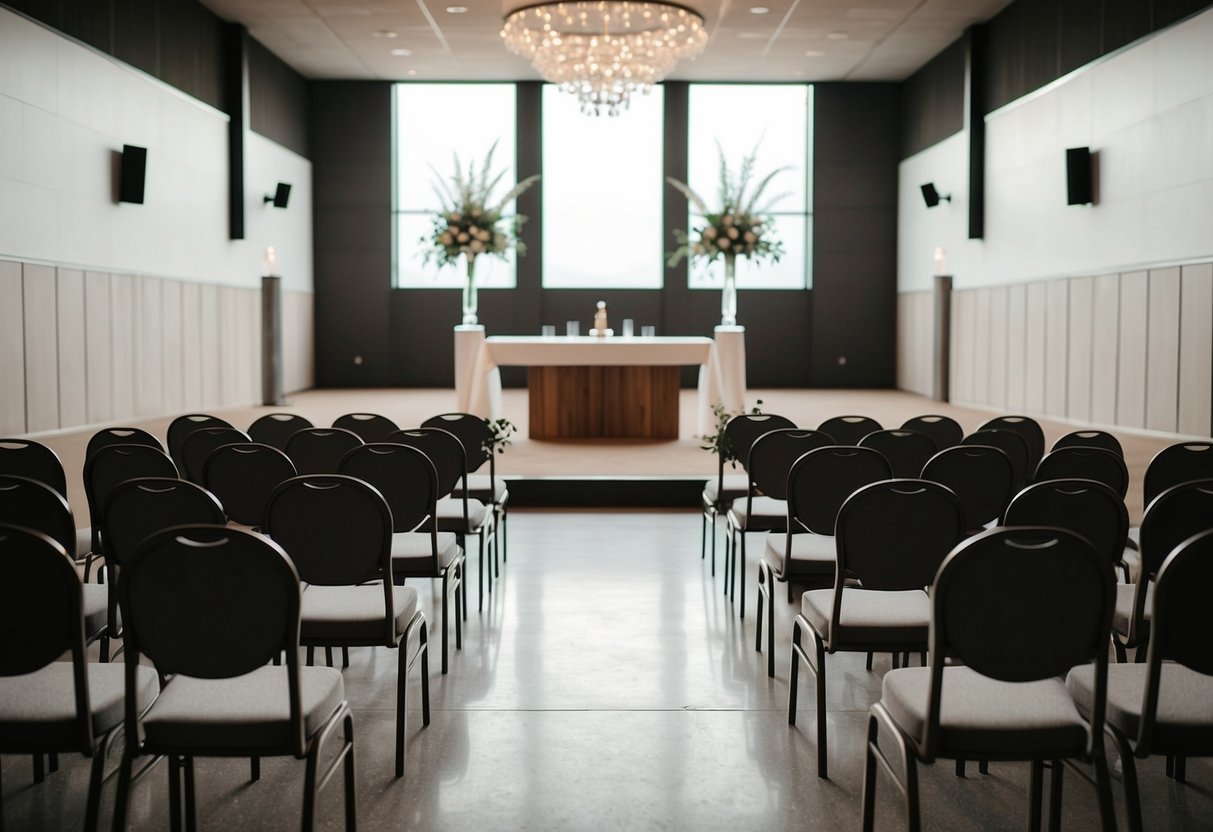
Your wedding day will still be special, even if you miss the rehearsal. The key is to stay in touch with your wedding party and ensure they know the plan.
This way, everyone can support each other, keeping the focus on enjoying the ceremony.
Remember, wedding planning can be hectic. Prioritizing your well-being and finding what works for you is important. After all, it’s your special day!
Understanding the Role of the Wedding Rehearsal
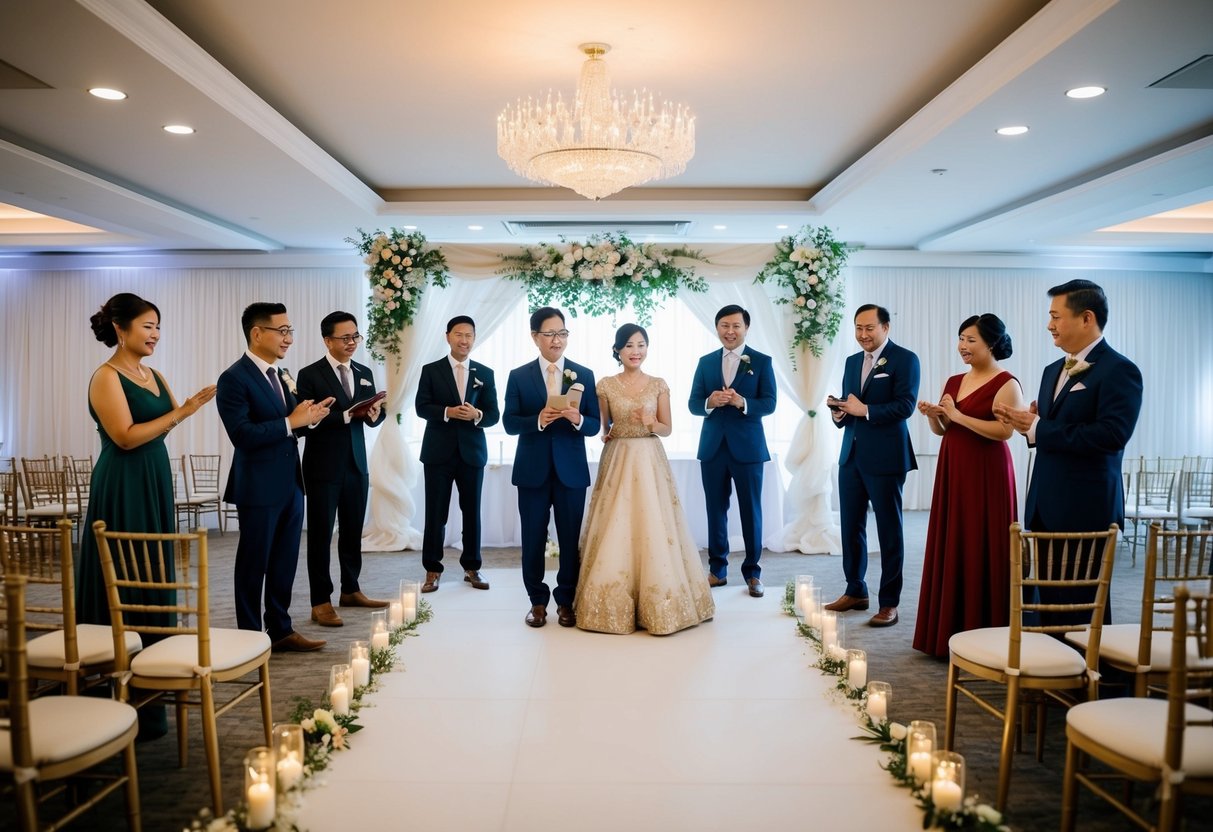
A wedding rehearsal is an important part of planning your big day. It helps everyone know their roles, understand the schedule, and manage any potential issues.
Let’s explore the purpose of the rehearsal and who should attend to ensure everything runs smoothly.
Purpose of the Rehearsal
The main purpose of a wedding rehearsal is to practice the ceremony. This includes walking through each part, such as the processional and recessional. By doing this, you and your wedding party will feel more comfortable on the big day.
During the rehearsal, you can clarify the order of events. This helps everyone know what to expect.
You’ll also identify any potential problems that may arise. If you have young attendants like flower girls or ring bearers, practicing can ease their nerves too.
Being prepared can make a big difference in how smoothly the ceremony goes. The rehearsal sets the tone for the wedding day and allows for adjustments before everyone arrives. A little practice can go a long way in creating a stress-free environment.
Who Should Attend?
Your wedding rehearsal should include key people involved in the ceremony. This usually means the couple, officiant, and members of the wedding party. Be sure to include bridesmaids, groomsmen, and parents as well.
It’s also wise to invite children, like flower girls and ring bearers, if they can handle it. However, you may choose to direct them on the wedding day instead, to avoid overwhelming them.
Having a complete guest list at the rehearsal is not necessary. Focus on those who will play a direct role in the ceremony. This ensures everyone understands their responsibilities, helping the ceremony itself to go more smoothly.
Navigating Rehearsal Dinner Dynamics
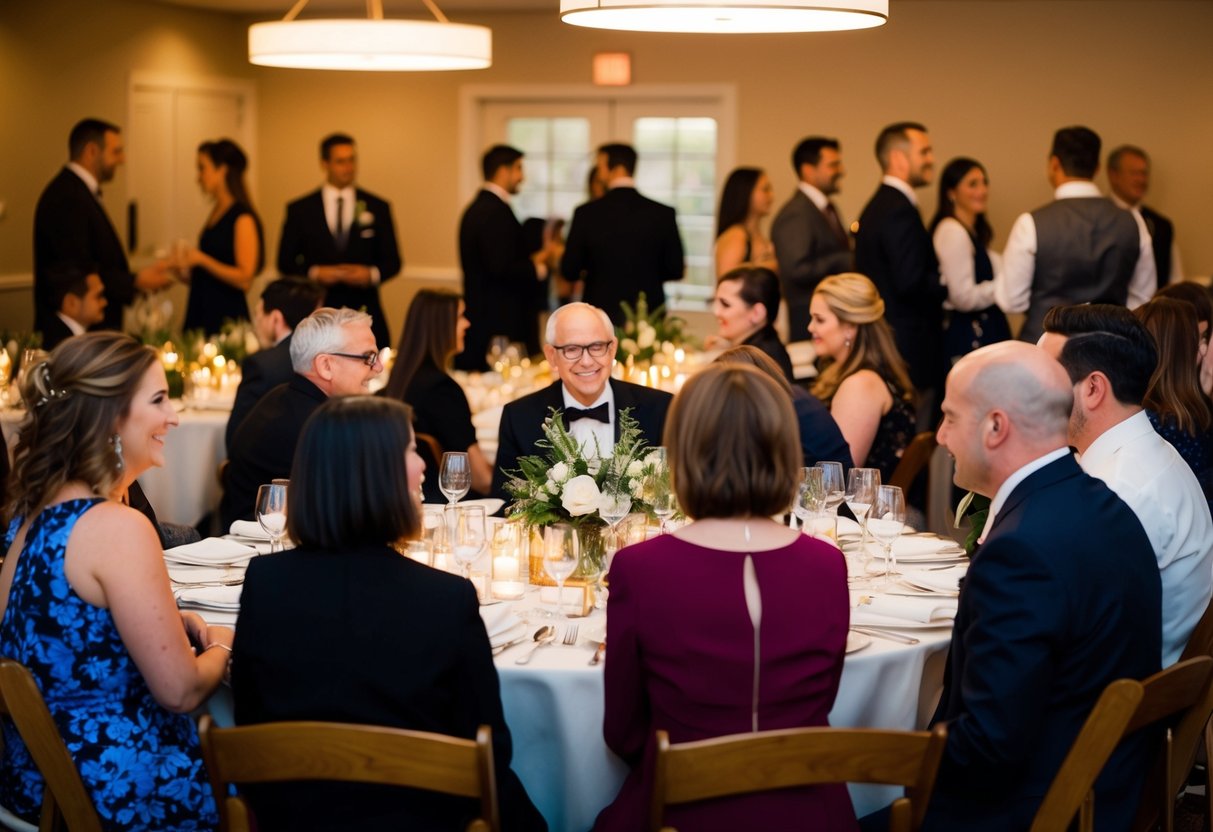
Planning a rehearsal dinner involves several important steps that can help you create a meaningful and enjoyable event. From selecting the venue to sending out invitations, each detail plays a role in the success of your celebration.
Planning the Rehearsal Dinner
When planning the rehearsal dinner, start by figuring out your budget. Knowing how much you can spend will guide your choices on the venue, food, and guest list.
Consider an intimate setting, which can help create a warm atmosphere for you and your close friends and family.
Next, think about the timing of the event. The rehearsal dinner typically occurs the night before the wedding. This gives everyone a chance to relax and connect before the big day.
Keep your guest list manageable to ensure everyone feels included without overwhelming yourself.
Make a checklist for food and drinks. Choose a menu that reflects your tastes. Whether it’s a sit-down dinner or a casual buffet, ensure there’s something for everyone. Don’t forget about dietary restrictions, so ask guests in advance.
Rehearsal Dinner Invitations and Etiquette
Sending out rehearsal dinner invitations is an important step. Invitations should be sent at least a month in advance. This gives your guests enough time to clear their schedules.
Include all relevant details in your invitation: date, time, location, and any special instructions like dress codes.
It’s also a good idea to mention whether guests can bring a plus one. This ensures clarity and can help avoid any awkward situations.
Regarding etiquette, make sure that immediate family, the wedding party, and their partners are invited. Friends and other relatives may also be included, depending on your budget and space.
Remember that it’s a relaxed event, so keep the tone light and friendly.
Selecting a Rehearsal Dinner Venue
Choosing the right venue sets the mood for your rehearsal dinner. You can opt for a restaurant, banquet hall, or even a backyard. The key is to find a location that fits your style and budget.
If you prefer an intimate gathering, consider hosting at home or a family member’s house. This adds a personal touch and can make the event feel even more special.
Just think about the space needed for dining and mingling.
When visiting potential venues, pay attention to their service and flexibility. The staff should be willing to accommodate your needs and preferences.
Don’t hesitate to ask about packages that include food and drinks to help manage costs effectively.
Who Pays for the Rehearsal Dinner?
Traditionally, the groom’s family pays for the rehearsal dinner. However, you can always discuss this with your families to see what works best for everyone involved.
In modern planning, it’s common for couples to cover the costs, especially if you have specific ideas for the event.
Just ensure you’re clear on who will handle which expenses to avoid confusion later.
Whichever path you choose, make sure to budget accurately. Include all related costs, like food, decorations, and any hired help. Knowing the total amount will help you stay organized as you finalize the details.
Celebration Before the Big Day

A pre-wedding celebration can set a joyful tone for your wedding. It’s a chance for you and your wedding party to bond, share laughs, and reflect on the journey so far. Focusing on creating lasting memories will make this time special.
Creating a Memorable Evening
Planning a memorable evening starts with setting the right atmosphere. Choose a venue that feels personal, whether it’s a cozy restaurant or a backyard gathering.
Think about the decorations and music you want. Small touches like candles, fairy lights, or a playlist of your favorite songs can make the night feel intimate.
Don’t forget to include your wedding party members in the fun! Organize games or activities that encourage everyone to interact.
This is the perfect time to thank your friends and family for their support as you all celebrate together.
Incorporating Speeches and Toasts
Speeches and toasts add a personal touch to your celebration. They allow your wedding party and important guests to share memories and express their excitement for your marriage.
Encourage your closest friends and family to prepare a few heartfelt words. Keeping the speeches warm and concise will help maintain a lively atmosphere.
Aim for each speech to last about 2-3 minutes.
You might also want to consider a group toast at the end. This creates a sense of unity and shared joy.
Be sure to raise your glasses to celebrate the love surrounding you and the new journey ahead.