
Is It OK to Not Do a Father-Daughter Dance at a Wedding? Exploring Modern Traditions
Planning your wedding can be both exciting and challenging, especially when it comes to traditions. One common tradition is the father-daughter dance at the wedding reception. You can skip the father-daughter dance if it doesn’t feel right for you. Many couples embrace this tradition, but it’s important to remember that your wedding should reflect your unique experiences and relationships.
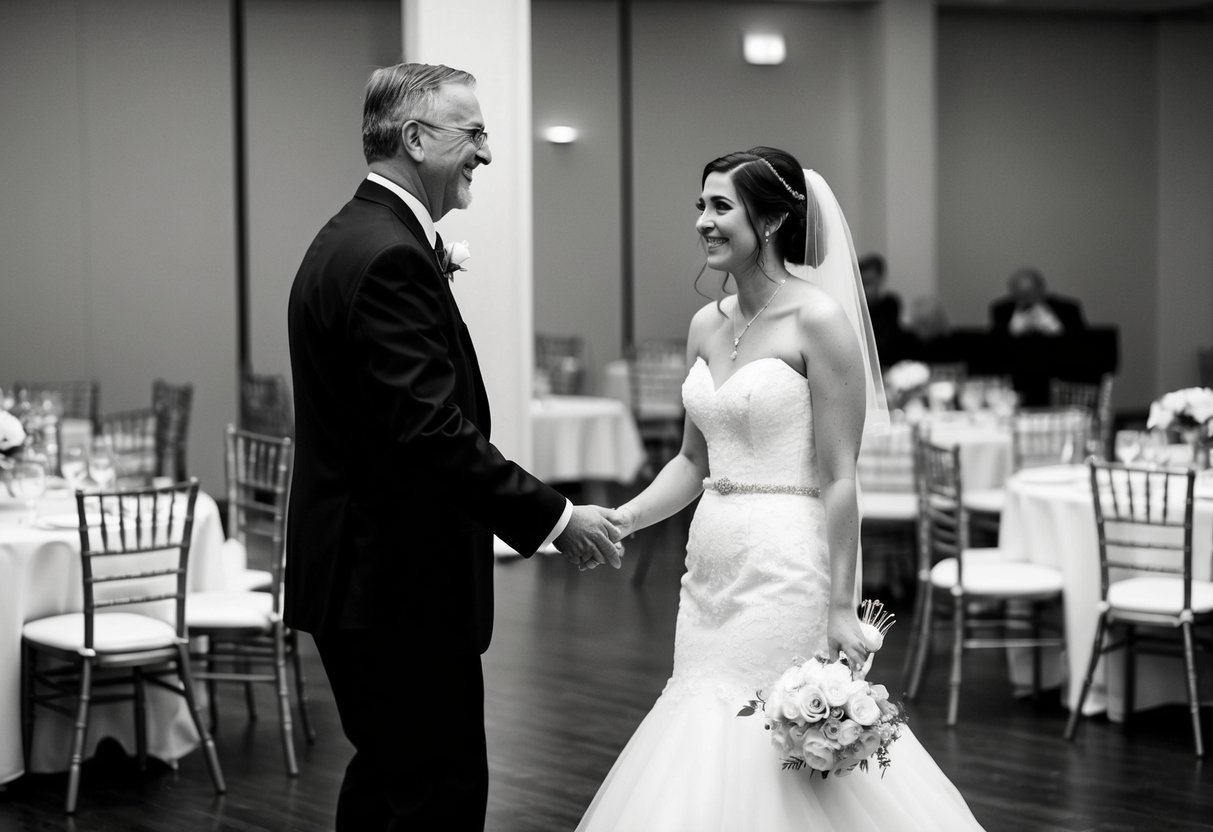
If you feel uncomfortable or have a complicated relationship with your father, you have the freedom to choose an alternative. You can create a special moment that suits you better, like a group dance with all your loved ones or a fun celebration with friends. Choosing not to have a father-daughter dance does not diminish the joy or importance of your wedding day.
The focus should be on celebrating your love and the beginning of your new life together. Every detail, including whether to include a father-daughter dance, should be about what makes you happiest.
Exploring Wedding Traditions
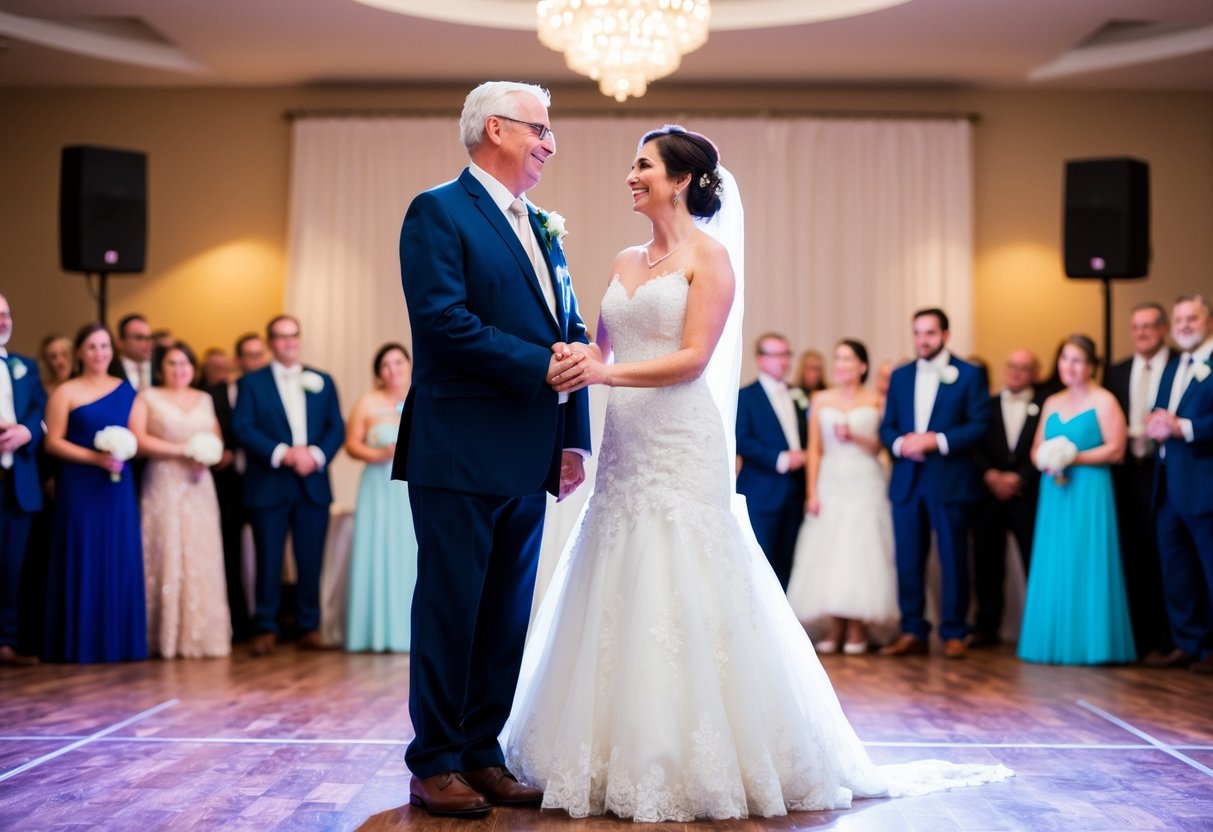
Wedding traditions often reflect cultural values and personal connections. Understanding the significance behind these rituals can help you make informed choices for your special day. Let’s dive into some key aspects of these traditions.
Understanding the Father-Daughter Dance
The father-daughter dance is a cherished tradition at many weddings. It symbolizes the bond between the bride and her father. This moment allows the father to express his feelings and support as his daughter begins a new chapter in her life.
While many couples include this dance, it’s not mandatory. If you feel uncomfortable with the idea, it is perfectly acceptable to skip it. You might consider alternatives such as a dance with another significant family member, like an uncle or close friend, who can offer that same sentiment.
The Evolution of Parent Dances
Parent dances have changed over the years. Traditionally, weddings featured a father-daughter dance and a mother-son dance. These dances highlighted family relationships and offered a moment of unity during the celebration.
Over time, couples have redefined these dances. It’s common for some brides and grooms to choose not to have these dances at all. Instead, they may opt for a group dance or a special moment with all their parents, fostering inclusivity and sharing joy with everyone present.
Cultural Variations: From Debutante Balls to Quinceañeras
Cultural backgrounds play a vital role in wedding traditions. For example, in debutante balls, young women are presented to society, often accompanied by their fathers. This moment highlights the importance of family and social status.
Similarly, quinceañeras celebrate a girl’s 15th birthday in Latino cultures. This event marks her transition to womanhood and includes dances similar to the father-daughter dance. In both cases, these traditions strengthen family ties and offer a chance to showcase cultural heritage.
Understanding these practices helps you decide what feels right for your wedding. Whether you choose to follow tradition or create your unique path, the key is to honor your personal story.
Personalizing Your Wedding Reception
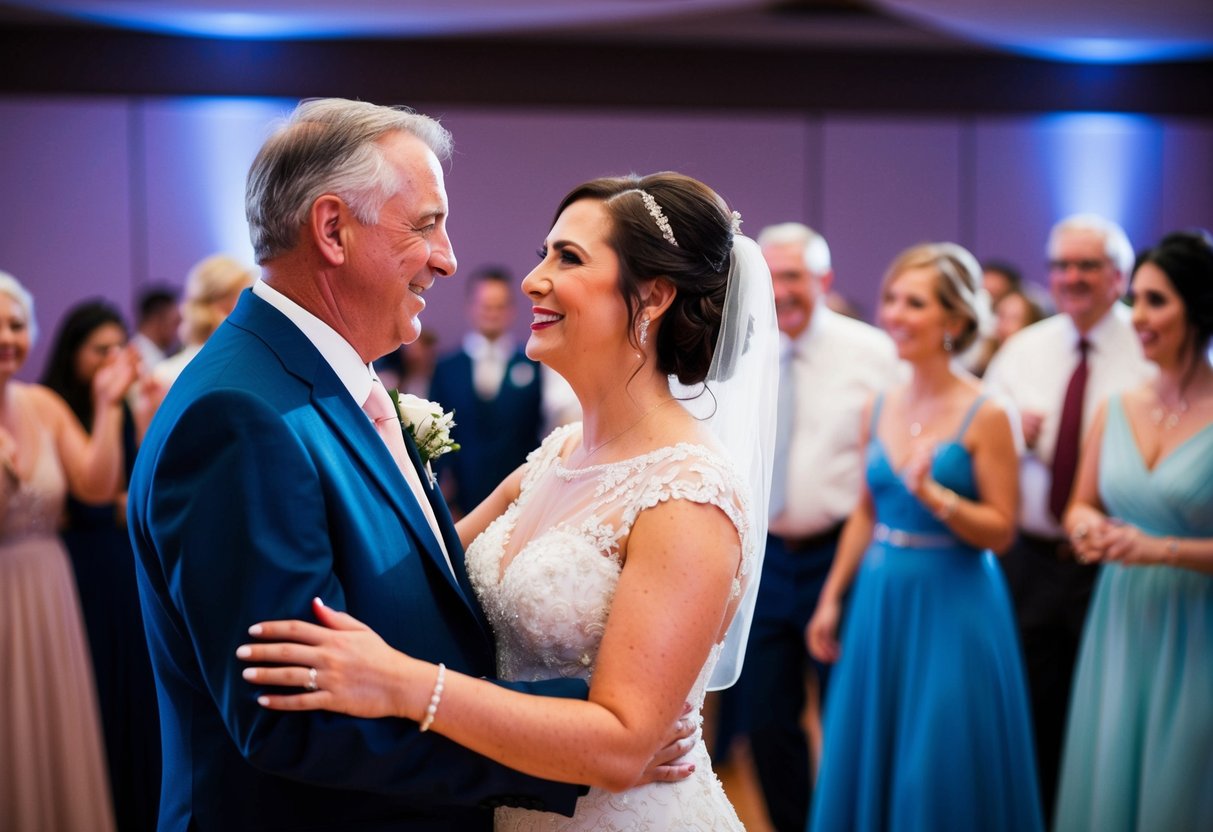
Making your wedding reception meaningful is a way to reflect your unique story. You can create special moments and traditions that resonate with you and your loved ones. The choices you make can truly set the tone for your celebration.
Deciding on the Special Moments
Think about what moments matter most to you. You might want to keep traditional dances, but it’s perfectly acceptable to skip the father-daughter dance. Consider other special moments like a heartfelt father of the bride speech. This can be a wonderful way to honor your relationship without a dance.
List out other key moments you’d like to include, such as a unique entrance or a special toast from friends. These can be just as memorable and can even add a personal touch to your reception.
Alternative Ways to Honor Parents
If a father-daughter dance doesn’t feel right for you, there are other ways to honor your parents. One option is to create a special slideshow that showcases memories with them. You can play this during dinner or at a designated time for sharing special stories.
Another idea is to have a toast from your parents at the reception. This not only shows gratitude but creates a heartfelt moment for everyone present. Think about how you want to include them, and feel free to get creative with it!
Role of a Wedding Planner in Customizing Traditions
A wedding planner can be a fantastic resource for personalizing your reception. They can help you brainstorm ideas that align with your vision. Planners can organize events, coordinate special moments, and even suggest alternatives to traditional expectations.
Discuss your preferences and concerns openly with your planner. They can help there with the layout, making sure your dance floor is perfectly set for the unique activities you’ve planned. With their expertise, you can create a celebration that reflects your style and values.
Navigating Family Dynamics and Expectations
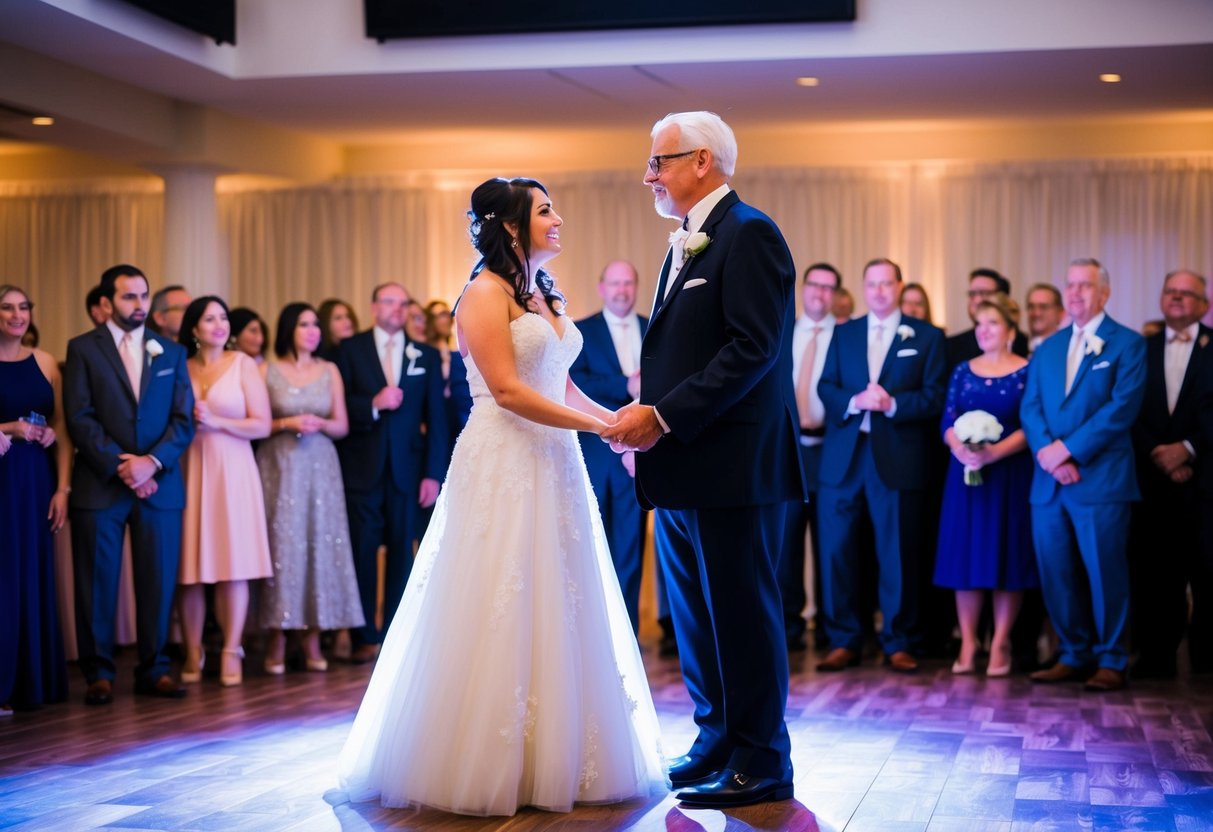
When planning your wedding, family dynamics can play a significant role. It’s important to address family expectations while staying true to your own wishes, such as whether or not to have a father-daughter dance. Clear communication and involving your family can make this easier.
Communicating Your Decision
Being open about your wedding choices is essential. If you decide not to have a father-daughter dance, clearly explain your reasons to your family. Share how your relationship with your father impacts this decision.
Consider these points when communicating:
- Be Respectful: Acknowledge that your decision may surprise family members.
- Express Gratitude: Thank family for their understanding.
- Stay Firm: Be prepared for questions or pushback and maintain your stance.
By addressing concerns with kindness, you can help family members feel included, even if they do not fully agree with your choice.
Involving Family in the Planning Process
Engaging your family in wedding planning can foster understanding and support. Share your ideas and ask for feedback, but keep your vision in mind. Invite them to help with elements that matter most to them.
Here are some ways to involve family:
- Meet Regularly: Schedule discussions to share updates and ideas.
- Set Boundaries: Make it clear which aspects you want full control over, such as the decision about the dance.
- Address Traditions: If other family members have traditional expectations, discuss how you might incorporate or adjust those traditions in a way that feels right for you.
This collaborative approach can build connection and ensure everyone feels valued as you plan your special day.