
Is It Ok to Not Go to a Wedding? Understanding Your Feelings and Choices
Weddings can be beautiful celebrations, but not everyone can attend. Financial concerns, personal preferences, or scheduling conflicts can make you wonder if it’s okay to skip a wedding. You should feel empowered to say no to a wedding if it doesn’t feel right for you, as long as you communicate your reasons respectfully.

It’s important to remember that weddings are significant events, but they are also personal. If you don’t have a close relationship with the couple or if you’re facing challenges that make attendance difficult, your reasons are valid. Many people experience the same feelings, and knowing you’re not alone can ease the decision-making process.
As you navigate this topic, you might ask yourself what factors truly matter when deciding. Understanding your own priorities and how they align with the couple’s expectations will help you make the best choice for your situation.
Understanding Wedding Invitation Etiquette
When you receive a wedding invitation, it’s important to understand the expectations that come with it. This involves knowing the role of RSVPs and what it means to respect the couple’s wishes.
The Role of RSVPs and Guest Commitments
RSVP stands for “Répondez S’il Vous Plaît,” which means “Please Respond” in French. This is your chance to let the couple know if you plan to attend. Responding promptly shows respect for their planning process.
When you receive an invitation, check the RSVP deadline. This helps the couple finalize their guest list. Remember, weddings often involve complex logistics, like seating and catering. Your timely response makes things easier for everyone.
If you have to decline, be polite and clear. You can send a kind message expressing your regrets. This small gesture shows that you respect their special day even if you can’t be there.
Respect and Consideration for the Couple
Respecting the couple’s wishes is vital. They put a lot of effort into choosing their guest list. If you receive an invitation, consider the impact of your presence or absence.
If you cannot attend, avoid sharing your decision widely. You want to respect the couple’s feelings. They may have hopes of sharing their day with you.
Remember, your relationship with the couple plays a role too. If you’re close, it’s good to let them know why you’re not attending. Honest communication helps maintain your bond and shows that you care about their feelings.
Deciding to Decline a Wedding Invitation
Choosing whether or not to attend a wedding can be tricky. You need to think about your relationship with the couple and any prior commitments you might have. Understanding these factors can guide your decision.
Assessing Your Relationship with the Couple
When deciding to decline a wedding invitation, it helps to consider your relationship with the couple. Are you close friends or just acquaintances? If you are very close, it might feel more significant to miss their special day. If your bond is less strong, you may feel more comfortable declining.
Think about how they will feel. Will they understand your decision? If you have had meaningful experiences together, it may be best to attend, if possible. If not, be honest when you share your regrets. A simple acknowledgment can go a long way. Always make sure to express gratitude for the invitation. This keeps the relationship positive.
Managing Prior Commitments and Emergencies
Life can be unpredictable, and sometimes emergencies or prior commitments interfere with plans. It is perfectly acceptable to decline a wedding invitation if something urgent comes up. Whether it’s a family obligation or a work commitment, you should prioritize what’s most important to you.
If you’re dealing with a tough situation, being open can help. A quick message to the couple can explain your absence without going into too much detail. Many couples appreciate honesty and will understand your need to miss their wedding.
Remember, it’s about respecting both your needs and the couple’s special day. Making your choice with care ensures both sides feel valued.
Considerations for Destination Weddings
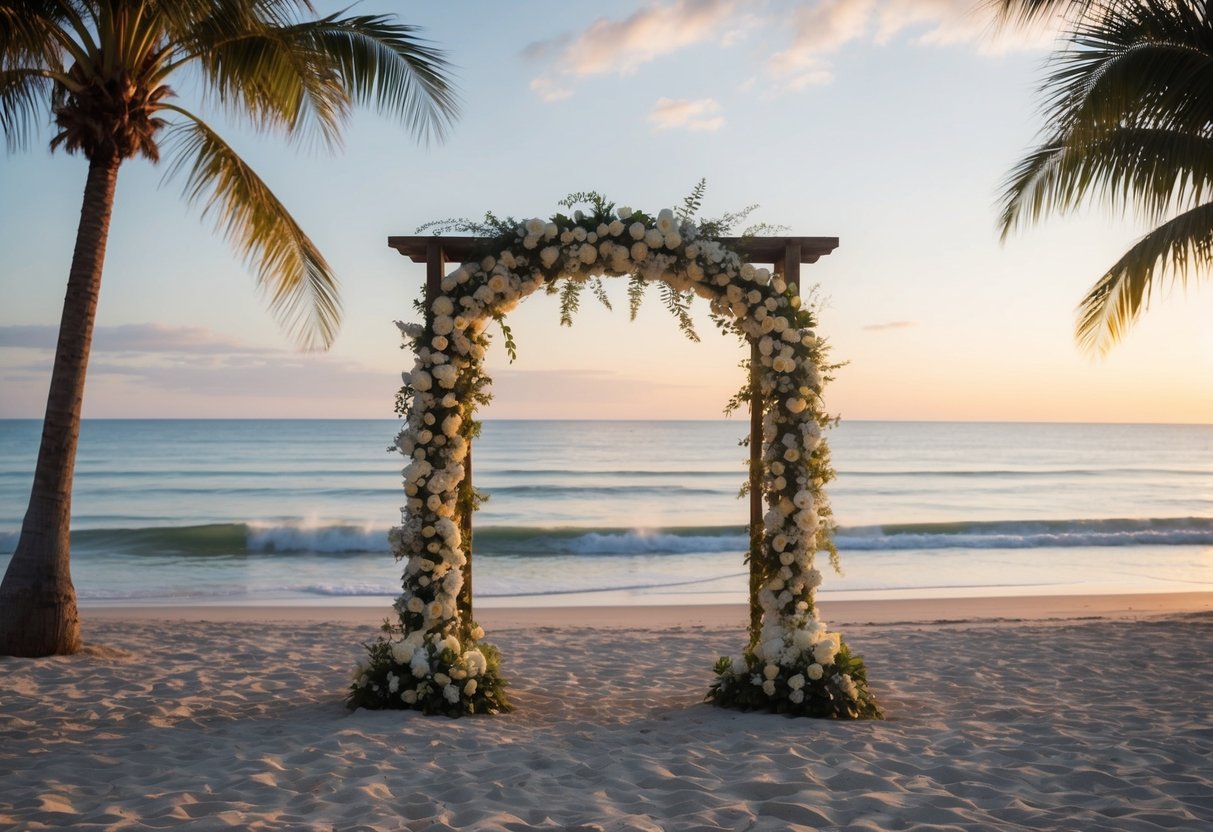
When deciding whether to attend a destination wedding, there are important factors to consider. Travel logistics and your personal limits play a significant role in this decision.
Navigating the Complexities of Travel
Traveling for a wedding can be a fun adventure, but it comes with challenges. Booking flights, arranging hotel stays, and coordinating transportation can lead to stress.
Consider the distance you’ll need to travel. If it’s far, your trip could become lengthy and costly. Research options for flights and accommodations well in advance. Doing this helps avoid last-minute price hikes and limited availability.
Make a checklist for your travel plans, including:
- Flight details: Book early for the best rates.
- Accommodation: Look for hotels close to the venue.
- Transportation: Decide if you need to rent a car or use local transport.
Be mindful of your own comfort with travel. If flying for hours makes you anxious, this may affect your decision to attend.
Respecting Your Own Resources and Limits
Destination weddings often involve significant expenses. Flights, hotels, and meals can add up quickly. Assess whether you can afford this without straining your budget.
Think about your financial priorities. If attending means sacrificing something important to you, it’s okay to say no.
Also, consider your time. Traveling may require taking time off work. Determine if you can manage your schedule to attend, including any responsibilities you may have at home.
Create a budget for the trip, including:
- Travel costs: Estimate fuel or airfare.
- Lodging: Compare hotel options.
- Other expenses: Factor in food and gifts.
Prioritize your well-being and available resources. Making a thoughtful decision keeps you happy, whether you attend or not.
After Declining: Expressing Goodwill

When you decline a wedding invitation, it’s important to show goodwill to the couple. This can help maintain a positive relationship despite your absence. You can do this through thoughtful gestures that convey your support and care.
Sending a Thoughtful Wedding Gift
Even if you can’t attend the wedding ceremony or reception, sending a gift can show that you care about the couple. Choose something that reflects their interests or needs. If they have a wedding registry, pick an item from there.
Consider personalizing the gift. A custom item, like a framed picture or a heartfelt card, can make your gesture even more special. Your gift doesn’t have to be expensive; it’s the thought that counts.
Including a note expressing your regrets and well wishes adds a nice touch. This simple act can help the couple feel appreciated and valued, even in your absence.
Maintaining a Positive Relationship Post-Wedding
After the wedding, it’s vital to stay in touch with the couple. Reach out with a heartfelt message to congratulate them on their new life together. This shows your support and warmth despite not being there on their special day.
You can invite them out for coffee or lunch to catch up. Sharing stories and memories can strengthen your bond.
If you’re close with the couple, you should consider attending future events they host. This can help bridge the gap caused by your absence. Being proactive in your relationship will show your commitment to preserving it, ensuring that both of you feel connected.