
Is It Ok to Not Have a Wedding Website? Exploring Your Options for Celebrating Love Without One
Planning your wedding is an exciting time, filled with joy and anticipation for your big day. As you get organized, you might wonder if you really need a wedding website. Some couples find that traditional save the dates and invitations provide enough information for their guests.

While a wedding website can help with important details and updates, it’s not mandatory. If the idea feels overwhelming or unnecessary, focus on what makes you happy. After all, your wedding is a celebration of your love, and it should reflect your unique vision.
If you choose not to have a website, just ensure that all vital information is clearly included in your invitations. This way, you can avoid stress and keep the joy of planning your wedding alive. Whether you go digital or stick to classic methods, remember that what matters most is your special day.
Exploring the Purpose of a Wedding Website
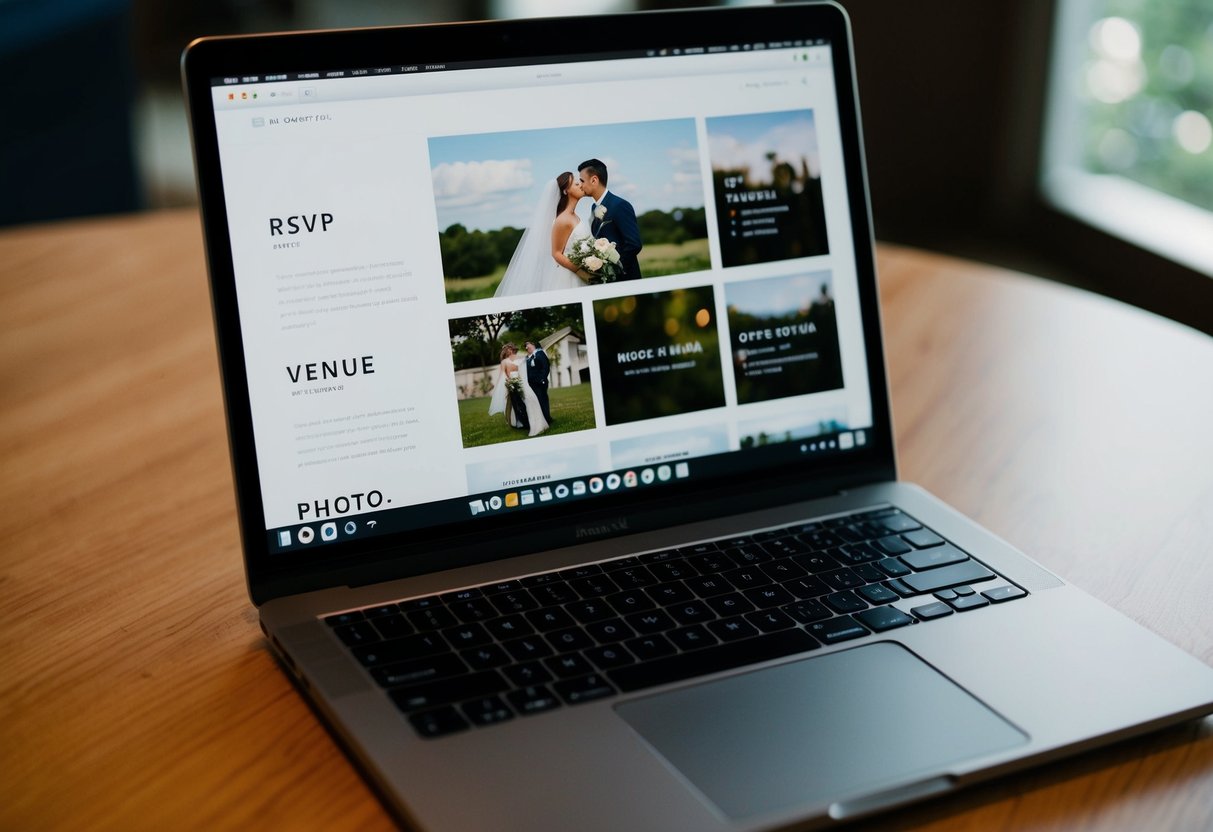
A wedding website can serve many important roles in your planning process. It helps streamline communication with your guests, gather RSVPs easily, and share your love story and wedding details. These features can make your wedding planning more efficient and keep everyone informed.
Streamlining Communication With Guests
Having a wedding website allows you to present all necessary information in one spot. Instead of sending numerous emails or texts, guests can simply visit your site for details.
You can include:
- Ceremony and reception details: Location, time, and any special instructions.
- Updates: Share any changes, such as a schedule shift or venue modifications.
- Contact information: Let guests know how to reach you if they have questions.
This organized approach saves you time and keeps guests on the same page.
Gathering RSVPs Online
Collecting RSVPs online is a convenient feature of a wedding website. You can create a simple online RSVP form. This allows guests to respond quickly without needing to mail back an invitation.
You can include:
- RSVP deadline: Clearly state when you need responses.
- Guest list management: Easily track who is coming and who isn’t.
- Special requests: Allow guests to note dietary restrictions or plus-ones.
This way, you can confirm your guest count more accurately, which is helpful for planning.
Sharing Your Love Story and Wedding Details
Your wedding website can be a personal touchpoint for sharing your love story. Guests appreciate knowing more about you as a couple.
You might want to:
- Post photos: Include pictures from your journey together.
- Highlight your wedding party: Introduce those standing by your side.
- Share a gift registry link: So guests can find the right gifts for you.
These details add warmth and make your website more than just an information hub; it becomes a reflection of your relationship.
Benefits and Drawbacks of Not Having a Wedding Website

Choosing not to have a wedding website can bring both advantages and disadvantages. You may appreciate the personal touch of traditional methods while facing potential challenges in communication and planning.
Pros of a More Traditional Approach
Opting for traditional invitations can make your wedding feel more personal. Sending out paper invites allows you to include beautiful designs and heartfelt messages that reflect you as a couple. This personal touch can impress your guests and create excitement.
Using RSVP cards also simplifies your guest list management. Guests can fill them out and send them back, making it easier for you to track responses. You can maintain etiquette by addressing each invite individually, ensuring guests feel valued.
Additionally, stationery like save-the-dates or thank-you notes can act as physical reminders of your day. This tangible aspect can enhance guests’ connections to your event. Lastly, some guests may prefer this method, feeling less overwhelmed by digital communication.
Cons of Skipping the Digital Route
Not having a wedding website can create some hurdles. It often limits how you share updates and details. If plans change or new information arises, you may need to rely on phone calls or texts, which can be less efficient.
Without a website, managing your wedding registry becomes trickier. You might need to add items manually to invitations, leading to unclear information for guests. This can discourage them from checking your registry.
Furthermore, some guests may struggle with RSVP, especially if they prefer online responses. Not providing this option can complicate your communication and put more stress on the planning process. In today’s digital age, some couples find having a website to be an easier and more organized approach.
Alternative Solutions for Sharing Wedding Information

If you decide not to create a wedding website, there are still plenty of effective ways to share your wedding details. From social media to traditional methods, you can keep your guests updated and informed about everything from invitations to registry information.
Utilizing Social Media and Messaging Apps
Social media platforms like Facebook, Instagram, and WhatsApp can be great tools for sharing wedding information.
You can create a private event page on Facebook to post updates, share your registry information, and communicate directly with your guests.
Instagram is perfect for visual updates. Share photos of your venue, save the dates, or even sneak peeks of planning moments. You can use stories or posts to keep everyone in the loop.
Messaging apps provide instant communication. Group chats can help you send out invitations and share location details quickly. Just be sure to include essential info such as the map to the venue and any important notifications leading up to your big day.
Creative Offline Methods
Traditional communication methods have a lot of power. Personal phone calls can create a warm connection with your guests. Calling loved ones to share your wedding details adds a personal touch that online methods may lack.
Printed materials like save-the-date cards or colorful invitations can still play a big role. These can include all necessary details such as location, date, and registry information. You could also consider including a map to help guests find the venue easily.
For those more crafty, DIY projects like handmade invitations can make your wedding feel extra special. You can share additional details in a follow-up card or invitation, ensuring guests have everything they need.