
Is It OK to Skip Wedding and Just Go to Reception? Understanding the Etiquette Behind Your Choice
Attending a wedding can sometimes feel more complicated than it seems. As a guest, you might wonder if it’s acceptable to skip the ceremony and just show up for the reception. It’s perfectly okay to attend only the reception, as long as you communicate your plans with the couple. This approach can help you maintain good relationships while still enjoying the celebration.
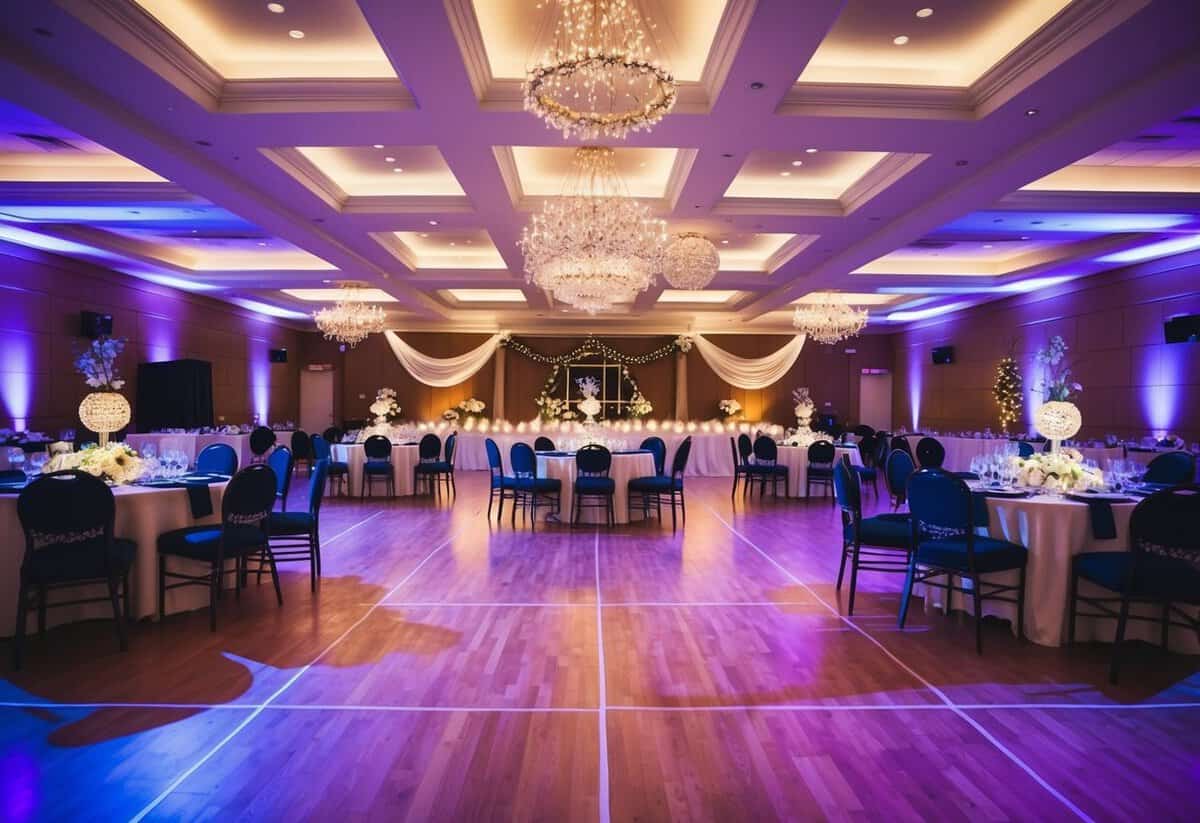
Of course, your connection with the couple plays an important role in this decision. If you’re not very close to them, it may feel more acceptable to prioritize the fun of the reception. Just be aware that skipping the ceremony could come across as dismissive if you have a strong relationship with the couple. It’s always best to be honest and considerate about your choice to skip the ceremony.
In the end, the aim is to support the couple on their special day. Whether you choose to attend the ceremony or just the reception, what’s most important is that you enjoy the celebration and share in their joy.
Understanding Wedding Etiquette
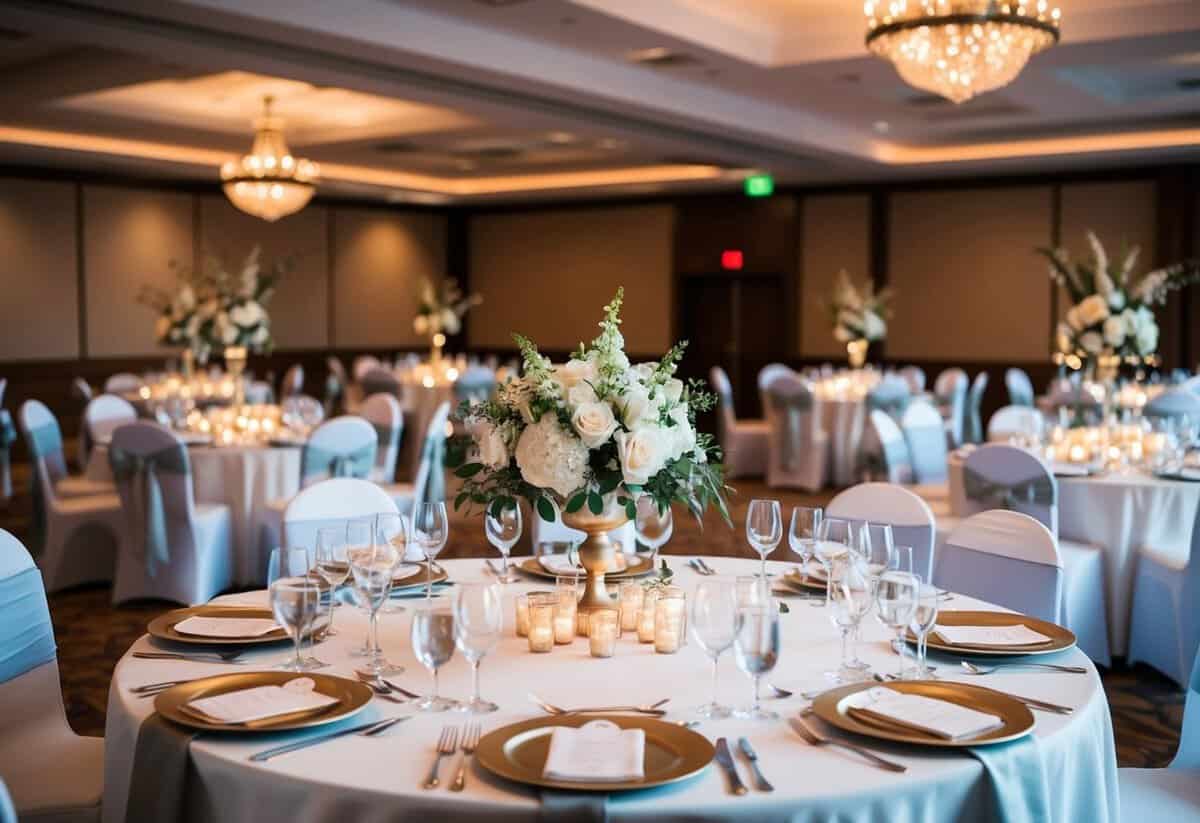
When attending a wedding, it’s important to know what is considered proper etiquette. This helps you decide what to do, whether you’re attending the full event or just the reception. Here are some key points regarding traditional ceremonies, private events, and reception-only celebrations.
Ceremony and Reception: What’s Traditional?
Most weddings include both a ceremony and a reception. The ceremony is the official part where the couple exchanges vows. Guests should typically attend both to show support. Leaving out the ceremony may send the message that the event isn’t important to you.
If you can’t attend the ceremony, it’s best to communicate this with the couple. This helps avoid misunderstandings and shows them that you respect their special day. Remember, the ceremony is a meaningful moment for the couple, and attending it demonstrates your support and care.
Elopement and Private Ceremonies
Elopements and private ceremonies are becoming more common. Couples may choose to have a small gathering with only close family and friends. This type of event focuses on intimacy rather than grandeur.
If you’re invited to an elopement, it’s usually understood that not everyone will attend. However, you should still acknowledge their choice to celebrate in a more private manner. Respect their decision and be happy for them.
Reception-Only Wedding Events
Sometimes, couples invite guests only to the reception. This can happen for various reasons, like budget constraints or venue limitations. If you receive an invitation for reception-only, it’s acceptable to attend without any guilt.
Still, consider how this decision reflects in terms of wedding etiquette. Communicate your plans with the couple to ensure they feel good about your choice. It’s essential to express appreciation for the invite, as it shows that you value their celebration, regardless of which parts you attend.
Decoding Invitations and Guest Expectations
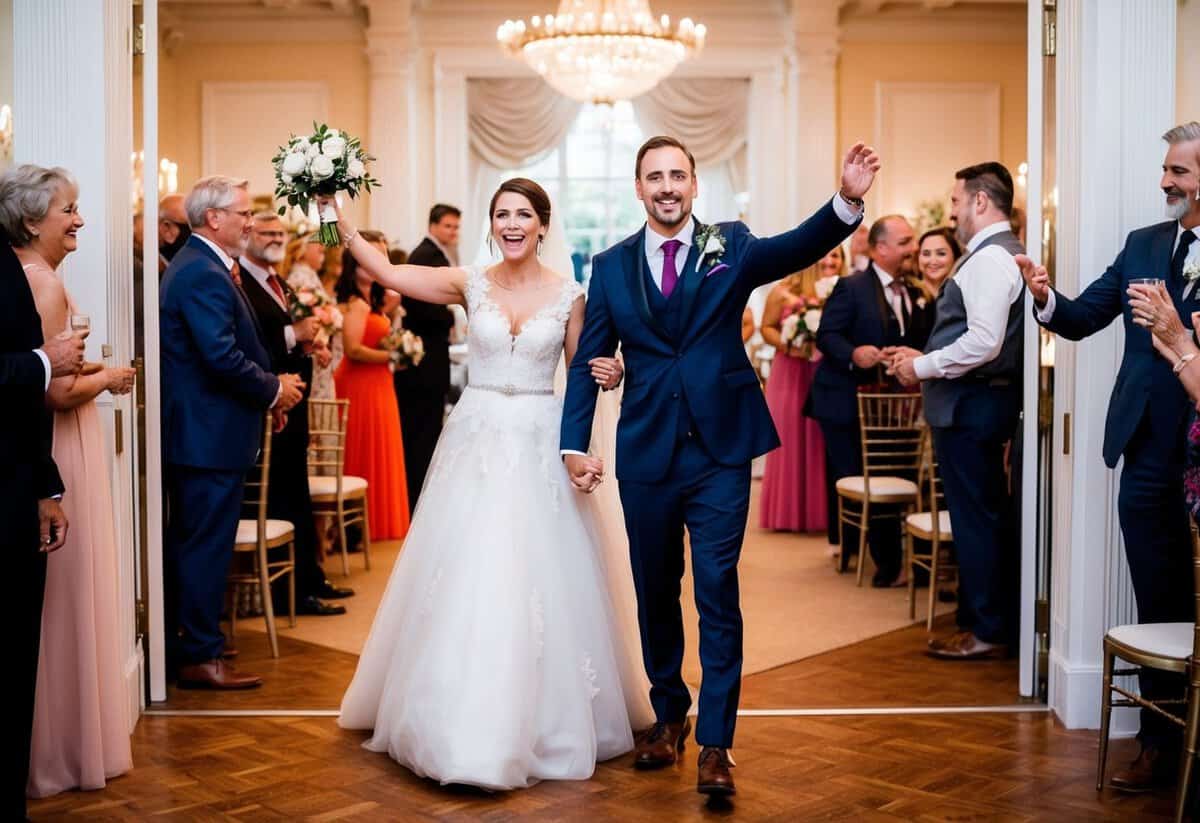
When you receive a wedding invitation, it can sometimes be confusing. Understanding what the invitation says can help you decide whether to attend the ceremony, the reception, or both. Let’s break down some important details about the invitation and guest expectations.
Invitation Wording and Clues
The wording of the invitation can give you clear hints about what the couple expects from you. If the invitation states, “Reception to follow,” it indicates you can attend just the reception.
If it mentions both the ceremony and reception, consider attending both to show your support. Pay attention to whether the invitation is formal, casual, or includes specific instructions. This helps set the tone, and will guide your decision on how to dress.
Destination Weddings and Unconventional Scenarios
Destination weddings may alter your plans. If you get invited to a wedding in an exotic location, consider the time and expense. It’s common to be invited to only the reception at these events, especially if traveling is a barrier.
Be mindful of the couple’s wishes. Sometimes, people plan a smaller ceremony and a larger reception later. Check the details closely to see if attending just the reception is acceptable. Clarifying with the couple can prevent misunderstandings.
Dress Code and Wedding Gifts
Weddings come with expected dress codes. If the invitation specifies “formal” or “casual,” make sure to follow it for the ceremony and reception. This shows respect for the couple’s special day.
In terms of gifts, a wedding gift is generally expected whether you attend the ceremony, reception, or both. It’s a nice gesture to congratulate the couple. If you attend just the reception, consider sending a gift to show your appreciation for their invitation and to celebrate their marriage.
Navigating Social Norms and Communicating Decisions

When deciding whether to skip a wedding ceremony and attend just the reception, it’s important to understand social norms and how to communicate your choice. You want to ensure that your decision respects the couple’s feelings while keeping your relationships intact.
The Importance of RSVP
An RSVP is more than just a formality; it shows respect for the couple’s planning. When you receive an invitation, respond as soon as possible. This helps the couple finalize headcounts and meal choices.
If you plan to skip the ceremony, be clear in your response. You can say something like, “I’ll attend the reception,” but be sure to clarify your absence from the ceremony. This honesty helps maintain trust and shows that you value their special day.
Remember, late RSVPs can complicate the couple’s arrangements, so timely communication is key.
How to Communicate Your Attendance
Communicating your decision should be done tactfully. It’s best to reach out directly to the couple, whether through a call, text, or personalized note.
You can express your excitement for the reception while gently explaining your choice to skip the ceremony. For instance, say, “I’m really looking forward to celebrating with you at the reception! I won’t be able to make the ceremony but hope to catch up during the festivities.” This way, you show enthusiasm and acknowledge their big day, making your intentions clear without sounding dismissive.
Respect for the Couple’s Wishes
In any decision-making process, it’s vital to respect the couple’s wishes. Remember that the ceremony is often the most meaningful part of the wedding for the couple. Think about how they might feel about guests skipping this moment.
If you have concerns, it’s okay to talk to them. Open dialogue can give insights into how they view your attendance. Some couples may be perfectly fine with people coming just to the reception, while others might prefer guests to attend both parts. Understanding their perspective can guide you in making a decision that honors their wishes.