
Is It Ok to Wear Slightly Tight Shoes? Exploring Comfort and Foot Health
Wearing shoes that are slightly tight can seem like a minor issue, but it can lead to discomfort and long-term foot problems. Many people assume that a snug fit offers more support, yet this belief can be misleading.
Wearing shoes that are too tight can harm your foot health, while well-fitted shoes can keep you comfortable throughout the day.
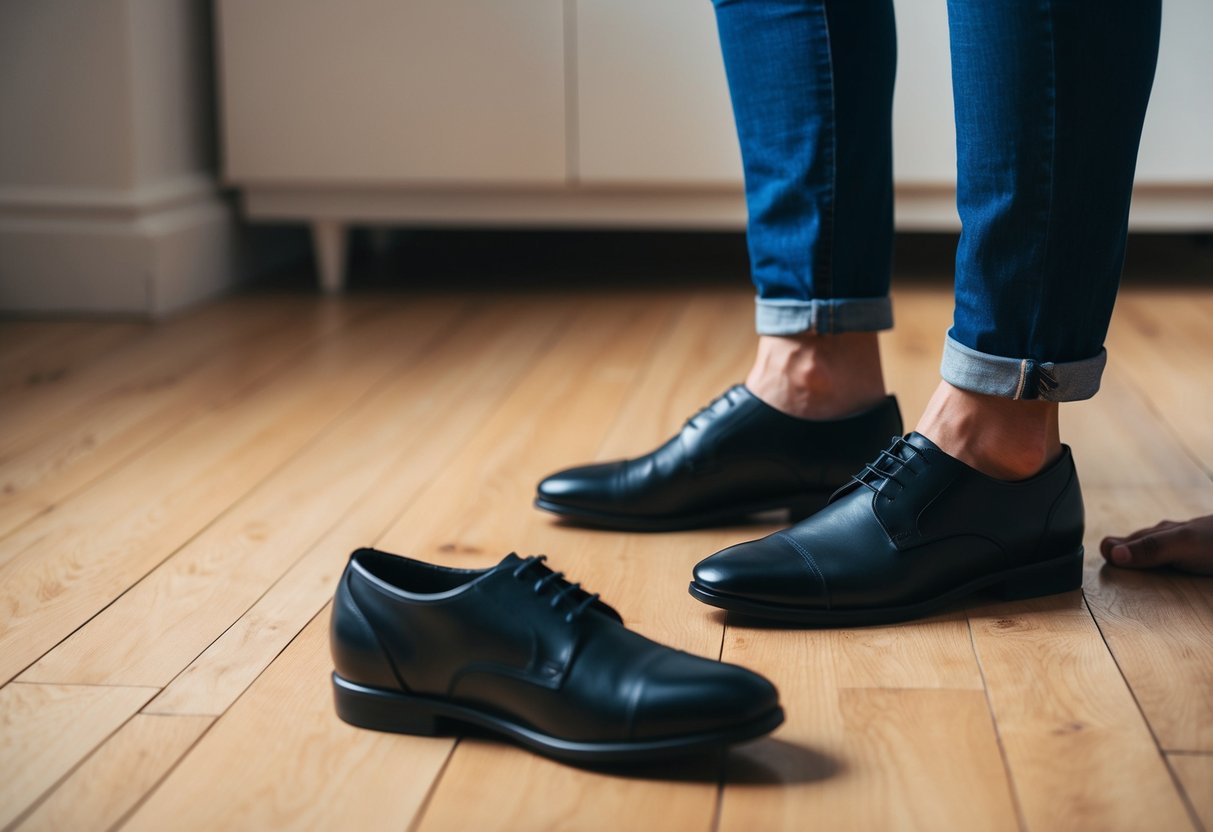
When considering your shoe size, it’s essential to choose options that allow your toes to move freely and provide proper arch support. Tight shoes may cause conditions like blisters, bunions, and even ingrown toenails.
Understanding the difference between snug and restrictive fits can greatly impact your overall comfort and foot health.
As you think about your footwear choices, remember that comfort should be a priority. A slightly tight shoe may feel okay at first, but discomfort can creep in as the day goes on.
It’s best to seek shoes that fit properly, ensuring your feet are happy and healthy.
Evaluating Shoe Fit and Comfort
Finding the right fit for your shoes is essential for comfort and foot health. Understanding how shoes should fit will help you avoid discomfort and potential foot problems.
Here’s what you should consider when evaluating shoe fit and comfort.
Understanding Shoe Sizing and Measurement
When buying shoes, it’s vital to measure your feet correctly. Your shoe size can change throughout your life, so always measure both feet before shoe shopping.
Make sure to stand while measuring, as your feet may expand slightly when bearing weight.
Different brands may have slight variations in sizing. It’s helpful to try on several sizes and styles.
Remember to consider the width of the shoe, as a proper fit isn’t just about length but also about how it feels around your foot.
Use foot measurement tools or visit a store that offers professional fitting. Your shoes should feel snug but not restrictive, allowing for a comfortable fit.
The Importance of the Toe Box for Proper Fit
The toe box is the front part of your shoe where your toes reside. A well-fitted toe box is crucial for comfort.
Your toes should have enough space to wiggle slightly without feeling cramped.
If the toe box is too tight, it can lead to problems like blisters or bunions over time. Look for shoes with a wide enough toe box that accommodates your foot shape.
When trying on shoes, wear the same type of socks you plan to use. Stand up and ensure there’s about a thumb’s width of space between your longest toe and the front of the shoe.
This ensures that the toe box is adequate for proper movement and comfort.
Signs That Your Shoes May Be Too Tight
It’s important to recognize signs that your shoes might not fit well. If you feel pain, numbness, or tingling in your toes, that’s a red flag.
Blisters or calluses are also indicators that your shoes are too tight.
Other signs include redness or swelling around the toe area. If you can’t move your toes freely or notice discomfort in the arches or heels, consider trying a larger size or different style altogether.
A good rule of thumb is that you should never ignore discomfort. If your shoes feel uncomfortably tight, it’s best to look for shoes that fit better. Comfort should always come first.
The Impact of Tight Shoes on Foot Health
Wearing slightly tight shoes can lead to various foot problems. It’s important to recognize the specific issues that might arise. Understanding these conditions can help you make better choices for your foot health.
Common Foot Problems Caused by Tight Shoes
Tight shoes can lead to several foot issues. Bunions are one common problem, causing a painful lump on the side of your foot. This occurs when your big toe is pushed out of alignment.
Corns and calluses often develop as well, forming thickened skin due to friction.
Another issue is hammer toe, where your toe bends downward instead of lying flat. This can happen when shoes don’t allow your toes enough space.
Additionally, wearing tight shoes can lead to blisters caused by rubbing against the shoe material. You might also experience foot pain and other uncomfortable foot conditions from restricted movement.
Contributing Factors to Foot Discomfort and Pain
There are several reasons why tight shoes cause discomfort and pain.
First, poor shoe fit can lead to foot deformities over time. If shoes are too small, your toes can be squished together, causing long-term damage.
Another factor is lack of support. Shoes that are not designed to support your arch can disrupt natural foot movement, causing discomfort.
Reduced circulation is also a concern; tight shoes can limit blood flow, which is vital for healthy feet.
Lastly, spending long hours in tight shoes can worsen discomfort. It’s essential to pay attention to how your shoes fit to prevent such issues from affecting your daily life.
Footwear Adjustments and Alternatives
Finding comfortable shoes is important for your foot health. There are several ways to adjust shoes that feel slightly tight, and knowing when to seek professional advice can also be helpful.
When to Use Shoe Stretchers
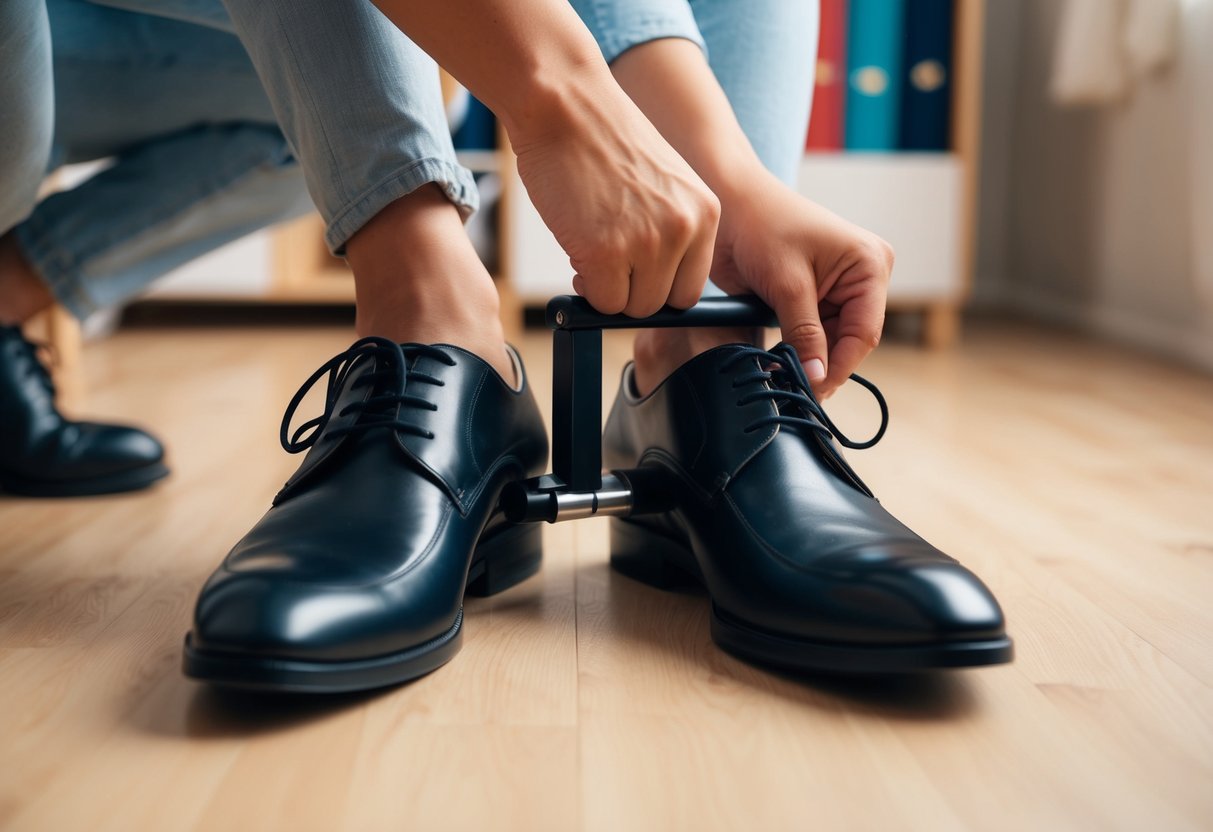
Shoe stretchers can be a great solution if your shoes feel snug around your feet. These devices help widen and lengthen shoes, allowing for a more comfortable fit.
When to consider using them:
- Slightly tight shoes: If your shoes fit but are uncomfortable, stretchers can help.
- Narrow toe box: If your shoes pinch your toes, a stretcher can provide extra space.
To use a shoe stretcher, insert it into the shoe and adjust it to the needed width. Leave it in for several hours or overnight.
This method works well with materials like leather or canvas. Remember, it’s best to use stretchers on new shoes that are only slightly tight.
Tips for Buying New Shoes
Choosing the right shoes from the start can prevent discomfort later. Pay attention to the fit and materials when shopping.
Key tips include:
- Try shoes at the end of the day: Your feet swell slightly, so testing shoes later gives a more accurate fit.
- Wear thick socks: If you usually wear thicker socks, bring a pair when trying on shoes.
- Check for proper length: There should be about a thumb’s width of space between your longest toe and the end of the shoe.
Look for shoes that offer good arch support, especially if you have conditions like flat feet or metatarsalgia. These features can help improve your comfort level.
Seeking Advice from a Podiatrist
If you continue to experience discomfort in your shoes, consider consulting a podiatrist. They can provide valuable insights tailored to your specific needs.
When to seek help:
- Persistent pain: If tight-fitting shoes cause foot pain, it’s important to address it sooner rather than later.
- Foot conditions: For ongoing issues like bunions or plantar fasciitis, getting professional advice can guide you toward the right footwear.
Your podiatrist may recommend specific brands or styles that accommodate your foot shape. They might also suggest custom orthotics for better support, ensuring your shoes fit correctly while enhancing your comfort.
Maintaining Foot Health and Comfort
Taking care of your feet is essential for overall comfort and mobility. Proper footwear plays a significant role in preventing foot issues and maintaining good alignment. Here are important strategies and tips to keep your feet healthy and comfortable.
Strategies for Prevention and Care of Foot Issues
To prevent common foot problems, such as ingrown toenails and plantar fasciitis, choose shoes that fit well. Tight shoes can lead to discomfort and issues like numbness and hammertoes.
- Check Your Shoe Size: Regularly measure your foot size, as it can change over time.
- Use Proper Padding: Consider insoles or pads that offer support.
- Practice Foot Hygiene: Keep your feet clean and dry to avoid infections.
- Alternate Footwear: Avoid wearing the same shoes every day to reduce pressure in certain areas.
Adopting these habits will help maintain comfort and prevent foot issues over time.
The Role of Footwear in Posture and Alignment
The shoes you wear greatly affect your posture and gait. Footwear that is too tight can misalign your feet, leading to hip pain and even discomfort in your back.
- Support Your Arches: Choose shoes with arch support to improve alignment.
- Prioritize Comfort: Opt for shoes that feel good rather than just stylish.
- Avoid High Heels: High heels can alter your posture and increase strain on your feet.
By selecting the right footwear, you can enhance your comfort, support proper mobility, and maintain good posture throughout your daily activities.