
Is It Okay for the Groom to Walk His Mother Down the Aisle? Exploring a Special Tradition
Weddings are full of traditions, but they don’t have to be rigid. Many people wonder about the roles during the processional, especially when it comes to the groom and his mother. The groom walking his mother down the aisle is perfectly acceptable. It can be a wonderful way to honor her on this special day.
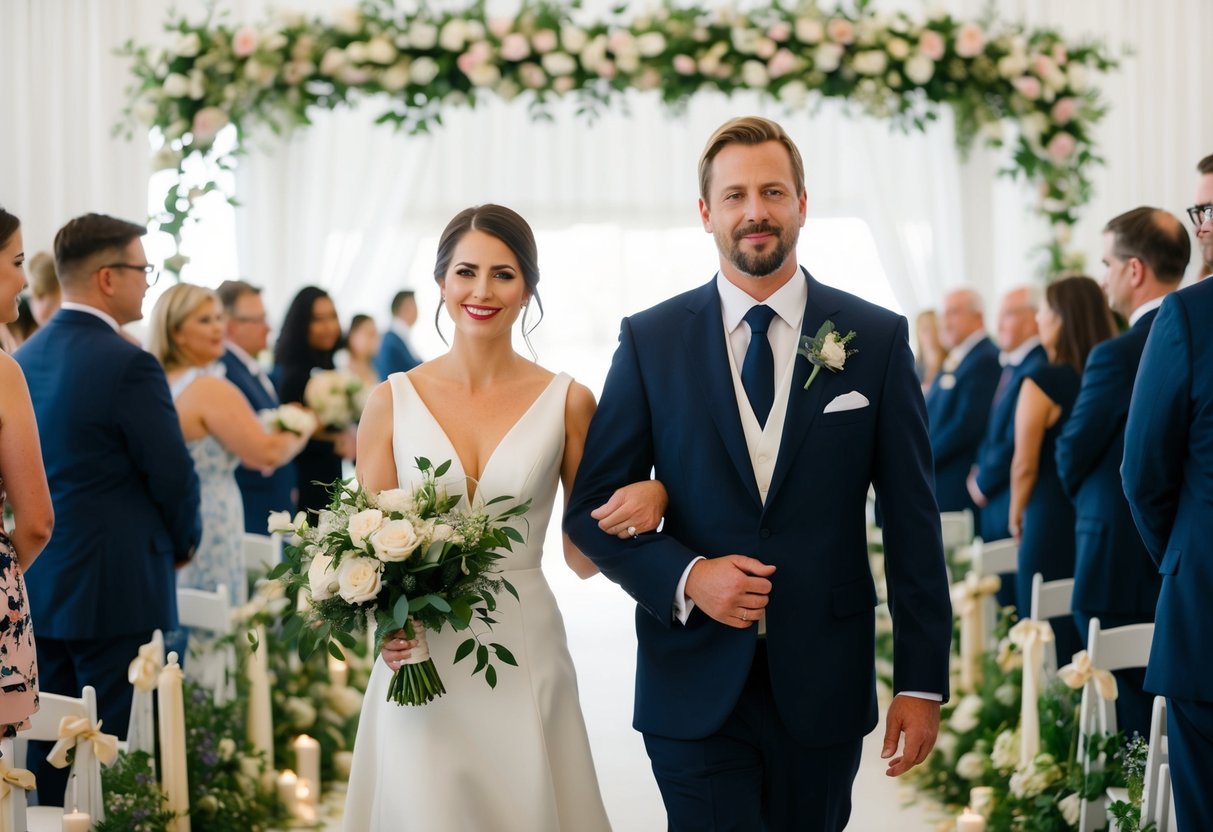
The wedding day is about celebrating love and family, and your choices should reflect that. Walking your mother down the aisle not only shows your love and appreciation but also creates a memorable moment for both of you.
You can adapt the processional to best fit your story, making the day uniquely yours.
As you plan your wedding, think about what traditions matter most to you and your loved ones. Remember, there are no strict rules; it’s your day to celebrate as you choose.
The Role of the Groom in Wedding Ceremonies
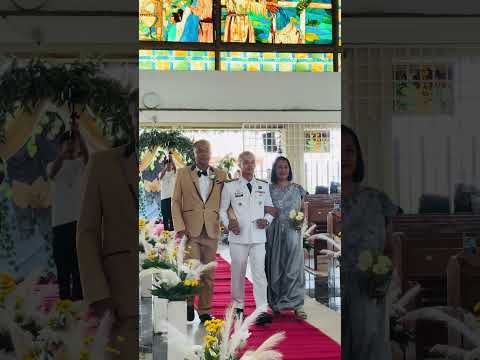
In a wedding ceremony, the groom plays a significant role that goes beyond simply standing at the altar. His responsibilities include managing the processional and supporting those around him, making the day special for everyone involved.
Groom’s Responsibilities and Traditional Escorts
As the groom, you have several important responsibilities. You need to ensure that the wedding party is organized and ready. This includes coordinating with your groomsmen and making sure they know their roles.
You may also need to participate in the rehearsal dinner to practice the ceremony flow.
Traditionally, you might escort your mother down the aisle. This act symbolizes respect and love, showcasing the special bond you share. It is also a way to honor your parents on this significant day.
If your mother is unable to walk alone, you can modify this tradition to include other family members or close friends.
Processional Order and the Groom’s Entry
The processional order is crucial in setting the tone for the ceremony. Typically, you would stand beside the officiant while waiting for your partner to walk down the aisle. It’s important to know when to enter and what to expect.
Your entrance is a moment of pride. It shows your commitment to your partner and the start of your new life together.
You can choose to walk solo, with your parents, or with a special escort to personalize your experience. Each option reflects your personality and the unique story of your relationship, making it a memorable moment for everyone present.
Cultural Variations in Processionals
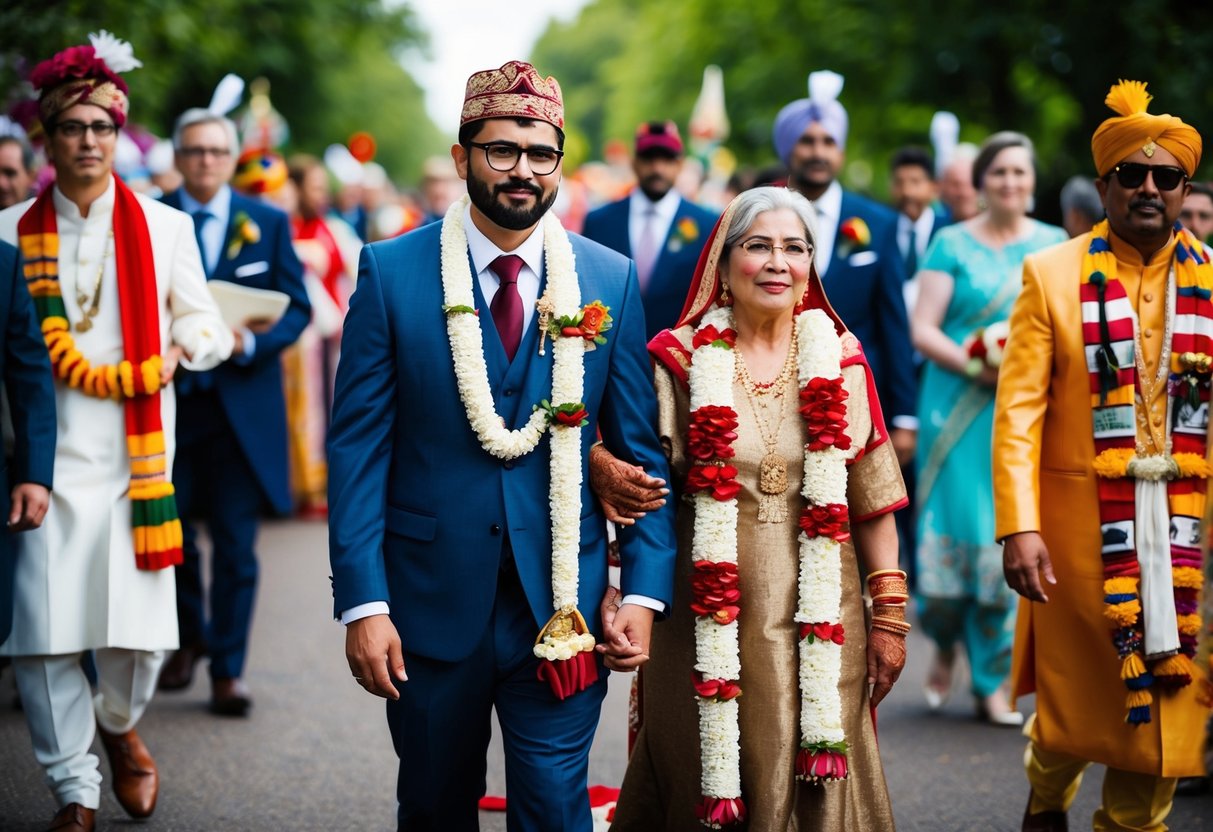
Wedding processionals vary across cultures, reflecting unique customs and traditions. Each culture offers distinct practices regarding who walks down the aisle, including roles for the groom and his family.
Jewish Wedding Customs
In Jewish weddings, the processional often involves special traditions, such as the groom being escorted by his parents. This highlights the family’s role in the event. The ceremony typically takes place under a chuppah, symbolizing the home the couple will build together.
The bride, often accompanied by both parents or her father, follows the groom after he walks down the aisle. This emphasizes the bond between families and the importance of community.
In some cases, the groom may even walk with his mother before the ceremony starts, which can add a personal touch to the event.
Hindu Wedding Traditions
Hindu weddings feature colorful rituals and vibrant celebrations. The groom usually arrives in a procession called the baraat, where he is often accompanied by friends and family. This lively event showcases joy and excitement as everyone dances to music.
During the ceremony, the couple stands under a mandap, a canopy that signifies their new life together. The groom may be escorted by his mother down the aisle, emphasizing her significant role in his life. This showcases the strong family ties present in Hindu culture, offering a special moment for both the groom and his mother.
Secular and Non-Traditional Walks
In secular or non-traditional weddings, couples often personalize their processional to reflect their values and relationships. You might choose to have the groom walk alone, with his mother, or even with friends.
These weddings focus on the couple’s story, allowing for more flexibility in the order of events. You could even include pets or interesting personal touches that showcase your shared journey.
In these ceremonies, it’s all about expressing your unique bond and what means the most to you.
Family Dynamics and Wedding Processionals
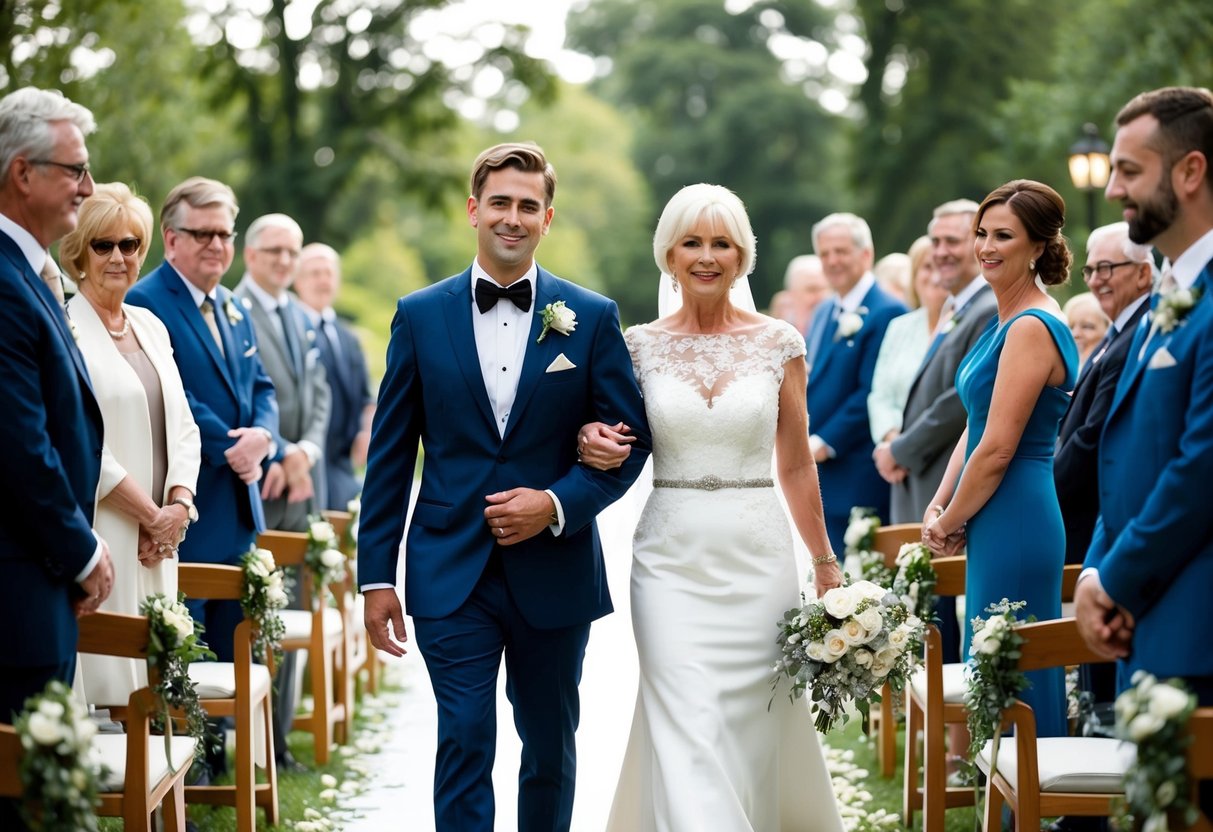
Weddings are often a mix of traditions and personal choices. Understanding family dynamics can help make the wedding processional truly special for everyone involved.
Involving Parents and Grandparents
When planning the processional, think about how to include parents and grandparents meaningfully. Many couples want their parents to feel involved and honored during the ceremony.
You might have the groom walk with his mother down the aisle. This moment can show respect and appreciation for her role in his life.
Likewise, the bride could walk with her father or stepfather, depending on family relationships. Including grandparents can also add warmth to the ceremony. They might walk down with a flower girl or ring bearer for a sweet touch.
Seating family ahead of the ceremony is crucial. Place parents in a visible spot that honors their importance.
You can also have a receiving line after the ceremony to greet everyone. This acknowledges each family member’s role and presence.
Blended Family Considerations
Blended families often have unique dynamics that can shape the wedding processional. If your family includes step-parents or step-siblings, consider their feelings and connections.
The groom might choose to walk with both his mother and stepmother, highlighting all maternal figures. This act shows care and respect.
The same logic applies to the bride’s family. You may want to involve both biological and step-parents if it feels right for everyone.
Make sure to communicate with all family members about their roles. This open dialogue can help avoid any misunderstandings. Your wedding is a celebration of love, and including everyone reflects that spirit.
Same-Sex Weddings and Modern Adaptations
Same-sex weddings are increasingly common, allowing for personalized processional choices. In these ceremonies, couples often combine traditions or create new ones that fit their needs.
You can decide who walks down the aisle and in what order, whether it’s both partners walking together or one leading family members.
Each partner could walk with their respective parents, showcasing their family support.
Consider having friends like the maid of honor or best man part of the procession as well. Their presence can enhance the experience.
Whether you include a family candle or other symbolic elements, focus on what feels right to you and your partner. In modern weddings, the emphasis is on love, respect, and family connections.
Etiquette and Alternative Trends
When planning your wedding, there are many ways to approach who walks down the aisle. Today’s couples often blend traditions with personal touches to create meaningful moments during the ceremony.
Modern Interpretations of Aisle Etiquette
Traditional wedding etiquette usually has the bridesmaids and groomsmen leading the way. However, many couples now choose to make the ceremony more personal.
You can decide if the groom walks his mother down the aisle while still honoring the wedding party’s roles. This can be a lovely gesture of respect and appreciation.
In Jewish ceremonies, the groom may walk down the aisle with both parents, which recognizes their importance in his life. You can also think about including special family members, like grandparents or siblings, in the procession.
Creating your own ceremony procession allows you to blend the traditional with the personal, making it special for you and your family.
Expressing Appreciation and Respect
Walking the groom’s mother down the aisle can symbolize deep respect and appreciation. This act recognizes her support and love throughout his life. By choosing to escort her to her seat, you create a touching moment that highlights family bonds.
This action may also inspire others in the wedding party to show their appreciation. Perhaps the mother of the bride is escorted by her son or another close family member.
You can further personalize this experience by involving ushers or close friends in the ceremony. These gestures enhance the emotional connection shared during the processional and set a warm tone for the rest of the event.