
Is It Okay Not to Have a Rehearsal Wedding? Exploring Your Options for a Stress-Free Celebration
Planning a wedding can be exciting, but it also comes with many decisions. One question that often arises is whether or not to have a rehearsal dinner. You absolutely can skip the rehearsal if it doesn’t fit your style or feel necessary.
Many couples find that their wedding party and guests already know what to do, or they prefer a more relaxed pre-wedding gathering.
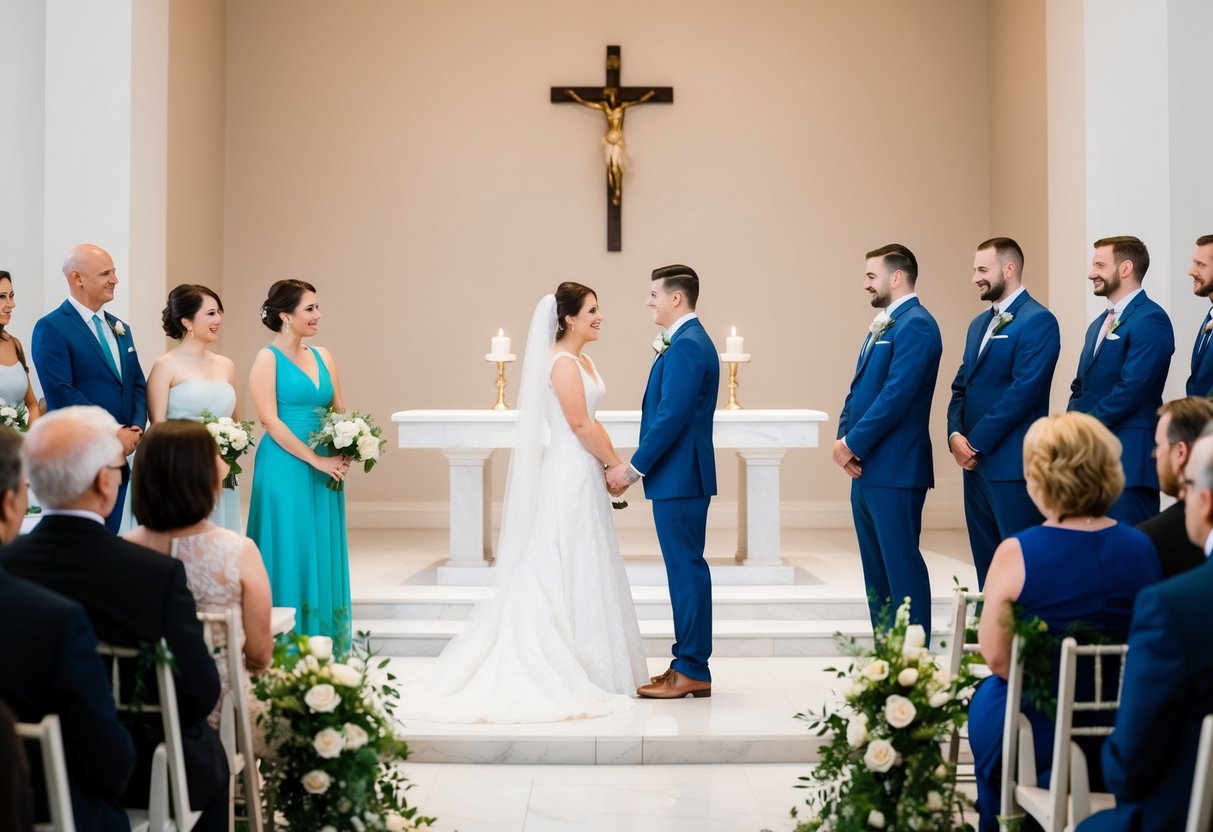
While some people see rehearsals as important for getting everyone on the same page, others find them unnecessary. If your wedding is small and simple, a rehearsal might not add much value.
Instead, you can focus on enjoying time with your loved ones, whether that means a casual meal or fun activities.
Ultimately, the choice is yours. Your wedding day should reflect your personal preferences and what feels right for you.
Examining the Role of Wedding Rehearsals
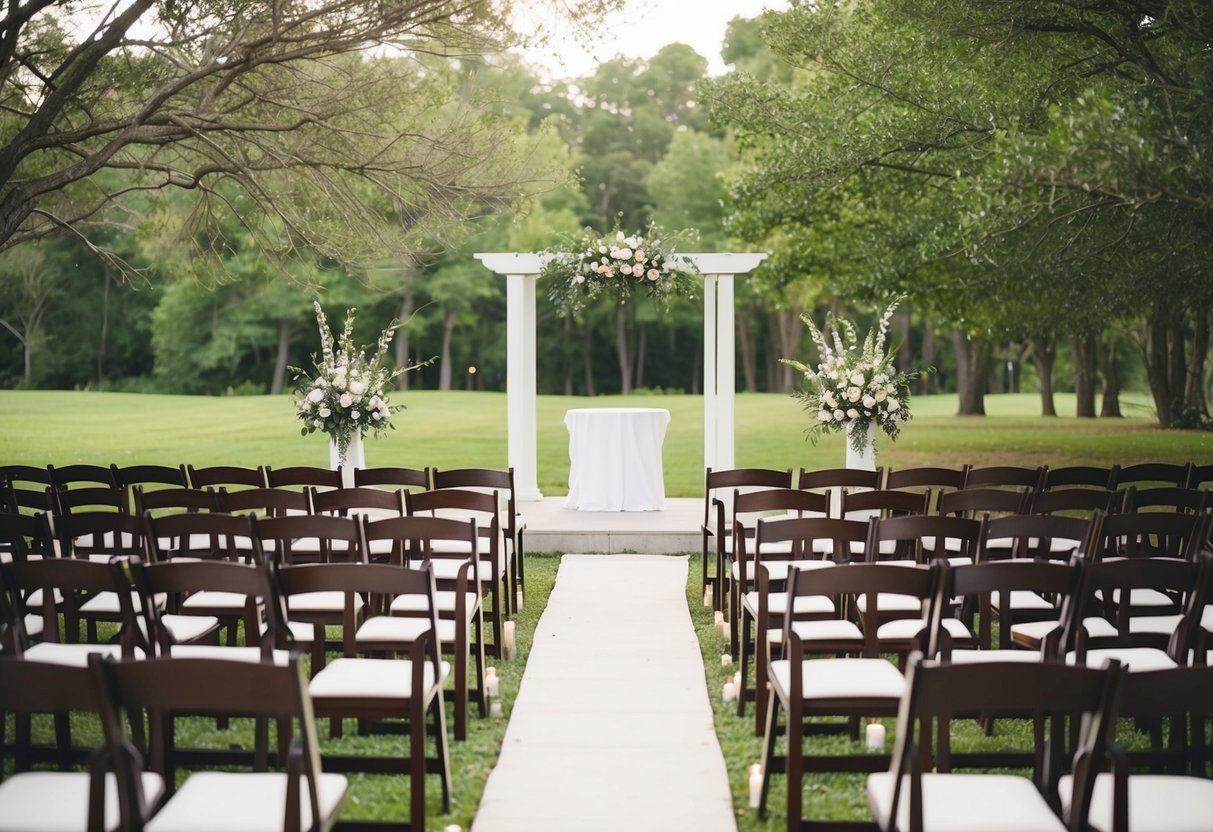
A wedding rehearsal is an important step that helps you prepare for the big day. It allows you to practice the flow of the ceremony and familiarizes everyone with their roles. Understanding its purpose and the traditions involved can help you decide if it’s right for you.
Purpose of a Wedding Rehearsal
The main goal of a wedding rehearsal is to practice the ceremony ahead of time. This includes the processional, where you walk down the aisle, and the recessional, when you exit as a married couple.
Rehearsals help the wedding party know their cues and locations. They also give your officiant a chance to explain the ceremony’s structure and any special rituals.
If you have a large bridal party or specific traditions, a rehearsal can make the day run more smoothly. It can ease nerves and lessen last-minute confusion, allowing you to enjoy the moment more fully.
Traditions and Rituals Involved
Weddings often include various traditions and rituals that make each ceremony unique. During the rehearsal, you might practice special elements, such as unity ceremonies or readings.
Familiarizing everyone with these components ensures that they feel comfortable and confident during the actual event. This can also be a time to prepare for any unique cultural practices.
Furthermore, a rehearsal dinner usually follows the practice. This offers a chance to celebrate with close family and friends. It’s an opportunity to bond, share stories, and create lasting memories before the main event.
Planning Without a Rehearsal
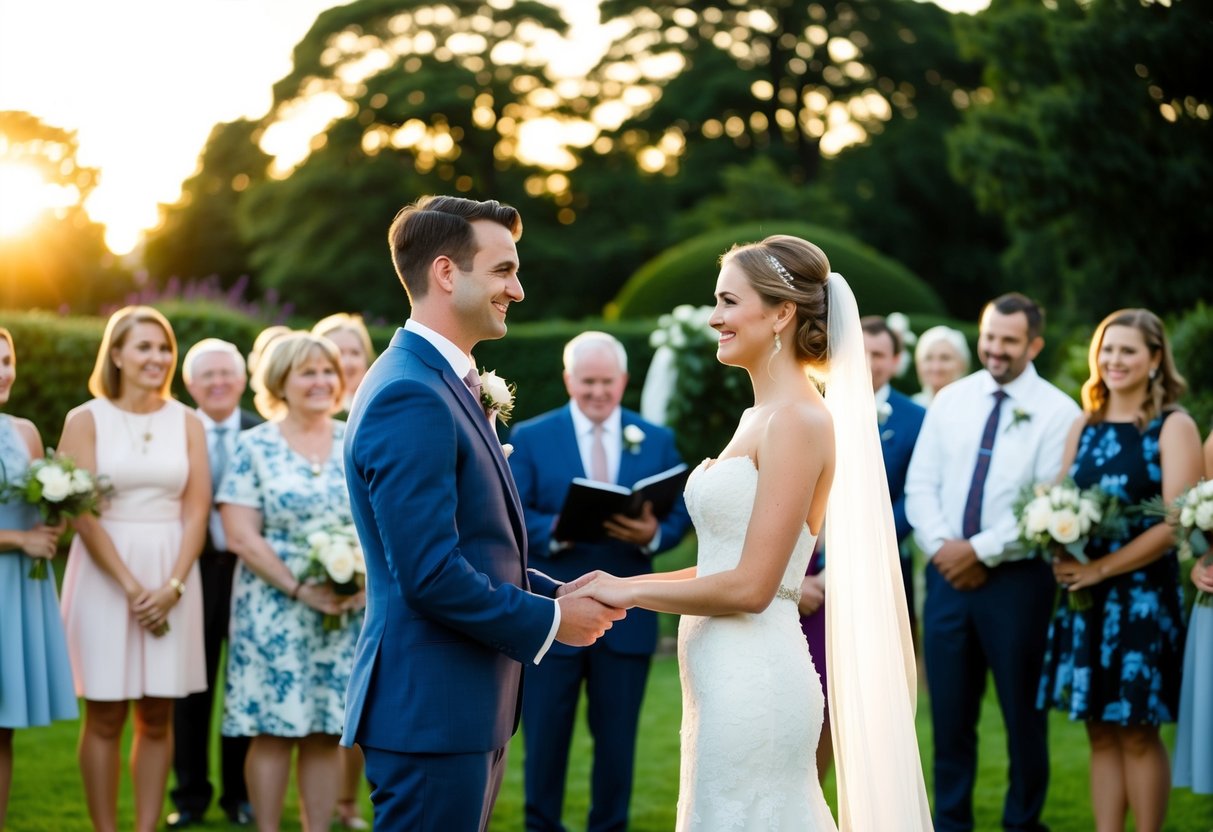
Planning your wedding without a rehearsal can feel challenging, but it can also simplify your preparations. Focus on clear communication and use alternatives to ensure everyone is ready for the big day.
Alternatives to Traditional Rehearsals
If you’re skipping the formal rehearsal, consider creative alternatives to prep your wedding party. Instead of gathering for a practice run, you can organize a casual meetup.
Think about a lunch or coffee catch-up for bridesmaids, groomsmen, and any other key participants. This way, you can discuss roles and expectations in a relaxed setting.
You could also create a detailed guidebook or timeline for the day. This helps everyone understand their duties, from the ring bearer to the flower girl. Visual aids, like diagrams of the venue layout, can clarify where everyone needs to be and when.
Coordinating the Wedding Party
Without a rehearsal, clear coordination is essential. Start by sending out a group text or email with important information. Share your vision for the ceremony, including walking order and specific roles.
It’s helpful to designate a point person among the wedding party, such as a bridesmaid or groomsman. This person can field any questions leading up to the wedding day.
Make sure everyone understands their responsibilities, especially the venue manager, who plays a key role in the ceremony’s flow. Encourage your team to reach out with any concerns. A little extra communication can reduce confusion on the big day.
Communication with Venue and Officiant
Good communication with your venue manager and officiant is vital when not holding a rehearsal. Schedule a meeting to walk through the ceremony details. Discuss timing, layout, and any specific rituals you plan to include.
Provide the officiant with a detailed timeline of the ceremony. This should cover everything from guest arrival to music cues.
Stay in touch with the venue manager to ensure they understand your plans. Clear instructions can help avoid any last-minute surprises. A quick check-in a day or two before the wedding can reassure everyone that everything is on track.
Considerations for Skipping the Rehearsal
Deciding to skip the rehearsal can have various impacts on your wedding plans. Financial aspects and the experience of your guests and family are key factors to consider.
Understanding Financial Constraints
Weddings can quickly become expensive, and every decision counts against your overall budget. By skipping the rehearsal, you can save on costs associated with dining and potential venue rentals.
Consider how much you might spend on a rehearsal dinner. It could range from a few hundred to several thousand dollars, especially with larger guest lists. This money can be redirected to other important areas like your wedding dress, flowers, or even a honeymoon.
Ask yourself what fits best with your financial situation. If you feel the pressure of expenses, letting go of the rehearsal is a practical choice.
Impact on Guests and Family
Your immediate and close family will likely feel the effects of your decision to skip the rehearsal. A rehearsal dinner offers a chance for everyone to connect before the big day. It can ease any stress about the ceremony.
If you choose to skip it, consider how to keep family informed and involved. You might host a casual gathering instead, perhaps a brunch or a simple meet-up, to give everyone time to bond.
Additionally, think about communication. Let guests know your plans early to manage expectations. A little preparation can go a long way in making everyone feel included, even if a formal rehearsal dinner isn’t on the agenda.
Rehearsal Dinner Insights
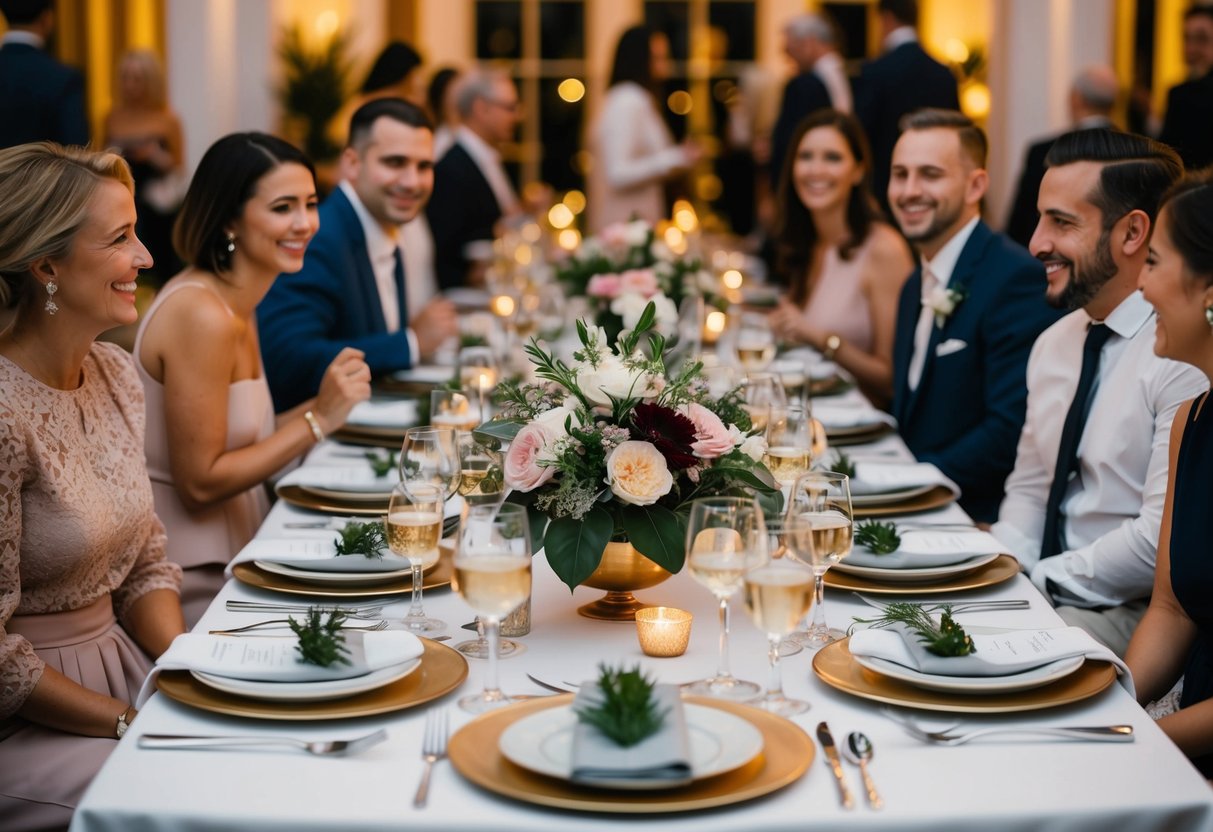
A rehearsal dinner can be an important part of your wedding celebrations. Understanding its significance and how to organize it can help make your event special and enjoyable.
Significance of the Rehearsal Dinner
The rehearsal dinner usually takes place after the ceremony practice. This event allows you to gather close friends and family before the big day. It’s a chance to relax and connect with everyone involved in the wedding.
While it is a common tradition, skipping it is perfectly acceptable if you prefer. Some couples focus on a more casual gathering without the formalities of a dinner. The key is to create a warm atmosphere, whether it’s a sit-down meal or a simple barbecue with appetizers.
Consider sending out rehearsal dinner invitations to make it feel festive. You can plan a toast to express gratitude to your loved ones for their support. This moment can help everyone feel included and appreciated.
Organizing a Pre-Wedding Celebration
When planning your pre-wedding celebration, think about the vibe you want. You can opt for a formal dinner or a fun, relaxed event.
Choose a venue that suits your style, whether it’s a local restaurant or a cozy home setting.
Be mindful of the guest list. Include family, close friends, and anyone who plays an important role in the wedding.
Keep the menu simple yet delicious, featuring your favorite foods. Popular choices often include light appetizers and drinks.
Make sure to communicate the details clearly in your invitations. This can help everyone prepare for the celebration.
Consider incorporating some fun activities, like sharing stories or creating a slideshow of memories. This engagement can add a personal touch to your gathering.