
Is It Okay to Read Your Wedding Vows? Embracing Authenticity on Your Special Day
Reading your wedding vows is a personal choice that many couples question as their big day approaches. You can read your vows without any worries. This can take the pressure off memorizing while allowing you to express your feelings clearly. The wedding day is often filled with excitement and some nerves, so having your vows in hand can help you stay focused on the emotions of the moment.
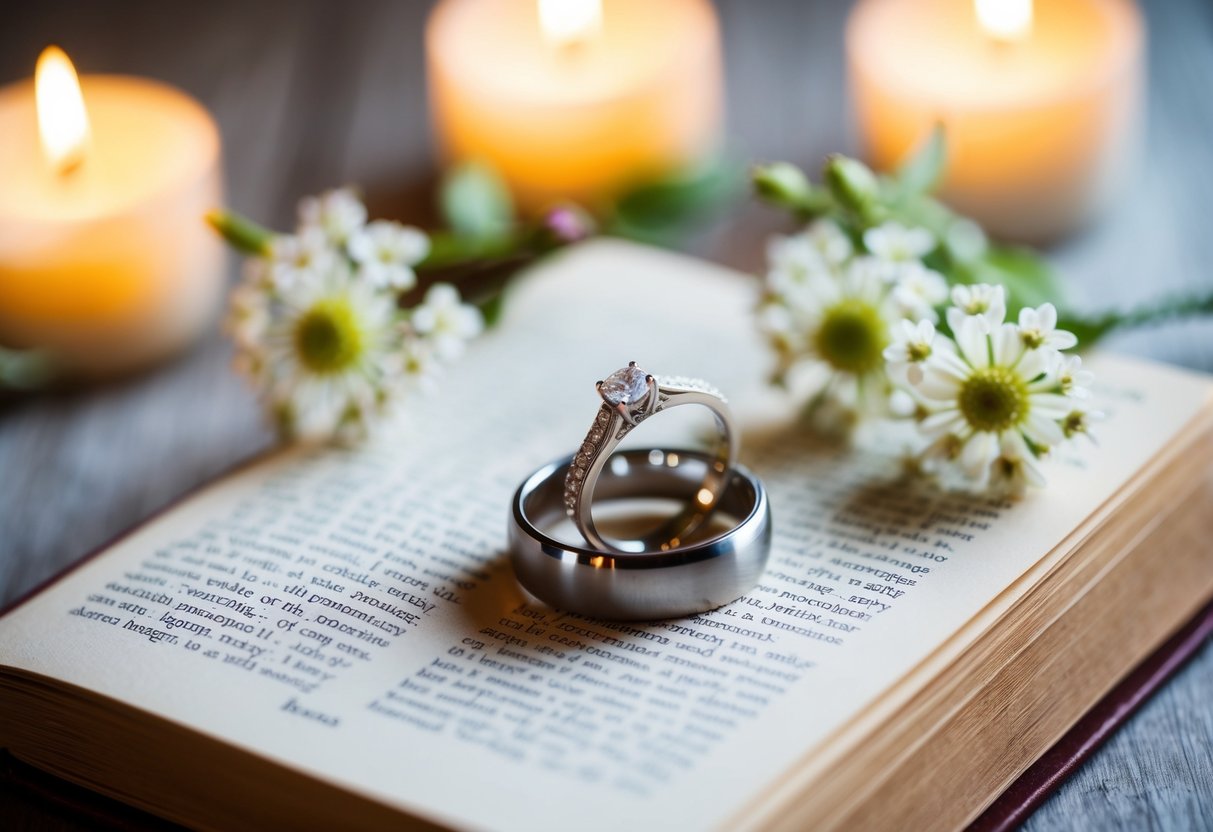
When writing your own wedding vows, you may want to capture your love story and promises to each other. This personal touch adds meaning to your ceremony, whether you decide to read them or memorize them. Many couples find that reading their vows helps them convey their heartfelt messages without the fear of forgetting important lines.
Ultimately, what matters most is that your vows reflect your commitment and love for one another. Whether you choose to read them aloud or recite them from memory, the vows you share will create lasting memories for both of you on your special day.
Understanding Wedding Vows

Wedding vows are a meaningful part of your ceremony. They represent your promises and commitment to each other. By looking at their significance, the differences between traditional and modern vows, and your options, you can choose vows that resonate with you.
The Significance of Vows in a Ceremony
Your wedding vows play a vital role in the ceremony. They serve as a public declaration of your love and commitment. By speaking your vows, you share your promises with friends and family.
These vows also signify the start of your marital journey. They remind you and your partner of the values and beliefs that bind you together. Sharing these promises can create a special moment filled with deep emotions.
Often, vows are legally required in many places, forming the basis of your marriage. This makes them not just personal, but also a significant part of the legal side of marriage.
Traditional Vs. Modern Vows
Traditional vows often follow a structured format. They include phrases like “to have and to hold” and “in sickness and in health.” Many people appreciate these vows for their historical significance. They connect couples to previous generations.
On the other hand, modern vows tend to be more personalized. They allow you to express your unique relationship. You can include anecdotes or promises specific to your partnership. This can make your vows feel more authentic to who you are as a couple.
Deciding between traditional and modern vows is a personal choice. You might even mix both styles to create something completely unique.
Deciding on Personal Vs. Traditional Vows
Choosing between personal vows and traditional vows can be challenging. Personal vows let you express your feelings in your own words. They capture the essence of your relationship and what makes it special.
However, you may still wish to include traditional elements. This provides a sense of continuity with past ceremonies. Many couples opt for a blend, starting with traditional vows and adding their personal touch.
Remember to consider how comfortable you feel expressing your thoughts aloud. If writing your own vows feels intimidating, it’s okay to use traditional ones. Ultimately, the choice should reflect your love and commitment to each other.
Crafting Your Own Vows

Writing your own wedding vows allows you to express your feelings in a personal way. This process can be fulfilling and meaningful, making your ceremony uniquely yours. Focus on what truly represents your love and commitment.
Getting Started with Writing Vows
Begin by thinking about what your partner means to you. Write down specific memories, qualities, or moments that stand out. This groundwork will guide your vows.
Consider using a structure, like starting with a heartfelt statement about love. Then, list promises you wish to make. You might say something like, “I promise to support you” or “I vow to cherish our adventures.” Aim for around 150-200 words to keep it concise yet meaningful.
Incorporating Personal Touches
Incorporating personal touches makes your vows special. Think about shared experiences that reflect your relationship.
Use anecdotes to show your love story. For example, mention how you felt during your first date or a moment that deepened your bond. You can also include favorite quotes or song lyrics that resonate with both of you.
Don’t forget to speak from your heart. Authenticity matters more than trying to sound perfect. Your wedding officiant can help you ensure your vows flow nicely and fit the ceremony’s tone.
Finalizing Your Vows
Once you have a draft, take some time to revise. Read your vows aloud to see how they sound. This practice helps catch any awkward phrases and ensures it feels natural.
Ask for feedback from someone you trust, like a close friend or family member. They can offer insights while keeping the vows a surprise.
Consider having a printed copy to reference during the ceremony. This way, you can stay calm and focused. Remember, your vows are a promise to your partner; this moment is all about your unique love.
Presenting Your Vows on the Wedding Day

Choosing how to present your vows is an important part of your wedding day. You can decide between sharing your vows publicly during the ceremony or in a more intimate, private setting. Here’s what you need to know about each approach.
Choosing Between Public or Private Vows
When deciding how to share your vows, consider the atmosphere you want to create. Public vows allow you to express your feelings in front of family and friends, making the moment feel celebrated and supported. This is often a chance to say “I do” while sharing personal promises.
On the other hand, private vow exchanges can be a more intimate experience. You might choose to share your vows privately before the ceremony or at a special moment during the day. This setting can help reduce stress and create a meaningful connection between you and your partner.
Think about what feels right for both of you and what will make the moment special.
The Role of the Wedding Officiant
Your wedding officiant plays an important role in presenting your vows. They guide the ceremony and help set the tone. If you are reading your vows aloud, the officiant can provide cues and make sure everything flows smoothly.
Make sure to discuss your vows with them ahead of time. This can include whether you will be reading from a paper or memorizing your lines. If you opt for private vows, the officiant can help plan how to incorporate them into the ceremony or suggest the best timing for a special exchange.
Clear communication with your officiant will help ensure the moment is perfect.
Tips for Confident Public Speaking
Public speaking can be nerve-wracking, especially on your wedding day. Here are a few tips to help you feel more confident when presenting your vows:
- Practice: Rehearse your vows several times. This will help you feel familiar with the words.
- Breathe: Take deep breaths before speaking. This can calm your nerves.
- Focus on your partner: Look at your partner while speaking. This can help you connect and ease anxiety.
Remember, it’s about sharing your love. Speak slowly and clearly. Your friends and family are there to support you, and they’ll appreciate the heartfelt words you share.
Additional Wedding Vow Considerations
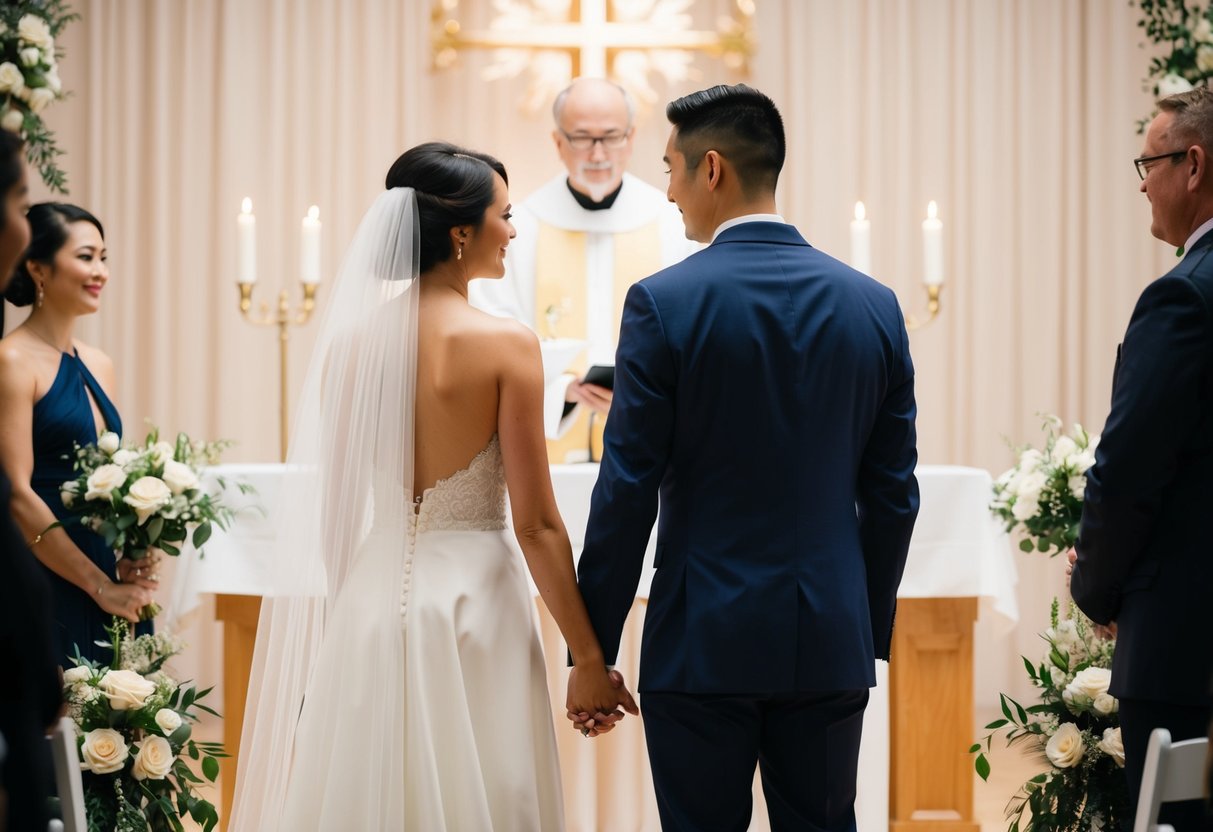
When planning your wedding vows, there are several factors to keep in mind. These considerations will help you navigate any questions that arise and ensure your vows fit seamlessly into your celebration.
Dealing With Vow-Related Questions
You might find guests curious about your vows. Be ready for questions like, “Are you memorizing them?” or “What if you cry?” These inquiries show interest but can feel overwhelming.
To handle this, communicate with your close friends and family. Share your vow style, whether you’re writing them or using traditional ones. This keeps them informed and respectful.
Reassurance is key, too. Let your loved ones know that it’s okay to read vows. Many couples prefer this approach to help reduce stress. Practicing your vows in advance can also ease anxiety about the big day.
Incorporating Vows into the Entire Celebration
Your wedding vows are a significant part of your ceremony. But, consider how they fit with other elements, like the first dance. The vows can reflect the love that will carry into your shared life. This can be echoed during your first dance.
To blend these moments, think about your vows’ themes. If they focus on partnership, choose a song for your first dance that mirrors that message. This connection enhances the flow of your celebration.
Discussing your vows with your officiant ensures they understand your wishes. This way, they can highlight the importance of this moment. Consider including a special reading or song that links your vows to the celebration.