
Is It Proper Etiquette to Congratulate a Bride? A Guide to Wedding Well Wishes
When attending a wedding, you might wonder if it’s suitable to say congratulations to the bride. Traditionally, it’s more common to congratulate the groom, as he is viewed as the one who has won a wonderful partner. This raises the question of whether offering congratulations to the bride fits into modern wedding etiquette.
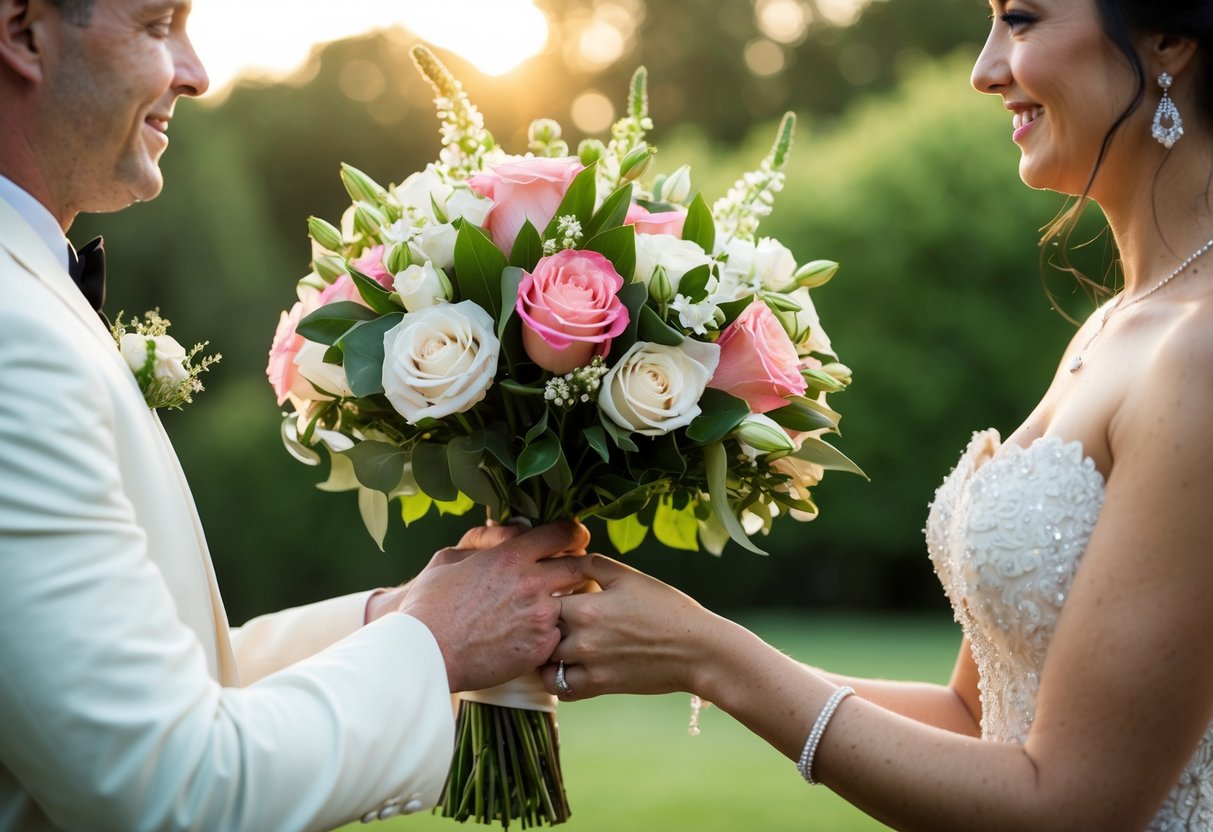
In today’s world, many people believe it is perfectly acceptable to extend your congratulations to the bride as well. After all, both partners celebrate a significant milestone in their relationship. Whether you choose to say “congratulations” or “best wishes,” your kind words can truly make the couple feel appreciated on their special day.
Understanding the nuances of wedding etiquette can help you navigate these situations more comfortably. By considering the couple’s dynamics and your relationship with them, you can choose the right words to express your joy and support.
The Tradition of Wedding Congratulations
When attending a wedding, understanding the tradition of offering congratulations is important. This practice has deep roots in history and has evolved over time. Knowing its background can help you navigate how to express well wishes to the couple appropriately.
Historical Roots of Wedding Etiquette
The tradition of wedding congratulations dates back centuries. Historically, weddings were significant social events. They marked the union of families and were celebrated within the community.
Early etiquette was often based on customs and societal norms. Guests would typically offer kind words to both the bride and groom. This act showed support and joy for the couple’s new journey.
As societal values changed, so did the manner of expressing congratulations. You’ll find that understanding these roots can help you appreciate the significance of well-wishing at weddings.
Victorian Etiquette and Its Influence Today
During the Victorian era, wedding etiquette became more formal. There was a belief that congratulating the bride directly implied a lack of choice in her marriage. This notion made it common to wish the groom well instead.
Many customs from this period continue to influence modern practices. Today, while it is generally acceptable to say “congratulations” to both the bride and groom, some still prefer a more understated approach with the bride.
You may find that traditions vary widely based on cultural backgrounds and personal beliefs. Understanding these Victorian influences on etiquette can help you choose your words wisely for any wedding.
Personalizing Your Congratulations

When congratulating a bride, it’s important to make your message personal. By considering tradition, your relationship with the couple, and ensuring your words come from the heart, you can create a meaningful message that resonates.
Balancing Tradition with Modern Approaches
Understanding traditional etiquette can be helpful. In some cultures, it’s seen as more appropriate to offer best wishes rather than a congratulations to the bride.
You might then think about the modern approach, where congratulating both the bride and groom is common. This blend allows you to respect traditions while embracing current practices. Choose phrases that feel comfortable for you, keeping in mind individual beliefs and their significance to the couple.
Customizing Wishes Based on Your Relationship with the Couple
Your connection with the couple should guide your message. If you are a close friend, you might share a personal memory or special moments you’ve had together. Phrases like, “I’m so happy for you both!” or “You deserve all the joy in the world!” can express warmth and closeness.
If you are a distant acquaintance, a simple message like “Best wishes on your new journey” might be enough. The key is to adjust your message based on how well you know them to ensure it feels authentic.
Ensuring a Heartfelt Message
A heartfelt message can make your congratulations stand out. Think about what the couple means to you and express those feelings clearly. Use their names for a personal touch.
You could say something like, “I am so thrilled to see you both tie the knot. You make a wonderful pair!” This shows you’re genuinely happy for them.
Remember, it’s not about the length of your message, but the sincerity behind it. A thoughtful note, whether short or long, can convey the best wishes you have for their future together.
Different Ways to Offer Congratulations
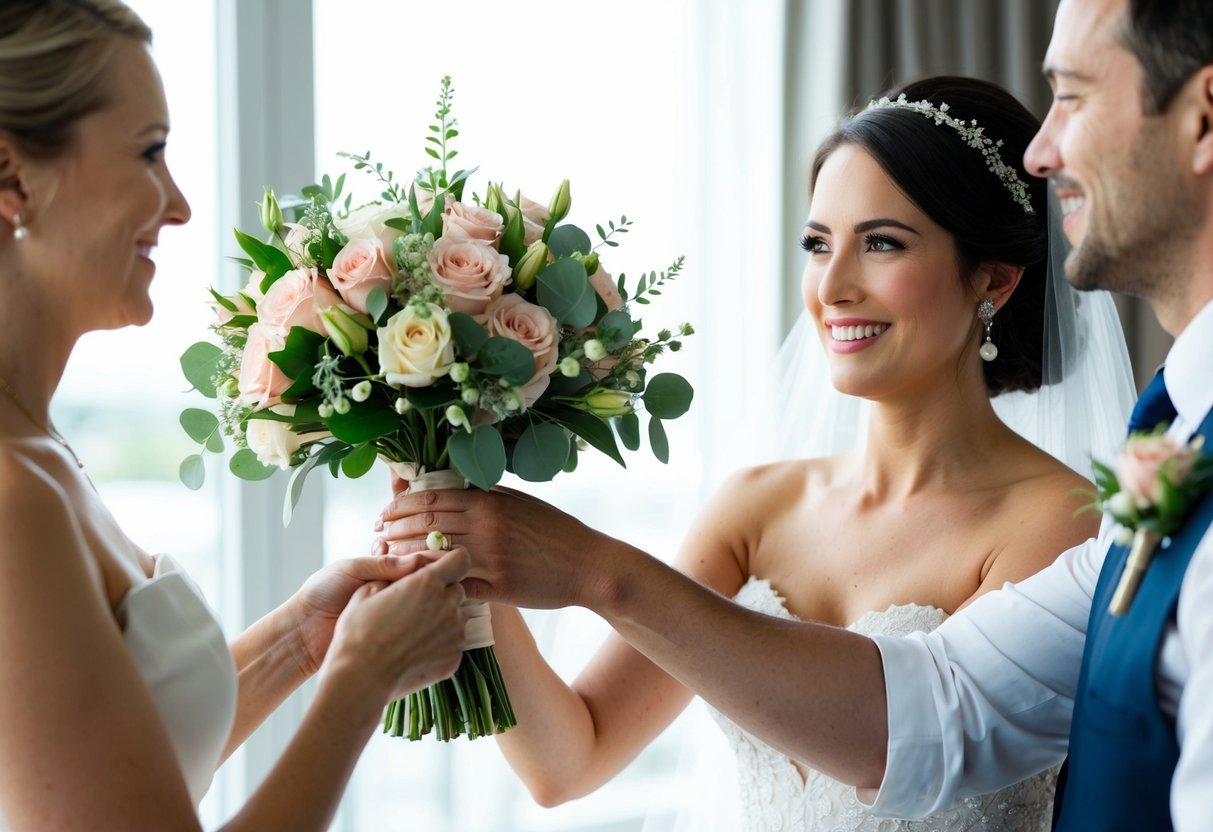
When you want to congratulate a bride, there are various appropriate methods. You can directly congratulate her, share well-wishes with the groom, or celebrate the couple’s union. Each approach has its own significance and can be tailored to the situation.
Direct Congratulations to the Bride
Traditionally, some etiquette suggests refraining from saying “congratulations” to the bride, often believing it implies she was “won” in marriage. However, in modern settings, congratulating the bride can be perfectly acceptable. Use phrases like “I’m so happy for you!” or “You look beautiful today!” This acknowledges her special moment and brings a personal touch.
If you want to keep it casual, a simple message in a card can go a long way. You can write heartfelt notes like “Wishing you a lifetime of love and happiness!” This shows your genuine joy for her new journey. If you are close to the bride, feel free to share a personal memory that highlights your bond.
Conveying Well-Wishes to the Groom
While it’s common to congratulate the groom, it doesn’t need to be overly formal. You can say things like “Congrats on your big day!” or “Welcome to married life!” This way, you recognize his role in this union.
Offering compliments about the bride can also be a nice gesture. You might say, “You did well to marry such a wonderful woman!” This not only congratulates him but also acknowledges the bride’s value, striking a balance between the couple.
Cards or messages can also be sent to the groom. Keeping it light-hearted and fun can be just right. Consider adding a touch of humor, like “Now you’re outnumbered in your home!”
Celebrating the Union of Bride and Groom
Congratulating both the bride and groom together is a warm and inclusive approach. Say something like, “Congratulations to you both on this beautiful journey!” This shows support for their union as partners.
During group celebrations, you can raise a toast that honors them as a couple. Use phrases such as “To love and happiness for both of you!” This draws everyone’s attention to their joined lives and makes them feel special.
In cards or messages, you can state, “Wishing you both a joyful life together!” This type of acknowledgment goes beyond just one person. It celebrates their shared future and strengthens the connection with both.
Cultural and Religious Considerations
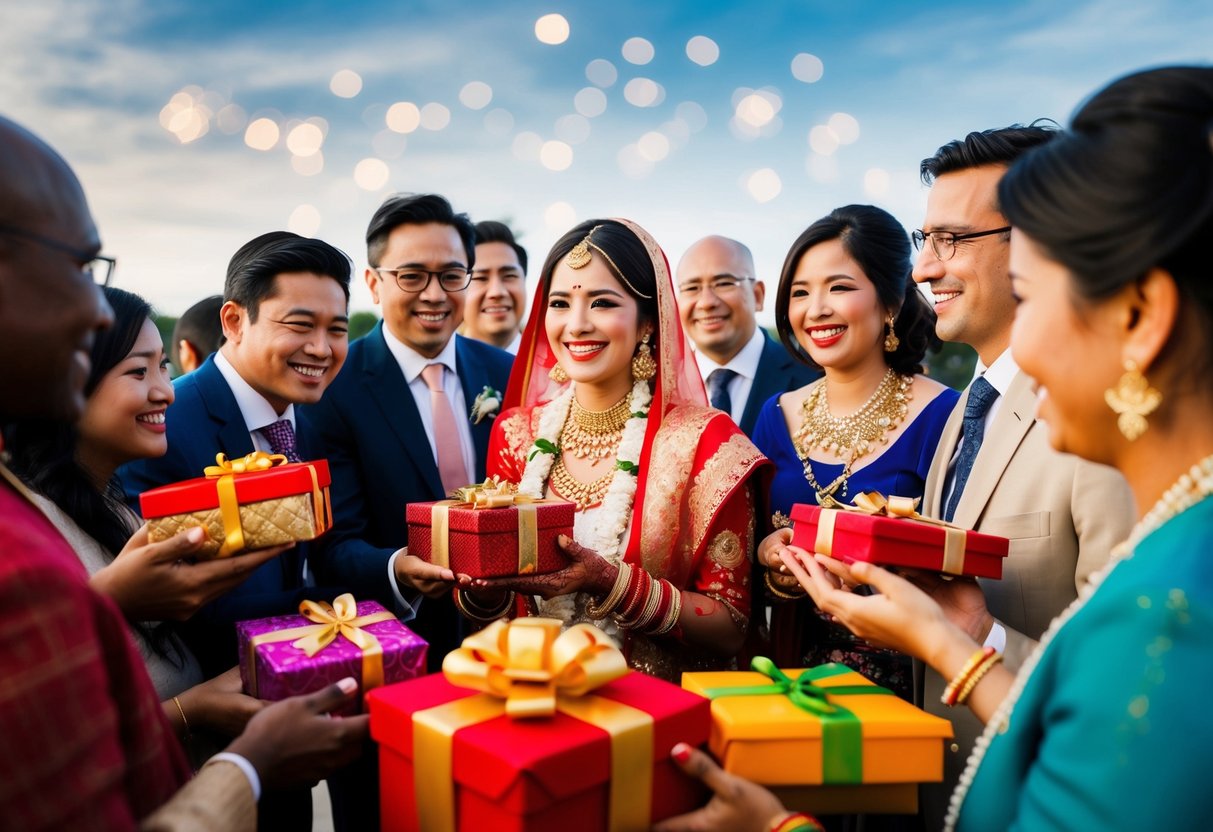
When addressing the question of whether to congratulate a bride, cultural and religious beliefs can greatly influence your approach. Understanding these factors helps you navigate the sentiments tied to weddings, as each tradition carries its significance and customs.
Recognizing Diverse Wedding Traditions
Different cultures have unique customs surrounding weddings. In some traditions, offering congratulations to the bride is seen as a positive acknowledgment of her new chapter. For instance, many modern weddings welcome “congratulations” for brides as a nod to their partnership.
In other cultures, like certain Victorian-era ideals, saying “best wishes” instead of “congratulations” is preferred. This approach signals support for the bride’s new journey rather than implying accomplishment.
It’s important to familiarize yourself with the couple’s background. Respect their customs, as this shows appreciation for their values and enhances your relationship with them.
Inclusivity in Expressing Wedding Wishes
Wedding wishes should reflect inclusivity. Consider what truly matters to the bride when coming up with messages for her. Personal touches convey your heartfelt sentiments in a meaningful way.
You might opt for religious wedding wishes that align with the couple’s beliefs. Phrases like “May your union be blessed with love and joy” resonate deeply in many faiths.
Additionally, avoid making assumptions about how each couple perceives traditional practices. Acknowledge their views and preferences, which can lead to more thoughtful and respectful greetings. This approach fosters a sense of belonging and warmth on their special day.