
Is It Rude Not to Attend a Wedding? Understanding the Etiquette Behind RSVP Decisions
When you receive a wedding invitation, you might wonder if it’s rude not to attend. Some people believe that not attending a wedding is always seen as rude. However, various reasons, such as financial constraints or personal commitments, can make it difficult to be present on someone’s special day.

Wedding etiquette often emphasizes the importance of attending ceremonies, especially for close friends and family. However, if you feel unable to go, there are thoughtful alternatives. You can still celebrate the couple’s love by sending a gift, making a call, or planning a visit later. These gestures show your support while keeping your commitments in mind.
Understanding the balance between your own needs and the expectations of the couple is key. You can navigate these social situations with kindness and respect, ensuring that your relationship with them remains strong regardless of your choice to attend.
Understanding Wedding Etiquette
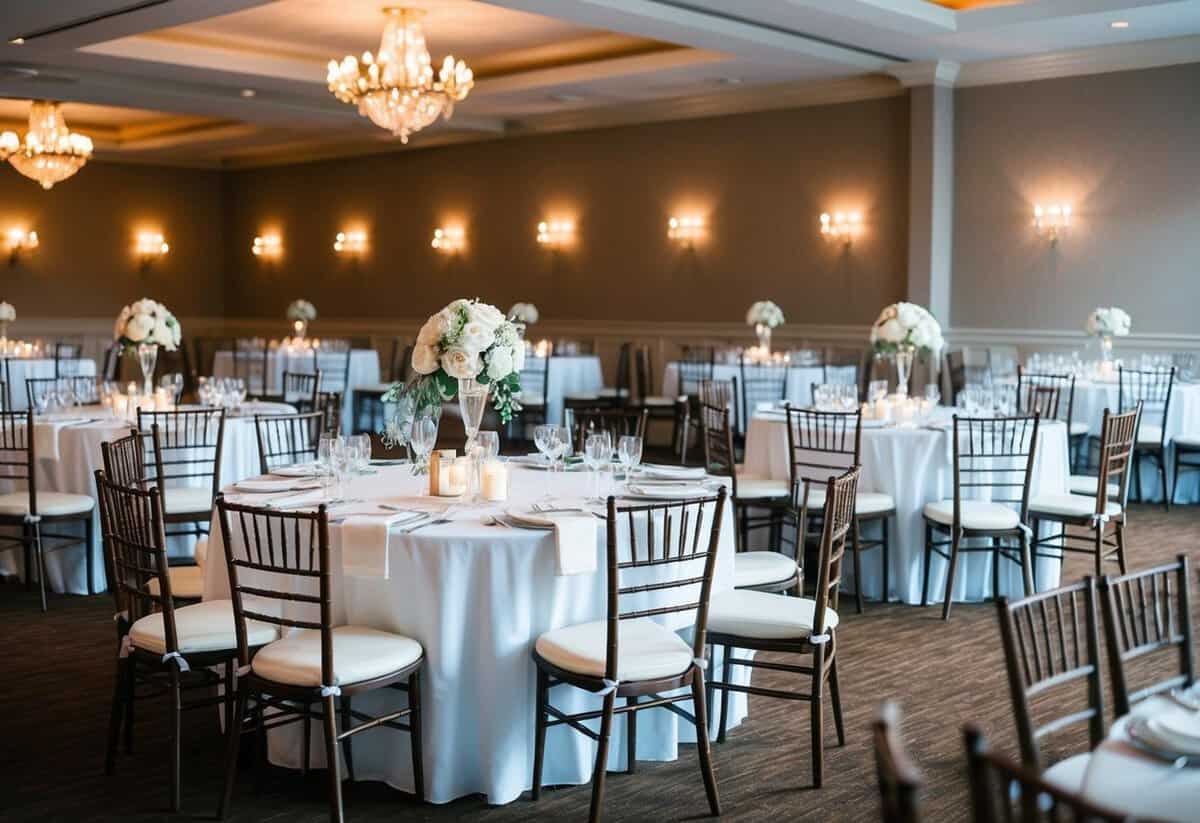
Wedding etiquette plays a significant role in how friends and family interact during special events. It includes understanding invitations, the RSVP process, and the importance of attending.
Invitation and RSVP Process
When you receive a wedding invitation, it’s essential to pay attention to the details. Formal invitations usually come in a printed format, often with a specific RSVP card included. This card helps the couple know who will attend.
You should return your RSVP promptly, even if you can’t make it. Doing so shows respect for the couple and aids in their planning. If you’re unsure about your attendance due to reasons like travel or finances, communicate this with them as soon as possible.
Ignoring the RSVP can come off as inconsiderate. When you confirm your attendance, it helps the couple finalize numbers for catering and seating arrangements.
Significance of Attendance
Attending a wedding is not just about enjoying a party. It’s a crucial way to support your friends or family on their special day. Your presence signifies love and commitment to their relationship.
If you’ve RSVP’d and then can’t attend, it’s courteous to inform the couple. Life events happen, but timely communication shows that you value their invitation.
Being at a wedding often allows you to share in joyous moments, creating shared memories. Remember, if you can’t attend, sending a thoughtful gift or card can still express your support and goodwill for their new journey.
Navigating Commitments and Expectations

You might face challenges when trying to attend a wedding due to other commitments. It’s important to handle these situations thoughtfully. Factors like prior obligations, destination weddings, and gift-giving norms play a significant role in how your absence may be perceived.
Handling Prior Commitments
When you have a prior commitment, it’s essential to communicate this to the couple. Whether it’s a family event, work affair, or even another wedding, honesty is key.
- Send an RSVP: Always respond to the invitation promptly, even if you’re not attending. This shows respect for the couple’s planning.
- Explain Your Situation: If appropriate, let the couple know the reason you can’t make it. A simple message can help them understand your absence.
- Stay Connected: Attend a post-wedding gathering if possible. It can help maintain your relationship with the couple.
Considerations for Destination Weddings
Destination weddings can pose a unique challenge. They may require travel and additional expenses. Here are some pointers to navigate this:
- Assess Your Finances: Determine if you can afford the travel and stay. Prior commitments may also limit your availability.
- Talk to the Couple: If you are close with the couple, share your concerns about attending. They might appreciate your honesty and understand your decision.
- Alternative Options: If you can’t attend, consider sending a personal note or video message, showing your support and love.
Gift-Giving Norms
When you can’t attend a wedding, gift-giving norms come into play. Many guests feel obligated to buy a gift, even if they are not present. Here are a few points to consider:
- Purchase a Gift Regardless: It’s generally polite to send a gift, showing your love and support for the couple. You can choose something from their registry or a thoughtful item.
- Timing Matters: Sending a gift before or after the wedding is acceptable. Just be sure to check their registry for any last-minute changes.
- Personal Touch: Include a heartfelt note with your gift. This adds a personal touch and expresses your regret at not being able to attend.
Consequences of Not Attending

Choosing not to attend a wedding can lead to various outcomes. Understanding how it impacts your relationships and how others perceive your absence is important. Here are some key areas to consider.
Impact on the Guest List
When you RSVP “no,” it affects the guest list in several ways. The couple and their families may need to adjust their plans for seating, catering, and other arrangements.
Your absence can also change the dynamics at the event. Other guests might notice your absence and discuss it. If you are close to the couple, they may feel disappointed, especially if they had hoped to share this moment with you.
Perceptions of Rude Behavior
Many people view not attending a wedding as potentially rude. If you do not provide a legitimate reason for your absence, others may judge you harshly.
For example, declining without a thoughtful explanation can lead to assumptions about your feelings toward the couple. It’s important to communicate any valid reasons, such as financial constraints or prior commitments. When managed well, these communications can minimize negative perceptions.
Managing the Relationship Post-Event
After the wedding, it’s essential to manage your relationship with the couple. They might feel hurt or confused about your absence.
Reach out to them with a sincere message expressing your regret. Consider sending a thoughtful gift or card. This gesture shows that you care, even if you couldn’t attend.
Follow-up conversations can help clarify any misunderstandings. Acknowledge their special day and express genuine happiness for them. This can help maintain a positive connection, despite the absence at the wedding.