
Is It Rude Not to Attend a Wedding? Understanding Social Etiquette and Expectations
When you receive a wedding invitation, you might wonder if it’s rude not to attend. While it can feel disappointing to decline, not showing up to a wedding isn’t necessarily rude when handled with care. Understanding wedding etiquette can help you navigate this decision more easily and maintain good relationships with the couple and other guests.
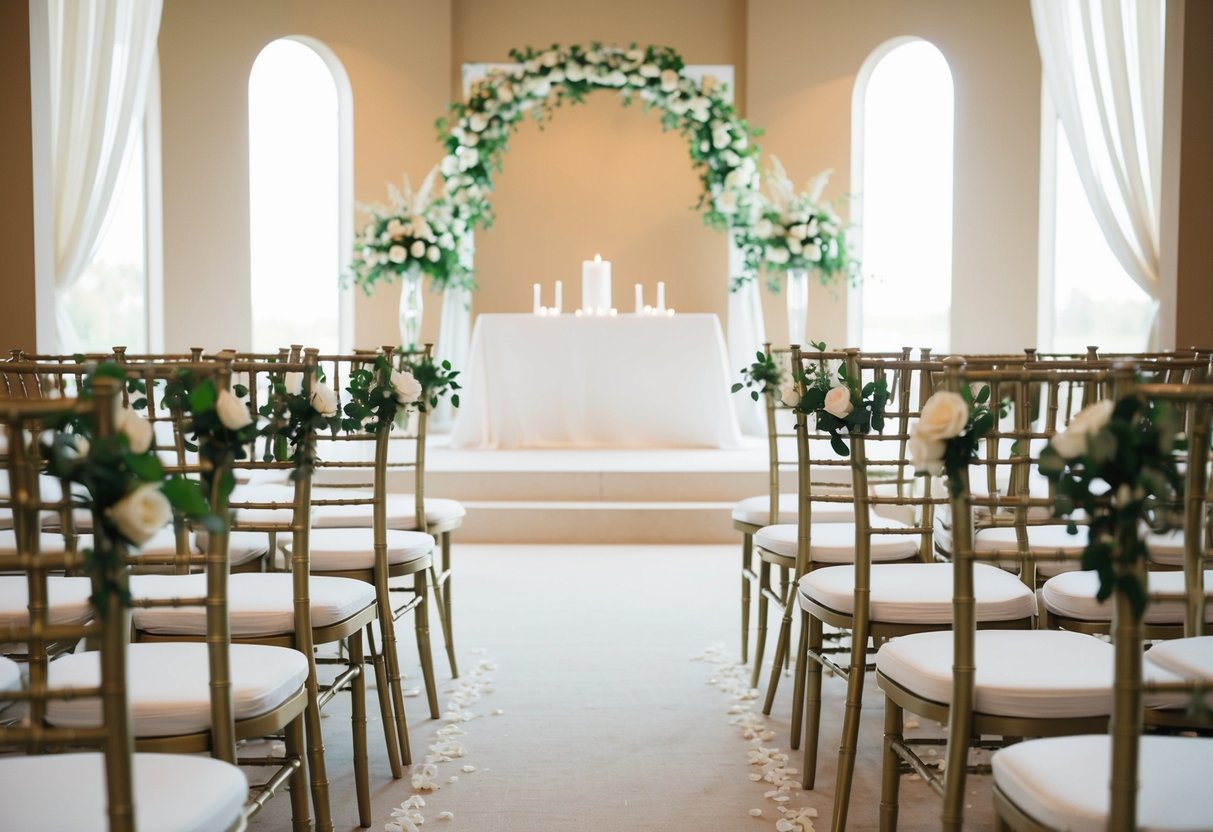
RSVPing is an important part of the process. If you decide you can’t attend, it’s best to let the couple know as soon as possible. This helps them plan accordingly and can prevent any hard feelings.
Personal reasons for not attending can vary, from financial constraints to simply not feeling well. It’s important to remember that your presence is valued, but your well-being comes first.
Navigating feelings around weddings can be tricky, especially when you want to honor your relationships. While it’s common to worry about hurting someone’s feelings, what matters most is how you approach the situation and communicate your choice.
Understanding Wedding Etiquette
Knowing wedding etiquette helps you navigate the feelings and expectations surrounding attending a wedding. Being respectful and aware of important rules can make the entire experience better for everyone involved.
The Importance of RSVP
When you receive a wedding invitation, responding with an RSVP is crucial. This card shows whether you plan to attend the wedding.
Couples need to know how many guests to expect to finalize their wedding planning. Failing to send back your RSVP can create stress for the couple.
If you can’t attend, send a polite note explaining your reason. If you did RSVP and must cancel, inform the couple as soon as possible. This way, they can adjust their plans accordingly.
Always be honest with your response. It’s better to decline than to confirm and not show up. Couples appreciate your honesty and understanding.
Expectations for Guests
As a guest, you have some responsibilities. These include being respectful and celebrating the couple’s commitment.
Dress appropriately, as specified in the invitation. If it’s a formal wedding, wear formal attire. Make sure to arrive on time. Being late can disrupt the ceremony and make it awkward for everyone.
If there’s a reception, it’s courteous to attend, especially if you RSVP’d. Bring a gift for the couple, even if it’s small. It shows that you acknowledge their special day.
Remember that your presence means a lot to them, so engage positively and enjoy the celebration with all the guests.
Destination Wedding Considerations
Destination weddings can be exciting, but they also require special thought. Traveling to a location means added expenses. You might need to pay for flights, accommodations, and other costs.
If you are not sure about attending a destination wedding, consider your budget. It’s fine to decline if it’s too much financially. The couple will likely understand this, especially if you communicate well.
Make sure to respond to the invitation on time. This helps the couple plan better. Remember, attending a destination wedding can be a wonderful experience, but it’s important to weigh your options and decide based on your situation.
When It’s Acceptable to Decline a Wedding Invitation
Declining a wedding invitation can feel tricky. There are several valid reasons you might not be able to attend. Here are some key situations where it’s acceptable to politely decline while still being respectful.
Handling Prior Commitments
Sometimes, you have other plans that just can’t be changed. If you’ve already committed to something on the same date, it is perfectly acceptable to decline the invitation.
It’s important to respond to the RSVP card or message promptly. This shows respect for the couple’s planning and allows them to adjust their guest list.
If you need to attend a work event or a family gathering, let the couple know. They will likely understand your situation.
Financial and Logistical Constraints
Weddings can be expensive. If attending a destination wedding or even a local one strains your budget, it’s okay to say no. You need to prioritize your financial health.
Make sure you think about travel, lodging, and gifts. If these costs feel overwhelming, you should feel empowered to decline.
Remember, it’s common for invitees to face budgeting challenges. If necessary, communicate this when you RSVP.
Communicating Your Absence
When you decide not to attend, how you communicate this matters. A courteous message is key. Whether you send a card or an email, express your gratitude for the invitation first.
Then, let the couple know you can’t join them. Keep your message sincere but brief.
You might say “I’m so sorry I can’t be there on your special day.” You could also mention sending a wedding gift to show your support, even if you can’t make it to the celebration.
By handling your response thoughtfully, you can decline without seeming rude or dismissive.
Alternative Ways to Show Your Support

If you cannot attend a wedding, there are still meaningful ways to show your support for the couple. You can express your care and goodwill through thoughtful gifts and heartfelt messages.
Selecting a Thoughtful Wedding Gift
Choosing a thoughtful gift can really brighten the couple’s day. Since you can’t be there, consider what they love or need.
You may want to buy a gift that aligns with their interests, such as kitchen gadgets for food lovers or home decor for those who enjoy decorating. Another option is to give a monetary gift or gift card. This allows them to choose what they need or want most.
If you are unsure, ask mutual friends for ideas. When sending your gift, write a personal note that reflects your feelings. This makes your gesture even more special and shows that you care.
Sending Well Wishes and Congratulations
Taking the time to send a card or a message is a great way to show your support.
In your note, express your happiness for the couple and share a warm message about their future together. Mention a fond memory or a positive quality about them to make it more personal.
You can also consider reaching out via social media. Post a congratulatory message on their wall or send them a private message. This shows that you’re thinking of them, even if you’re not there in person.
Simple gestures like these can make a big difference and let the couple know they are loved.