
Is It Rude Not to Have a Wedding Reception? Understanding Etiquette and Expectations
Choosing not to have a wedding reception can raise questions about etiquette and how it might affect your guest list. Many people wonder if skipping the reception is seen as rude. It’s important to know that not having a reception is a personal choice and not inherently disrespectful to your guests.
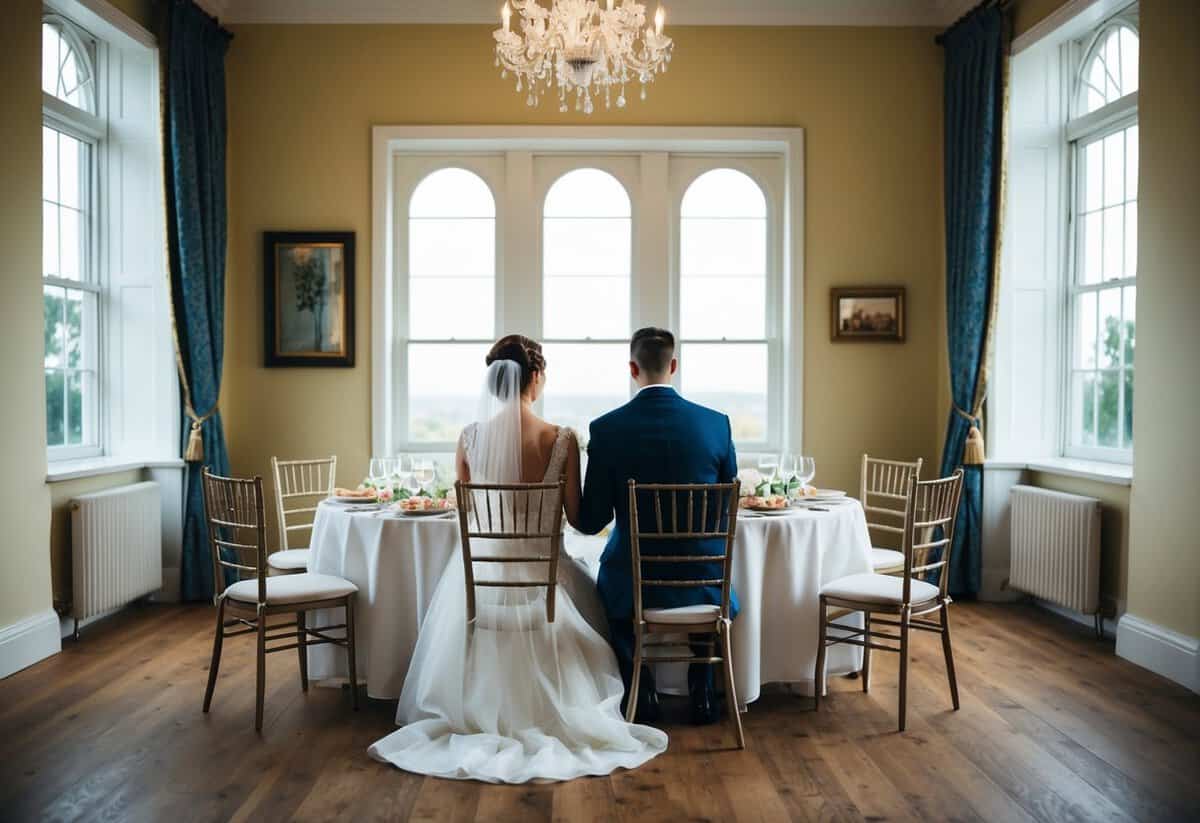
While weddings traditionally include a reception, couples have various valid reasons for opting out. Some might prefer a small ceremony, while others might want to manage costs or keep things simple.
Understanding this context can help you navigate any potential feelings from your guests.
If you decide to forgo the reception, clear communication is key. Letting guests know ahead of time can prevent misunderstandings and ensure that everyone feels included in your special day.
Understanding Wedding Receptions
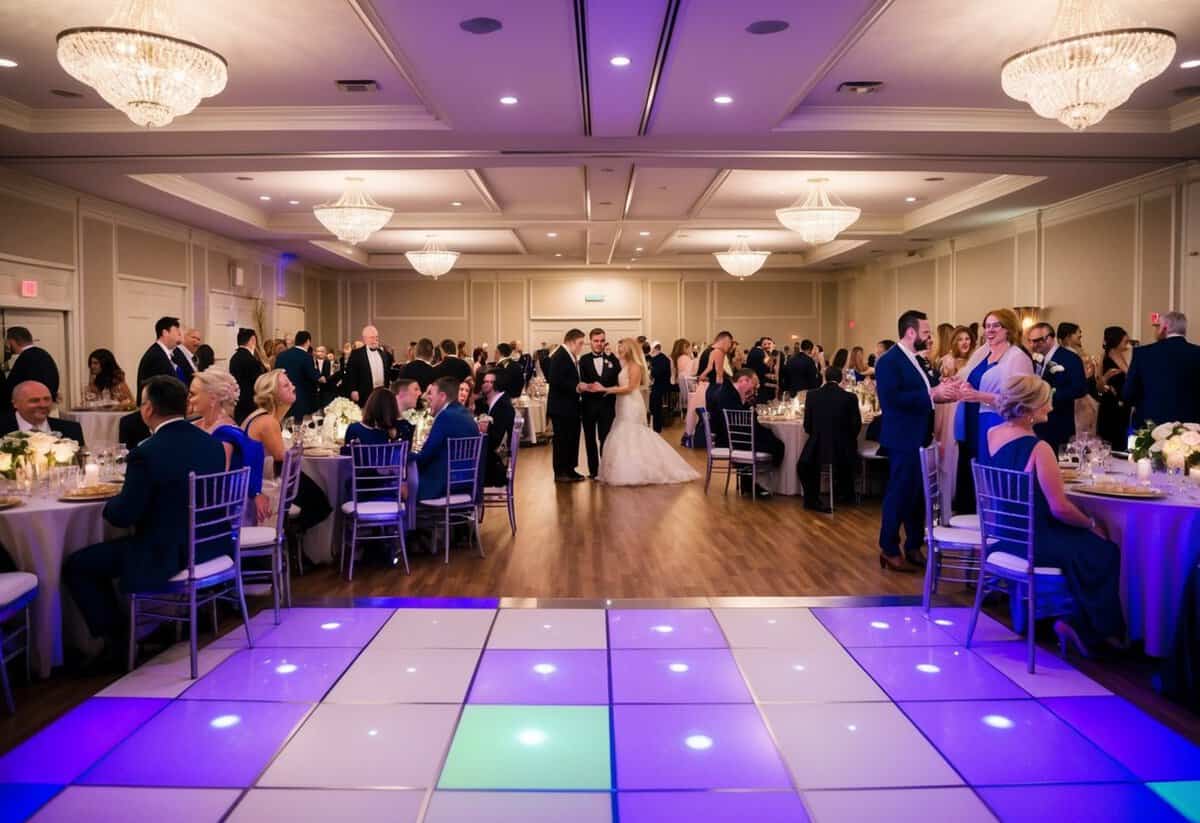
Wedding receptions are an important part of the celebration that follows a wedding ceremony. They vary in style and size, reflecting personal choices and traditions. Knowing what to expect can help you decide what works best for your special day.
Traditions and Expectations
Traditionally, a wedding reception follows the ceremony, allowing guests to celebrate the couple’s union. It is a time for mingling, sharing meals, and enjoying entertainment. Guests often expect this gathering, especially if they traveled to attend the wedding.
Some couples may choose a more intimate ceremony with a smaller gathering. In this case, a reception can help strengthen connections with family and friends. You might choose not to have a reception, but be aware that some guests may find that surprising or disappointing.
Types of Receptions
There are many types of wedding receptions, depending on your preferences and budget. A larger reception usually includes a sit-down dinner, music, and dancing. This option allows for more guests and a festive atmosphere.
On the other hand, a destination wedding may have a more relaxed reception. You could host a beach BBQ or a cozy brunch the next day. Each type of reception serves its purpose, from elegant to casual, catering to what you envision for your celebration.
Planning Your Wedding Celebration
When planning your wedding celebration, consider the details that matter most to you. Focus on how to structure your special day, who to invite, and how to phrase your invitations. By tackling these key points, you set the tone for your celebration.
Deciding the Scale of Your Wedding
Think carefully about the scale of your wedding. Do you want an intimate gathering or a larger event?
A smaller ceremony with close friends and family can feel special and personal. Here are some factors to consider:
- Budget: Determine how much you can spend.
- Venue size: Ensure it fits your guest list.
- Overall vibe: Decide if you prefer casual or formal.
Narrowing your decision early will help shape other parts of your wedding planning.
Navigating Guest Lists and Invitations
Creating your guest list can be challenging. Start with immediate family and close friends, then consider extending to others based on your comfort level.
Tips for your guest list:
- Limit your invites: This can make the day feel more special.
- Consider the ceremony: Who do you want there for that moment?
- Think about the reception: You might opt for a separate reception-only invitation for some guests.
This balance will help you feel good about who is there to celebrate your union.
Crafting the Perfect Reception Invitation Wording
Your reception invitation wording should reflect the type of celebration you’re hosting. Whether it’s a full reception or a simpler gathering, clarity is key.
Invitation samples:
- For a full reception: “We invite you to join us in celebrating our marriage at a reception following the ceremony.”
- For a reception-only: “Join us to celebrate our wedding! We’re gathering for a reception on [date] at [venue].”
Make sure your wording is friendly and sets the right tone for the celebration you envision. This small detail can enhance your guests’ excitement!
Etiquette and Alternatives to Traditional Receptions
Deciding to skip a wedding reception can feel tricky. Understanding etiquette and finding alternatives to traditional celebrations can help. Here’s what you need to know.
When Is It Acceptable to Skip the Reception?
You may wonder when it’s okay to forgo a reception. A small ceremony with immediate family may not require a full reception.
For example, if you’re eloping, a simple gathering can be acceptable.
Consider your guests too. If you have a limited budget or space, informing them before sending out invitations is crucial. This way, guests can RSVP with realistic expectations.
It’s vital to remember that skipping the reception can change how your celebrations are viewed, so think carefully.
How to Communicate Your Decision
Clear communication is key when you decide not to have a reception. You can include a note in your wedding invitations or personal messages.
Explain your choice in a friendly tone to avoid misunderstandings.
Let guests know that you appreciate their support. Consider offering an alternative way to celebrate, like a casual lunch or dinner. Providing this option can reduce feelings of rudeness and show that you value their presence, even if it’s not a traditional event.
Reception Alternatives
If you want to celebrate without a traditional reception, many alternatives exist.
Consider hosting a brunch or lunch after the ceremony. This can be more casual and less expensive.
You could also opt for a small gathering at a restaurant or park.
Food trucks are another fun option that can save money.
Think about hosting a virtual event if guests are far away. You can still connect with loved ones without the pressure of a full reception.
These alternatives can make your day special while respecting your comfort level and budget.