
Is It Rude Not to Have a Wedding Reception? Understanding Modern Wedding Etiquette
Choosing not to have a wedding reception can raise questions about etiquette. Many people wonder if it’s considered rude to skip this part of the celebration. Generally speaking, it is not seen as rude if you inform your guests in advance.
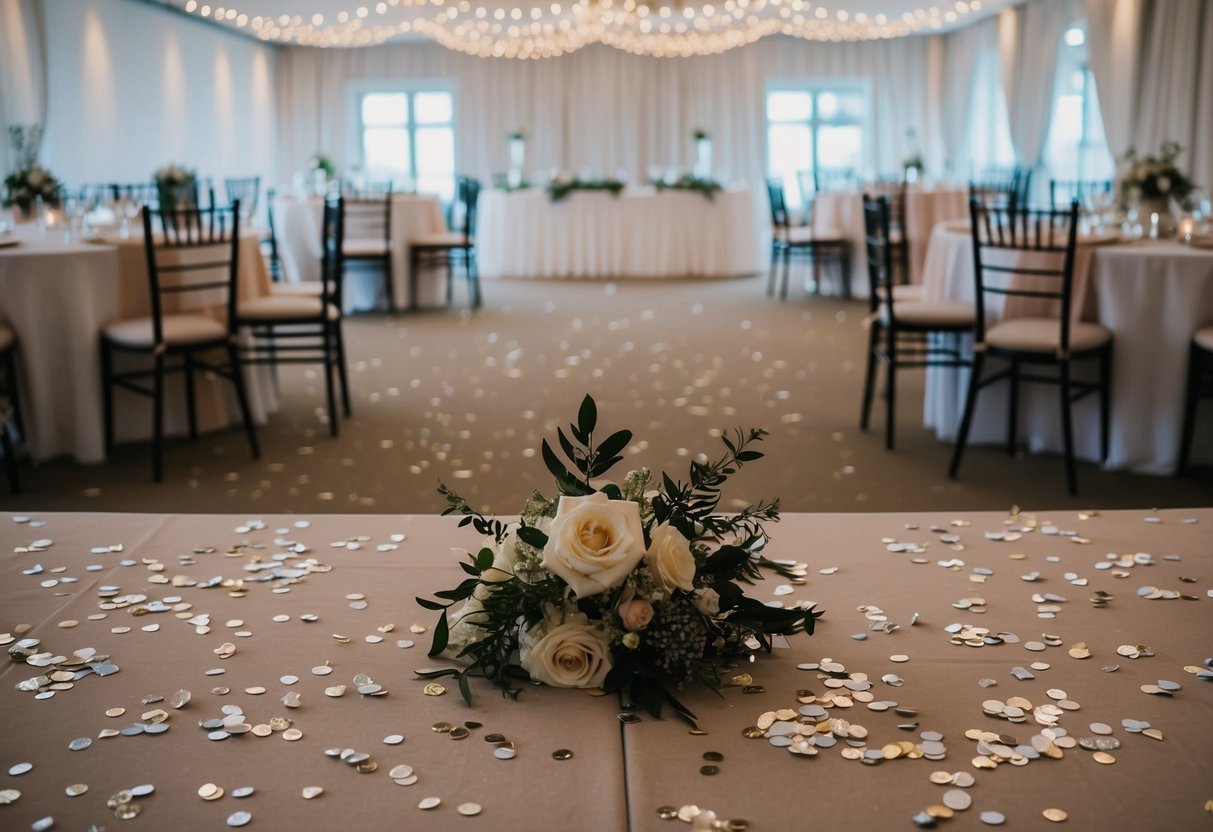
Your wedding day should reflect what you and your partner truly want. If a reception doesn’t fit your style or budget, it’s completely acceptable to forgo it.
Open communication with your guests about your decision can help ease any concerns they may have and encourage understanding.
Consider that not everyone values weddings in the same way. Some cultures may not even expect a reception. Embracing what feels right for you can lead to a more meaningful celebration, regardless of traditional expectations.
Understanding Wedding Receptions
Wedding receptions are special moments for newlyweds to celebrate their union with loved ones. They allow for social interaction, sharing memories, and creating lasting bonds.
Let’s explore the key roles receptions play and how they differ based on size and intimacy.
The Role of a Reception in Wedding Celebrations
A wedding reception follows the ceremony and serves as a gathering of close friends and family. It’s a time when you and your partner can greet guests and thank them for sharing your big day.
Receptions often include food, drinks, and entertainment, providing a festive atmosphere. This celebration allows guests to relax and enjoy each other’s company, fostering connections and sharing joy.
Traditionally, a reception is where couples can share their first dance and share toasts. Each of these moments highlights the love and commitment you’ve made.
Comparing Large Receptions and Intimate Ceremonies
Deciding between a larger reception and a more intimate ceremony really depends on your preferences.
Larger receptions typically accommodate a broader circle of friends, family, and acquaintances. This can lead to a lively party atmosphere, with dancing and numerous activities to keep everyone entertained.
On the other hand, an intimate ceremony focuses on your closest loved ones. This setting can create a more personal and meaningful experience.
With fewer guests, you might have the chance to connect on a deeper level with each person present.
Ultimately, both options offer unique experiences. Whether you lean toward a large celebration or a small gathering, what matters is the love and joy shared on your special day.
Wedding Etiquette and Receptions
When planning a wedding, understanding the etiquette around receptions is essential. Ignoring this aspect can lead to confusion or hurt feelings among guests. Here, we will discuss invitation wording and RSVP expectations to help you navigate this important area.
Invitation Wording and Etiquette
Your invitation sets the tone for your wedding. It is important to clearly state whether or not a reception will follow the ceremony.
A simple phrase like “Reception to follow” or “Join us for a dinner after the ceremony” tells guests what to expect.
If you decide not to have a reception, consider a reception-only invitation. This might read, “You are invited to join us for our wedding reception.” This approach can help manage expectations.
Also, pay attention to the guest list. Make sure to include everyone you want to celebrate with, but consider the space and budget.
This decision helps shape your invitation and creates clarity for your guests.
RSVP Expectations and Guest List Management
RSVPs are a critical part of wedding planning. They help you know how many guests to expect, which influences your food and seating arrangements.
It’s best to include a clear RSVP date on the invitation, so guests know when to respond.
When managing your guest list, keep track of who has responded. You can create a simple table or spreadsheet to organize this information.
Include columns for names, whether they can attend, and any special needs or requests.
Remember that your guests appreciate clear communication. They will feel more comfortable if they know what to expect, whether it’s a big celebration or an intimate gathering. This will help you enjoy your special day with those you love most.
Alternative Options to a Traditional Reception
If you’re considering skipping a traditional wedding reception, there are other ways to celebrate your marriage. You can choose a unique setting or delay the festivities, ensuring your special day feels just right for you.
Destination Weddings Without Receptions
Destination weddings can be an exciting way to tie the knot without the pressure of a reception. You might choose a beautiful beach, a cozy mountain lodge, or a picturesque vineyard.
The key is to focus on an intimate ceremony with your closest friends and family. Instead of a big reception, you can host a small gathering or dinner in a local restaurant.
This approach keeps costs down and creates a memorable experience. With the right invitations, you can let guests know what to expect, allowing them to celebrate together without the traditional reception format.
Organizing a Reception at a Later Date
One option is to have a small ceremony now and plan a reception later. This gives you flexibility and time to organize something special.
You could send out save-the-date notices to friends and family, making it clear that you’ll celebrate later.
When the time comes, consider a small gathering or a fun event that reflects your personality. You might plan a casual brunch, a cocktail party at home, or even an outing that connects with your interests.
This allows you to celebrate your love in a way that feels right for you without the pressure of a full-scale wedding reception.