
Is It Rude Not to RSVP to a Wedding? Understanding the Importance of Responses
Receiving a wedding invitation is an exciting moment, but it also comes with responsibility. When you get invited, there’s an important question to consider: should you RSVP? Not responding to a wedding invitation is considered rude. It leaves the couple to wonder about your attendance and can complicate their planning.
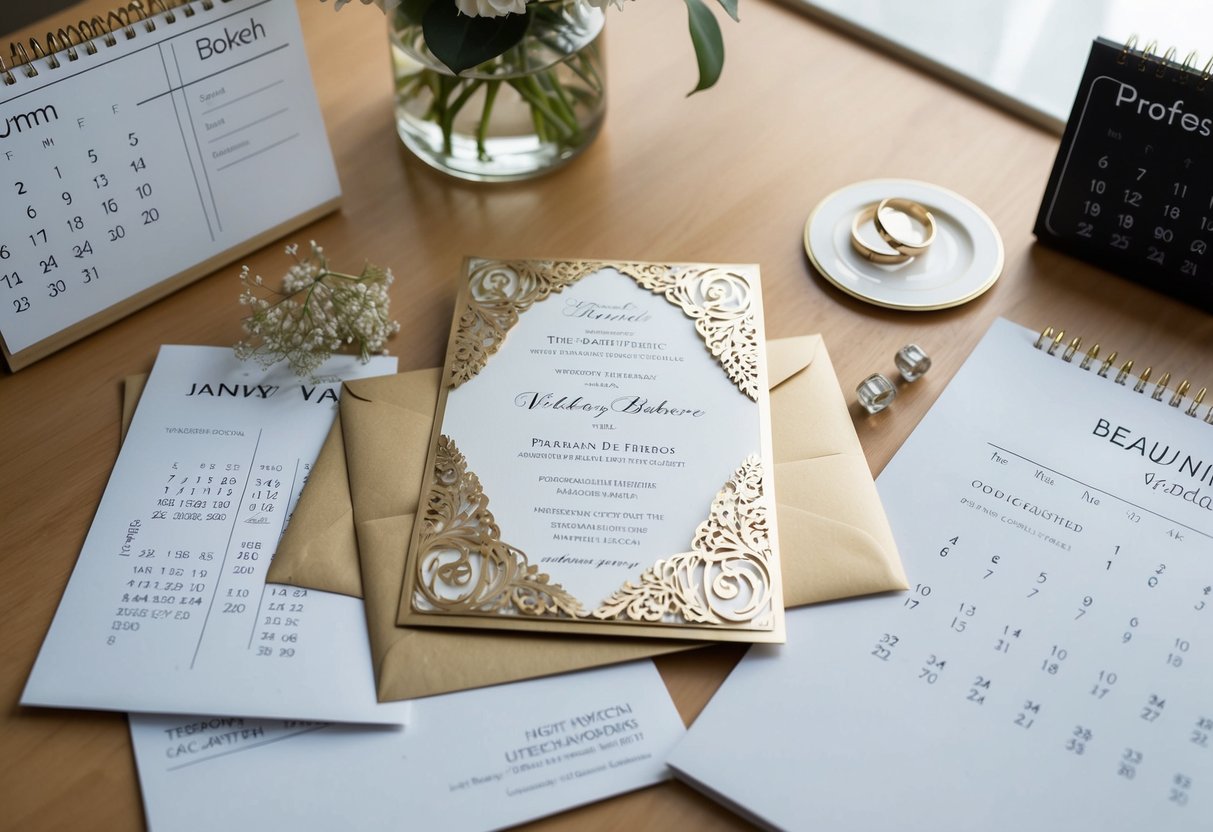
Understanding wedding etiquette is key, especially for events that involve significant costs for the hosts. An RSVP helps the couple finalize their guest list and ensures there’s enough food and seating for everyone. When you don’t reply, it not only affects the couple’s budget but can also impact their stress levels as they prepare for the big day.
If you’re unsure about how to respond, remember that clear communication is always appreciated. Whether you plan to attend or need to decline, letting the couple know your decision can make a big difference.
In this article, we’ll explore the nuances of RSVP etiquette and share tips on how to handle your response gracefully.
The Importance of RSVPing to a Wedding
RSVPing to a wedding is important for several reasons. It helps the couple plan their special day effectively and shows respect for their efforts. Understanding the etiquette surrounding RSVPs can ease the planning process and make sure that your presence is appreciated.
Understanding RSVP Etiquette
When you receive a wedding invitation, responding is a basic courtesy. Make sure to send back your RSVP by the date requested. This is often found on the invitation itself. By doing so, you allow the couple to manage their budget and finalize the guest list.
Your RSVP also helps determine the headcount, which is vital for the caterer. Accurate numbers ensure that everyone gets enough food and drinks. Plus, it helps with seating arrangements, so the couple can arrange a comfortable space for guests.
Impact on Wedding Planning
When you RSVP, you directly influence the wedding planning process. Couples often have to make quick decisions based on the responses they get. If many guests decline, they may choose a smaller venue.
On the other hand, if most guests confirm, the couple might need to order more food or rearrange seating plans. Your response helps avoid unnecessary stress for the wedding planner, allowing for smoother preparation.
Respecting the Couple’s Efforts
Weddings are a labor of love, filled with planning and details. Not responding can be seen as disrespectful to the effort that the couple has put in. Every RSVP helps them feel supported and appreciated.
If you cannot attend, let them know politely. Your thoughtful response shows that you care about their big day. It also allows them to focus on the guests who can join, making it a joy for everyone involved.
How to Responsibly RSVP
When you receive a wedding invitation, it’s important to respond thoughtfully. This helps the couple plan their big day and shows respect for their efforts. Here’s how to navigate RSVPs with care.
Responding to Wedding Invitations
When you get a wedding invitation, check for the RSVP deadline. This date is crucial for the couple’s planning. It gives them a headcount for food and seating.
When responding, do it as soon as you can. If you plan to attend, send your RSVP back promptly. If you can’t attend, let them know quickly too. This way, they can make any necessary adjustments.
Always be courteous in your response. You might say something like, “Thank you for inviting me; I’m excited to celebrate!” This keeps the tone friendly and respectful.
Dealing with Prior Commitments
Sometimes life gets busy, and you may have prior commitments on the wedding date. If that’s the case, it’s vital to inform the couple as soon as possible.
Consider if you can rearrange your commitments. If not, explain your situation briefly in your RSVP. A simple note such as, “I have a prior engagement but wish you both the best,” shows your sincerity.
Respect their planning by being honest. Couples appreciate clear communication, and this keeps your personal relationship strong despite not attending.
Legitimate Reasons for Not Attending
It’s natural to have reasons for missing a wedding. Some legitimate reasons include travel conflicts, family emergencies, or health issues. If you have a valid reason, it’s best to communicate this.
You don’t have to go into great detail. A polite message expressing your situation suffices. For example, “I am unable to attend due to a family obligation, but I wish you a lovely day.”
Being honest fosters understanding. It shows that you care about your relationship with the couple, even if you can’t be there.
Consequences of Not RSVPing
Not RSVPing to a wedding can lead to several unexpected issues, both for the couple getting married and for your own relationships. There are specific costs and logistical problems that can arise, alongside the impact on personal connections. Here’s what you need to know.
Additional Costs Incurred
When you don’t RSVP, the couple may face extra costs. Many venues and caterers charge based on the number of guests. If you show up without responding, they might not have accounted for you, resulting in added expenses for food, drinks, and seating.
This unexpected expense can be significant, especially for couples on a tight budget. Additionally, if they had to pay for an estimated number of guests that included you, it could lead to wasted resources. Always remember to respond to help them stay on track financially.
Disruption of Seating and Catering Plans
A lack of response creates chaos with seating arrangements. Couples and planners spend hours organizing where everyone will sit to ensure comfort and good conversations. If you arrive unexpectedly, it can disrupt these arrangements, forcing the couple to make quick adjustments.
The caterer also relies on headcounts to prepare the right amount of food. An unplanned guest means they might run out of meals, leaving you and others disappointed. Such disruptions complicate the day’s schedule and can stress out everyone involved.
Effect on Personal Relationships
Not RSVPing can strain your personal relationships. It may come across as inconsiderate to the couple who invited you. This can lead to resentment or hurt feelings.
If it becomes a pattern, others may view you as unreliable or disrespectful of their time and plans. Good wedding etiquette includes honoring your commitments.
Your response helps maintain trust and respect, which are crucial for lasting friendships.