
Is It Rude Not to RSVP? Understanding the Importance of Responding to Invitations
When you receive an invitation, responding may feel like a small task, but it carries more weight than you might think. Ignoring an RSVP is often seen as inconsiderate. Many people think it’s rude not to RSVP, as it leaves hosts unsure about how many guests to expect.
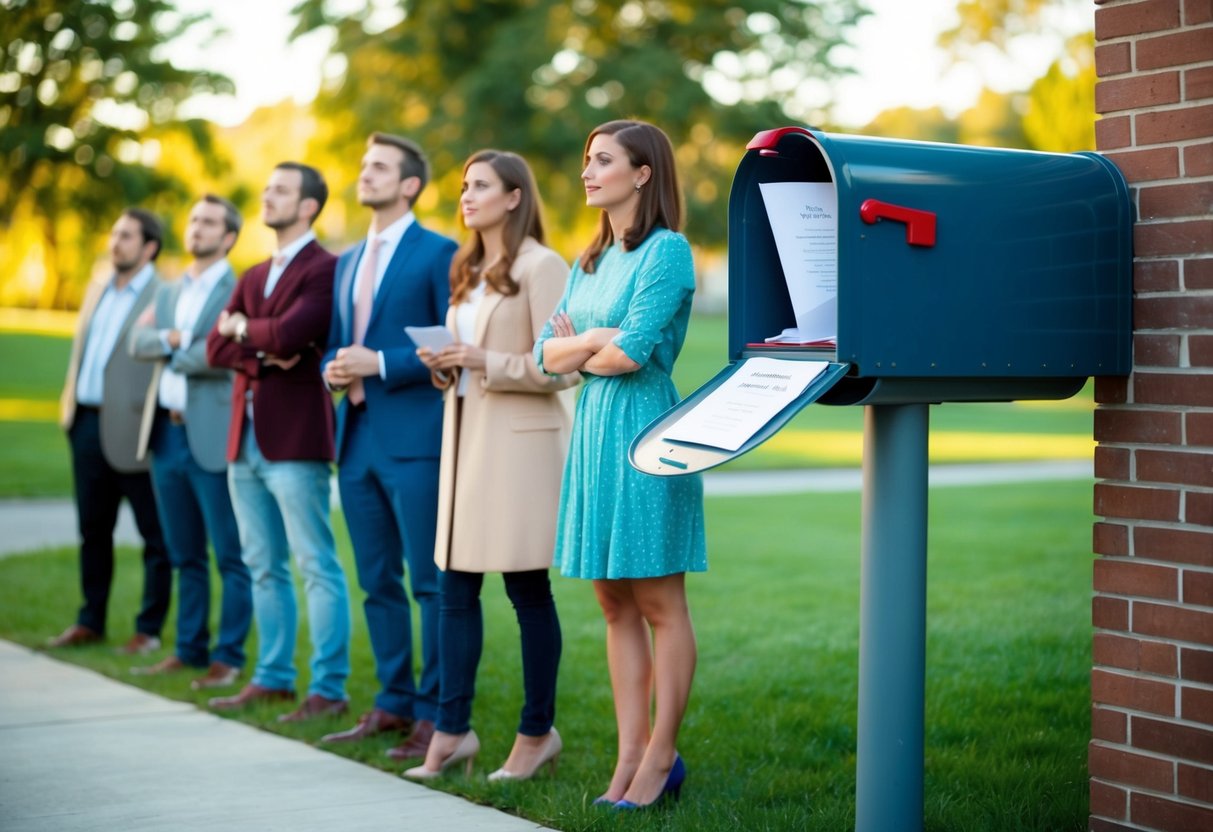
Not responding can create frustration for the person planning the event, especially if they are trying to finalize arrangements. You might think that waiting until the last minute is harmless, but it can actually affect the whole gathering. Understanding the impact of your response can help foster better relationships with friends and family.
By taking a moment to respond, you show respect for the host’s efforts and contribute to a smoother event. In the following sections, we’ll explore the reasons behind the importance of RSVPing and how it can enhance your social interactions.
Understanding RSVP Etiquette
RSVP etiquette is all about showing respect and consideration for hosts by responding to invitations. Knowing the history, importance, and modern practices of RSVPs can help you navigate social events better.
History of RSVP
The term “RSVP” comes from the French phrase “Répondez s’il vous plaît,” meaning “Please respond.” This practice dates back to the 18th century. It was a way for hosts to plan events based on guest attendance.
Originally, RSVP was essential for formal gatherings, where hosts managed limited resources. Since then, it has evolved but remains important in maintaining good manners. Understanding this history helps you appreciate why responding to invitations matters.
The Importance of RSVPs
Responding to an invitation is vital for the host. They depend on your reply to make arrangements, like seating, food, and other logistics. It’s not just a formality; your response impacts their planning.
If you fail to respond, it can create confusion and extra stress for the host. This consideration also reflects good manners and respect for people’s time and efforts. Make it a habit to respond promptly, even if you need to decline the invitation.
RSVP and Modern Invitations
In today’s digital age, invitations can arrive via email or social media, but the RSVP concept remains the same. Many hosts still include RSVP details, often with a specific deadline. Ignoring this request can be seen as inconsiderate.
With so many ways to communicate, make an effort to respond in a timely manner. This shows your appreciation and helps maintain a positive social atmosphere. When in doubt, respond quickly to ensure smooth planning for everyone involved.
The Impact of Not RSVPing
Not RSVPing can create challenges for hosts and may lead to miscommunication. Understanding these impacts helps highlight the importance of letting hosts know whether you will attend their events. Here are some key aspects to consider.
Effects on Planning and Hosting
When you don’t RSVP, it leaves the host guessing about how many people will show up. This uncertainty affects planning in many ways.
For example, if it’s a wedding or baby shower, the host needs to finalize the guest list for seating arrangements, catering, and even decorations.
Hosts usually rely on accurate headcounts. Missing responses can lead to extra expenses or not enough food. This can cause stress and frustration for someone who just wants to throw a great party.
Potential Misunderstandings
Not replying can lead to misunderstandings between you and the host. They may think you don’t care enough to respond.
This might affect your relationship with them. For instance, if you were supposed to attend a friend’s birthday party but did not RSVP, they might feel hurt or overlooked.
It’s possible that they make assumptions about your friendship or future invitations. Open communication is key in maintaining strong relationships.
Consequences for No-Shows
The consequences of being a no-show after RSVPing can be significant. For hosts, it can feel disrespectful to plan for someone who doesn’t show up.
At weddings or large events, this can impact the budget. For example, if the host planned for 100 people, but only 80 came, that means wasted food and unfilled seats.
For you, being a no-show can also harm your reputation as a reliable friend. People remember those who don’t honor their commitments, which may affect future invitations.
It’s best to communicate promptly if you can’t make it to give the host a chance to adjust.
Proper Ways to RSVP
Knowing how to RSVP correctly helps you communicate effectively and shows respect for the host. Proper responses set clear expectations and help with planning, whether it’s a formal gathering or a casual get-together.
Responding to Formal Invitations
When you receive a formal invitation, it’s crucial to respond promptly and clearly. Make sure to reply by the specified RSVP date. This helps the host plan the head count accurately.
You can respond either with a handwritten note or a phone call, depending on the invitation style. If the invitation includes an RSVP card, fill it out and return it as soon as possible. Always mention whether you will attend and bring any guests you’re allowed to invite.
If your plans change after RSVP-ing, reach out to the host to let them know. This keeps communication open and allows them to adjust their plans accordingly.
RSVPing to Casual Events
Casual events, like a backyard barbecue, usually allow for more relaxed responses. Even so, it’s polite to let the host know if you’ll be attending. A quick text or call is often enough.
Be sure to let the host know how many people you’ll bring along. This helps them prepare the right amount of food and drinks. If you decline the invitation, it’s still nice to express your good intentions for wanting to attend.
Remember, even in casual settings, your response helps build a good relationship with the host.
Communicating Special Circumstances
If you have special circumstances, such as dietary restrictions or scheduling conflicts, make sure to communicate these clearly in your RSVP. This will ensure the host can accommodate your needs or understand any potential challenges.
Mention any important details that could impact your attendance, like needing to leave early. If you must decline the invitation, a simple note expressing your regrets is appreciated.
By being open about your situation, you show consideration for the host’s efforts while maintaining good communication. This helps them plan better and keeps the spirit of the invite alive.