
Is It Rude to Ask Bridesmaids to Pay for Bridal Shower? Exploring Expectations and Etiquette
Planning a bridal shower can be both exciting and a bit tricky, especially when it comes to finances. It is generally considered acceptable to ask bridesmaids to help pay for a bridal shower, but how you phrase the request matters.
Understanding the traditions surrounding these events can help ease any tension and ensure everyone feels comfortable.
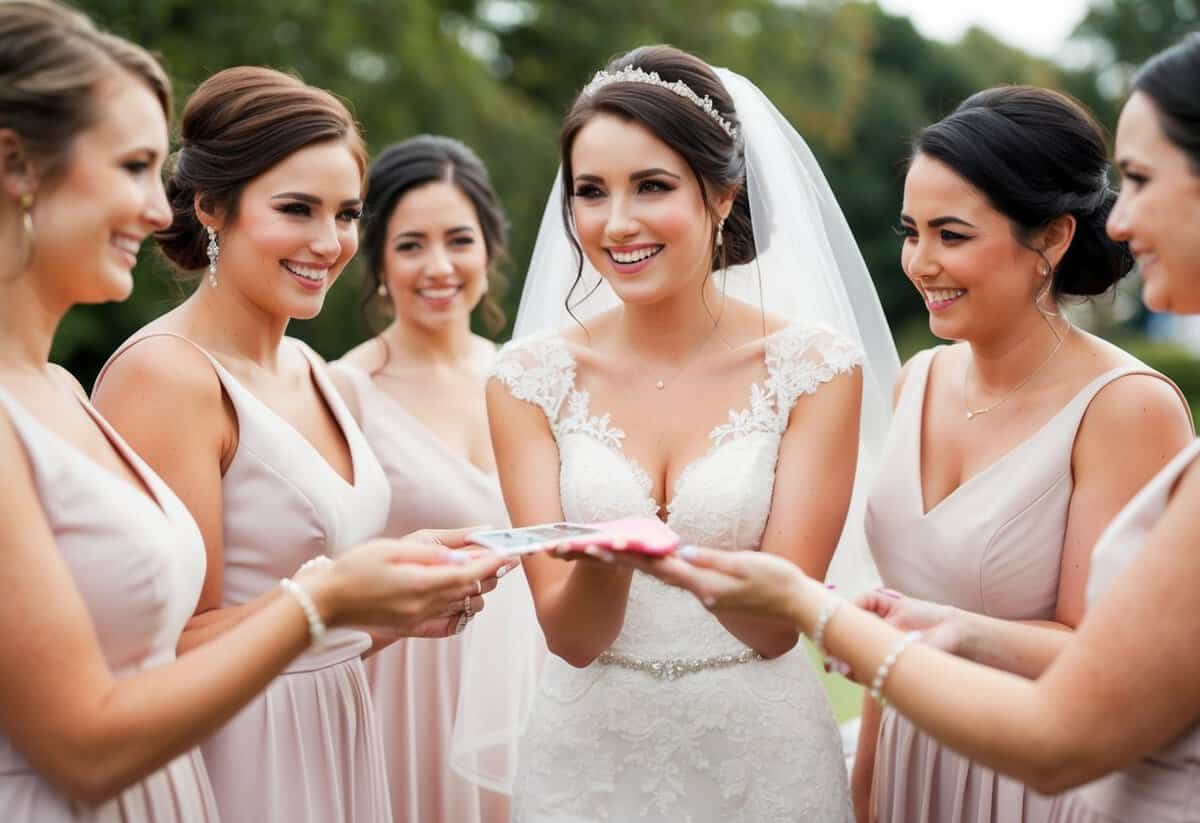
Asking your bridesmaids for financial support can feel awkward, but remember that most of them want to contribute to your special day. Open communication is key.
By discussing expectations and preferences openly, you can create a positive atmosphere that keeps everyone on the same page.
If you’re wondering how to approach this topic with your bridal party, you’re not alone. Many brides face similar questions.
Keeping your friends’ emotions and financial situations in mind while discussing costs can help you navigate this delicate topic.
Understanding Bridal Shower Basics
Bridal showers are special events that celebrate the bride-to-be before her wedding. They come with traditions and roles that shape how the event is organized. Knowing these can help you understand expectations during this occasion.
Historical Context and Modern Evolution
The bridal shower tradition dates back to the late 19th century in the United States. Originally, the purpose was to help brides without enough dowry. Friends and family would bring gifts to support her new life.
Today, a bridal shower is a festive gathering, often hosted by the bridesmaids or close friends. It usually includes games, food, and gifts. While the customs have evolved, the underlying theme of support and celebration remains.
Modern bridal showers can vary widely. Some include themes, while others focus on simple gatherings. Usually, the bride’s preferences shape the type of celebration.
Roles and Responsibilities within the Wedding Party
In a bridal shower, the maid of honor often has the leading role. She coordinates with the bridesmaids to plan the event. This includes setting the date, location, and budget.
Bridesmaids may also assist in organizing activities and inviting guests.
It’s important to communicate openly about who can contribute financially.
Traditionally, the host covers most costs, but some bridesmaids may offer to help. This arrangement should be based on mutual agreement and understanding among the bridal party.
Remember that clear communication can make planning smoother. Discussing contributions early can prevent misunderstandings. Each member’s comfort level matters, ensuring a joyful celebration for everyone involved.
Navigating Bridal Shower Etiquette
Understanding bridal shower etiquette is essential for maintaining harmony among friends and family. Knowing who typically pays for the bridal shower and how bridesmaids can contribute will ensure a smooth planning process.
Who Traditionally Pays for the Bridal Shower?
Traditionally, the bridal shower is hosted by the maid of honor, matron of honor, or close friends of the bride. The host usually covers most of the expenses, such as the location, food, and decor.
It’s a kind gesture to consult with the bride about her preferences and budget.
While some costs may fall on the host, contributions from bridesmaids are common and can help ease the financial burden. You might split costs evenly or designate specific responsibilities, which keeps expectations clear.
If you’re the bride, remember that your guests often expect to bring a gift. Sharing your gift registry ahead of time helps guide them in choosing the right presents.
The Etiquette of Bridesmaids’ Contributions
When discussing contributions, it’s crucial to approach the topic with sensitivity. You want your bridesmaids to feel valued, not pressured. Asking for help can be appropriate if done tactfully.
Consider having a chat with your bridesmaids about cost-sharing early in the planning. This allows everyone to express their comfort levels and preferences.
It’s also helpful to be clear about what each bridesmaid will handle, whether it’s coordinating with vendors or organizing activities.
If a bridesmaid expresses concern about expenses, listen to her feelings. You might want to consider alternative options, like a potluck-style shower or a more casual gathering, which can be cost-effective and still celebratory.
Planning and Budget Considerations
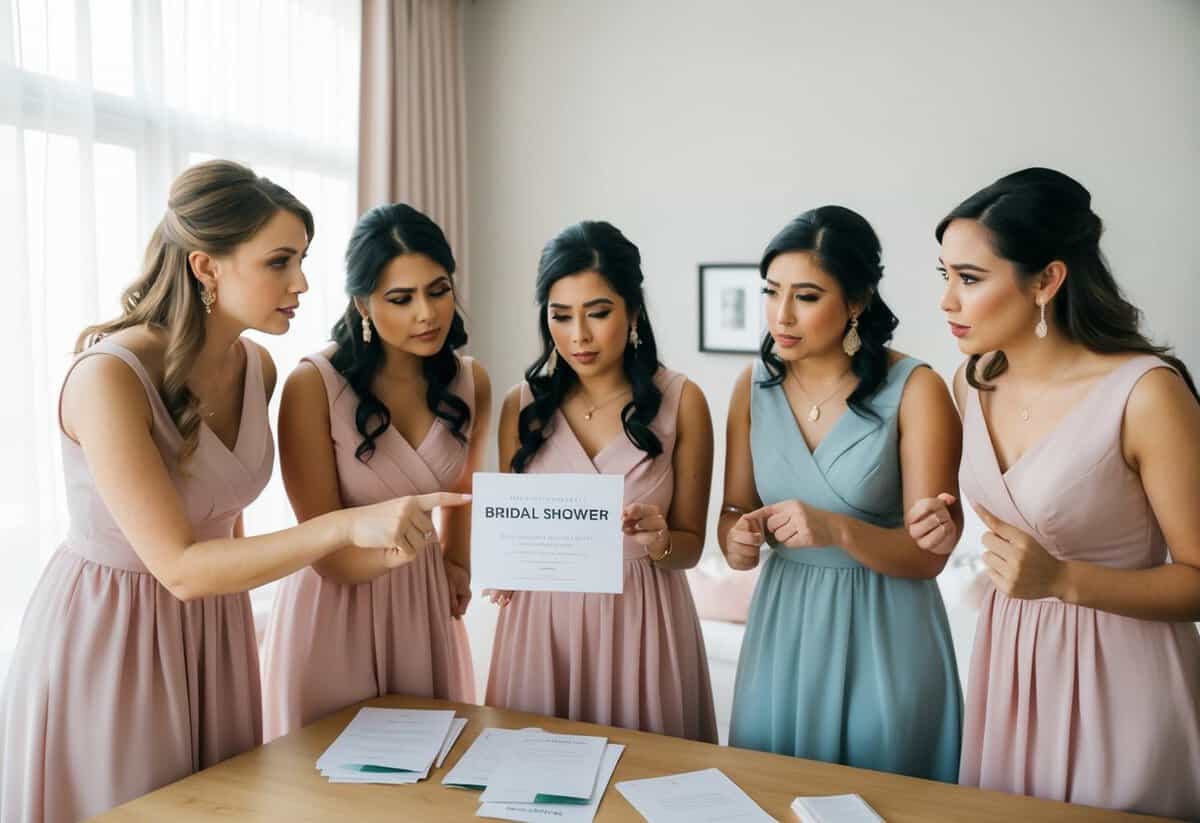
When planning a bridal shower, having a clear budget is key to making it a success. You’ll want to consider all costs involved and find ways to save while still creating a memorable experience. Here are some important points to think about.
Creating a Bridal Shower Budget
Start by listing all possible expenses for the bridal shower. Common costs include:
- Venue rental
- Food and drinks
- Decorations
- Invitations
- Party favors
After listing, set a total budget. It helps to break this down by category, so you know how much to allocate to each item.
For example, you might budget:
- Venue: $200
- Food: $300
- Decorations: $100
Keep in mind that expenses can add up quickly, so it’s wise to keep track of all costs throughout the planning process. This ensures that you stay within your budget.
Cost-Saving Tips for a Memorable Celebration
You can create a beautiful bridal shower without overspending. Here are some cost-saving tips:
- Potluck Style: Ask guests to bring a dish. This reduces food costs.
- DIY Decorations: Use items you already have or create your own, which adds a personal touch.
- Digital Invitations: Save on printing and postage by sending e-invites.
Another effective way to save money is by choosing a free or low-cost venue. Hosting the shower at someone’s home or a local park can make a big difference in your overall budget, allowing more funds for other aspects.
Bridesmaids’ Expenses: Dresses, Travel, and More
While bridesmaids aim to support you, they also face costs. Discuss expectations early on to avoid surprises.
Key expenses for bridesmaids may include:
- Dresses: A standard dress might cost around $180.
- Shoes: Consideration for matching shoes is important, which can add to their budget.
- Travel: If the shower is far away, you might discuss covering some travel costs, especially if it’s a destination event.
Letting bridesmaids know what to expect regarding expenses can help. Open communication ensures everyone is on the same page and feels comfortable with their commitments.
Fostering Communication and Support
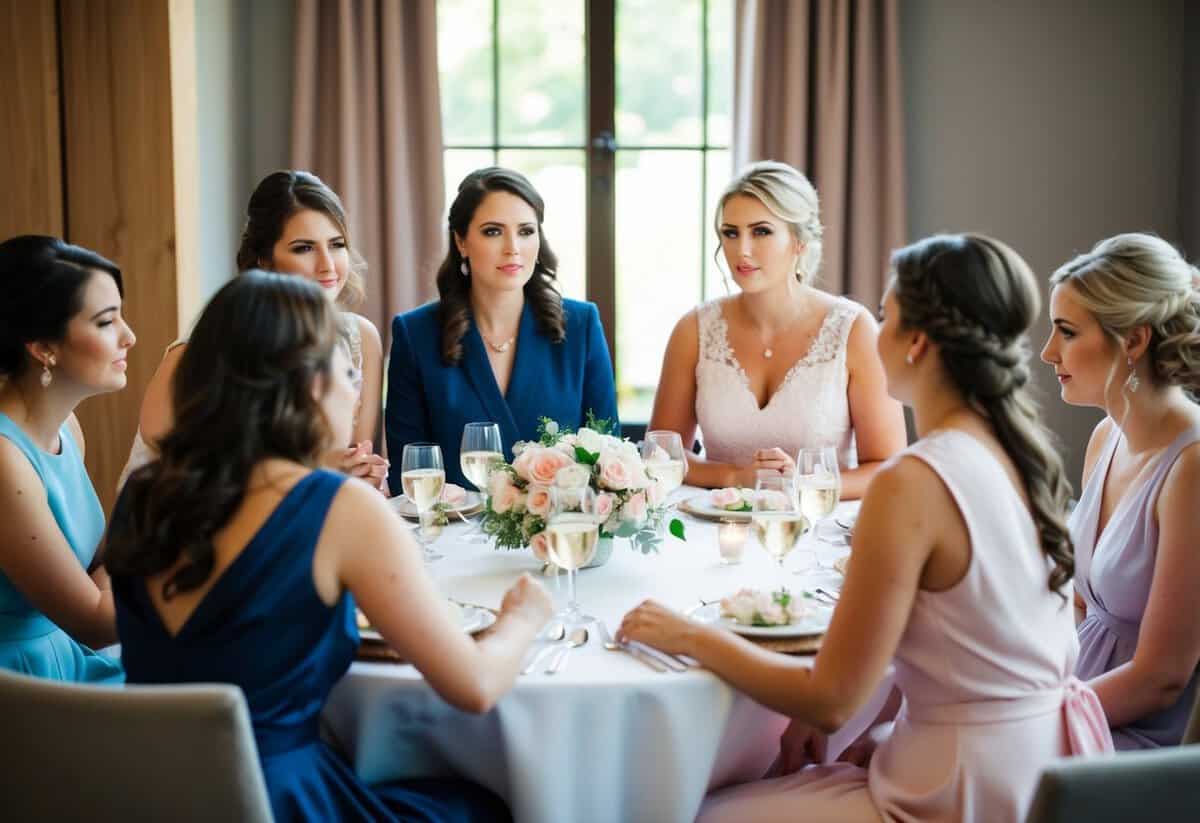
Maintaining open communication with your bridesmaids and family during this special time can strengthen your relationships. Addressing any concerns and expressing gratitude can make everyone feel valued and involved in the wedding journey.
Effective Communication with Bridesmaids and Family
To foster good communication, start by sharing your feelings and expectations.
If you’re considering asking bridesmaids to help financially with the bridal shower, be open about your thoughts.
You might say something like, “I want this to be a memorable event, and I could use your help.” This shows your intention is to create a lovely atmosphere together.
Encourage your bridesmaids to share their thoughts too. Listen to their concerns and suggestions. This two-way conversation builds trust and ensures everyone feels included.
Remember, your mother or sister can also be great allies. Involving them might lighten the load and promote teamwork.
Appreciating Love and Support in the Wedding Journey
Gratitude is a simple yet powerful way to acknowledge the support you receive. Take the time to appreciate your bridesmaids and family members for their help, big or small.
A quick thank-you text or a heartfelt note can go a long way. Let them know how much their support means to you. You might say, “I am so thankful to have you by my side. Your help is invaluable.” This heartfelt acknowledgment encourages a positive atmosphere.
As you navigate through planning, expressing love and support for one another strengthens your bond. Celebrate each small win together, whether it’s choosing a venue or picking out decorations.
The journey becomes more enjoyable when you all work together, keeping communication open and supportive.