
Is It Rude to Ask Wedding Guests to Pay for Dinner? Navigating Guest Expectations with Grace
Weddings can bring up many questions about guest expectations and etiquette. You may wonder if asking your wedding guests to pay for their own dinner is appropriate. Generally, asking guests to pay for their own meal at a traditional wedding is considered rude. It can leave some guests feeling surprised or uncomfortable.

In today’s world, the rules around weddings are changing, but the core idea remains that weddings are about celebrating with family and friends. Many people feel that the couple should cover the costs as a sign of gratitude for their guests’ support and love. Whether you are on a tight budget or trying to keep things simple, understanding the expectations can help you plan a memorable celebration without any awkwardness.
Navigating this topic takes thoughtfulness. You can find ways to make your wedding budget-friendly, such as offering a more casual meal option. It’s essential to create an inviting atmosphere where everyone feels welcome, instead of burdening them with costs.
Understanding Wedding Etiquette
Knowing wedding etiquette helps you make thoughtful choices while planning your big day. Understanding how costs have been handled in the past and how they are changing now can guide you in your decisions.
Historical Context of Wedding Costs
Traditionally, the family of the bride often covered most wedding expenses. This included the venue, food, and other important elements. Guests typically felt expected to come as honored attendees rather than contributors.
In many cultures, not paying for their meal was a common norm. Family pride played a big role, making the bride’s family responsible for hosting guests. This created a clear line regarding finances, where the focus was on celebrating love, not money.
Modern Shifts in Wedding Expenses
In today’s world, wedding expenses have seen a shift due to various factors. Trends show that couples are now more open to asking guests to contribute. Some may suggest potluck-style receptions, where friends bring dishes. Others might even request contributions for specific items like meals.
Cultural norms are evolving, allowing couples to express their financial situations more honestly. This openness can help guests understand and perhaps even assist in some costs. By having a discussion about expectations early on, you can find a balance between courtesy and practicality that suits your particular situation.
Invitations and Expectations
Setting the right tone with your wedding invitations is essential for communicating your plans. Clear wording helps to manage how guests understand their roles, especially regarding meal costs. You want to make sure everyone feels comfortable and informed.
Decoding the Wedding Invitation
When creating your wedding invitation, it’s important to be clear about what guests can expect. If you’re considering asking them to pay for their dinner, include that information directly.
For example, you might write something like, “Your presence is cherished, and we kindly ask you to contribute toward your meal.” This direct approach can help reduce confusion.
Consider using a wedding website as an additional tool. You can elaborate on your invitation details there, such as meal options and payment expectations. This gives guests a place to find more information easily.
Communicating Clear Expectations
Managing RSVPs effectively is vital. Make sure to provide a way for guests to respond about their meal choice and payment. You might opt for a simple checklist on your invitation, like this:
- Please bring your favorite dish.
- Contribute towards a buffet.
This clarity helps guests understand what is required of them. If using a wedding website, include an FAQ section to address common concerns about costs.
Being upfront about meal costs can help guests prepare. While some may be surprised, you’ll find that clear communication helps everyone feel more comfortable about the arrangements.
The Cost of Attending a Wedding
Attending a wedding can involve more than just your meal. It often includes several expenses that add up quickly. Understanding these costs can help you plan better for the big day.
Guest Expenses Beyond the Meal
When you attend a wedding, you should consider costs like travel, accommodation, and attire.
Depending on the wedding location, you might need to buy a new outfit. A nice dress or suit can be an expense.
You may also have to travel, which can include gas or airfare. If you’re coming from out of town, hotel stays can add to the budget. Don’t forget about a wedding gift, which is typically expected. Many guests choose to spend around $50 to $150 on a present.
Plus, if the couple opts for a cash bar, you could spend extra on drinks. Weddings can be fun, but these costs can add up, so it’s good to budget ahead.
Alternative Ways to Offset Guest Costs
Many couples think about ways to reduce expenses for their guests. One popular option is to include a rehearsal dinner. This event is often hosted by the couple’s family and can help guests get to know each other better.
To alleviate the financial burden, consider offering a meal that doesn’t require a significant guest payment. Instead of asking guests to pay for their meal, the couple can provide it as a gesture of hospitality.
Some couples choose to have an open bar instead of a cash bar to avoid guests paying for drinks. This creates a more welcoming atmosphere. Additionally, you can look for local options that provide more budget-friendly dining choices. Engaging in conversations about costs can also help clarify expectations and ease any worries.
Navigating Financial Contributions
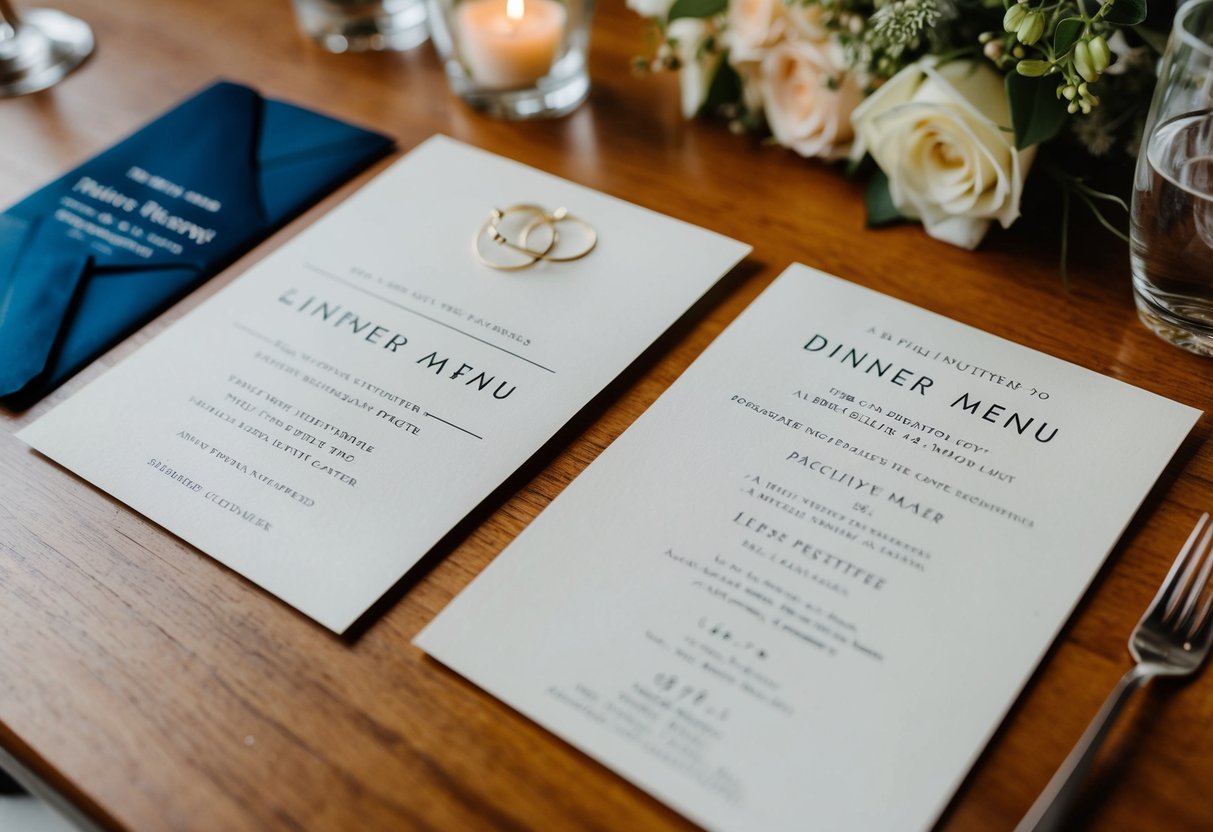
Deciding who pays for meals and drinks at weddings can be tricky. Understanding the etiquette around these contributions will help you make choices that suit your budget while being considerate of your guests.
Etiquette Surrounding Cash Bars and Self-funded Meals
When it comes to drinks, many couples opt for a cash bar. This means guests pay for their own drinks. It can help lower your wedding costs, but be mindful of your guests’ feelings. Some may see it as a burden, especially if they’ve already spent on travel and gifts.
If you choose a self-funded meal, be clear in your invitations. A buffet-style meal can be a good option. It allows guests to pay for their own plates. Just remember that communication is key. Letting guests know ahead of time can prevent surprises.
When Guests May Be Asked to Contribute
If your wedding budget is tight, you might have to ask guests to chip in. This is often seen in smaller, more casual ceremonies. Many will understand if you explain the situation.
Consider using phrases like, “We invite you to celebrate with us, and to help with the meal costs, we ask for a small contribution.” This makes the request feel more inclusive. Aim for transparency, as it helps guests feel valued rather than burdened.
Make sure to keep in mind cultural norms and your guests’ expectations. Each wedding is unique, so tailor your approach to fit your style while keeping the guest experience in mind.