
Is It Rude to Ask Wedding Photographer for Unedited Photos? Understanding Photographer’s Perspective
Asking your wedding photographer for unedited photos can be a tricky topic. Many couples are curious if it’s appropriate to request these images, especially when they want to see every moment captured. However, it’s generally considered rude to ask for unedited photos, as these images are not representative of the photographer’s final work.
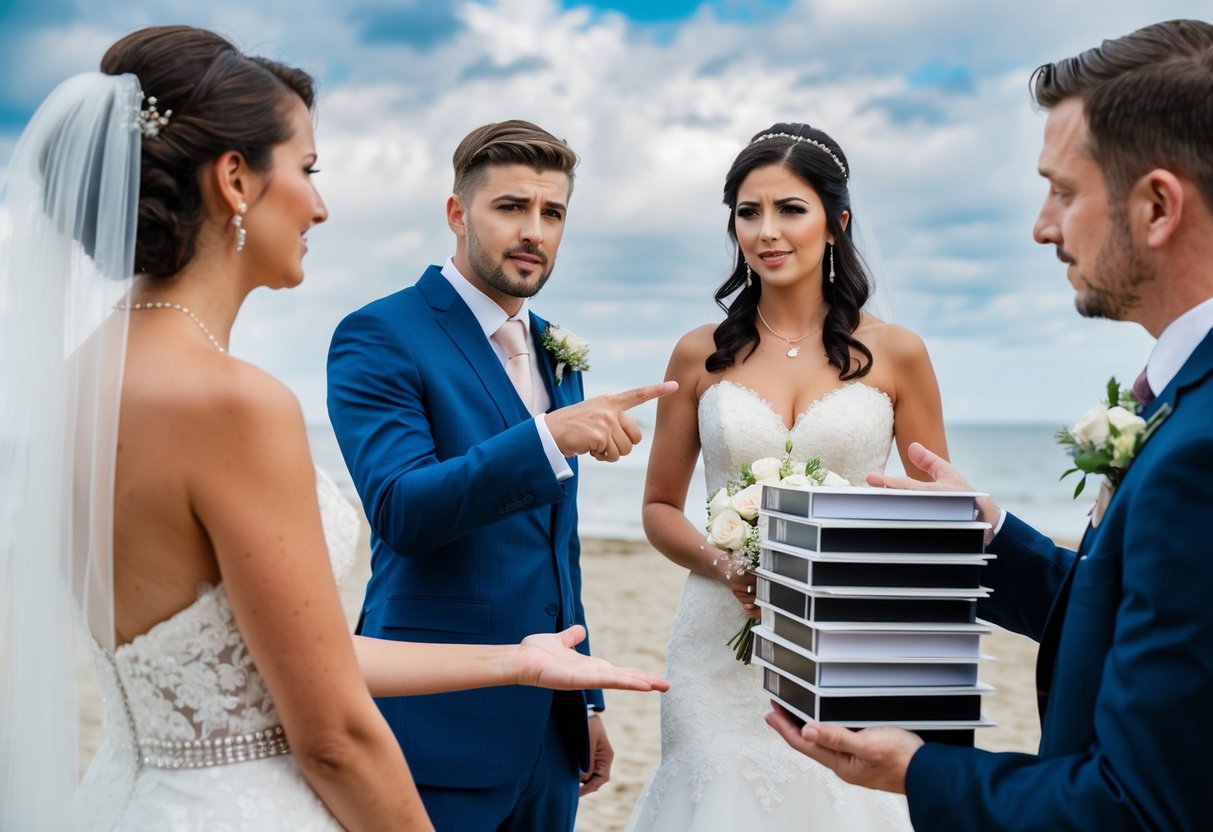
When you hire a photographer, you are paying for their skills, creativity, and the editing process that turns raw images into beautiful memories. Unedited photos often lack the polish and artistry that make wedding photos special.
By understanding the workload and effort involved, you can appreciate the value of the final product.
If you’re unsure about what to ask for, consider discussing your preferences and expectations with your photographer upfront. This conversation can help you feel at ease and ensure that you’re both on the same page about capturing your big day in the best light.
Understanding Wedding Photography
Wedding photography involves capturing special moments and emotions throughout your big day. A professional photographer brings skill and creativity to ensure these memories are preserved in a meaningful way. Let’s explore the details of unedited photos and their role in this art form.
The Role of a Professional Wedding Photographer
A professional wedding photographer does more than just take pictures. They bring experience, technical know-how, and an artistic style to storytelling. Your photographer plans ahead, scouting locations and discussing your vision to capture your personality and preferences.
During the event, they anticipate moments that matter, ensuring nothing is missed. After the wedding, they don’t just hand over the raw files. Instead, they carefully select and edit images to create a cohesive collection that reflects your day and their artistic vision.
What Are Unedited Photos
Unedited photos refer to images that have not gone through the editing process. These can be raw and unprocessed, lacking adjustments in color, lighting, or cropping. When you see these images, they may not represent the final quality of the photographer’s work.
You might feel tempted to ask for unedited photos thinking they capture everything. However, these images often don’t reflect the polished, professional look that wedding photography aims to deliver. You hired a photographer because you liked their style, which comes out during the editing phase.
Raw Files Vs. JPEG Images
When photographers shoot, they typically use RAW files or JPEG images. RAW files contain all the data from the camera sensor and offer more editing flexibility. In contrast, JPEG images are processed and compressed, making them smaller and easier to share.
Asking for RAW files means you’re asking for images that require extensive work to make them presentable. These files might not match the quality you’re expecting. A good photographer prefers to provide JPEGs that showcase their editing skills, ensuring the final product meets your standards.
The Editing Process
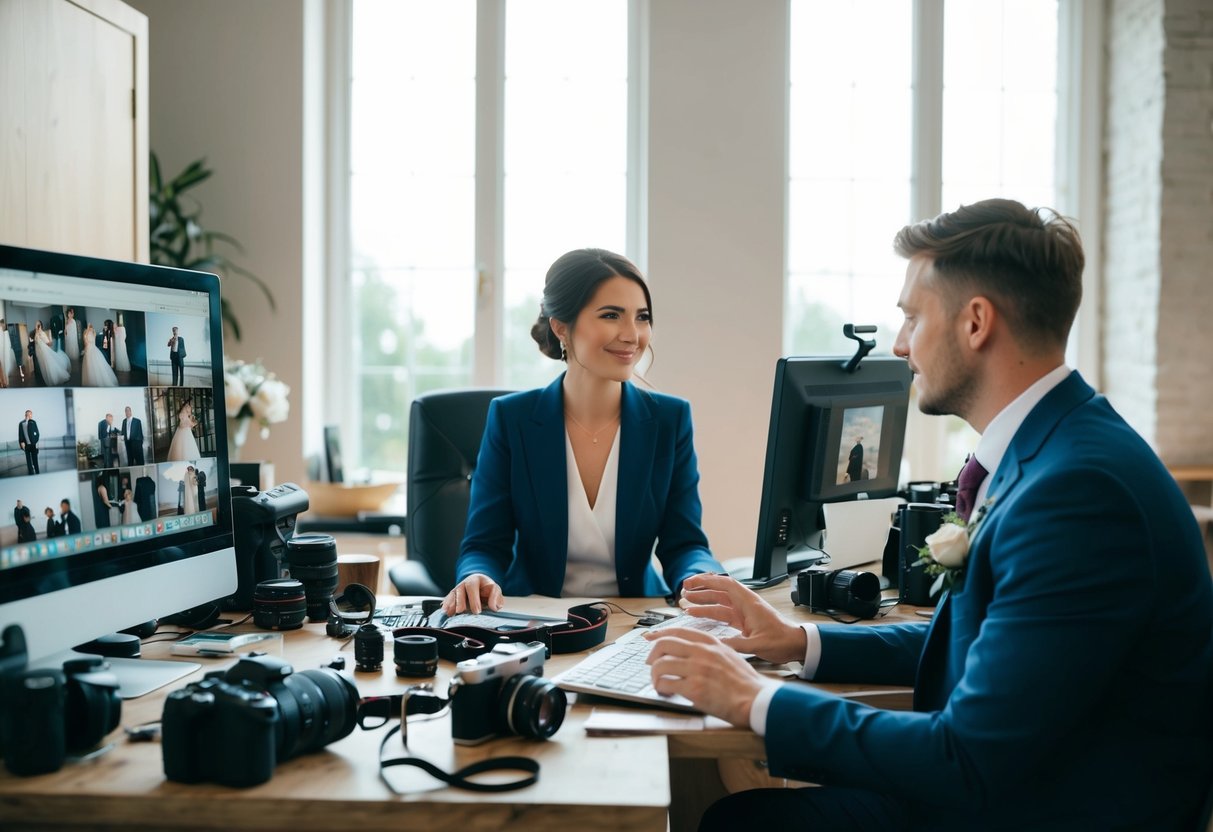
Editing is a crucial part of photography that transforms raw images into stunning visuals. This process involves enhancing various elements to reflect the photographer’s artistic vision and meet client expectations. Here’s a closer look at the key aspects of photo editing.
Importance of Post-Processing
Post-processing is essential because it refines your images and brings them to life. Professional photographers use this time to correct issues like exposure and white balance, ensuring that colors look natural and vibrant.
By adjusting these aspects, you create images that align with the overall feel of the event. A well-edited photo can evoke emotions and capture the beauty of the moment. Clients choose photographers based on their specific editing styles, so this process is vital for satisfying their vision.
Common Editing Techniques
Several techniques are key in photo editing. Cropping helps to improve composition by removing distractions from the edges. Adjusting exposure enhances brightness and contrast to make details pop. Meanwhile, white balance correction ensures that colors appear true to life.
Photographers also apply filters or presets to achieve a particular mood. Each technique plays a role in creating a coherent and appealing final product. These adjustments elevate the raw images into beautiful memories that you’ll cherish for years.
Before and After Images
Seeing before and after images helps you understand the impact of editing. The “before” photos often look flat and may have flaws, such as poor lighting or awkward angles. The “after” images, however, showcase vibrant colors and sharp details, thanks to thoughtful editing.
These transformations highlight the photographer’s skill in turning ordinary shots into extraordinary artwork. Viewing these comparisons can help you communicate your preferences to your photographer, making sure your final images align with your vision.
Protocol and Etiquette
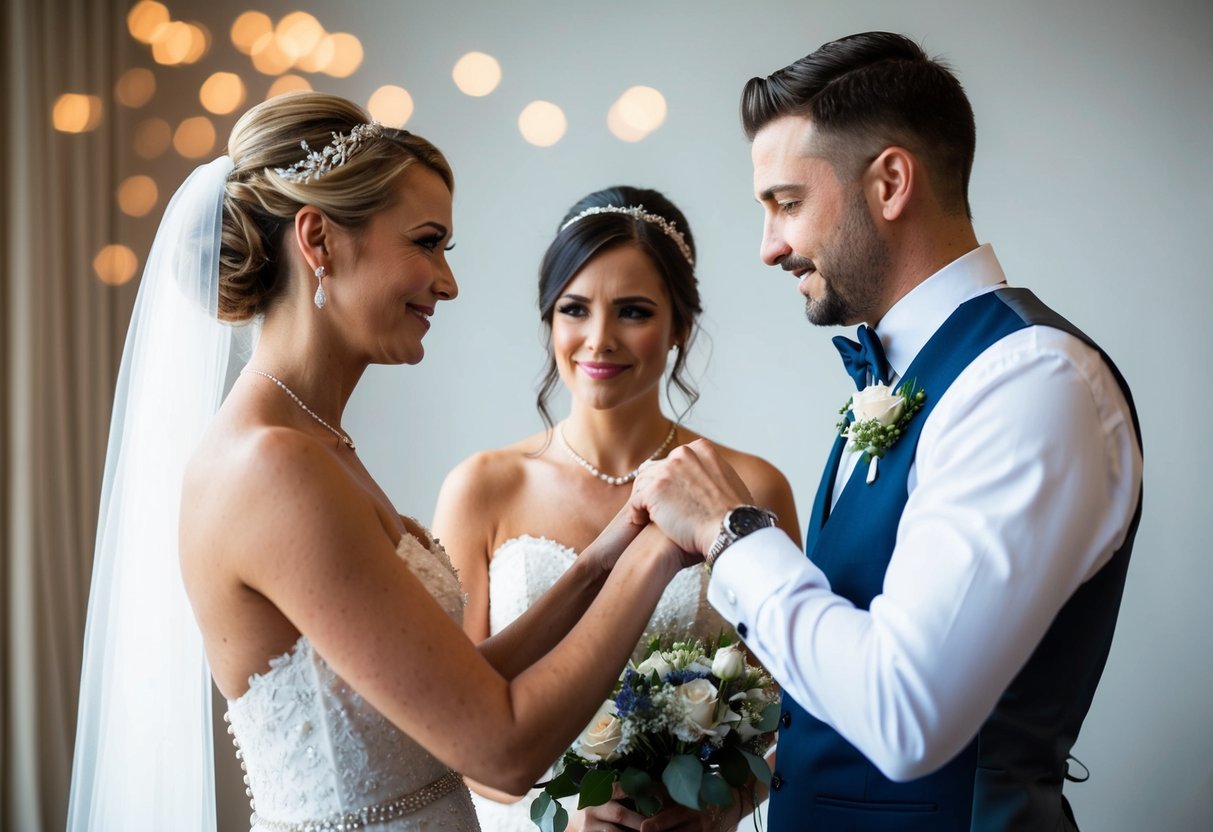
When it comes to requesting unedited photos from your wedding photographer, it’s important to navigate the conversation with care. Knowing what is considered acceptable can help maintain a good relationship with your photographer.
Is It Rude to Ask for Unedited Photos?
Asking for unedited photos can be seen as rude by some professional wedding photographers. They invest significant time and effort into editing all photos to create a finished product that reflects their style. If you request raw images, it may indicate that you don’t appreciate their editing skills.
Instead of directly asking for unedited photos, consider discussing specific concerns you may have about the images. This approach is much more respectful and promotes an open dialogue. Remember, a good photographer values your satisfaction and will work to meet your needs.
Professional Expectations and Boundaries
Every professional wedding photographer has their standards and boundaries when it comes to sharing images. Most photographers edit all photos before delivering them to ensure quality. Their artistic vision is part of what sets them apart from others in the industry.
By understanding these practices, you can better appreciate the effort that goes into creating your wedding images. It’s advisable to respect their process. If you do have feedback or requests, communicate that politely. A good relationship with your photographer can lead to better outcomes in the end.
Maximizing Your Wedding Day Coverage
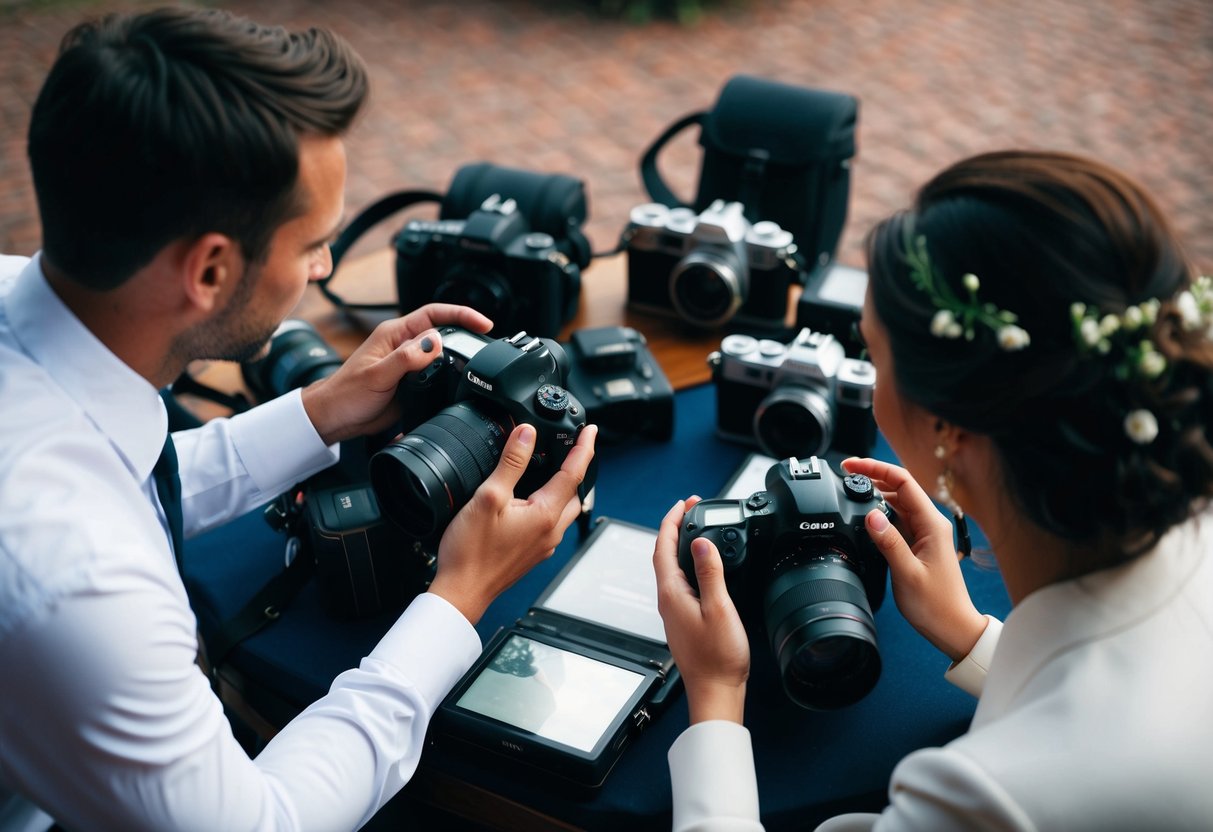
To get the most out of your wedding day coverage, effective communication and careful planning are key. Working closely with your photographer and planning your portrait session can lead to stunning results.
Collaborating With Your Photographer
Start by discussing your vision with your wedding photographer. Share the style and mood you desire. This allows them to capture your day in a way that reflects your personality.
Tips for collaboration:
- Create a shot list: Write down must-have moments and special people. This helps your photographer know what’s important to you.
- Set a timeline: Work together to create a schedule. This ensures you stay on track and don’t miss key moments.
- Ask for input: Your photographer has experience. They can suggest ideal spots and times for photos, especially for lighting.
Open communication helps avoid misunderstandings and ensures your special moments are covered.
Planning Your Portrait Session
The portrait session is a great opportunity to capture beautiful images. Planning it well can optimize your coverage.
Key considerations include:
- Choose the right location: Select places that resonate with you as a couple. This adds a personal touch to the images.
- Timing is essential: Schedule your session during golden hour for the best lighting. Golden hour takes place about an hour before sunset.
- Stay relaxed: Enjoy the moment. A calm demeanor helps capture genuine emotions and smiles.